
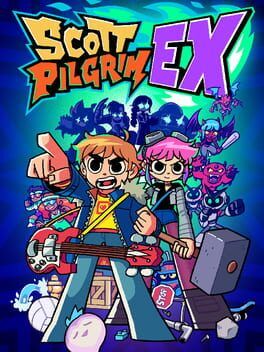

Breaking down how Scott Pilgrim EX’s open Toronto hub, quest system, and co-op structure transform the classic beat ’em up into a true adventure brawler.
Scott Pilgrim vs. The World: The Game built its cult status on chunky pixel art, crunchy hits, and a straightforward march from left to right. Scott Pilgrim EX keeps that snap and style, but its new gameplay overview makes it clear this is no simple remaster or rerun. Tribute Games is reimagining the formula as what they call an “adventure brawler,” and the shift is all about structure rather than just new combos.
Instead of a string of isolated stages, Scott Pilgrim EX anchors everything in an explorable Toronto hub. The city is stitched together as a continuous playspace where alleys, side streets, and weird temporal detours sit right alongside more traditional brawler arenas. Combat still unfolds on 2D planes, but now those arenas are pockets inside a larger map rather than stopgaps on a linear road. You are not just clearing a stage and backing out to a world map; you are moving from neighborhood to neighborhood, ducking into shops, and discovering combat encounters by seeking them out.
That Toronto hub is the clearest break from the old Switch release. Previously, you selected levels from a Super Mario style overworld, fun but ultimately decorative. In EX, Toronto is content. NPCs huddle in corners with quest markers, shops are physical spaces you stumble into mid-walk instead of menu icons, and the streets themselves reshape how you think about progression. It gives the game a sense of place that the earlier, nostalgic but abstract structure never really had.
Quests are the glue that turns that hub into an adventure. Beat ’em ups traditionally give you a thin objective like “reach the boss” and let the fists carry the rest. Scott Pilgrim EX layers an RPG flavored quest structure on top of the punching. NPCs dish out requests that cut across multiple parts of the city, so a simple task like tracking down a stolen item can pull you from a familiar street into a side area, then into a hidden challenge room you would have completely missed if you were just marching toward the next boss.
Rewards are tuned to make those quests feel essential instead of optional checklist fodder. Instead of simply showering you with money, Tribute is pitching “gameplay changing” upgrades that reshape what your character can do. In a traditional run through Scott Pilgrim vs. The World you might buy some stat boosts and call it a day. In EX, the promise is that a quest chain could unlock a new technique or passive perk that alters how you approach fights. That meshes well with the new hub because revisiting a district after a quest upgrade is no longer a grind, it is an excuse to test out a new toy on familiar enemies.
The adventure framing shows up in how the story drives exploration as well. Sex Bob omb’s kidnapping and the theft of their instruments give the campaign a concrete reason to scour Toronto for clues and allies. Rival gangs carving up the city turn each district into a little fiefdom you push into rather than a simple dot on a level select screen. That sense of territory underscores the brawling. When you fight your way through a block overrun by one crew, then later pass through again on the way to a different quest, it feels like you are moving through a living city rather than a one and done stage.
Environmental interaction deepens that feeling. The original game already let you swing plenty of improvised weapons, but EX leans harder into using the city as an arsenal. Everyday junk, stranger objects like turnips, and outright demonic tools are scattered around fights. When those items are embedded into across the city’s layout instead of dropped at scripted beats, they feel systemic. You begin to remember that a particular corner store is great for stocking up and also for grabbing a favorite weapon off the shelf before you head into a tougher side alley.
Co op is where the “adventure brawler” pitch really pays off. Four player brawlers are usually at their best in enclosed, focused stages, but Scott Pilgrim EX is built to keep a party moving together across a wider map. With quests bouncing between districts, your group is constantly choosing whether to beeline for the main story or chase a side objective another player picked up. The dynamic shifts from “we are clearing Stage 3 tonight” to “what do we want to do in Toronto tonight” which gives sessions a looser, almost co op RPG feel while still delivering the impact of a classic beat ’em up.
The expanded playable cast helps sell that shift. The earlier Switch version already had a charming roster, but EX builds a line up that leans into the series’ broader universe. Scott and Ramona are the household names, but playable exes like Roxie Richter, Lucas Lee, and Matthew Patel, plus the wild card Robot 01 and a still secret character, encourage groups to experiment. Each fighter has a distinct moveset that reflects their comic and series portrayals, and in an open structure that variety matters more. When your party is roving around Toronto tackling quests in whatever order feels right, having a mix of mobility specialists, bruisers, and oddball utility characters gives the city a different texture each run.
Tribute’s pitch hinges on replayability, and the systems they are highlighting all support that goal. A hub based Toronto, nested with hidden challenges, makes it trivial to embed secrets and alternate quest outcomes in places you might stroll past without noticing. A quest system with real mechanical payoffs invites multiple playthroughs as you chase different builds or prioritize different chains. Four player co op lets those systems recombine as different groups approach the same city with their own priorities.
Where the classic Scott Pilgrim beat ’em up on Switch felt like a finished mixtape of retro levels, EX feels more like an album with room to wander between tracks, dig into b sides, and come back later to hear something new. It still looks and sounds like Scott Pilgrim, with an all new Anamanaguchi soundtrack and creator Bryan Lee O’Malley co writing the story to keep it canon friendly, but structurally it is closer to a compact action RPG than a stage clear arcade port.
For fans coming from the old game, the key difference is not just extra content but a fundamental reframing of how you spend time between fights. Toronto is no longer a backdrop. It is the main character, and Scott Pilgrim EX’s adventure brawler systems are built to keep you exploring every block of it with friends in tow.