
Sanrio Party Land is more than a new Hello Kitty party game for Switch and the rumored Switch 2. It is the first flag planted by the new Sanrio Games label and a clear signal that Sanrio intends to become a steady, first‑party style supplier of family software over the next few years.
Sanrio is turning Hello Kitty and friends into a proper gaming business, and Sanrio Party Land is the first clear proof of that plan.
Announced for both Nintendo Switch and Nintendo’s next console, widely referred to as Switch 2, Sanrio Party Land is a family focused party game targeting a fall 2026 release window. It is also the debut title for Sanrio Games, a new in house publishing label that plans to ship ten titles by March 2029. Taken together, the announcement is less about a single game and more about a long term strategy to treat Sanrio’s characters as a sustained software brand rather than just licensed cameos.
From the first details, Sanrio Party Land sits very comfortably in the Mario Party lane. Players create a custom avatar and then jump into a theme park style setting where they play bite sized minigames alongside Sanrio characters. Hello Kitty is the obvious headliner, but the initial descriptions highlight the wider cast, with characters like Kuromi and Cinnamoroll mentioned alongside her. Structurally, it sounds like a classic living room party setup, something you pull out for sleepovers, family gatherings or casual evenings where everyone can pass a single pair of Joy Con around.
What makes it stand out is who it is for and when it is arriving. On current Switch, Sanrio Party Land is clearly aimed at the same broad family audience that already buys Mario Party, Animal Crossing and Just Dance. This is a game for younger kids, parents looking for something safe and accessible, and for dedicated Sanrio fans who treat new merchandise drops like events. With simple minigames and a heavy focus on character interactions, it fits that niche of software that grandparents can buy without worrying about complexity or content.
On Switch 2, Sanrio Party Land fills a different role. Nintendo is going to want a familiar lineup of multiplayer titles in the first years of the new hardware, and Sanrio’s party game arrives right during that early life cycle. Even if it is cross generation, it gives retailers an easy recommendation beside whatever Nintendo ships in the launch window. For Sanrio, landing on Switch 2 this early positions the brand alongside the console’s first wave of evergreen family titles rather than as a late generation curiosity.
The fall 2026 window is important for another reason. It acts as the on ramp for Sanrio Games, the new label that Sanrio has established specifically to handle game development and publishing more directly. Instead of only licensing Hello Kitty out to external studios and hoping for the best, Sanrio Games is being framed as a coordinated, multi year initiative. Public statements point to a roadmap of ten titles by March 2029, including at least one more console project in the same fiscal period as Sanrio Party Land.
That cadence implies something closer to how a mid sized publisher operates. A party collection for Switch, another console game waiting in the wings, and additional projects planned beyond that hints at a mix of platforms and genres. Mobile and PC are obvious targets, but Nintendo hardware is clearly the first pillar. Sanrio has long watched how companies like Disney and Lego treat games as core brand touchpoints rather than side merch and Sanrio Games looks like a move to play in that same arena.
For the market, this is a signal that Nintendo’s next system will not just lean on its own mascots for family content. Third party groups that specialize in younger audiences are already staking claims on the platform. If Sanrio can establish Sanrio Party Land as a recurring fixture, it gives Nintendo a reliable partner that understands the kid friendly retail space and can occupy slots on release schedules where Nintendo itself might not have something new.
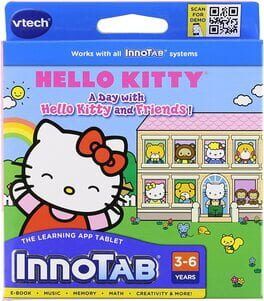
It also changes how Sanrio’s characters might appear in games over the next few years. In the past, Hello Kitty has shown up through scattered licensed projects and crossovers, from small educational releases to mobile titles. With Sanrio Games in place, those same characters can headline internally curated projects that line up with broader merchandising pushes, animated content and live events. When you hear that Sanrio plans multiple games beyond Sanrio Party Land, it is easy to imagine a rhythm game focused on concerts, a life sim centered on running a cafe with Cinnamoroll, or even a collaborative project that uses Sanrio’s Mr. Men and Peanuts rights in specific territories.
Sanrio Party Land itself is designed to be the accessible first step, a game that can live on shelves and digital storefronts for an entire generation of hardware. Minigame collections age well when they are built around instantly recognizable characters, and Sanrio has one of the most globally visible casts in pop culture. Put those characters into a bright theme park backdrop, layer in light progression for your custom avatar, and you have something that can quietly accumulate sales for years.
The cross generational strategy also matters. Supporting both Switch and Switch 2 means Sanrio is not asking families to upgrade just to play the game, while still positioning the title to shine on new hardware. That is exactly the kind of accessible, non threatening launch window software that helps a platform transition. For retailers and platform holders, that reliability matters just as much as spectacle heavy blockbusters.
Looking ahead, the commitment to additional Sanrio titles over the next few years suggests that Party Land is the first tile in a longer pattern. A fall 2026 console launch, another console game in the same fiscal period, and a ten game roadmap to 2029 points to a slow but steady presence rather than a single experiment. If Sanrio Games delivers on that plan, the label could become one of the recognizable names in the kids and family segment across Switch, Switch 2 and beyond.
Right now, Sanrio Party Land is still just a set of promises and high level descriptions. But taken together with the launch of Sanrio Games and its multi year schedule, the reveal looks less like a one off crossover and more like the first real step in Sanrio’s effort to stand alongside the biggest character brands in games. Fall 2026 will show whether Hello Kitty’s new home on Switch can live up to that ambition.