
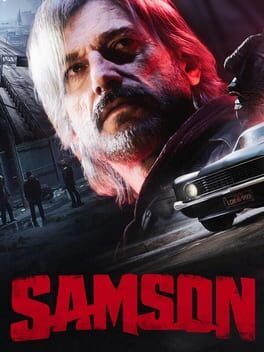

Hands-on impressions of Samson: A Tyndalston Story, a gritty AA crime brawler from ex–Just Cause and Mad Max devs, focusing on its pseudo-open-world structure, mission variety, close-quarters melee, and sharp $24.99 price point.
Samson: A Tyndalston Story is not trying to be your next 80 hour map-mopper. Coming from Liquid Swords, the new studio led by Avalanche founder and ex Just Cause / Mad Max director Christofer Sundberg, it is aiming for something tighter and nastier. Think Max Payne’s New York, sliced down to a few square miles, then rewired around debt, desperation, and fists.
Set in a fictional 90s city that looks like it was shot through a sodium lamp, Samson drops you into Tyndalston as ex-con Samson McCray, fresh out of prison and already in the hole. His sister cut a deal with dangerous people to keep him breathing and now the interest is coming due every single morning. The result is a crime story that feels less like a power fantasy and more like a pressure cooker you punch your way through.
For anyone who lives on a diet of Max Payne, Sleeping Dogs, or Sifu, Samson is quietly shaping up to be your next AA obsession.
A pseudo open world built from neighborhoods, not a continent
Liquid Swords is very clear that Samson is not another sprawling Just Cause style playground. Tyndalston is closer to a dense slice of city in a Yakuza or Sleeping Dogs game, framed like Max Payne’s New York. Streets are narrow, sidewalks are packed with grime and signage, and everything from the lighting to the wet asphalt leans into a kind of poisoned urban nostalgia.
Rather than a fully freeform open world, Samson uses what the team and IGN’s Fan Fest preview describe as a pseudo open world structure. You can drive around, take side jobs, poke into corners, and soak in the atmosphere, but the game is always pushing you forward through days and deadlines. The map is big enough to run proper car chases and weave through different districts, yet small enough that you learn its shortcuts, choke points, and ambush spots.
The important difference is intent. Tyndalston is not a theme park of icons, it is a board where every move costs you time and pushes the story’s debt spiral forward. Missions and opportunities are spread across the city, but you select them through the lens of a man who has to meet a payment in the morning, not a tourist ticking activities off a list.
A day-by-day structure that weaponizes time
Samson’s core loop is broken into days, each sliced into afternoon, evening, and night. Every morning you wake up, check how much you owe, and hand over whatever cash you scraped together the day before. Fail to hit the number and things escalate. That interest mechanic is not just a narrative flourish. It shapes how you look at the entire map.
Jobs around Tyndalston all take time. One mission might eat an entire afternoon as you stalk a bookie, take part in a bar fight, then escape in a mangled sedan. Another could be a quick, brutal debt collection gig that burns only an hour or two, giving you space to chain multiple tasks before sunrise. You never get to grind infinitely in a single day. Instead you make choices. Do you chase a long, high paying mission that sounds risky, or piece together three smaller ones and hope nothing goes sideways?
The result resembles a crime-flavored roguelite schedule. You plan a route through the city, throw yourself into jobs, and then live with whatever that combination of choices and screwups does to your wallet and your relationships. NPCs and factions remember what you do, and the city as a whole has a way of pushing back on Samson the harder he leans into violence.
For fans of Max Payne or Sleeping Dogs, that time pressure is what differentiates Samson. Those games give you a linear escalation of stakes. Here, the stakes are there from the first morning, and every job is about stalling the inevitable as long as you can.
Mission variety in a compact criminal sandbox
The IGN Fan Fest hands-on and early previews sketch out a range of mission types that sit somewhere between Max Payne’s linear shootouts and Sleeping Dogs’ open city errands. Within a single in-game day you might crack skulls as hired muscle in a club, tail a target through traffic, run a choked-off street race, or serve as a wheelman in a debt collection run that ends with a desperate alley brawl.
Liquid Swords’ Just Cause and Mad Max heritage comes through not in sheer size but in how missions fold systems together. A typical job can move from stealthy tailing to an ambush to a panicked car chase, with you improvising around traffic, oncoming police, and your own car’s condition. There are story-critical jobs that advance Samson’s hunt for a way out, side contracts that exist purely to put cash in your pocket, and flavor jobs that deepen your relationship with particular factions or informants.
Because of the action point and time cost system, you are rarely in a position to clean out every available mission marker before the day resets. That limited pool creates replayability within a single playthrough. Two players with the same story progress can have very different sets of bruises depending on which corners of Tyndalston they decided to lean on, and which quick cash options they ignored.
The big open question is consistency. Ign’s preview is bullish on the early mix of brawls, chases, and debt work, but the game will need to keep that blend evolving. Luckily, the debt pressure and city-state systems give Liquid Swords a lot of levers to pull, from introducing new loan sharks and enforcers to altering who is hunting you on the streets at certain hours.
Heavy, grounded melee that feels more Sifu than superhero
Samson’s combat is where the game has to land for fans of Sifu and Sleeping Dogs. Everything shown so far points toward slow, intentional brawling instead of Arkham-style crowd control. Samson fights like a man who has done this before and whose body is starting to resent it.
The basic toolset is familiar: light and heavy attacks, dodges, parries, and environmental takedowns. The difference is in the weight. Heavy blows can floor an enemy for good, blood sprays across grimy tiles, and you can feel the gap between a clean counter and mistiming your block by half a beat. There is no sense that you are invincible. Getting cornered by three goons at once is a real problem.
The game layers in a four stat progression system that lets you tilt Samson’s style. Instinct fuels adrenaline gain and how often you can slip into a heightened state. Tactics feeds raw survivability and how many mistakes you can make in a fight before hitting the pavement. Aggression boosts damage and the ability to crack guards and armor, while Cunning leans into finesse and control. It is closer to tuning a Sifu run than building a traditional RPG tank.
Adrenaline is the key spice. As you land blows and play smart, a meter fills. Triggering it bumps Samson into a short burst of heightened focus where his strikes hit harder and his timing windows feel more forgiving. Pop it early, and you can wipe a room before it gets out of hand. Hold it too long and you risk getting downed before you ever get to use it.
If Max Payne is a ballet of bullets and Sifu is a brutal martial arts exam, Samson splits the difference by making every punch feel like it costs you something. There are no wild combos for the sake of flash, just grimy, close quarters violence in cramped apartments, sidewalk corners, and sweat slicked back rooms.
Driving with Mad Max DNA in a modern city
You cannot talk about a game made by ex Mad Max and Just Cause devs without looking at the cars. Tyndalston is built around 90s traffic, but Samson’s rides have that heavy, arcade tuned feel that Avalanche fans will recognize. Your default car is a battered old muscle machine that wants to drift every corner and shudder under every impact.
Chases are not simulation heavy. Instead, they are about managing weight, drift, and aggression. You have nitro for hard bursts, a dedicated side slam for grinding enemies into guard rails, and a handbrake that makes alleyway hairpins and last second turns actually usable. Small touches, like earning extra boost by smashing specific roadside signs, add spice that recalls Just Cause’s love of toy-like systems.
Damage matters, though. One preview anecdote has a mission fail because the player hit their target with a car that was already on its last legs, causing both vehicles to explode. On a retry they had to take fewer risks, spend money repairing the car beforehand, and think about how much abuse they could soak before being stranded.
That connects the driving to the debt loop. Every dent, every impound, every wreck is another hit to the cash you need in the morning, which in turn colors how reckless you can be behind the wheel.
Why $24.99 is the right price for this kind of brawler
Samson is launching at $24.99 on PC, with console versions planned later. The team has been explicit about that price point. They want players to look at it and immediately feel like the risk is low enough to take a chance on something rougher edged and more focused than a full price blockbuster.
In return, they are building what sounds like a 10 to 15 hour core story with room for extra debt grinding and side trouble if you want to marinate in Tyndalston a bit longer. That puts it squarely in AA territory, where expectations are less about endless content and more about a strong hook delivered without filler.
For fans of Max Payne, Sleeping Dogs, or Sifu, that is a compelling offer. Those games all lean hard on tight combat loops, strong sense of place, and stories about broken people trying to punch their way out of bad situations. Samson seems to know this is its audience. It shows you a city big enough to feel real but small enough that you know the corners, then charges you a mid tier price to spend a couple of intense weekends getting your face kicked in.
When you put together the pseudo open world structure, the debt and time pressure, the bruising melee, and the crunchy driving, Samson starts to look like one of the more interesting AA bets on the calendar. If you have been hungering for a grounded urban brawler that lives somewhere between Max Payne’s noir, Sleeping Dogs’ city grime, and Sifu’s harsh lessons, keep an eye on Tyndalston when Samson clocks in at $24.99 this April.