
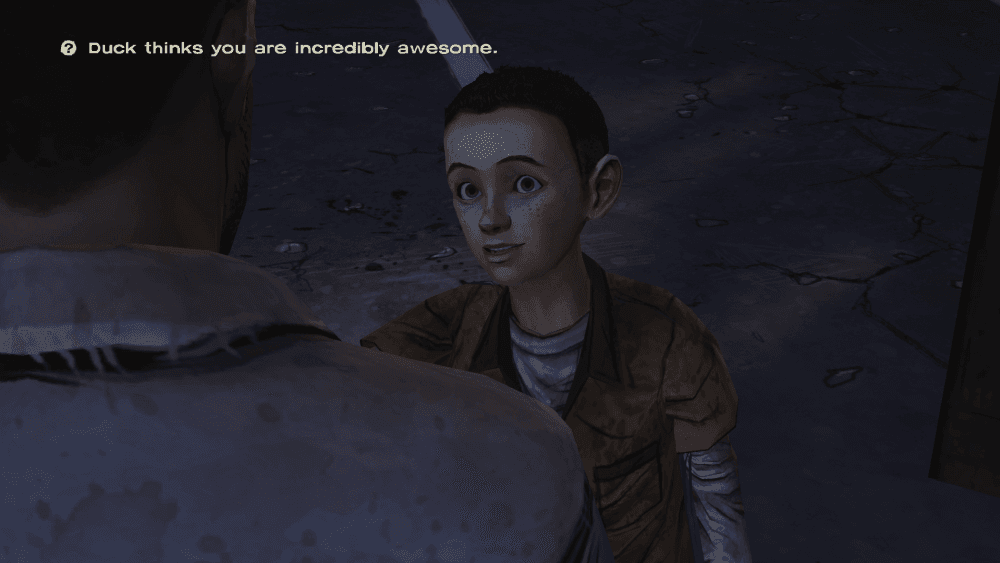
Players keep circulating saddest video game moments and gross video game food because both turn discomfort into memory, from The Walking Dead to Fallout.
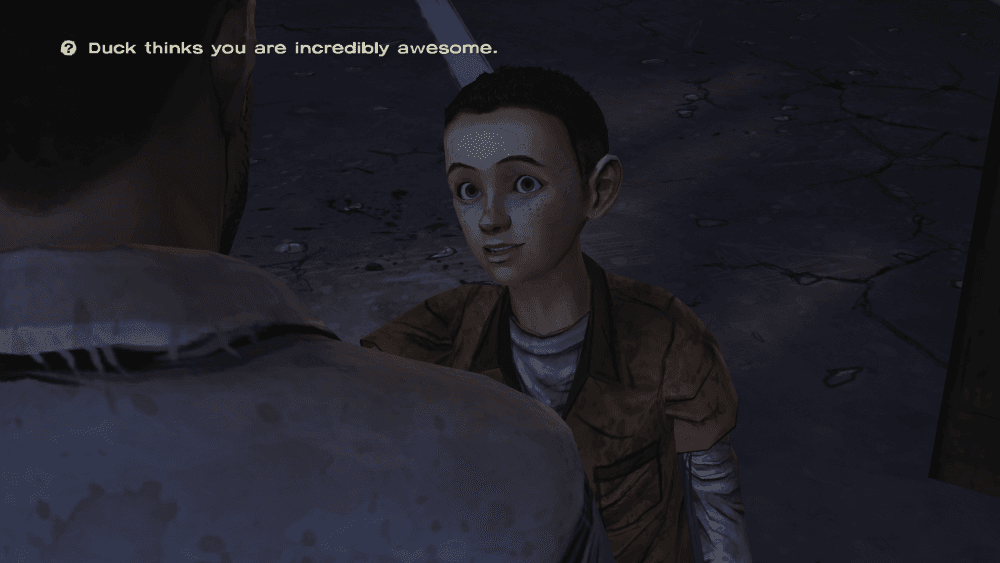
Image: sourcegaming.info
The same feeds keep serving grief and disgust
Public TikTok discovery pages are now easy proof of a habit players have had for years: gaming culture keeps returning to scenes that hurt. One TikTok page surfaced under “the saddest moments in games” includes posts framed around Minecraft tributes, heartwarming Call of Duty moments, and the question of whether a piece of NPC dialogue might be “the saddest” in a game. Another TikTok discovery page for “saddest video game quotes” highlights Red Dead Redemption 2, Arthur Morgan, Sadie Adler, Clementine-adjacent fandom language, and captions about crying over clips.
At the same time, Polygon has been cataloguing a very different kind of discomfort: worst video game foods. Its list of “nastiest” menu items starts from a design observation, that developers often put serious care into making digital food look appetizing, which makes the moments when that same craft is pointed toward repulsion stand out. Polygon’s examples include Fallout’s roasted giant radroach meat, Final Fantasy 15’s Moist Tomato Cake, and Death Stranding’s cryptobiotes.
Those two shareable categories, saddest video game moments and gross video game food, look unrelated until you think about how games stage discomfort. One asks players to sit with loss. The other asks them to look at something edible and recoil. Both work because games are unusually good at making the player participate in a feeling before the clip, screenshot, or quote becomes social content.
There are spoilers ahead for well-known story scenes discussed in the source material, including Final Fantasy VII and The Walking Dead Season 1.
Gross food works because games make appetite mechanical
The reason gross video game food lingers is not only that it looks foul. It often does something useful. Polygon’s Fallout example is clean and nasty in equal measure: giant radroach meat is described as roasted mutant bug meat that heals the player while also increasing radiation. That small tradeoff carries the whole wasteland in one bite. The player is hungry, wounded, low on resources, and the game offers survival through revulsion.
That is a sharp piece of action-adventure language. Combat has rhythm, but so does recovery. After the fight, the inventory becomes the quieter set-piece. In Fallout, according to Polygon’s description, irradiated roaches are common wasteland enemies, and cooking their meat turns a nuisance creature into nutrition if the player accepts radiation exposure. The meal is not a decorative gag floating outside the systems. It is a compromise, which is why people remember it.
Final Fantasy 15’s Moist Tomato Cake hits a different nerve. Polygon notes that Ignis usually cooks appealing campfire meals for Noctis and company, including sushi, steaks, and desserts, using ingredients gathered on the road. The joke lands because it breaks that culinary fantasy. The cake is made from a Killer Tomato, an enemy from the game, and Polygon describes it as a damp, spotty red cake garnished with even more tomato. It boosts stats, which gives the player the same odd bargain Fallout uses, only with a road-trip dinner instead of post-apocalyptic scarcity.
Death Stranding’s cryptobiotes push the discomfort closer to body horror. Polygon’s source text describes them as squirming alien creatures eaten raw, straight from the ground. The fact that Sam Porter Bridges consumes them in a game built around exhaustion, terrain, and bodily maintenance makes the act feel less like a throwaway animation than a survival ritual. It is practical, upsetting, and instantly readable in a short clip.
That is the key difference between a forgettable joke item and a gross food players keep sharing. The best worst video game foods are tied to stakes. They heal, buff, restore, or keep a journey moving. The player may laugh, but the game has already made the disgusting thing useful.
The saddest scenes travel because players remember being powerless
The emotional gaming scenes named in GamingDebugged’s “30 Saddest Moments in Video Game History” are built from a different material: helplessness. The site singles out Aerith Gainsborough’s death in Final Fantasy VII, pointing to Sephiroth’s blade, the bouncing materia, the music, and the fact that the player cannot stop it. GamingDebugged frames the impact around the time the game has already spent making the player care about Aerith before removing her in a cutscene.
That last detail is the pressure point. Games often train players to solve, dodge, counter, revive, and optimize. A great action set-piece teaches cause and effect. A devastating story scene may do the opposite. It keeps the player present, but strips away the toolset. No timing window. No perfect parry. No alternate combat route. GamingDebugged’s phrasing around Final Fantasy VII emphasizes that Aerith is “just gone,” with no reload fantasy or healing item undoing the loss.
The Walking Dead Season 1 operates through a related kind of authorship. GamingDebugged calls Telltale’s ending earned through conversation choices and describes the final room with Lee Everett and Clementine, after Lee has been bitten and is fading. The site identifies the choice of whether Clementine pulls the trigger as an especially devastating multiple-choice question. The mechanics are minimal, but the responsibility feels enormous because the game has made every dialogue choice part of Lee and Clementine’s relationship.
That is why clips of saddest video game moments circulate so well online. They compress hours of play into a line, a look, a button prompt, or a piece of music. Viewers who played the game bring the missing hours with them. Viewers who did not play can still read the broad emotional shape, a farewell, a sacrifice, a child forced into an adult decision. The shareable version is short, but the remembered version is long.
Disgust and grief both turn design into a bodily reaction
Polygon’s gross food examples and GamingDebugged’s saddest scenes are different genres of discomfort, but they share a design grammar. They hit the body first. Radroach meat asks whether healing is worth eating irradiated bug flesh. Moist Tomato Cake turns a pleasant campfire meal into a damp red punchline. Cryptobiotes wriggle across the boundary between medicine and meal. Aerith’s death and Lee’s final scene, as described by GamingDebugged, make players feel the sick pause after agency has been withdrawn.
That bodily immediacy helps explain why both categories survive outside their original games. A person scrolling past a clip can understand “I would not eat that” as quickly as “I remember crying there.” The details deepen the response, but the first reaction is instant. Disgust and grief are efficient forms of communication.
The internet rewards that efficiency. Wikipedia’s general entry on internet phenomena describes online fads and sensations as social and cultural phenomena specific to the internet, including memes, viral videos, catchphrases, images, and jokes, and notes that instant communication can help word of mouth spread rapidly. That definition is broad, but it fits the way gaming discomfort gets repackaged. A food screenshot becomes a dare. A death scene becomes a quote post. A farewell becomes a duet, reaction clip, or comment thread.
The tension is that the original scenes were not built only for scrolling. Polygon’s source text stresses that designers normally think hard about making virtual food appealing, which is why intentionally gross items are fascinating. GamingDebugged’s examples depend on accumulated attachment, whether it is the long runway before Aerith’s death or the conversation-driven bond between Lee and Clementine. The platforms flatten those arcs into shareable fragments, but the fragments keep pointing back to the craft that made them memorable.
The culture is moving away from ranked memory
Both Polygon and GamingDebugged use ranked-list structures in the source material. Polygon numbers its nastiest foods, while GamingDebugged ranks 30 sad scenes and divides them into categories such as deaths, endings, quiet moments, companion farewells, and surprises. Those formats are useful because they give readers a path through a huge topic. They also invite argument, which is part of the appeal.
But the way players share these moments on TikTok and elsewhere often works less like ranking and more like recognition. The TikTok discovery text for saddest gaming clips does not need a definitive canon to function. It can move from a Minecraft tribute to Call of Duty sentiment to NPC dialogue because the connective tissue is feeling, not franchise hierarchy. The “saddest video game quotes” page similarly gathers emotional associations around Red Dead Redemption 2 and its characters rather than presenting a formal archive.
That matters for how we read the trend. A ranked list asks which scene is saddest or which meal is grossest. Player sharing often asks whether anyone else remembers the same sting. The comments, reposts, and reaction formats turn discomfort into a call-and-response ritual. Someone posts Lee and Clementine. Someone else answers with Aerith. Someone posts a Fallout meal. Someone else remembers eating something worse for a stat boost.
As a culture pattern, that is closer to campfire storytelling than criticism. The examples repeat because repetition is the point. In Final Fantasy 15, Ignis cooking beside the road gives the party a moment of warmth between fights. Online, players recreate a stranger version of that campfire by passing around the scenes that made them wince, laugh, or go quiet.
How to revisit these moments without flattening them
For readers chasing saddest video game moments through clips, the practical advice is simple: expect spoilers, and know when a scene needs its runway. GamingDebugged’s own article warns readers that its entries spoil major games. That warning is important because scenes like Aerith’s death and Lee Everett’s ending depend on time spent with characters. Watching the final beat first may explain the meme, but it can blunt the game’s pacing.
Gross food travels more safely because it is often a systems gag or world-building detail, though Polygon’s examples still gain force from context. Fallout’s radroach meat is funnier and nastier when you understand scarcity and radiation as survival pressures. Final Fantasy 15’s Moist Tomato Cake lands because it interrupts a pattern of gorgeous campfire cooking. Death Stranding’s cryptobiotes feel stranger in a game where bodily endurance and movement across hostile ground define the journey.
The best way to engage with this trend is to treat the clip as an invitation rather than the whole work. If a sad scene keeps appearing in your feed, ask what the game did before that scene to earn it. If a disgusting meal becomes a joke, look at what the item changes mechanically. Does it heal? Does it buff? Does it cost the player something? The answer usually explains why the image survived.
Players keep sharing worst video game foods and emotional gaming scenes because both leave a trace that is easy to summon. One lives in the throat, the other in the chest. Good games know how to stage both. Great ones make the player carry the feeling long after the controller is down.