
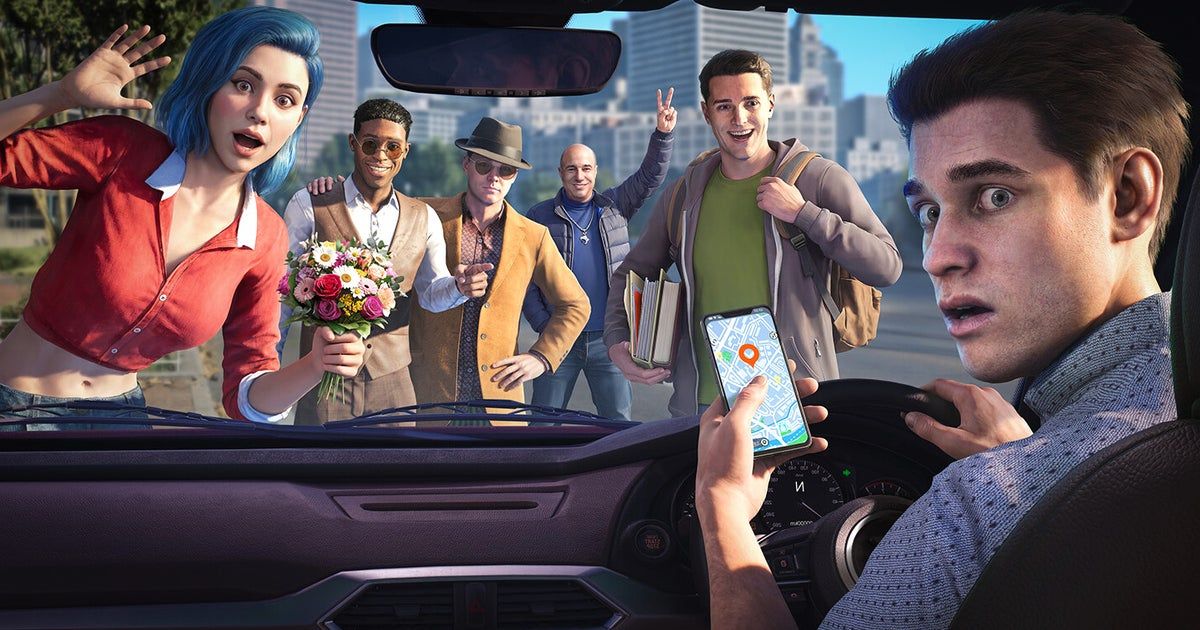

Saber Interactive CCO Tim Willits says the studio will not revise its communications strategy after backlash over Rideshare Stimulator, AI use, and CEO Matthew Karch's comments about writer Stella Sacco.
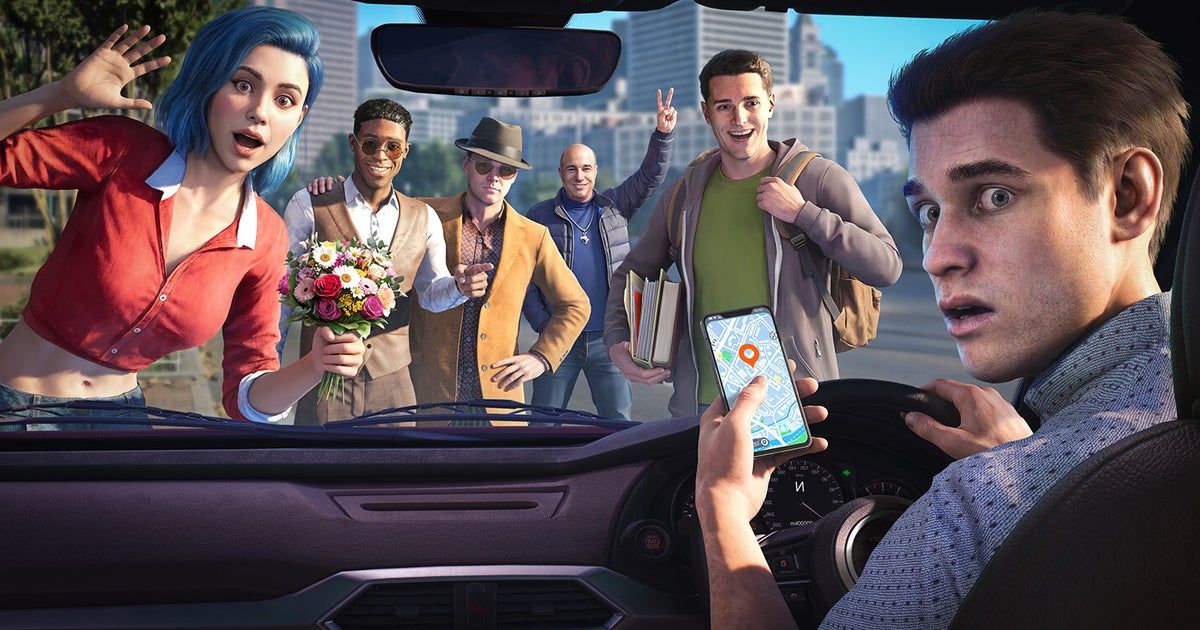
Image: eng.pressbee.net
Saber is holding its line after the AI writer backlash
Saber Interactive CCO Tim Willits says the company is not changing its communications strategy after a public AI writer controversy involving Rideshare Stimulator, former writer Stella Sacco, and comments from CEO Matthew Karch. According to Eurogamer, Willits confirmed that Saber has not revised its approach despite Karch telling the press that he "would [...] have been happy to replace [a writer] with AI" after Sacco claimed she had been replaced by ChatGPT.
That is the concrete development at the center of the latest Saber Interactive news: the studio has absorbed a wave of criticism, issued at least one apology, updated a store listing, and still says its broader communications posture will remain intact. In an interview reported by PC Gamer and syndicated by Yahoo, Willits described the studio's leadership style as unusually blunt. "Sometimes we 'say what we mean' too much," he said. When PC Gamer asked whether recent controversies had prompted a change in approach, Willits reportedly answered, "no."
For players, developers, and anyone tracking the game industry AI writer debate, that answer leaves the tension unresolved. Saber is arguing that the finished game should be judged on its merits. Critics of the company's handling of the controversy are judging something else first: whether the studio has been clear, fair, and accountable about labor, authorship, and AI disclosure before Rideshare Stimulator even launches.
The dispute began with a replacement claim Saber denies
The controversy centers on Stella Sacco, described by PC Gamer as a former Saber Interactive writer, who claimed she was fired and replaced with AI during development of Rideshare Stimulator. PC Gamer reported that Saber disputed the details of that claim, while also saying it would use AI for dialogue because, in the company's framing, "the number of passengers in the game is infinite."
That distinction is important. What is confirmed from the reporting is that Sacco made the replacement claim, Saber denied replacing her with ChatGPT, and Saber has acknowledged AI use in the game. What remains contested, based on the supplied sources, is the precise labor chain behind the game's writing and how much of the final dialogue pipeline will come from human-written, AI-assisted, or AI-generated material.
The situation escalated because of Karch's public response. Yahoo's syndicated PC Gamer report says Saber's communications department initially issued a comparatively mild statement disputing Sacco's version of events, before Karch gave a statement to This Week in Videogames that PC Gamer characterized as aggressively pro-AI and personally insulting to Sacco. Eurogamer reports that Karch later apologized to Sacco and shared a LinkedIn statement saying he had an "insightful week," while also writing that "the digital ecosystem thrives on outrage and surface-level takes."
That sequence explains why the Saber Interactive AI controversy has not faded into a routine pre-release dispute. The studio's position is not limited to whether one game uses AI. It now includes a public test of executive tone, worker treatment, store disclosure, and whether a studio can ask players to wait for the finished product after its own messaging intensified the backlash.
Tim Willits Saber message: let the games decide
Willits' answer to PC Gamer is consistent with a product-first philosophy: put the game in front of players, let them decide, and do not overcorrect because of what he framed as a temporary uproar. "I've been in the industry for so long, and there's always some dust up," Willits said, according to PC Gamer's report. He compared the current criticism to earlier anger when Saber put World War Z on the Epic Games Store, saying people accused the company of damaging the industry at the time. Willits added that 30 million people have now played World War Z.
The comparison is revealing, but it also has limits. The World War Z example was a platform and storefront controversy. The Rideshare Stimulator dispute is tied to generative AI, credited creative labor, and the public treatment of a former worker. Both involve player trust, but they operate on different layers of the relationship between studio and audience. Store exclusivity asks players where they must buy a game. AI authorship asks them what they are buying, who made it, and whether the developer has been transparent about the production process.
Willits is still pushing the same strategic answer. "The games will speak for themselves, even in our experiment with Rideshare [Stimulator]," he told PC Gamer. He encouraged people to check the game out when it releases and play it themselves, adding that if players do not like it, that is fine. "We are going to stick to making the best games we can," he said, according to the report. "Try to show them, give people an opportunity to play them, and have players make their own decisions because players are smart, you know. You make a good game, they'll find it and play it."
As a strategy, that is clean and internally consistent. As communications, it is risky. A good game can repair some damage, especially if players feel the controversy was exaggerated or disconnected from the finished experience. But in an AI-related dispute, the product is also evidence. Dialogue quality, disclosure clarity, credits, and perceived human authorship may become part of the review conversation before players ever reach the usual questions of performance, price, or mission design.
The Steam AI disclosure arrived after the listing raised questions
One concrete change has already happened outside the interview circuit. Eurogamer reports that Rideshare Stimulator's Steam page has now been updated with an AI disclaimer after the disclosure had been missing when the game first went live for wishlisting on July 30. According to Eurogamer, Karch initially said the disclaimer would come "once [the game was] finalised," but the store page was later updated to include the AI disclosure.
That timeline matters because storefront disclosures are one of the few practical tools players have before release. A trailer can establish tone, and a demo can establish feel, but an AI disclosure establishes a baseline of informed consent. The supplied reporting does not include the full wording of the current Steam notice, so it would be premature to judge how detailed or useful it is. What can be said is narrower: the disclosure was absent at initial wishlisting, Saber said it would arrive later, and Eurogamer says it has since been added.
For a studio saying it does not need a communications reset, that store-page change creates a complicated signal. On one hand, the eventual disclosure aligns the listing with the reality that Saber has acknowledged AI use for dialogue. On the other hand, the delayed appearance gave critics a clear example of why they felt transparency was reactive rather than proactive.
In live-service balance terms, this is the sort of early economy problem that compounds if left unattended. Players do not evaluate every statement in isolation. They build a trust ledger. A missing disclaimer, a heated executive quote, a later apology, and a no-change comms stance all stack together. Even if the finished game lands well, the studio has made the path to a clean launch harder than it needed to be.
Saber's wider slate gives the controversy more weight
The Rideshare Stimulator dispute is unfolding while Saber has several larger projects in public view. Eurogamer notes that Saber Interactive currently has multiple games in development, including Turok Origins and Clive Barker's Hellraiser: Revival, both of which had a Gamescom presence. Eurogamer also reports that Saber is working on Warhammer 40,000: Space Marine 3, though little has been heard about that project since its announcement.
That wider slate changes the stakes of Saber Interactive communications strategy. If this were an isolated experimental project, the company could absorb the fallout as a one-game reputational risk. Instead, Saber is also managing expectations around recognizable properties with existing fan bases. Those communities will not all care about Rideshare Stimulator, but they will notice how Saber handles criticism, disclosure, and executive messaging.
Eurogamer separately reported that Willits said Saber is confident enough in the current market that he believes "we can get any IP." That kind of confidence is valuable in licensing conversations and public positioning, especially for a studio with multiple branded projects. It also raises the cost of avoidable communications errors. When a company presents itself as a trusted steward of major IP, its public conduct becomes part of the pitch.
There is a strategic mismatch here. Saber's development slate suggests a studio thinking at portfolio scale. Its public posture in this controversy sounds more like a studio willing to ride out each flare-up as temporary dust. Those approaches can coexist when releases are strong and goodwill is abundant. They become harder to reconcile when the controversy touches a broader industry fault line like AI use in creative work.
The practical read for players is to wait for clearer evidence
Based on Eurogamer's listing information, Rideshare Stimulator is planned for PC, PS5, and Xbox Series X/S. The supplied sources do not confirm a release date or price. Willits' comments to PC Gamer refer to checking it out "when it comes out," which indicates the current public conversation is still pre-release rather than post-launch assessment.
Players deciding whether to wishlist or wait have a few confirmed data points. Saber denies that Sacco was replaced by ChatGPT. Sacco claimed she was fired and replaced with AI. Saber has said AI will be used for dialogue because of the game's large or effectively open-ended passenger premise. Eurogamer says the Steam page now includes an AI disclosure after initially lacking one. Karch has apologized to Sacco, while Willits says the company is not changing its communications approach.
That leaves the sensible buyer's position fairly conservative. If the AI issue is a deal-breaker, the current reporting gives enough reason to hold off until Saber provides more specific disclosure about how dialogue is generated, reviewed, credited, and presented in the final game. If the game concept interests you, the strongest evidence will be closer to launch: the Steam disclosure wording, previews, user impressions, console store pages, and whether Saber offers a demo or clear gameplay breakdown.
Saber's argument is that players are smart and will decide after playing. That may prove true, but trust is usually earned before the purchase screen. The studio has chosen not to change its communications strategy after the Saber Interactive AI controversy. The next test is whether that confidence reads to players as consistency, or as a refusal to learn from a controversy the company helped create.