
Facepunch is making s&box free to play after Garry Newman said the platform’s “Netflix for games” approach failed. Here is how pricing, curation, Workshop support, and the Citizen model are changing.
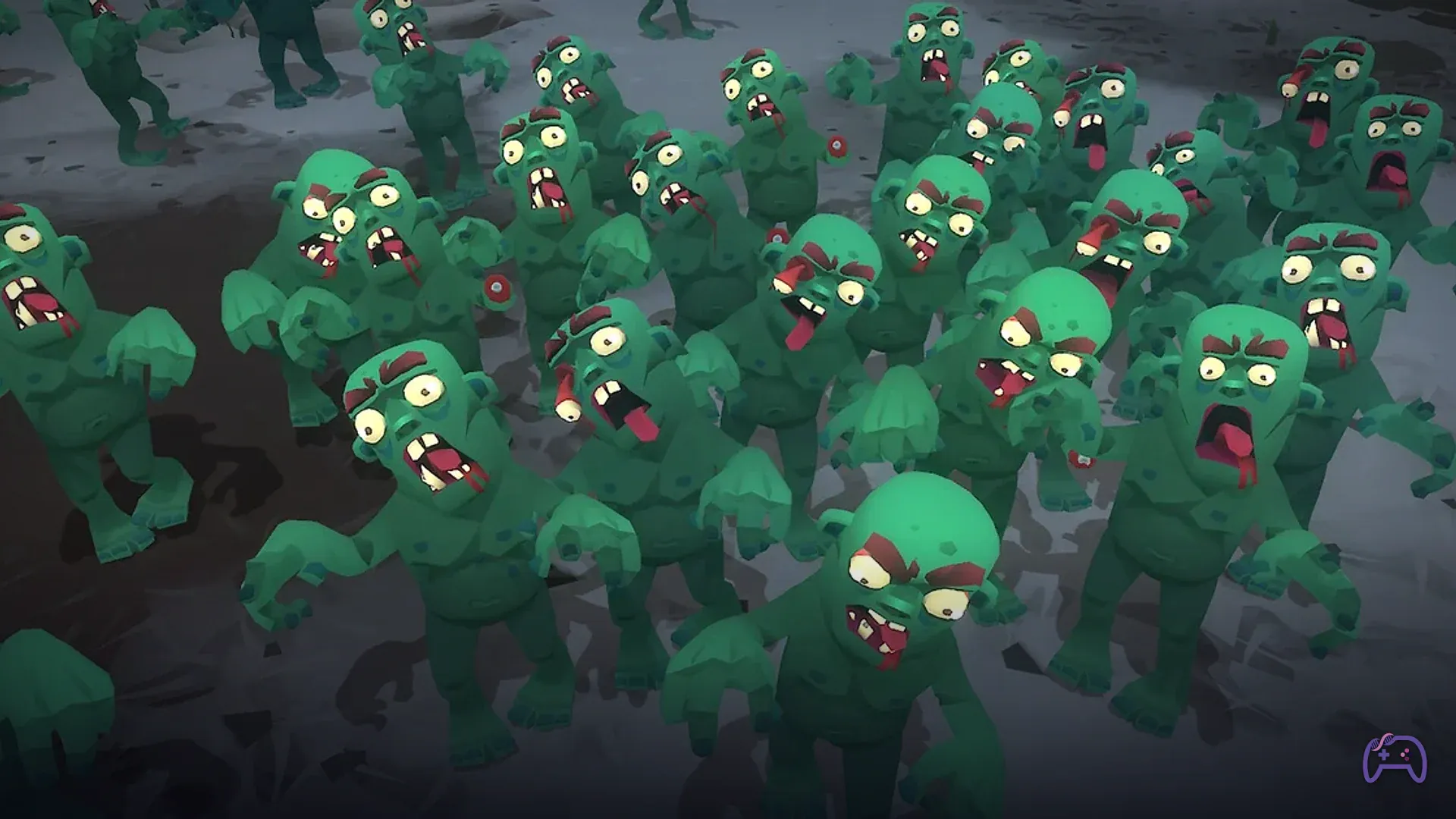
Image: dungen.ru
s&box is dropping its entry fee after a rough first run
Facepunch Studios plans to make s&box free to play toward the end of the year, turning the Garry’s Mod successor away from paid access and toward a player-volume model after founder Garry Newman publicly said the platform is “not well liked” and “doesn’t have good retention.”
That is the concrete reset at the center of Newman’s “Rethinking” post, which was reported by GamesIndustry.biz, PCGamesN, Rock Paper Shotgun, and VGTimes from the Steam and s&box website announcement. Newman framed the move bluntly: Facepunch had been charging for access while also selling skins, and he said he understood why that combination, alongside the platform’s other problems, could be “a big turn off.” His conclusion was equally direct: “We don’t need the entrance fee, we need players.”
The s&box free to play shift is not a small pricing tweak. It is Facepunch admitting that the project’s original pitch, a creation platform and playable hub carrying the weight of Garry’s Mod’s legacy, has been misread by players. According to PCGamesN, Garry’s Mod currently sits at a 97% Steam review score from more than 541,000 user ratings, while s&box was at 47% positive from around 3,600 respondents at the time of its report. Newman did not try to soften that gap, writing that he was “embarrassed” and “ashamed” by the reviews.
For anyone watching s&box as the long-anticipated spiritual follow-up to one of PC gaming’s strangest success stories, the message is clear: Facepunch is no longer asking players to buy into the concept first and hope the best games rise later. It is trying to rebuild the platform around the experience players see the moment they arrive.
The “Netflix for games” idea was a discovery problem, not a confirmed subscription plan
The phrase that will travel furthest from this s&box update is Newman’s admission that his idea of a “Netflix for games doesn’t work.” It is worth being precise about that line. The sourced reports do not describe a newly canceled subscription service. In context, Newman was talking about discovery: a big menu of many playable experiences, presented like an endless content catalog, was not giving players a useful path to anything worth their time.
Rock Paper Shotgun quotes Newman saying that players cannot simply be landed on “a menu of 60 games” and told to have fun. GamesIndustry.biz reports that Newman sees players discovering games through recommendations, active multiplayer, streamers, influencers, and content creators rather than through a broad catalog sorted by volume. The failure, then, was not only price. It was the expectation that abundance would create its own momentum.
That distinction matters because s&box sits in an awkward middle space. Facepunch has developer tools, user-created games, a sandbox identity, and a famous predecessor whose best modes spread socially through servers, friends, videos, and community memory. Garry’s Mod did not become Prop Hunt, Trouble in Terrorist Town, machinima, and physics chaos because players politely browsed a sterile menu. It became those things because specific creations became social rituals.
Newman’s new position is that s&box should stop trying to be the platform with the most games and become a platform with the best and most popular games available. That sounds obvious from a player’s chair, but it is a major business correction for a creation platform. Quantity helps a storefront look alive. Quality is harder, slower, and more judgment-driven.
Human curation is becoming the new gatekeeper
The sharpest part of Facepunch’s reset is the move from open-ended scale to curation. According to GamesIndustry.biz, Newman said AI has made it “very easy to knock out a game,” which has left players “overwhelmed by choice.” Rock Paper Shotgun also notes that s&box had already been dealing with low-quality AI-generated games early in its life.
Facepunch’s answer is to make taste part of the product. Newman said “good taste and great opinions” should be valued above all, calling that “a very human thing” that AI cannot replace, according to GamesIndustry.biz. In practical terms, the Play Fund is being changed from a self-enrollment system into an approval system. Creators now have to apply and be accepted rather than automatically joining.
That is a big signal to creators. GamesIndustry.biz reports that Newman said the old setup encouraged “the wrong type of games” and rewarded botting. Facepunch now wants to discourage clickers, idlers, slop, and UI-based games, and has removed a number of games and maps from the Play Fund that did not meet the new standard.
There is a tradeoff here. For players, stronger curation could make s&box feel less like a junk drawer and more like a place where small projects can actually be found. For creators, especially experimental ones, approval-based funding raises new questions about taste, visibility, and who gets promoted. Facepunch has identified the discovery disease, but the treatment depends on whether its human filter can elevate odd, handmade, mechanically sharp work without sanding the platform down to only the safest hits.
Free access changes the business pressure, but buyers are not being ignored
Going free to play removes the first barrier to trying s&box, but it also changes how every other part of the platform is judged. When a paid game has thin retention, players ask whether it was worth the purchase. When a free platform has thin retention, players simply leave. Newman’s “we need players” line is honest about that pressure: a creation platform without a busy audience is hard to sell to creators, and a creator platform without standout creations is hard to sell to players.
According to the reports, Facepunch says the plan was always to make s&box free to play eventually. Newman’s post presents this as an acceleration rather than a completely new direction. Existing owners will receive exclusive Steam inventory items, with extra compensation for people who bought at the $20 price compared with those who bought at $10, as reported by GamesIndustry.biz, PCGamesN, and VGTimes.
The exact contents of those exclusive items are not detailed in the provided source material. The timing is also still broad: Newman says the change is planned for toward the end of the year, while VGTimes phrases it as by the end of 2026. With the source reports dated October 2026, those point to the same general window, but Facepunch has not provided a specific day in the supplied material.
For readers deciding whether to jump in now, the practical answer is simple. If you already own s&box, the announced compensation is Steam inventory items, not a refund. If you have been curious but unconvinced, the free to play change gives you a clear reason to wait unless you specifically want the existing paid-owner extras. If you are a creator, the more important change may be visibility, because free access only helps if Facepunch can bring players to the right games once they arrive.
The platform is also retreating from custom backend work toward Steam Workshop
One of the quieter but more revealing admissions in Newman’s post concerns infrastructure. GamesIndustry.biz reports that Facepunch is moving toward Steam Workshop and away from its own backend, which Newman described as having “mostly been a waste of time and resources.” Maps are the first test, and they are now also being published to the Workshop.
That is a practical correction with a lot behind it. Steam Workshop is already familiar to the kind of PC players who understand Garry’s Mod, addons, maps, and mod subscriptions. If s&box is trying to win back the audience that expected a cleaner route from “I heard this mode is good” to “I am playing it with friends,” leaning on Steam’s existing habits may be smarter than asking everyone to learn a separate system.
It also fits the wider theme of the update. Facepunch appears to be reducing friction wherever the original platform-first design created it: the price gate, the content flood, the custom backend, and even the avatar identity. None of those fixes guarantee a healthier player base, but they all point in the same direction. s&box is being reworked to feel less like a showcase for an engine and more like a playable destination.
There is one measurable technical note in the supplied reporting: GamesIndustry.biz says the accompanying update includes download size reductions, with Facepunch saying the 50 most played games shrank 22% in total once creators republish. That is not a magic solution for discovery, but it does speak to the kind of rough edge that can compound early frustration in a platform built around hopping between projects.
The Citizen model is being retired from the front of the experience
Facepunch is also making a visible identity change: the stylized Citizen model is being removed from the menu and avatar editor, with human models becoming the default. Newman described the move as pragmatic, saying the team had tried to make the Citizen work “for about a year longer than we should have,” according to PCGamesN.
This is partly aesthetic, but the sourced details show it is also production-minded. Newman said maintaining one player model means Facepunch no longer has to design around four-fingered characters with oversized hands, unusually scaled weapons, or vehicles built around nonstandard bodies. PCGamesN quotes him saying the team can now make normal-sized cars and weapons.
VGTimes reports that games already using the Citizen will keep working with it. It also says the human models have received new animations, LODs, eye color selection, and climbing animations, with Facepunch aiming for characters closer in spirit to Half-Life 2’s citizens or GTA’s Niko Bellic: sympathetic and downtrodden rather than scary or hyper-realistic.
For a platform that depends on creators, the model change is more meaningful than a cosmetic swap. Common proportions make shared tools, vehicles, weapons, animations, and multiplayer readability easier to standardize. The risk is that s&box loses a recognizable mascot just as it tries to define itself for a wider audience. The upside is craft: fewer bespoke constraints, fewer strange compromises, and a better foundation for creators who want their small games to feel coherent the moment a player spawns in.
The next test is whether s&box can feel social before it feels endless
Facepunch is promising to bring the Sandbox game to parity with Garry’s Mod and then surpass it, with more NPCs, vehicles, multiplayer features, addon support, and customization, according to GamesIndustry.biz and VGTimes. That is the part of the reset that speaks most directly to longtime Garry’s Mod players, because it shifts the emphasis back toward a shared toybox rather than an abstract platform pitch.
Still, the unanswered questions are substantial. Facepunch has not provided a specific free to play date in the supplied material. The reports do not lay out the full contents of the paid-owner item bundle. The new approval-based Play Fund also needs time to prove that it can reward quality without burying strange, charming, low-budget experiments that platform communities often grow around.
As a discovery problem, though, Newman’s diagnosis rings true. Small games stand out when players can understand their hook quickly, find other people playing them, and trust that someone has already separated the clever from the disposable. A menu packed with options can look generous while feeling cold. A curated shelf, a busy server, or a streamer-led recommendation can make one odd little mode feel alive.
That is the real challenge behind the s&box update. Free access may bring people through the door, and Steam Workshop may make the route cleaner. Human curation may help the best creations surface. But the Garry’s Mod successor still has to earn the loop that made its predecessor sticky: players finding a weird thing, dragging friends into it, and giving creators a reason to build the next one.