
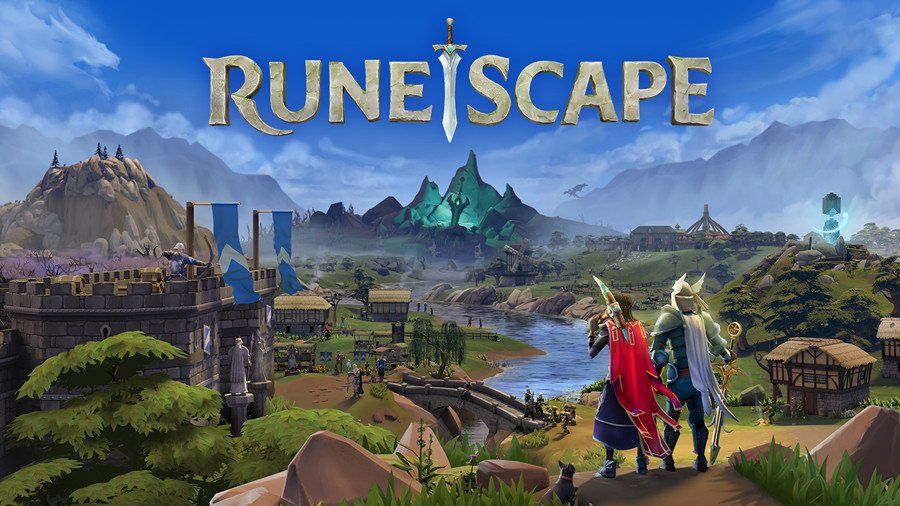

Jagex says RuneScape players removed over 1.56 billion microtransaction items through the Well of Restoration, generating 165 billion gold as part of its Road to Restoration economy reset.
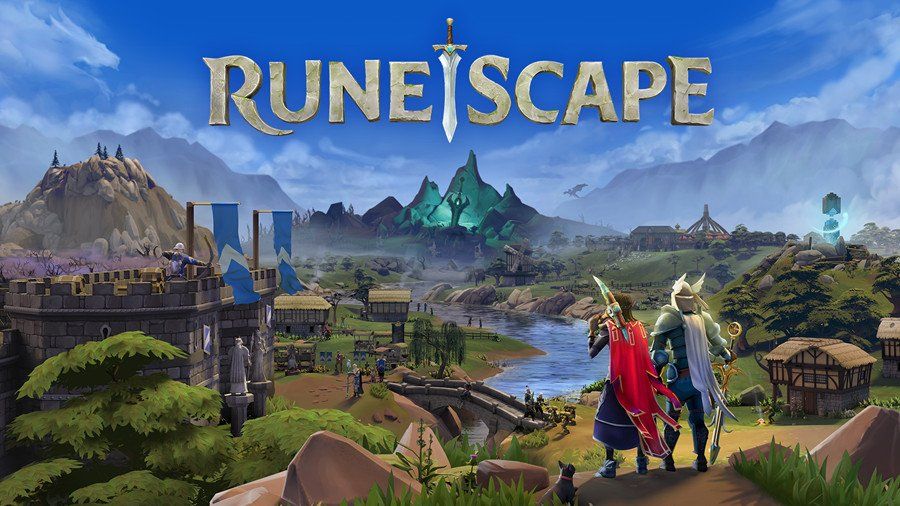
Image: spielemagazin.de
A billion-item purge leaves RuneScape with a cleaner, stranger economy
Jagex says RuneScape players removed more than 1.56 billion digital items bought through microtransactions during the Well of Restoration, a week-long event that ran from November 16 and has now ended. According to the company’s press release, thousands of players threw eligible items and currencies into the well in exchange for in-game gold, generating more than 165 billion gold pieces in total.
That is the strongest concrete result from RuneScape’s latest Road to Restoration step: a massive stockpile of premium-era items has been deleted from the live game, while a large amount of currency has been paid back to players. The tension is built into that exchange. Jagex has reduced the presence of microtransaction-linked items, a major trust issue for RuneScape’s community, but it has done so by converting some of that stored account value into gold, the game’s most liquid economic resource.
The event’s closure also means the cleanup is no longer voluntary for every eligible item. Jagex says any remaining items due for removal have been automatically converted into gold pieces at a quarter of their value. MMO Bomb and MMOHuts both reported the same post-event rule, which matters for returning players who missed the well itself: if an eligible item was still sitting on an account when the event concluded, it did not survive at full exchange value.
What the Well of Restoration actually removed
The Well of Restoration was not a vague symbolic event. Its function was mechanical and direct: eligible items and currencies tied to microtransactions could be surrendered for gold. Jagex’s release describes them as digital items bought through microtransactions, while Inven Global, citing the release, says the event was open to both free-to-play and member players.
PCGamesN reported that the eligible list covered a wide range of store-bought items, from lower-cost Protean and Unstable items to higher-value boxes such as the 200k Box of Deathtouched Darts and the 100k Box of Superior Knowledge Bombs. That range is important because the headline total of 1.56 billion RuneScape microtransactions removed does not mean every deleted item carried the same weight in progression or market value. The count mixes many categories of account-bound or premium-origin resources that accumulated under older monetization systems.
Using Jagex’s two public totals, the event generated a little over 105 gold per removed item on average, though that figure should be treated only as a broad arithmetic snapshot. PCGamesN’s examples show why the average cannot describe the experience of any one player. A stack of low-value consumables and a high-value box both contribute to the overall cleanup, but they do not represent the same progression shortcut, sunk cost, or account planning decision.
The 1.56 billion number is about trust as much as scale
RuneScape’s economy has always been a long-memory system. Items, currencies, boosts, skilling resources, and player expectations can persist for years, and old design choices continue to shape how fair the game feels long after the promotion that created them has disappeared. That is why the 1.56 billion figure lands differently from a normal limited-time event statistic.
Jagex is presenting the Well of Restoration as part of RuneScape’s 2026 Road to Restoration strategy, which the company says has already included the removal of the Treasure Hunter mechanic earlier in the year. Treasure Hunter is the larger context here. PCGamesN describes it as a paid system that allowed players to win daily prizes, and several reports frame its removal as part of Jagex’s effort to cut back monetization mechanics that players considered harmful to fair play.
The item purge matters because it addresses the residue left behind after a monetization change. Removing a system stops new supply, but it does not automatically deal with items already sitting in banks. The Well of Restoration targeted that afterimage. By letting players convert eligible stockpiles into gold, then automatically converting remaining marked items at a reduced rate after the event, Jagex moved from policy reversal into economic cleanup.
That does not settle every question about fairness. Gold entering the economy is still gold, and 165 billion pieces is a visible injection even in a mature MMORPG. The difference is that gold is part of RuneScape’s ordinary economic language, while premium-origin boosts and consumables carry the baggage of how they entered the game. Jagex appears to be betting that players will view a transparent conversion and deletion process as cleaner than leaving old microtransaction inventory in place.
Jagex is turning a cleanup event into a public reset campaign
The company’s own language makes clear that this event is also reputational work. In its press release, Jagex says RuneScape is entering its 25th year in 2026 with a “renewed commitment to integrity and fair play,” including the reduction of monetisation mechanics. That framing is doing a lot of work. The Well of Restoration is not being sold only as a bank tidy-up, but as evidence that Jagex is willing to unwind systems that damaged confidence in the live game.
There is a practical business reason to make that argument now. The same Jagex material points to a broader RuneScape ecosystem, including RuneScape: Dragonwilds in 2026, and says the franchise has welcomed over 300 million player accounts. PCGamesN also reports that December brings RuneScape’s Remastered Journey, touching gameplay and graphics, alongside an Adventurer’s Guide and a ten-day free trial period from December 2 to December 12 with access to current members’ worlds.
Taken together, these moves point toward a return pitch: old players should reconsider RuneScape, new players should find the onboarding less hostile, and the economy should feel less shaped by aggressive legacy MTX. The Well of Restoration gives Jagex a large, legible number to attach to that pitch. “Over 1.56 billion items removed” is easier to understand than a design manifesto, and it gives the studio a concrete marker to cite when discussing Jagex microtransactions and their reduction.
The gold payout is the part players should watch next
For economy-minded players, the unanswered question is not whether the Well of Restoration ended. Jagex and multiple outlets have confirmed that it has. The more interesting question is how the 165 billion gold pieces generated by the event move through the game after the initial conversion.
A payout of that size can behave in different ways depending on where it lands. If much of it went to dormant or casual accounts, the effect may be slow and diffuse. If a meaningful portion went to active traders, skillers, or high-engagement players, it could become purchasing power sooner. The sources provided do not include market data, item price movement, or Jagex commentary on inflation effects, so any firm claim about price impact would be premature.
What is confirmed is the conversion structure. Players who participated during the week could exchange eligible items through the well. Players who did not participate saw remaining marked items automatically converted at a quarter of their value after the event. That creates a clear distinction between active engagement and passive cleanup. In progression terms, the event rewarded players who logged in, checked their holdings, and made choices before the deadline.
Jagex has also signaled that the public accounting is not finished. MMOHuts reported that Jagex says more data is coming in the December Month Ahead video, including a fuller breakdown of how many MTX items went through the Well, with that video due in early December. Until then, the headline figures are confirmed, while the distribution of item types, player behavior, and economic aftershocks remain open questions.
Availability, timing, and what returning players can still do
The RuneScape event end has already passed, so players cannot now use the Well of Restoration in the same way participants did during the event week. If you had qualifying items marked for removal and did not exchange them manually, the reported post-event outcome is automatic conversion into gold at a quarter of their value. That is the key practical consequence for lapsed players checking their banks after the cleanup.
RuneScape remains available on PC, Steam, iOS, and Android. Jagex’s press release says the game supports cross-platform progression and play across PC and mobile, and Inven Global repeats the same platform availability while linking the Steam, App Store, and Google Play listings. For players considering a return around the Road to Restoration push, that means account continuity across desktop and mobile remains part of the official offering.
The timing is also deliberate. PCGamesN reports that the Remastered Journey and Adventurer’s Guide arrive in December, alongside the December 2 to December 12 free trial period for access to current members’ worlds. Those features sit next to the MTX cleanup as part of the same broader invitation: RuneScape wants to look easier to enter, fairer to progress through, and less burdened by old monetization baggage.
The strongest advice is to separate confirmed cleanup from expected improvement. Confirmed: more than 1.56 billion eligible microtransaction items were removed, more than 165 billion gold pieces were generated, Treasure Hunter has been removed as part of the same Road to Restoration, and remaining marked items were converted after the event at a reduced value. Still unproven: whether this will materially stabilize player trust, how the gold injection will affect prices, and whether December’s fuller breakdown will show the kind of item-level transparency economy players need.