
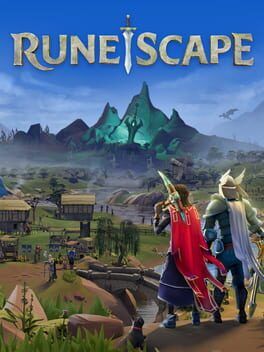
Across 25 years, RuneScape has reinvented its design, business model, and even its own nostalgia to build a $4 billion franchise that is still growing. Here is how Jagex kept Gielinor relevant for a quarter century and where the studio wants to take RuneScape next.
In 2001, RuneScape launched as a scrappy Java fantasy MMO you could run in a school computer lab. In 2026, UK trade body UKIE and Jagex are celebrating a startling milestone: across RuneScape and Old School RuneScape, the franchise has now generated more than $3–4 billion in lifetime revenue and is marking roughly 25 years since its earliest incarnation.
Unlike many early 2000s MMOs that either ossified or vanished, RuneScape survived by repeatedly rewriting its own rules. Its journey from free browser curiosity to billion‑dollar live service reads like a history of MMO monetization, with design pivots that both chased and occasionally resisted industry trends.
From free browser oddity to subscription MMO
RuneScape’s original formula looked nothing like today’s Gielinor. It was free to play in the purest sense: launch a browser, log in, and you were adventuring in minutes. The frictionless access helped the game spread virally through word of mouth, school networks, and low‑spec PCs that could not dream of running EverQuest or later World of Warcraft.
The first major business inflection point was the introduction of membership. Jagex carved out a paid tier offering more quests, skills, and areas rather than locking basic functionality behind a wall. That shaped player expectations early: RuneScape’s economy of time and content sat above all else. You could play for free, but the real depth lived on the member side.
For years, that simple subscription‑plus‑free‑tier model anchored the game. Content cadence did the heavy lifting in retention. The lesson Jagex absorbed early is one it still talks about today: in a sandbox MMO, long‑term revenue is a function of how often you can give players new goals, not just how efficiently you can monetize the ones they already have.
The HD era and the risk of reinventing the core
As the wider MMO market moved toward sleeker 3D worlds, RuneScape gradually transitioned away from its coarse Java look. Major graphical overhauls, interface redesigns, and engine rewrites were not just tech upgrades. They were bets that an aging player base would tolerate their nostalgia being repainted in exchange for longevity.
Every big tech step carried a revenue logic. Stronger visuals and a more modern client supported higher average spend per user, justified premium tiers, and let Jagex target platforms beyond the PC browser. At the same time, RuneScape learned the downside of touching sacred cows. When interfaces changed too abruptly or content flow was disrupted, churn spikes usually followed.
The studio’s approach slowly coalesced into a pattern that still defines its updates: push modernization in layers and frame each disruptive change around long‑term payoff for the character you have built over years.
Microtransactions arrive: Solomon’s Store and Treasure Hunter
By the early 2010s, almost every major online title was experimenting with some flavor of microtransactions. RuneScape was no exception. Cosmetic shops and optional boosts slid into the game on top of existing subscriptions, testing how elastic player tolerance really was.
Solomon’s General Store leaned into cosmetics. It offered outfits, animations, and vanity items that tapped into the identity‑focused culture RuneScape had fostered. On paper, this was the least risky microtransaction entry point. In practice, each limited‑time sale or bundle taught Jagex how far it could lean on FOMO before community trust wobbled.
Treasure Hunter, a key part of RuneScape’s monetization to this day, went further. It blended daily keys, loot box style rewards, and progression convenience into a system that could directly influence character growth. For Jagex, Treasure Hunter became a highly lucrative revenue pillar layered on top of membership.
Financially, it worked. As reported around the $3–4 billion milestone, Jagex has spent the last decade turning RuneScape into a textbook live service business. The game steadily climbed into the ranks of Western MMOs generating hundreds of millions in cumulative in‑game spend.
The reputational cost was more complicated. Over time, players accused Jagex of drifting from its “integrity first” roots toward a more aggressive free‑to‑pay model. That tension between short‑term monetization spikes and long‑term trust still informs how the studio talks about future changes.
Old School RuneScape and the monetization of nostalgia
One of the most important decisions in RuneScape’s history had very little to do with loot tables or price points. In 2013, Jagex launched Old School RuneScape based on a 2007 code snapshot. What began as a fan‑driven preservation effort became, over time, a second major revenue stream and a design counterweight to the main game.
Old School clarified just how valuable RuneScape’s history actually was. Players were not just paying for content, they were paying for a specific feel and friction profile. Old School’s slower pacing, harsher tradeoffs, and unforgiving quests became a feature rather than a bug. It attracted lapsed veterans and younger players looking for a more deliberate MMO.
Jagex leaned into this by giving Old School its own roadmaps, polls, and updates. In monetization terms, Old School carried subscriptions, bonds, and carefully limited cosmetic options. It proved that reverence for a legacy ruleset could coexist with a modern live service economy, as long as changes were heavily telegraphed and often community‑voted.
From a business perspective, the split version strategy let RuneScape diversify its risk. If an experimental system upset one audience, the other branch could still anchor the franchise. That redundancy is part of why the series could ride out controversial updates yet still report billions in cumulative revenue.
Bonds, player‑driven economies, and fighting secondary markets
Another pivotal experiment was the introduction of Bonds, RuneScape’s tradeable premium currency token. Inspired by PLEX in EVE Online and similar systems elsewhere, Bonds allowed players with disposable income to buy game time or premium currency that could be sold for in‑game gold.
For Jagex, Bonds addressed three issues at once. They helped fight illicit gold selling by pulling value back into the official ecosystem, they allowed time‑rich players to effectively play for “free” by grinding gold, and they opened a new monetization track that sat comfortably beside memberships.
The move reinforced the centrality of RuneScape’s economy to its business model. Players were not just buying items or cosmetics. They were participating in a layered value exchange where real‑world money, game time, and in‑game wealth constantly flowed between cohorts. That complexity became part of the retention loop and another reason why the franchise could weather broader market shifts.
Cross‑platform expansion and mobile as a second life
The launch of RuneScape and Old School RuneScape on mobile devices was less about quick new installs and more about deepening the lifetime value of existing fans. MMOs demand time, and time is the scarcest resource in modern gaming. By letting players log in from a phone on commutes, breaks, or couch sessions, Jagex effectively increased the number of potential play sessions per day without asking anyone to be at a desk.
Key account sync and full cross‑progression made mobile an extension of the main account, not a side product. That choice matters in monetization terms. Every additional session is another moment a player might complete a task, hit a milestone, or consider a purchase. As the franchise marched toward multi‑billion lifetime revenue territory, mobile acted as both a retention tool and a soft acquisition funnel.
Critically, RuneScape did not pivot to a pure free‑to‑play mobile gacha model. Instead, it ported its existing subscription plus optional microtransaction economy onto phones, trusting that the depth and social bonds of Gielinor would carry the business.
Navigating controversy and the limits of monetization
Sustaining a game for decades means running into periods where business objectives and community sentiment pull in opposite directions. RuneScape has had its share of these flashpoints, from bot crackdowns and PvP wilderness changes to microtransaction expansions.
More recently, the lead‑up to the $3–4 billion revenue announcement was marked by cost cutting, including layoffs that Jagex framed as operational restructuring, and by internal criticism over how the studio handled cultural events like Pride. Those decisions underscore how intertwined brand perception and monetization have become for long‑running live services.
When a studio talks publicly about “protecting the game’s future,” it is often talking as much about revenue stability as about design philosophy. For RuneScape, the lesson of the past decade seems clear. Aggressive monetization can accelerate short‑term earnings, but the franchise’s true moat is the trust of players willing to pay and stay for five, ten, or even twenty years.
Jagex’s current strategy: RuneScape as a multi‑product franchise
Hitting the $3–4 billion milestone coincides with another major pivot. Jagex is increasingly treating RuneScape not as a single MMO, but as a franchise spanning multiple games and experiences.
Old School RuneScape is the most obvious second pillar. It continues to run its own seasonal events, polls, and high‑stakes content drops. Its audience often spends differently from the main game, favoring membership and bonds over cosmetic splurges, but contributes meaningfully to the overall total.
Jagex has also been experimenting with new entries in the universe, such as RuneScape: Dragonwilds and other projects aimed at translating Gielinor’s lore, characters, and progression hooks into different formats. Each of these has its own monetization design, tuned to its platform and target audience, but they share a backstop: the strength of the RuneScape name and its association with a particular kind of grind‑friendly, social RPG.
In parallel, the company has grown into a broader live service specialist, supporting external projects and publishing deals. RuneScape’s success funds that strategy, and the know‑how gained from decades of tweaking its economy can flow into new titles that might one day stand beside Gielinor in Jagex’s portfolio.
Where RuneScape goes next
Looking ahead, several themes emerge from how Jagex talks about its 25th anniversary and multi‑billion revenue milestone.
First, the studio is invested in deepening RuneScape as a living service rather than chasing one‑off sequels. Expect more system rebuilds, engine improvements, and quality‑of‑life changes aimed at reducing friction without flattening the identity that keeps long‑term players attached.
Second, cross‑platform presence will continue to expand. Mobile established that RuneScape’s core loop translates well to smaller screens. Future moves onto new devices or storefronts are less about headline concurrency and more about being wherever an existing player wants to log in.
Third, Jagex appears to be treating monetization reform as a slow, careful process rather than a sudden reset. Player pressure around loot box‑style systems like Treasure Hunter has grown across the industry, and regulatory scrutiny has followed. Over time, RuneScape is likely to shift further toward cosmetics, battle pass‑like structures, and account‑wide value offerings that feel less predatory while still supporting high‑spend cohorts.
Finally, the company is leaning harder into franchise thinking. Side games, transmedia experiments, and events like RS25 frame RuneScape as a cultural artifact as much as a product. That matters when your key selling point is that someone can invest years into a character and reasonably expect the world to still be there.
A 25‑year case study in live service endurance
The story of RuneScape’s path to $3–4 billion in lifetime revenue is not one of explosive breakout hits or flashy launches. It is a story of compounding small wins: new skills, new quests, new bosses, new platforms, and new monetization experiments that, taken together, kept people logging in.
From browser‑based free‑to‑play curiosity, to subscription MMO, to cross‑platform live service with two parallel rulesets and a family of spin‑offs, RuneScape has quietly become one of the most sturdy franchises in online gaming. As it enters its second quarter century, the biggest challenge for Jagex is not how to squeeze more revenue from its world, but how to spend the trust that revenue represents without exhausting it.
If the past 25 years are any indication, the next billion dollars will be earned not by reinventing RuneScape from scratch, but by finding yet another way to let players keep living in the world they already call home.