
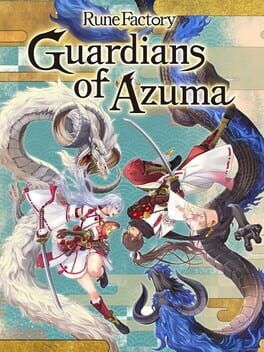

An early systems-focused preview of Rune Factory: Guardians of Azuma, digging into its new Japanese-inspired setting, combat tweaks, life-sim layers, and how rebuilding villages and reviving gods reshape the classic formula.
A New Kind of Frontier in Azuma
Rune Factory: Guardians of Azuma is the series’ first full step into a distinctly Japanese-inspired setting, and that decision sits at the center of almost every system it is showing on its store pages and official site. Azuma is pitched as an “eastern land” bound to sacred gods and threatened by a creeping corruption known as the Blight. Instead of simply inheriting a sleepy farm on the edge of town, you arrive as an Earth Dancer charged with purifying the land, rebuilding villages, and literally bringing gods back to life.
That focus gives Guardians of Azuma a clearer fantasy premise than recent entries. The Blight is not just backstory, it is the spine of exploration and progression. Corrupted land, hostile creatures, and even fallen gods are meant to be problems you solve with a mix of combat, life-sim play, and longer term town-building, which already separates it from the more relaxed, “do what you like” framing of past Rune Factory games.
Earth Dancer Combat and Sacred Treasures
Combat in Guardians of Azuma is still action RPG at its core, but the Earth Dancer role hints at a more expressive, ability-driven kit than the series usually starts with. Official descriptions emphasize dance-like movements and the use of “sacred treasures,” suggesting your basic attacks and special skills are tied more tightly to the game’s spiritual theme rather than just the weapon you hold.
Traditional weapons make a return, but Marvelous is already highlighting bows and talismans alongside the usual close-range tools. That implies more viable ranged or hybrid playstyles out of the gate compared to older Rune Factory titles that favored melee-first builds. The Blight also reframes what combat is for. Instead of enemies functioning only as EXP and crafting parts, they are manifestations of the corruption you are trying to cleanse. The language on the PlayStation store leans toward purifying and restoring rather than simple extermination, which may translate into mechanics that reward cleansing an area or saving a Blighted target over just knocking it out.
Allies remain an important piece of the combat loop. Romance candidates and friends are explicitly recruitable party members, and with fully voiced scenes framing their stories, it sounds like the team wants party composition and relationship progress to feel more tightly linked. Expect the usual mix of partner AI, signature skills, and team attacks, but now anchored to a world where each character’s bond to Azuma’s gods and villages actually matters to the broader fight against the Blight.
From Simple Farm to Scattered Settlements
Where Guardians of Azuma looks to diverge most from classic Rune Factory is in how it treats your home and the world around it. Previously, you cultivated a single main farm and interacted with one primary town. Here, you are tasked with “rebuilding villages,” plural. Those scattered settlements are suffering under the Blight, and your role is closer to a roaming restorer who brings them back to life piece by piece.
That shift away from a single central town has big implications for structure. Instead of returning to the same plaza every morning, you will likely be hopping between distinct hubs, each with its own layout, facilities, and residents. The store page and official site emphasize constructing and placing buildings yourself, not just upgrading existing shops. That moves Rune Factory a step toward light town-building where layout choices and which facilities you unlock first could subtly change how your day-to-day life plays out.
Your farming itself seems woven into this wider rebuilding effort. Tilling fields and raising crops is still core Rune Factory, but planting in a restored village, feeding a revived god, or securing food for returning villagers gives farming a more narrative purpose. Instead of farming purely for gold, crafting, and gifts, you are farming to bring an area back from the brink, which may gate story progress and new dungeons behind the health of the land in a way previous entries only lightly flirted with.
Life-Sim Layers and Village Life
Despite the more urgent premise, Rune Factory’s life-sim heart is very much intact. Guardians of Azuma keeps the familiar daily rhythm of tending fields, chatting with neighbors, and heading out for adventure, but transplants it into a series of culturally distinct settlements. Azuma’s villages lean into traditional Japanese motifs, with seasonal festivals, shrines, and architecture that match the region’s associated gods.
This cultural emphasis should help routine activities feel fresher for long-time fans. Festivals themed around local deities, rituals to aid the gods you have revived, and seasonal events rooted in Azuma’s traditions all suggest a calendar that is tied less to generic harvest celebrations and more to the land’s specific stories. Structurally, that also gives Marvelous reasons to spread major events across multiple villages instead of stacking everything into one town’s square.
Romance and friendship systems remain recognizable. You choose a male or female protagonist and pursue relationships with fully voiced candidates. As in past games, giving gifts, attending events, and fighting side by side deepen your bonds. The notable twist is how directly those bonds feed back into village restoration. As you attract residents to rebuilt settlements and strengthen ties with them, they in turn help run facilities, offer services, and join you on expeditions, making social progress a practical part of unlocking what each village can offer.
Reviving Gods and Reshaping Progression
If village rebuilding is the ground-level change, reviving Azuma’s gods is the high-level structure that sits above it. Guardians of Azuma presents these deities as both characters and mechanics. Blight has weakened or corrupted them, and your efforts in combat, farming, and town-building work toward restoring their strength.
From a systems perspective, gods are effectively your big progression levers. Reawakening a deity is described as unlocking new resources and benefits for the surrounding land. That might mean new types of crops that only grow once a certain god is back, new dungeons opening in once-corrupted regions, or boons that shift how you approach daily routines. It is a more concrete, lore-friendly way of gating progression than the usual “reach X story chapter” triggers.
This structure also feeds back into exploration. Instead of a purely linear march through dungeons tied to a single town’s outskirts, you are chasing down the roots of the Blight across Azuma, piecing villages back together and coaxing gods back to life in the order you can handle. That could give Guardians of Azuma a looser, more regional feel where you decide which settlement to focus on and which deity to prioritize, with your choices changing the pace and flavor of your run.
How It Compares to Classic Rune Factory
On the surface, Guardians of Azuma still wears the series identity clearly. You have a fantasy protagonist with a mysterious power, real-time combat, seasons, farming, crafting, and lighthearted romance in a charming setting. The advertised changes are not about abandoning that loop, but about tightening the connections between all of its pieces.
Instead of a single central town, you get multiple villages that you physically rebuild. Instead of a vague natural energy guiding your hero, you take up the defined mantle of Earth Dancer, with sacred treasures and dance-styled abilities shaping your combat identity. Instead of gods existing mostly as background lore, their recovery is a tangible system that affects your fields, facilities, and dungeon routes.
For returning fans, that means Guardians of Azuma is positioning itself as familiar but more purposeful. Farming carries story weight, social links fuel your practical growth, combat serves the broader work of cleansing the Blight, and the map is dotted with settlements that grow visibly as you commit time to them. For new players, the Japanese-flavored setting and clearer fantasy hook might make it easier to understand why you are juggling crops, dates, and dungeon dives in the first place.
With months still to go before launch, there are plenty of unanswered questions about depth, balance, and how flexible the day-to-day schedule will truly be. But based on the store and official site material, Rune Factory: Guardians of Azuma is using its new setting as an excuse to prune back some of the series’ looseness and grow a more connected, cohesive take on the farming action RPG formula.