
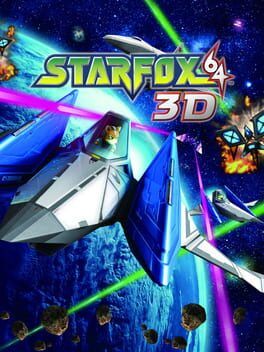

An unconfirmed report says Nintendo is prepping an all-new but classic-style Star Fox for Switch 2. Here’s what the rumor actually claims, why the series’ return would matter in 2026, and what a modern on-rails space shooter would need to succeed.
Nintendo’s most famous fox may be preparing for a comeback, if a new round of reports is accurate. Multiple outlets have amplified a claim from leaker Natethehate, backed by Video Games Chronicle’s own sources, that Nintendo is lining up an all-new Star Fox for Switch 2 in 2026.
It is crucial to stress that nothing has been announced. This is a single report, corroborated by unnamed sources, but still a rumor. Until Nintendo says otherwise, Star Fox’s return should be treated as potential, not promised.
What the current Star Fox report actually claims
According to the coverage from VGC, Eurogamer and Nintendo Life, the rumored project is described as a new but “classic” Star Fox for Nintendo’s next hardware. The broad outline is consistent across the reports.
The game is said to be targeting Switch 2, not the current Switch, as part of Nintendo’s 2026 software slate. The report suggests an April reveal window, followed by a summer release. Alongside the Star Fox project, the same rumor points to a major remake of The Legend of Zelda: Ocarina of Time for the back half of the year and claims there will be no new 3D Mario in 2026, with that series instead shifting to 2027.
Within that context, Star Fox is framed as one of the tentpole titles intended to help define the early life of Switch 2. The description of the game as an “all-new but classic” revival implies a return to the on-rails, mission-based format most closely associated with Star Fox 64, rather than another experimental take like Star Fox Zero. Online elements are mentioned in the reporting, with talk of some form of multiplayer, but the core is allegedly a traditional space shooter rather than a radical reinvention.
Again, these details remain unconfirmed and could change even if the project exists. Hardware timing, internal priorities and broader portfolio strategy can all shift over the next year.
Why a Star Fox revival matters in 2026, not just for nostalgia
Star Fox has been absent from the front line of Nintendo’s portfolio for nearly a decade. The most recent major entry, Star Fox Zero on Wii U, struggled with hardware-driven control ideas and never found a broad audience. Since then the brand has existed mostly through ports and cameos.
Bringing it back now, as part of Switch 2’s early lineup, would have implications beyond fan service.
First, it would signal Nintendo’s willingness to diversify the genres that define its new hardware. Switch thrived on a foundation of platformers, RPGs and open-world adventures. A high-budget, arcade-style space shooter would add a very different flavor to the launch window, something closer to the pick-up-and-play immediacy that shaped Nintendo’s N64 and GameCube eras.
Second, Star Fox is a relatively low-risk, high-upside candidate to show off new technology. The franchise is built around short missions that can be replayed quickly, heavily scripted set pieces and a fixed camera along rails for much of the experience. That structure is well suited to high-impact visual showcases with limited scope, perfect for demonstrating a new system’s rendering strengths without demanding an enormous open world or a sprawling RPG.
Third, the broader market context has shifted back toward shorter, more tightly designed action games. After years of massive live-service projects, there is fresh appetite for focused campaigns and score-chasing. A well executed Star Fox could occupy the same niche as modern retro-inflected hits that emphasize replayability over bloat, while still benefiting from Nintendo’s brand reach.
Finally, from a portfolio planning perspective, a classic-style Star Fox gives Nintendo something it currently lacks on the calendar: a recognizable but underused IP that can fill a key slot in a year where Zelda and 3D Mario are being spaced out for maximum impact.
What a modern “classic” Star Fox needs to get right
The wording around the rumor suggests Nintendo is looking back to Star Fox 64 for inspiration. That raises a specific design challenge: how to keep the structure and identity that made that game work, while delivering something that feels contemporary on a new flagship system.
In terms of structure, the clearest path is a branching campaign built around distinct, self-contained missions. Star Fox 64’s greatest strength was the way single levels invited endless replays to discover alternate routes, score targets and hidden objectives. A modern sequel could embrace that format with more dramatic route variations, mid-mission diversions and persistent progression that respects players’ time without turning the game into a full-scale service.
Mission variety would be critical. Classic on-rails sequences should remain the spine of the game, since that is what gives Star Fox its identity. Around that, Nintendo could sprinkle carefully limited all-range battles for boss encounters and set pieces that take advantage of Switch 2’s power. The key would be to avoid diluting the core with too many open segments or side activities that distract from the purity of the flight combat.
On the control side, the lesson from Star Fox Zero is clear. Any new entry will need a default scheme that feels immediately natural on a standard gamepad. Gyro aiming or more experimental camera options might work as optional enhancements, but the primary experience should be built around precise stick movement and responsive barrel rolls, not hardware gimmicks. At the same time, leveraging modern haptics and analog sensitivity could add nuance to flight without raising the barrier to entry.
Online features, hinted at in the reporting, present another opportunity. Traditional deathmatch dogfights are an obvious fit, but a smarter approach would be curated cooperative modes built around replayable missions, score challenges and rotating objectives. Short, session-friendly runs with online leaderboards would play directly to the series’ arcade roots, while season-based cosmetic rewards could extend engagement without conflicting with a primarily single-player design.
When a Star Fox for Switch 2 should realistically arrive
The rumor points to a summer 2026 window for this new Star Fox. On paper that timing makes sense: it sits far enough from a presumed Switch 2 launch to avoid crowding the platform’s debut, but close enough that the game can still benefit from early hardware momentum.
From a strategic perspective, a mid-year slot would let Nintendo spread its biggest brands across the calendar. If an Ocarina of Time remake is indeed reserved for late 2026, positioning Star Fox earlier gives the company a strong first-half anchor that is recognizable yet fresh, buying time before larger evergreen franchises take over the holiday window.
There are risks in that schedule. Summer releases often have less marketing oxygen than holiday blockbusters, and Star Fox is not on the same automatic-selling tier as Mario Kart or Animal Crossing. To succeed, it would need a clear identity in the lineup and messaging that stresses both approachability and depth. Tying it to Switch 2-specific features, such as new visual capabilities or system-level online infrastructure, would help justify its role as a marquee release.
Still, as an early demonstration of what Nintendo’s next console can do, a sharp, tightly edited space shooter could be exactly the kind of statement the company wants. It offers spectacle without the development overhead of a full open-world epic and leverages a legacy brand that still carries weight with long-time fans.
Until Nintendo speaks, Star Fox’s future remains hypothetical. But if the company really is preparing a “classic” revival for Switch 2, the opportunity is clear. Deliver a focused, replayable campaign built on intuitive controls, layer in smart online features and time the release to give the new hardware room to breathe, and Star Fox could finally reclaim a place among Nintendo’s front-line series rather than a nostalgic footnote.