
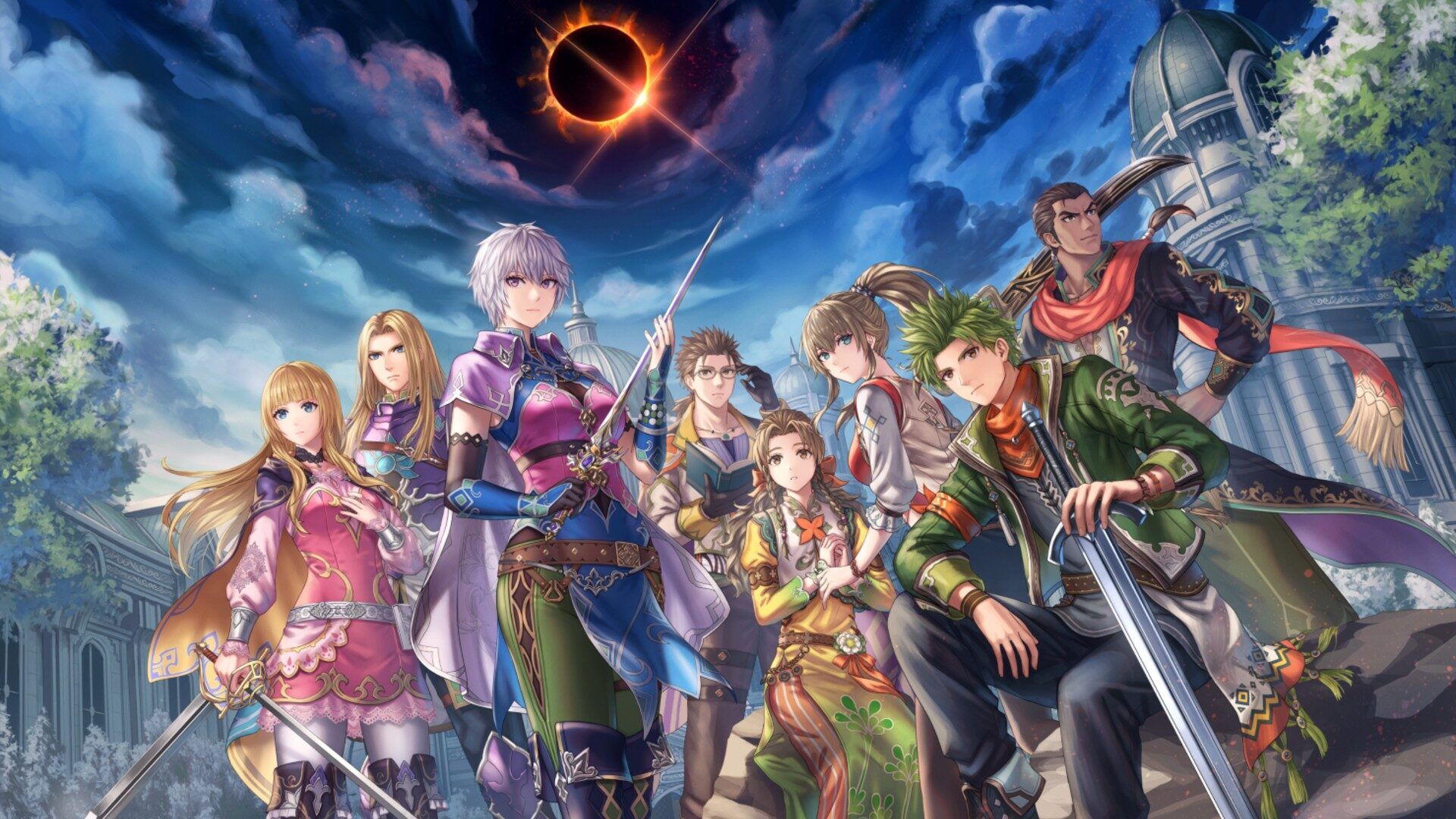
Square Enix has dated Romancing SaGa 3: Destinies United for February 16, 2027, bringing the 1995 RPG back as a full 3D remake on PS5, Switch 2, Xbox Series X|S, Switch, and PC.
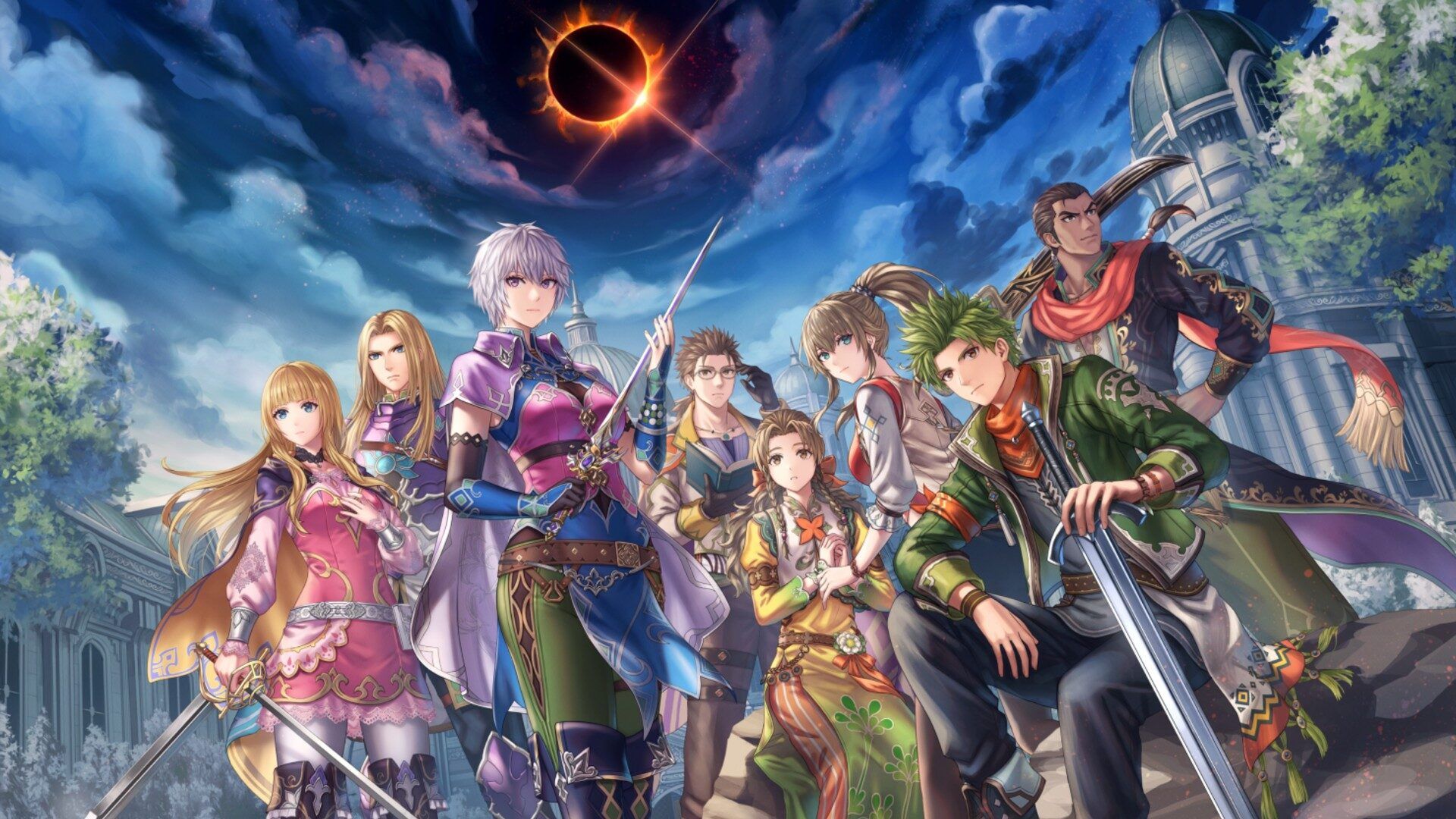
Image: cgmagonline.com
Square Enix dates the remake, then drops it into a packed window
Square Enix has announced Romancing SaGa 3: Destinies United, a full 3D remake of the 1995 Super Famicom RPG, and it already has a firm release date: February 16, 2027. The reveal came during the September 2026 Nintendo Direct, according to Siliconera, RPG Site, CGMagazine, Console Creatures, Inven Global, and MonsterVine.
The confirmed platforms are broad. RPG Site lists PlayStation 5, Xbox Series X|S, Nintendo Switch 2, Nintendo Switch, and PC via Steam. MonsterVine also notes Xbox on PC. Siliconera describes the release as coming to Switch, Switch 2, PS5, Xbox Series X, and PC, while several other outlets use the fuller Xbox Series X|S wording. For readers tracking the Romancing SaGa 3 PS5 release in particular, the date is where the good news gets complicated.
Push Square points out that the PS5 calendar around February 16 is crowded. Its listed schedule puts Romancing SaGa 3: Destinies United on the same day as God of War Laufey, two days before Persona 4 Revival, and within a few weeks of Fate/Extra Record, Metro 2039, Tomb Raider: Legacy of Atlantis, Fable, and Eternal Anima. That is not a Square Enix-only problem, but it matters for a Square Enix RPG with a cult reputation rather than a mainstream brand ceiling. The remake has a clear hook, a confirmed date, and a wide platform plan. It also has to fight for oxygen in one of the busiest RPG-adjacent stretches currently on the PS5 slate.
A remaster already exists, but Destinies United is a different proposition
This is the second modern return for Romancing SaGa 3. Siliconera notes that a remaster launched worldwide in November 2019 after the original game had first appeared on the Super Famicom in Japan. That earlier release brought the game to Switch, PS4, Vita, Xbox One, PC, and mobile devices, according to Siliconera. Destinies United is being positioned differently: sources consistently describe it as a full remake, not another preservation-focused port.
The confirmed upgrades are substantial. RPG Site, citing Square Enix’s description, says the remake brings 3D graphics, fully voiced cutscenes, combat and mechanical overhauls, selectable difficulty levels, and other new features. Inven Global describes all-new HD graphics, fully voiced cutscenes, and a newly arranged soundtrack. MonsterVine adds that the event scenes are voiced in English and Japanese, and that Kenji Ito’s music is part of the package. Siliconera reports that screenshots show a choice between the new and original soundtrack.
For a SaGa game, the shift to 3D is not only a visual renovation. Romancing SaGa 3 is built around optional paths, recruitable allies, party shaping, and event discovery. A fully voiced 3D structure can make character motivation and scene direction easier to read, especially for players who bounced off the older remaster’s opaque progression. The open question is how hard Square Enix leans into guidance. The sources confirm modern presentation and mechanical overhauls, but they do not detail map design, quest tracking, UI changes, or how much new writing has been added.
The same apocalypse cycle now has eight voiced points of entry
Square Enix’s story setup, quoted by RPG Site and CGMagazine, keeps the series’ strange mythic clock intact. Once every 300 years, the Rise of Morastrum eclipses the sun and destroys all newborn life, sparing one survivor known as the Child of Destiny. Six hundred years before the game, that survivor became the Archfiend and brought ruin. Three hundred years before the game, another became the Matriarch and pushed back the darkness. In the remake’s present, more than a decade after the latest Rise, the Archfiend’s Four Sinistrals have returned and are opening the Abyss Gates between the mortal realm and the Abyss.
The player chooses one of eight protagonists: Mikhail, Monika, Katarina, Khalid, Julian, Thomas, Sarah, or Ellen. Siliconera frames the cast through their identities, including Ellen, Julian, Katarina the knight, Khalid the mercenary, Mikhail the marquis, Princess Monika, Sarah, and Thomas. RPG Site’s Square Enix description says each protagonist begins the search for the Child of Destiny from a unique perspective.
That eight-protagonist structure is the core of the Romancing SaGa 3 remake’s identity. RPG Site contrasts it with Romancing SaGa 2, which followed a kingdom across generations, while Romancing SaGa 3 uses a Free Scenario System that lets players progress through main and side quests in flexible order. MonsterVine says players choose which lands to visit, which stories to follow, and when to confront each major threat. Push Square similarly emphasizes that decisions can affect available party members and the direction of the story.
The remake therefore faces a delicate adaptation problem. Fully voiced event scenes can sharpen the cast, especially for players choosing a protagonist based on personality rather than stat routing. At the same time, SaGa’s appeal often comes from discovering consequences without being pushed down a single authored route. The confirmed promise is that player choice remains central. Whether Destinies United preserves the older game’s sense of wandering into trouble is still something Square Enix has not fully shown.
Combat keeps SaGa’s build-first identity while adding modern access points
The systems Square Enix has confirmed are exactly the ones longtime SaGa players will look for first. RPG Site says players can recruit more than 20 additional characters, each with individual stats and abilities. It also says every character has seven base attributes that can be shaped by a Nonastrum, a star of fate assigned by the player that influences affinity with techs and spells. Siliconera also reports that Nonastrum selection affects abilities.
The battle layer retains the series’ reactive progression. Inven Global and RPG Site both describe the Glimmer system, where characters can learn new techniques during combat. RPG Site adds that characters can also learn to evade enemy attacks mid-encounter. Siliconera says mastered techniques can be taught to increase other characters’ movesets. Formations return as a strategic factor, and Siliconera says they determine possible perks and battle elements. United Attacks are also confirmed by Siliconera, Inven Global, and RPG Site as a way to increase damage or add another tactical layer.
Siliconera describes the battles as traditional, turn-based timeline battles. That wording suggests the remake is keeping SaGa’s planning-heavy cadence rather than pushing the series into action RPG territory. The more interesting confirmed change is difficulty. Siliconera reports that screenshots show Casual, Normal, and Classic, with Classic labeled as Hard. RPG Site also lists selectable difficulty levels among the remake’s new features.
For progression-minded players, that difficulty spread could matter as much as the 3D graphics. Romancing SaGa’s systems are often about building parties through use, recruiting around gaps, and living with decisions rather than grinding a single universal level curve. Casual and Normal may give new players room to learn Glimmer timing, formations, and character affinity without treating every route choice as a trap. Classic being labeled Hard signals that Square Enix knows part of the audience wants the old friction preserved, though the sources do not yet specify the exact rule differences between modes.
Price, editions, and platform details are partly clear, partly unresolved
Pre-orders are available now on all platforms, according to MonsterVine. Siliconera says standard physical and digital copies will be available alongside a Digital Deluxe version. RPG Site reports that the price is confirmed at $59.99 on all consoles, citing Wario64, and says the Switch 2 physical edition will be a Game-Key Card.
Those details answer some practical questions but leave several others open. The sources provided do not list the Digital Deluxe contents. They do not confirm PC system requirements, resolution or frame-rate targets, Switch versus Switch 2 technical differences, or any upgrade path between Nintendo versions. No outlet in the provided material reports platform-exclusive content.
For now, the cleanest buying guidance is simple. If you want a boxed copy, pay attention to the format, especially on Switch 2 because RPG Site reports a Game-Key Card for that physical version. If you already own the 2019 remaster, the case for buying again rests on confirmed remake features: 3D graphics, voiced scenes, overhauled combat and mechanics, selectable difficulty, and soundtrack options. If your concern is performance, wait for Square Enix to publish platform-specific details or for pre-release coverage that compares PS5, Xbox Series X|S, Switch 2, Switch, and PC.
Square Enix’s RPG calendar is busy even before February 2027
MonsterVine’s Nintendo Direct roundup shows how crowded Square Enix’s RPG messaging already is. Alongside Romancing SaGa 3: Destinies United, Square Enix used the presentation window to surface Crisis Core Final Fantasy VII Reunion on Nintendo Switch 2, a Dragon Quest Monsters: The Withered World demo ahead of that game’s December 3, 2026 launch, and Dragon Quest Heroes: Torneko’s Mystery Dungeon -Classic HD-. MonsterVine describes it as a packed showing, and CGMagazine frames Romancing SaGa 3 as another remake joining a busy start to Square Enix’s next year.
The remake’s February 16 date also places it in direct competition with larger general-audience releases on PS5, according to Push Square’s calendar. The harshest comparison for RPG players is Persona 4 Revival on February 18, two days later. Even if the audiences are not identical, both are remake-driven RPG propositions asking for time, money, and attention in the same week.
That creates a marketing challenge for Destinies United. Romancing SaGa 3 is a systems RPG with unusual structure, not a straightforward nostalgia pitch for everyone who remembers a global SNES release, since Siliconera notes the original was a Japan Super Famicom title and the worldwide modern exposure came through the 2019 remaster. Square Enix is giving it a premium remake treatment and a simultaneous multi-platform push. The risk is that the 2027 window forces a game built around experimentation and repeat playthroughs to make its argument quickly.
Who should keep this on the 2027 watchlist
Romancing SaGa 3: Destinies United is worth tracking if you like RPGs where party building, route choice, and character starts meaningfully shape the campaign. The confirmed Freeform Scenario System, eight protagonists, more than 20 recruits, Nonastrum-based character shaping, formations, Glimmer learning, evasion learning, and United Attacks all point to a remake that is keeping the original’s system-forward identity.
New players have better reasons to consider this version than the 2019 remaster if the older presentation felt too distant. English and Japanese voiced scenes, 3D graphics, difficulty options, and combat overhauls are confirmed. Returning players should watch for the unanswered details: how the remake handles quest readability, how Classic difficulty compares to the old game, how extensive the mechanical overhauls are, and whether the new 3D framing changes exploration flow.
The date is fixed, at least for now: February 16, 2027. The Romancing SaGa 3 2027 release will come to PS5, Xbox Series X|S, Nintendo Switch 2, Nintendo Switch, and PC. The reveal gives SaGa fans the remake many had reason to expect after Romancing SaGa 2: Revenge of the Seven, but the calendar around it is unforgiving. This is one to wishlist early, then revisit when Square Enix clarifies performance, edition contents, and how much guidance this rebuilt version adds to one of the series’ most open-ended RPGs.