
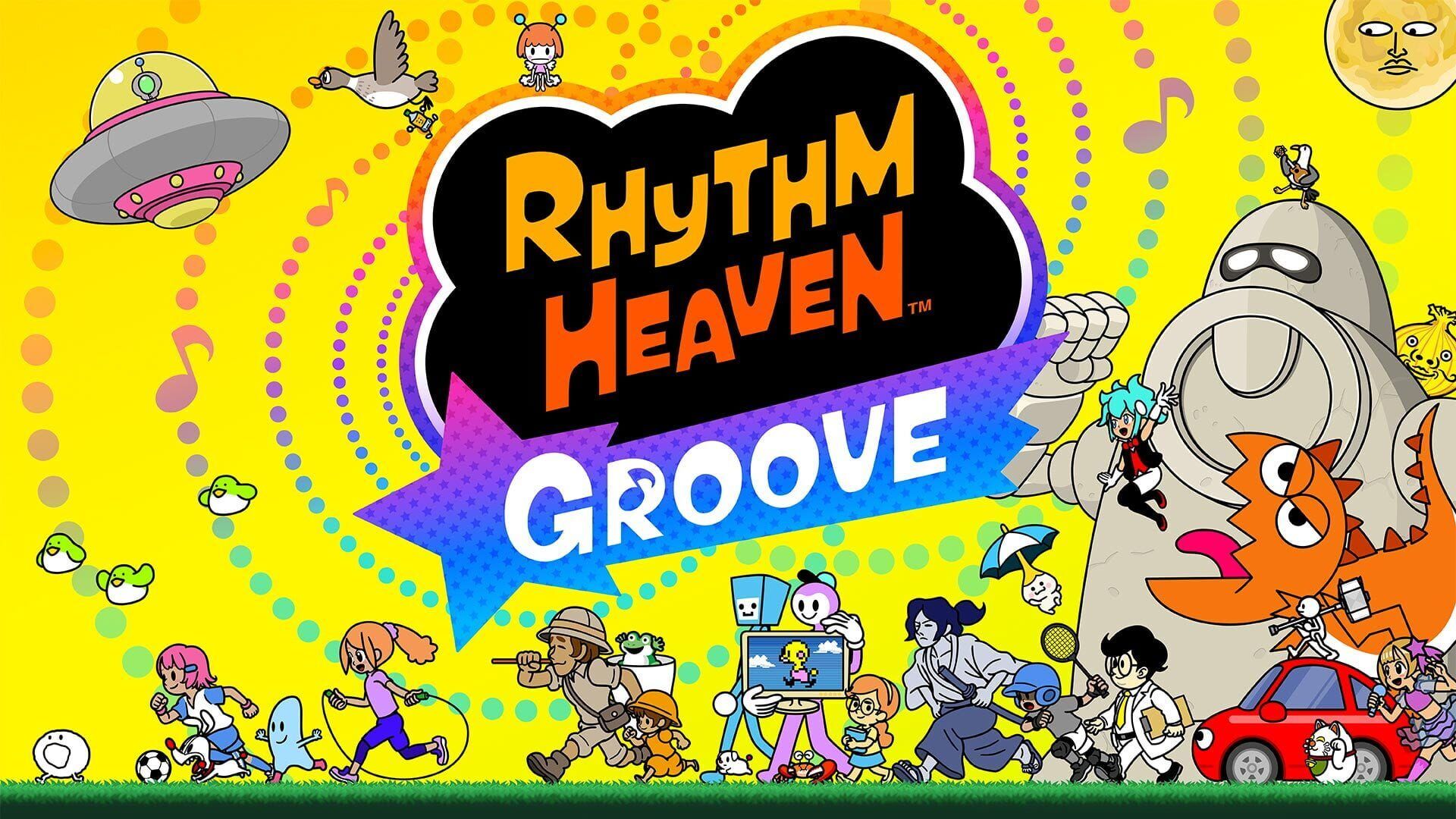

Hands-on impressions of the Rhythm Heaven Groove Starter Demo on Nintendo Switch, covering its new rhythm challenges, local multiplayer, accessibility options, and what this small sampler suggests about the full game.
Nintendo has finally opened the curtain on Rhythm Heaven Groove with a free Starter Demo on Nintendo Switch, and it wastes no time reminding you what makes this series special. Within minutes of booting it up, it is clear that Groove is not trying to reinvent Rhythm Heaven as much as it is polishing and expanding it, with sharper timing windows, friendlier onboarding, and a focus on playing together.
A compact sampler of new rhythm challenges
The Starter Demo is very small, but it is smartly chosen. It walks you through a bite-sized tutorial, then drops you into a handful of early rhythm games that highlight how Groove handles feel on the Switch.
The first thing that stands out is how tight the timing is. Even compared to Rhythm Heaven Fever on Wii, Groove is a little stricter than its colorful, toy-box art suggests. Early minigames in the demo look approachable, but the judgment line is not floppy. You can still get into a comfortable flow just by feeling the beat, but you quickly notice the game nudging you toward more precise inputs instead of letting you mash along.
Nintendo is leaning into button rhythm instead of motion controls here. That immediately makes the experience feel closer to the DS and GBA games than the Wii era. In handheld mode, tapping face buttons with the built-in HD rumble gives a clear, punchy feedback that fits the series’ snappy visual gags. Docked with a Pro Controller or paired Joy-Con, the timing feels nearly identical, which is encouraging for people who plan to play both solo and couch co-op.
Visually, the demo looks like a modern continuation of the Rhythm Heaven style rather than a dramatic reboot. Clean line art, flat colors and bold animations instantly read at a glance, which is crucial once the tempo rises. Animations telegraph beats well ahead of time, and the camera stays fixed and readable, so your eyes can focus on the action instead of reorienting.
Hoop Trundling shows off Groove’s baseline difficulty
One of the marquee single player stages in the demo is Hoop Trundling, which gives a good sense of the game’s baseline difficulty and teaching style. It puts you in control of a character rolling a hoop across a course, bouncing it in time with the music to clear simple but carefully arranged obstacles.
Hoop Trundling starts with clear call-and-response. Characters chant rhythms before you play them, and the game has you echo those patterns with simple taps. That throwback teaching rhythm will be familiar if you played the earlier games, but here it is paired with clearer on-screen prompts and more explicit verbal cues. Even if you have never touched Rhythm Heaven before, you have enough information to understand why you are missing notes.
As the stage goes on, Hoop Trundling begins to hide the beat under off-beat jumps and small syncopations. You cannot coast just by staring at the button prompts. You are pushed to internalize the groove and count between cues. Judging from this one stage, Groove seems comfortable being a little tougher than the average Nintendo party game, but not in a punishing way. There is a playful friction that should keep rhythm game veterans on their toes without shutting newcomers out.
Rhythm Tweezers hints at chaotic local multiplayer
The demo’s multiplayer focus is Rhythm Tweezers, a reinterpretation of one of the series’ most beloved absurd minigames. This time it is presented as a shared rhythm challenge instead of a solitary plucking session, and that tiny shift completely changes the mood.
With two players on a single Switch, each person is responsible for their own side of the screen. Hairs pop out on the beat, and both players have to pluck in time while staying in sync with one another. At first it is cooperative, with a shared goal of keeping the rhythm clean, but the real fun comes from how each of you adjusts to the other’s timing. If someone anticipates the beat a hair too early, you can feel the other player trying to drag the groove back in line.
The demo’s multiplayer setup is quick and painless. You can pass a Joy-Con sideways to a friend with almost no menu fuss, and the game makes it obvious who is controlling which side. Button inputs keep things consistent, and the stage is short enough that you can easily rematch again and again to chase a better rank.
While the demo only hints at what four player sessions will look like, it is easy to imagine Rhythm Tweezers and similar stages evolving into chaotic party staples. Rhythm Heaven has always been a good spectator series, and Groove’s clean visuals and punchy animations are perfectly suited to friends calling out beats from the couch.
Accessibility that actually meets players where they are
One of the biggest surprises in the Starter Demo is how up front Rhythm Heaven Groove is about accessibility features. From the opening menus you can enable text to speech, which reads out interface elements and instructions without burying the option in submenus. The series has always toyed with the idea of playing by ear, but Groove presents it as a proper accessibility mode instead of an informal self-imposed challenge.
Beyond text to speech, the tutorial mode is more considerate than in past entries. It pairs spoken rhythm cues with clear visual markers so players who struggle with either sight or sound can still find the beat. There are explicit reminders that missing notes is fine and that the game is about getting into the groove rather than producing a perfect chart.
The strict timing might concern some newcomers, but the demo shows that Groove’s solution is not to water down its mechanics. Instead, it gives players more feedback. Misses are explained more clearly, rhythms are broken down more slowly in training sections, and visual beat guides are generous without being distracting. There is a sense that Nintendo understands why people bounce off rhythm games and is trying to catch them before they do.
It will be interesting to see how far this extends in the full release. Judging from official info, Groove promises more than 80 rhythm games plus a new Beatspell mode with RPG-like structure. If the same accessibility options carry into that meta layer, it could be one of Nintendo’s most approachable music games without compromising difficulty for veterans.
How the demo feels to play on Switch
Out of the box, the demo ran smoothly on both an original Switch in handheld and docked to a TV, which is critical for a timing-heavy game. There were no noticeable latency issues using Joy-Con or a Pro Controller, and transitions into and out of stages were fast enough to keep you in the flow of quick retries.
HD rumble is used sparingly but effectively. It punctuates successful hits instead of buzzing constantly, which helps you subconsciously lock in the beat without cluttering your senses. Audio mix is crisp, with clear separation between the backing track and the sounds that represent your inputs.
The interface is also tuned for short sessions. From the demo menu, you can jump into your chosen stage in seconds, and ranking screens do not drag on. It feels built for that classic Rhythm Heaven pattern of playing a stage three or four times in a row before rotating to something else.
Expectations before launch
As a sampler, the Rhythm Heaven Groove Starter Demo is almost aggressively modest. There are only a few rhythm games on offer and no sign yet of Beatspell’s structure or any of the more elaborate late game remixes that veterans will be craving.
Even so, this small slice is reassuring. The timing feels tight, the hybrid button controls translate well to both handheld and docked play, and the early stages prove that Nintendo is still comfortable with the trademark mix of simple inputs and surprising difficulty. Local multiplayer already hints at loud living room sessions, especially if later stages add competitive twists or more chaotic four player patterns.
Most of all, the demo shows a studio that remembers what made Rhythm Heaven special, while finally giving more thought to accessibility. Text to speech, clearer feedback and kinder tutorials suggest Groove will be easier to pick up than past entries without losing its offbeat charm.
If anything, the biggest concern after playing the Starter Demo is not whether Rhythm Heaven Groove will be good, but whether Nintendo will let its strangest series be truly weird and demanding across all 80 plus rhythm games. Based on this early showing, the beat is in very good hands.