
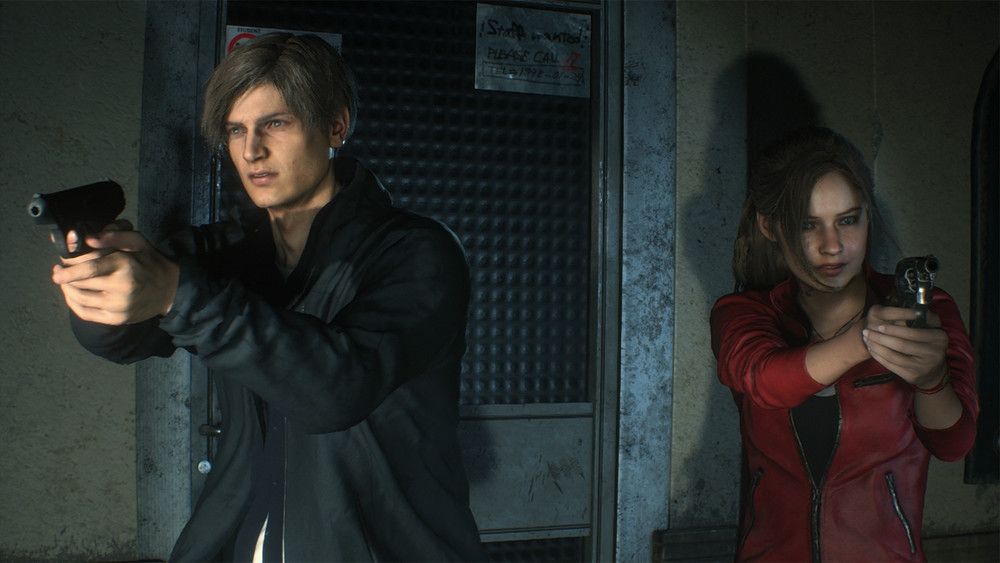

Zach Cregger’s Resident Evil film is sending horror fans back to Capcom’s remakes, but the reported PS5 sales spike is tangled with deep discounts and unofficial analytics.
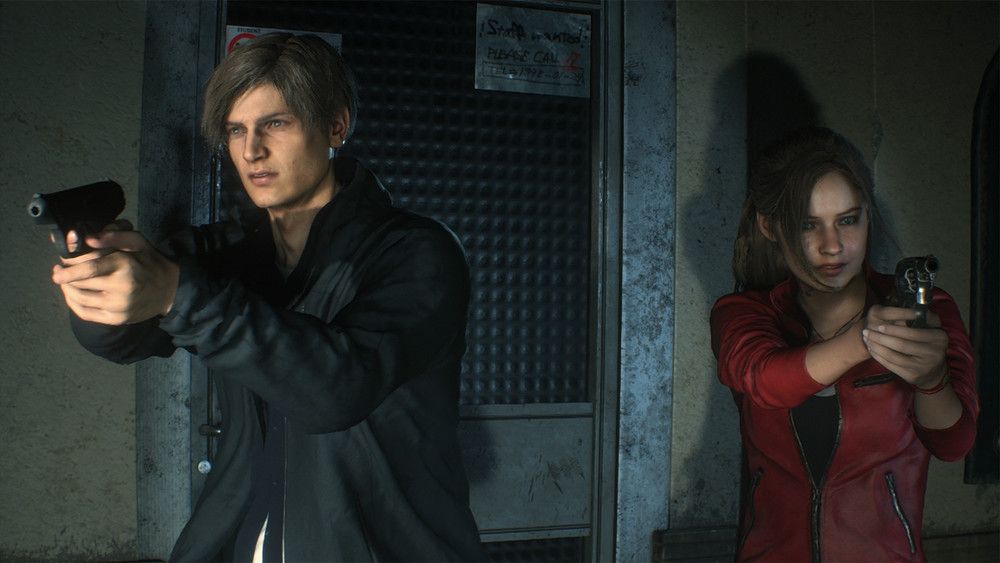
Image: news.instant-gaming.com
The movie surge is real, but the sales story has teeth
Zach Cregger’s new Resident Evil film has become a box office force, and multiple reports now point to a measurable aftershock in Capcom’s games, especially Resident Evil 2 Remake and Resident Evil 4 on PS5. The tension is that the clean version of the story, movie hits theaters, game sales rise, is only half the room. The other half is Capcom’s pricing strategy, which put several Resident Evil games on discount shortly before the film opened.
The clearest reported player spike belongs to Resident Evil 2. Push Square, citing Alinea Analytics, says daily active players for Resident Evil 2 rose 48% in the week after the movie’s release, climbing from about 78,000 to roughly 116,000. The same Alinea data, as reported by Push Square and IGN, puts Resident Evil 4’s player increase at 24%, while Resident Evil 3 Remake rose 25% over the prior week.
Those are the numbers horror publishers dream about because they suggest a film audience did not leave the theater and simply move on. Some viewers appear to have gone looking for the interactive version of the same pressure: narrow corridors, scarce ammunition, infected bodies that do not stay down, and that particular Resident Evil rhythm of dread interrupted by a locked door and a bad inventory decision.
Still, none of these figures comes from Capcom. Push Square notes that Alinea Analytics’ precise data sourcing has been questioned and says the information cannot be treated as fully reliable. GameSpot likewise frames the numbers as analyst data rather than official sales disclosure. That distinction matters. This is a reported Resident Evil movie game sales boost, not a Capcom-confirmed sales announcement.
Resident Evil 2 is the obvious winner because the film points players straight at Raccoon City
The reported boost is strongest around Resident Evil 2 Remake, and that tracks with how the film is being described. IGN, citing Alinea Analytics’ Rhys Elliot, says Resident Evil 2 Remake saw the biggest daily active user surge, up 48%, and notes that Cregger’s film takes place parallel to the events of that game. GameSpot quotes Elliot saying RE2 and RE4 have a mix of nostalgia, quality, and the exact Raccoon City setting the film uses.
That setting is not a small detail. For a viewer who walks out of the movie wanting to understand the nightmare beneath the emergency lights, Resident Evil 2 is the cleanest on-ramp. Leon and Claire’s remake remains one of Capcom’s sharpest modern horror machines, built around spatial memory, route planning, sound cues, and the constant pressure of deciding whether one more bullet is worth spending. If the movie plants the appetite, RE2 Remake gives players the station, the monsters, and the suffocating crawl through Raccoon City.
IGN reports that Alinea’s data showed Resident Evil 2 Remake PS5 sales rising 64% in the week after the film reached theaters. Yahoo’s syndication of IGN’s story repeats the same figure. Aroged also reports the 64% PS5 increase for Resident Evil 2 Remake and a 54% PS5 increase for Resident Evil 4 Remake. Those figures line up with the broader picture: the film’s most direct game companion appears to be RE2, and PlayStation seems to be where the sales movement was concentrated.
The player behavior also makes practical sense. Resident Evil 2 Remake is short enough to feel approachable after a film, famous enough to carry recognition, and hostile enough to satisfy horror fans who want tension rather than a pure action power trip. It is the easiest answer for the viewer asking which game best matches the movie’s Raccoon City pull.
Resident Evil 4 benefited too, but for a different kind of horror fan
Resident Evil 4’s numbers are also significant, though the appeal is different. IGN reports that Alinea’s data showed Resident Evil 4’s 2023 remake rising 54% in PS5 sales, while Push Square says the game enjoyed a 24% increase in players. GameSpot, again citing Elliot, says Resident Evil 4 jumped 77% on PS5 during the discount period, compared with a flat 0% on Steam.
RE4 is less of a direct movie follow-up than RE2, based on the source descriptions, but it is an obvious conversion point for viewers who want Resident Evil with more velocity. Its remake trades the police station’s suffocation for rural pursuit, crowd control, precision shots, and escalating set pieces. From a buyer’s perspective, that makes it the second logical purchase rather than a random catalog bump. RE2 scratches the Raccoon City itch. RE4 gives returning fans and curious newcomers a newer-feeling blockbuster horror game with Leon still in the frame.
That split helps explain why the film may have lifted more than one game at once. The movie’s success did not have to map perfectly to one title. A viewer might choose Resident Evil 2 because of setting, Resident Evil 4 because of reputation, or Resident Evil 3 because it sits in the same remake lane and was also pulled into the broader player increase. Aroged reports Resident Evil 3 Remake active users rose 25%, matching the figure also cited by Push Square.
The most useful reading is that the film reactivated a franchise mood. Once players open the store page and see multiple discounted remakes, the choice is no longer movie tie-in or nothing. It becomes which flavor of Resident Evil pressure they want first: RE2’s cramped survival puzzle, RE3’s chase-focused route through collapse, or RE4’s combat-heavy nightmare march.
Discounts did much of the heavy lifting, and the timing muddies the headline
The strongest caution comes from GameSpot’s report, which says the movie was not the main force behind the recent Resident Evil sales boost. According to GameSpot, Alinea analyst Rhys Elliot said Capcom discounted several Resident Evil games on September 10 and kept those discounts active after the movie launched on September 18. That puts the sale in place before the cinematic wave hit.
GameSpot reports that Resident Evil 2 nearly doubled on PS5 during the discount window while rising 16% on Steam, and that Resident Evil 4 rose 77% on PS5 while staying flat on Steam. Push Square similarly says Alinea claims Resident Evil 2 sales almost doubled on PS5 while the game was on sale, with Resident Evil 4 purchases up 77%.
That does not erase the film effect. It narrows it. GameSpot quotes Elliot saying RE2 and RE4 picked up another 50% to 65% in PS5 copies even after stripping out the discount. On Steam, Elliot described the same movie effect as milder, around 11% to 14%. Push Square also reports Alinea’s prediction that the movie impact produced an 11% sales increase for Resident Evil 2 and a 14% increase for Resident Evil 4, while cautioning again that those numbers are unofficial and disputable.
The result is a messy but believable commercial pattern. Discounts opened the door. The movie pushed people through it. That is a different story from a film single-handedly reviving old games, and it is more useful for understanding how Capcom benefits. Horror fans are far easier to convert when the game they vaguely remember, or just saw echoed on screen, is suddenly far cheaper than a new release.
The box office context explains why Capcom’s catalog is moving now
The film’s momentum is large enough that a game sales echo was plausible from the start. PC Gamer reports that Cregger’s Resident Evil passed $100 million at the domestic box office in under two weeks and had already become the third highest-grossing Resident Evil film domestically. GameSpot reports a different but compatible measurement: over $196 million globally, making it the fourth highest-grossing live-action Resident Evil movie so far, with 2016’s Resident Evil: The Final Chapter still ahead at $312 million worldwide.
IGN uses another frame, calling Cregger’s movie the most profitable Resident Evil film and pointing to a $108 million opening weekend. Those claims can appear to conflict if read too quickly, but they are measuring different things: profitability, domestic ranking, opening performance, and total worldwide gross are separate categories. The safest confirmed picture from the provided reports is that the film opened strongly, continued to perform well, and created enough audience heat for analysts to look for a corresponding lift in game sales and player activity.
That is exactly the sort of cross-media feedback loop publishers want but rarely get cleanly. Resident Evil has always had an unusually porous border between cinema and games, partly because its premise is immediately legible: outbreak, containment failure, monsters in the dark, people trying to survive with too few resources. The difference here is that the modern remakes are ready-made landing pads. They look contemporary, they are available on current PlayStation hardware, and they translate film curiosity into something playable within minutes.
The audio design and enemy pressure matter in that conversion. Horror viewers may come for story recognition, but Resident Evil’s games keep them through sensation: the wet scrape behind a door, the decision to board a window or save the resource, the panic of hearing something move before the camera confirms it. A film can advertise the mood. The remakes let players manage it.
For PS5 and PS4 players, the practical choice depends on the kind of fear you want
For anyone pulled in by the film, the reported sales pattern points to Resident Evil 2 Remake as the most natural first purchase. The sources repeatedly tie the movie’s setting and timing to RE2’s Raccoon City events, and the player spike was largest there. It is also the remake that best preserves survival pressure: limited ammo, tight routes, locked paths, and enemies that punish sloppy movement.
Resident Evil 4 Remake is the better pick if the appeal is Leon, production value, and a faster push through combat encounters. Its reported PS5 sales and player gains show that many buyers are treating it as part of the same post-film appetite, even if it is less directly aligned with the movie’s Raccoon City setup. Resident Evil 3 Remake saw a reported player lift as well, but the provided data does not show the same sales emphasis as RE2 and RE4.
The smartest buying advice is to watch the price rather than the hype cycle. GameSpot reports that Capcom’s discounts began before the movie and did much of the initial work. If those discounts are still live in your region, the remakes are easier recommendations. If they have expired, the case changes. The sources provided do not confirm current PlayStation Store prices, PS4-to-PS5 upgrade terms, or regional sale availability, so players should check the storefront before buying.
There is also a future-facing wrinkle. GameSpot quotes Elliot pointing to the upcoming Resident Evil Veronica as an opportunity, noting it already has almost 2 million Steam wishlists and stars Claire Redfield, with the original timeline placing it three months after Raccoon City. That is analyst commentary rather than Capcom guidance, but it shows where the business logic leads. If the film keeps bringing in horror fans, Capcom has every incentive to make the next game release or remake feel like the next open door in the same corridor.
For now, the confirmed story is narrower and stronger: a successful Resident Evil film has coincided with reported PS5 sales and player gains for the remakes, especially RE2, while discounts complicate how much credit the movie deserves. The fog has not fully cleared, but the direction of travel is obvious. Raccoon City is selling again because the audience has been reminded how good it feels to be trapped there.