
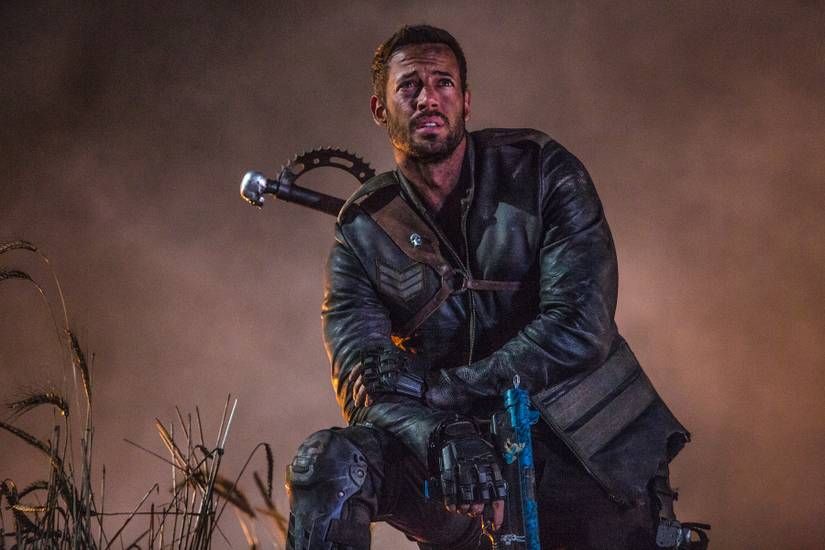

The new Resident Evil movie has opened to franchise-best critical notices, giving Capcom's horror brand a rare adaptation win while asking game fans to accept a story without Leon, Jill, or Chris.
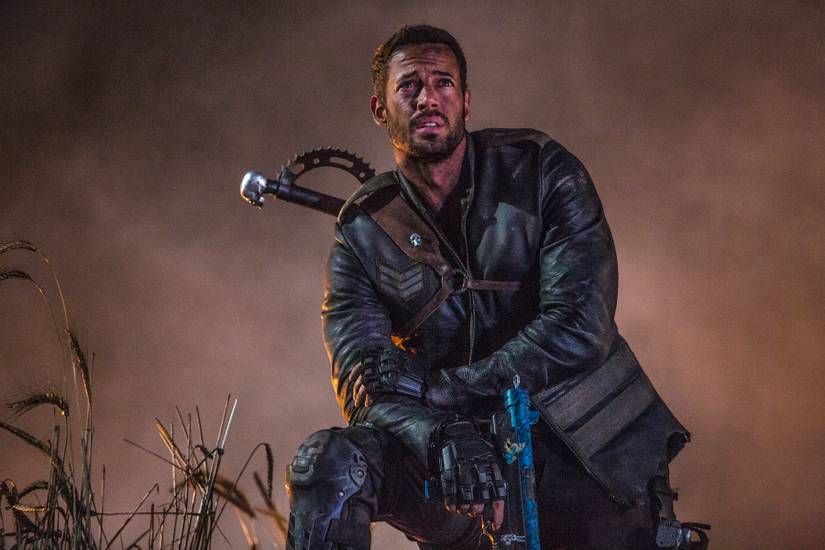
Image: polygon.com
A rare critical win for a franchise built on bad odds
Zach Cregger’s new Resident Evil movie arrives in theaters on September 18 with the kind of critical reception this film franchise has never had before. GameSpot reported that the film reached a 96% Rotten Tomatoes score from 71 reviews and an 80 Metascore, with Metacritic ranking it as the highest-rated video game movie ever at the time of publication. ScreenRant and ComingSoon, writing earlier in the review cycle, cited a 98% Rotten Tomatoes debut from fewer reviews, while also noting that the score could move as more critics file.
That movement matters. Rotten Tomatoes percentages are volatile in the first wave, and the available sources do not all cite the same review count. The safer confirmed point is still a major one: by every cited snapshot, this Resident Evil movie has opened far above the prior live-action films, and GameSpot specifically ties its Metacritic standing to a wider video game movie benchmark. For a series that has spent decades surviving poor reviews through brand recognition, gore, and fan curiosity, that is a sharp turn down a new corridor.
GameSpot’s own Resident Evil film review scored the movie an 8 and said it captures the terror of the games. IGN’s review also recommends skeptical fans set aside their preconceptions, describing Cregger’s film as an adaptation of the spirit rather than the letter of Capcom’s series. Those are critical judgments, not audience consensus, and the sources provided do not include box office results or post-release fan polling. But the critical temperature is unusually warm, and for Capcom’s horror brand, that changes the conversation before the first weekend is even fully counted.
The benchmark is stronger because Resident Evil movies rarely had one
Resident Evil is not a new Hollywood experiment. GameSpot notes that the game debuted on PlayStation in 1996 and helped define the survival horror genre. The films have been far less stable as prestige objects. Paul W.S. Anderson directed six live-action movies starring Milla Jovovich, and GameSpot reports that those films did not score highly with critics, with The Final Chapter topping that run at 49% on Metacritic. The 2021 reboot, Resident Evil: Welcome to Raccoon City, landed at 44% on Metacritic according to GameSpot.
Rotten Tomatoes comparisons tell a similar story, though the numbers differ by source and platform. ComingSoon states that Anderson’s six-film series never reached 40% on the Tomatometer, with The Final Chapter at 37%, while Welcome to Raccoon City stands at 30%. ScreenRant’s table lists Resident Evil: The Final Chapter at 39%, the 2002 Resident Evil at 36%, and Welcome to Raccoon City at 30%. ScreenRant also points out that the animated Resident Evil: Damnation holds a 100% Rotten Tomatoes score based on only five reviews, which is a reminder that sample size can make rankings slippery.
The deeper shift is not that critics suddenly discovered Resident Evil. It is that a live-action theatrical adaptation of Capcom’s horror series is being discussed as a high-water mark for gaming movies instead of as another case study in why they often miss. GameSpot places Cregger’s film ahead of Exit 8 on Metacritic, and ScreenRant says its Rotten Tomatoes debut surpassed titles including Sonic the Hedgehog 3, Werewolves Within, Gran Turismo, Pokémon Detective Pikachu, and Mortal Kombat II. Those comparisons are platform-specific and time-sensitive, but they explain why the phrase Resident Evil highest rated gaming movie is now circulating around this release.
Cregger’s approach protects the games by refusing to cosplay them
The most important creative risk for game fans is also the reason critics appear to be responding. This Resident Evil movie does not adapt a specific game and does not feature Leon S. Kennedy, Jill Valentine, Chris Redfield, Lady Dimitrescu, or any of the other playable icons fans might expect. GameSpot reports that Cregger’s film follows Austin Abrams as Bryan, a medical courier taking a high-priority delivery to Raccoon City. IGN describes Bryan as an everyman taking a last-minute assignment through the mountains to Raccoon City General Hospital before the outbreak swallows him.
That absence of legacy characters has already created friction. GameSpot reports that many gamers criticized Cregger’s take because it tells a new story instead of adapting previous games or using their characters. Cregger said in press interviews, according to GameSpot, that he felt like he was on an apology tour rather than a press tour, and admitted he was naive to think fans would immediately embrace his idea.
From a survival horror perspective, the choice has a practical advantage. Bryan is not built like a late-game Resident Evil protagonist. GameSpot’s review emphasizes that he has no special forces training and has only handled guns through a controller. IGN makes the same point by contrasting him with the Leon Kennedy or Chris Redfield action-hero mold. In the games, tension often comes from being underprepared, low on ammunition, and forced to read rooms before something reads you first. A new civilian lead lets the film start with shaky hands, poor decisions, and resource panic instead of military competence.
That does not mean the movie is detached from Capcom’s world. GameSpot reports that Constantin has owned the Resident Evil movie rights since the 1990s and considered putting the franchise on hiatus after Welcome to Raccoon City. Cregger, coming off Barbarian, pitched Constantin on an original take, and the studio moved forward. GameSpot also cites Constantin CEO Oliver Berben saying the studio did not contractually need to consult Capcom but did so anyway to respect and care for the IP and its fans. That is the key distinction: consultation is confirmed, but the sources do not describe Capcom as a co-financier or controlling creative partner in the way GameSpot contrasts Nintendo’s film approach.
The horror rhythm sounds closer to low ammo than superhero gunfire
The strongest Resident Evil film review threads all point toward pacing, pressure, and bodily mess rather than mythology. GameSpot’s review says the movie runs through its entire runtime at a breakneck pace, with Bryan repeatedly dragged from one disaster into the next. IGN says the film encounters its first zombie less than 10 minutes after Bryan accepts the assignment and keeps pushing him through grotesque situations he is poorly equipped to survive.
That is closer to the dread of a bad save-room exit than to the power curve of the later Anderson movies. ComingSoon reports that the R-rated reboot has been praised for suspense, dark atmosphere, creature effects, and a focus on horror over large-scale action. It also says the story puts Bryan inside an infected area with limited resources, dangerous creatures, and an increasingly hostile environment, drawing from survival-horror mechanics such as scarce ammunition and hard choices under pressure.
There is also comedy in the bloodstream. IGN says the movie is often very funny without making the franchise itself the joke, and describes Cregger as building tension in a way that keeps the viewer unsure whether the payoff will be a scare or a laugh. GameSpot’s review likewise calls the film disgusting, hilarious, and often frightening, while noting that it is more tense than purely scary. For longtime players, that matters because Resident Evil has always carried a strange dual pulse: clenched inventory math on one side, camp and grotesque absurdity on the other. A serious adaptation that scrubs out the weirdness can feel sterile. One that only laughs can bleed out the threat. The cited reviews suggest Cregger is walking that line deliberately.
Game fans should expect nods, not a character checklist
If you are buying a ticket to see a specific canon moment recreated, the sources point in the opposite direction. GameSpot’s coverage of Cregger’s Lady Dimitrescu comments states plainly that the new film does not feature characters from the games. In the same report, GameSpot says co-writer Shay Hatten indicated there will be Easter eggs and nods to the series for fans to examine.
That makes the film’s promise narrower and cleaner. Expect Raccoon City, outbreak pressure, creatures, scarce resources, and environmental horror. Do not expect this movie to function as a replacement version of Resident Evil 1, 2, 3, 4, or Village. Cregger even answered a hypothetical casting question about a Resident Evil Village movie by saying Christina Hendricks would feel right for Lady Dimitrescu, according to GameSpot, but the same article stresses that Dimitrescu’s appearance in a future movie remains unknown.
Runtime details are another small point where the public record is not perfectly aligned. GameSpot and IGN describe the film as 95 minutes, while ComingSoon lists it at 97 minutes. That difference could come from credits, listing updates, or outlet-specific data. The practical takeaway is that this is being presented as a lean theatrical horror movie, not an expansive lore tour.
The core viewing question for fans is whether they can accept a Resident Evil story that behaves like the games without wearing their most recognizable faces. If your attachment is primarily to Leon’s police-station nightmare, Jill’s escape, Chris’s bioterror campaigns, or Ethan’s family horror, this film may feel like a side scenario. If your attachment is to being trapped, underarmed, chased, and forced through a sick building with no good option left, the reviews suggest this Resident Evil movie is aimed directly at that nerve.
A messy production now carries clean business consequences
The film’s reception is also striking because its production was physically brutal for Cregger. GameSpot, citing The Hollywood Reporter, reports that the director had pneumonia during the first half of filming and Campylobacter jejuni during the second half. Cregger said everything felt barely in control because his body was failing him. GameSpot also reports that the movie filmed in freezing conditions in the north of the Czech Republic, with Cregger crediting his department heads and praising Austin Abrams for being unusually positive and willing during the shoot.
None of that proves quality on its own. Difficult productions can produce great films or disasters. Here, however, the behind-the-scenes strain adds a sharper edge to the result: Constantin revived a film franchise it reportedly planned to ice, handed it to a horror director facing fan distrust, and now has a critically acclaimed Capcom horror adaptation heading into theaters with GameSpot saying it is expected to have a huge, record-setting opening weekend. That box office expectation is still a forecast in the provided source material, not a confirmed result.
For Capcom’s brand, the safest conclusion is that the film gives Resident Evil a new adaptation model to test. The games remain the foundation, and the sources do not say Capcom is changing its game strategy because of the movie. But Hollywood now has evidence that critics can respond to a Resident Evil film that prioritizes survival pressure over direct plot transcription. That may embolden future adaptations to build original routes through familiar territory, provided they keep the essentials intact: threat, weakness, grotesque enemy design, and the feeling that every door might cost too much to open.
For viewers, the guidance is simple. See it in theaters from September 18 if you want a fast, R-rated horror run through Resident Evil atmosphere with a vulnerable lead and reported franchise nods. Wait for audience reactions if your interest depends on fidelity to named game characters, because the confirmed creative direction does not offer that. Either way, the critical response has already forced a rare reassessment: Resident Evil on film is no longer only a warning label for video game adaptations. This time, it has become the locked door everyone else in the genre will be measured against.