
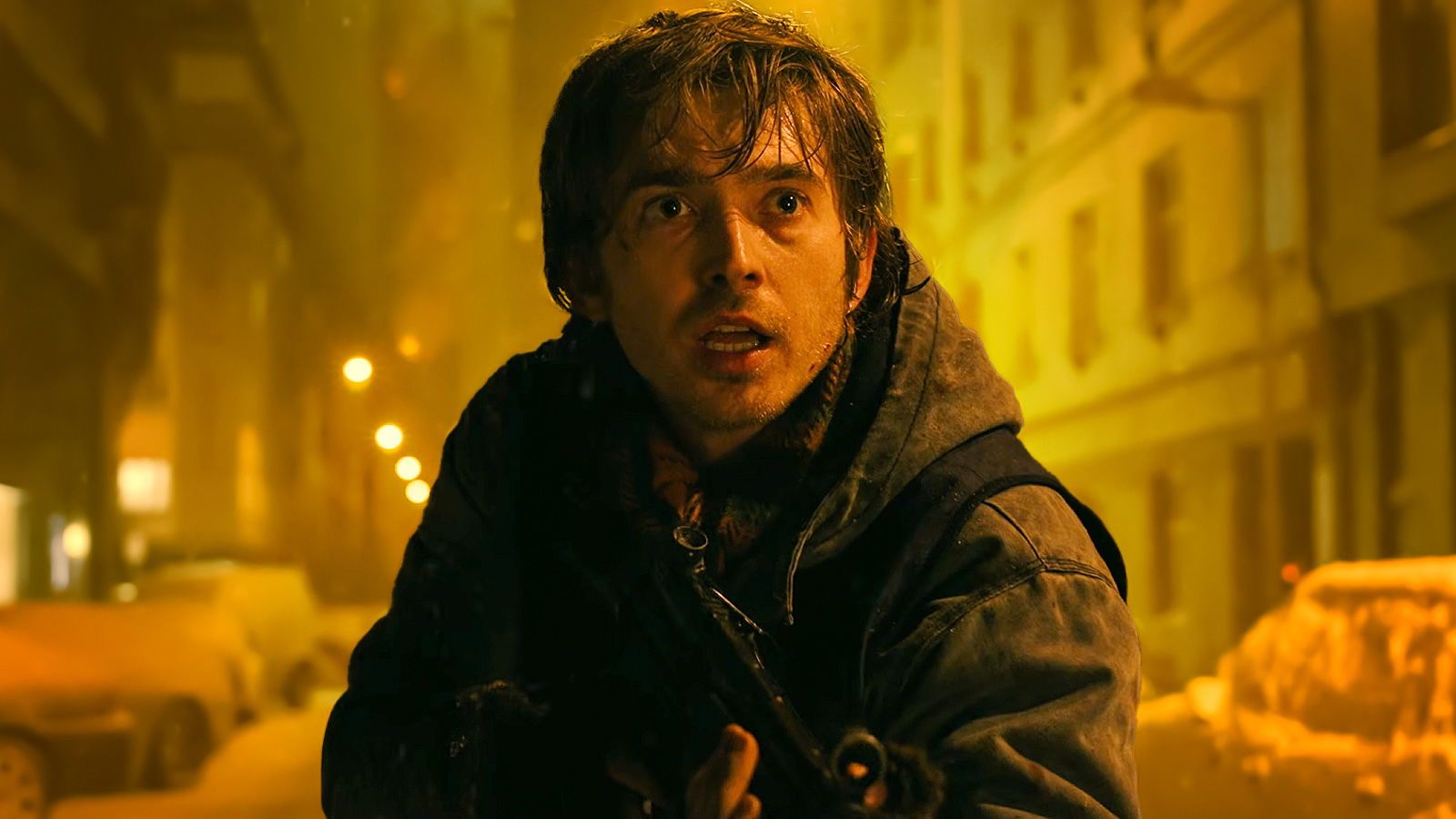

Zach Cregger says he misread what Resident Evil fans wanted from a film adaptation, as his 2026 movie follows a new Raccoon City survivor instead of retelling Leon, Claire, Jill, or Ada’s game stories.
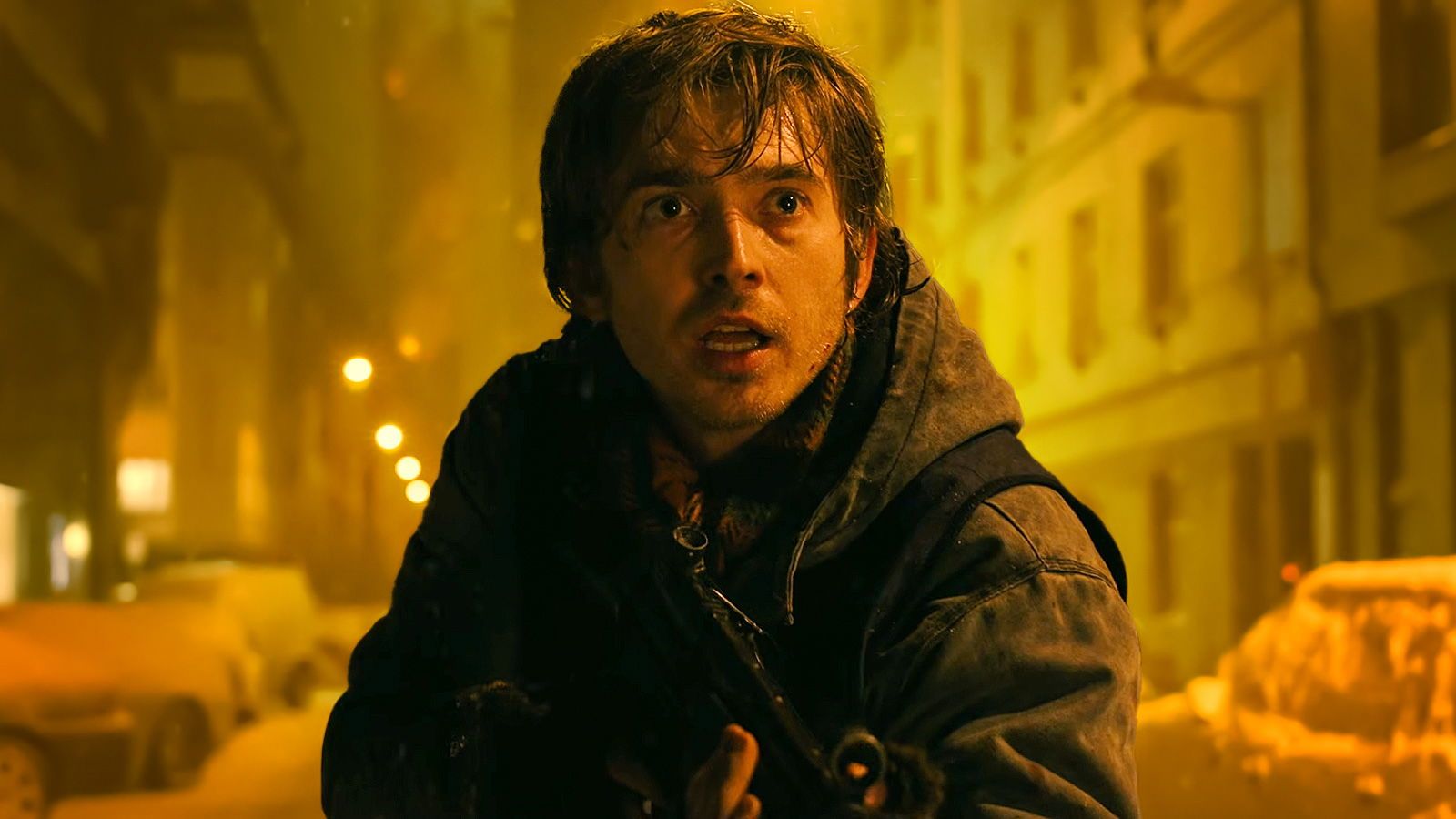
Image: fandomwire.com
Cregger’s mea culpa arrives before the outbreak
The strongest signal around the new Resident Evil movie is not a monster reveal or a casting surprise. It is Zach Cregger admitting, before release, that he misjudged what a large part of the audience wanted from a Resident Evil adaptation.
In an IGN interview, the Resident Evil film director said, “I think I was naive,” explaining that he expected fans of Capcom’s games to be excited by his attempt to turn Resident Evil into a survival horror movie rather than a direct retelling of one specific game. He also acknowledged a frustration that has followed the project: many players have been waiting to see Leon S. Kennedy, Ada Wong, Jill Valentine, Claire Redfield, or other established characters placed at the center of a theatrical story.
Cregger’s response was unusually plain for a franchise filmmaker. “I’m sorry that’s not the story I’m bringing,” he told IGN. “I get it, I understand the frustration.” That apology does not change the movie he has made. It clarifies the gap between his pitch and the expectation sitting in the dark with a lot of fans: some wanted a faithful trip through familiar rooms, while Cregger is offering a separate route through the same infected city.
The confirmed movie follows Bryan, not a game protagonist
According to IGN, Cregger’s Resident Evil movie follows Bryan, played by Austin Abrams, a medical courier caught in the Raccoon City Incident. DualShockers describes the setup as Bryan becoming trapped during a medical delivery involving organs for transplant. IGN has also reported Cregger’s prior confirmation that the film takes place in parallel with the events of Resident Evil 2 rather than adapting that game beat for beat.
That distinction is the central creative risk. Resident Evil 2 is one of the series’ most recognizable survival horror stories, with Leon and Claire fighting through the Raccoon Police Department, streets, sewers, and laboratory infrastructure. Cregger’s version, based on the reporting provided, does not replace that story with a film retelling. It moves alongside it, using an ordinary person as the pressure point.
For horror, that choice has a clear logic. A courier with no elite training and no heroic iconography is easier to make vulnerable. Resource scarcity hits harder when the lead is not a trained cop, special tactics veteran, or recurring action survivor. But for a franchise audience, vulnerability is not the only currency. Recognition matters. A new character can make the corridors darker, but he also arrives without the built-in emotional charge of Leon’s first day or Claire’s search for Chris.
Fans are arguing over identity as much as canon
The backlash described by IGN, DualShockers, Tbreak, and GameRant is not simply about whether a door, date, or creature model matches a game file. It is about what makes a Resident Evil movie feel legitimate to the people who have carried the series across decades of remakes, sequels, spin-offs, and prior screen adaptations.
IGN reported that some fans have argued the movie is not truly Resident Evil without characters such as Leon, Ada, and Jill. GameRant similarly noted that criticism has focused on the film’s distance from familiar protagonists, while IGN also pointed to unease over changes including a modern setting and snowy Raccoon City. Tbreak framed the reaction bluntly: Cregger thought fans would cheer an original Resident Evil story, while many wanted Leon.
Cregger’s own comments make the tension sharper because he identifies with the resistance. He told IGN he had not watched the earlier Resident Evil films because, in his view, they did not look like the Resident Evil he loved. That admission matters. He is not dismissing fan skepticism as purity testing from the outside. He is saying he recognizes the instinct because he has felt a version of it himself.
The unresolved question is whether his film can persuade that audience through texture instead of plot fidelity. A Resident Evil adaptation can quote names and locations while missing the dread of checking two bullets against three threats. It can also build a convincing survival loop without handing the lead role to a famous character. Fans will decide which failure would sting more.
Cregger is leaning on survival-horror grammar
Cregger’s defense of the Resident Evil movie rests on feel. IGN reported that he has described the film as focusing on what it feels like as a player to move through zombie-filled corridors and sneak around Lickers. That is a practical horror promise rather than a lore promise.
The trailers, as described by IGN, have already shown details aimed at that player memory: Bryan rummaging through drawers and closets for shotgun ammunition, padlocks blocking progress, and a typewriter sitting in what appears to be a safe room. Those are small images, but in Resident Evil they carry mechanical weight. A padlock is not decoration. It is a denial of safety, a delayed reward, and a reason to backtrack while the building gets worse around you. A typewriter is not only a prop. It is the breath after a chase, the ritual of surviving long enough to record it.
That is where Cregger’s “fan boxes” comment fits. Speaking about his future with franchises, as reported by IGN from a Deadline interview, he said, “I think this movie is cool, and I hope it checks the fan boxes because I’m a fan and I’m checking my boxes.” He added, “I’m making the Resident Evil movie that I wish existed.”
Those boxes are not the same boxes every fan wanted checked. Some wanted a direct Leon or Claire story. Cregger appears to be placing his bet on ammo anxiety, obstructed routes, creature pressure, and the uneasy rhythm of moving from one temporary pocket of safety to the next. For survival horror viewers, that could be enough. For players who view character continuity as the spine of Resident Evil, it may still feel like the wrong key in the right lock.
Franchise pressure may have made this a one-time exception
Cregger’s comments about the Resident Evil adaptation are tied to a broader statement about his future. In a Deadline interview reported by IGN, he said he is not interested in taking on other established franchises. “I’m doing this, and that’s it for me,” he said. He also explained that he wants to “write whatever I want to write” rather than build a script around mandatory franchise data points.
DualShockers and GameRant both highlighted that creative-freedom angle. GameRant described Resident Evil as Cregger’s franchise exception, while IGN quoted him saying the project works for him because he is enthusiastic about the games and likes the story he developed within them. The friction is obvious: Resident Evil is a corporate horror property with an intensely literate fanbase, while Cregger is positioning himself as a writer-director trying to preserve instinct and personal taste.
That does not mean the movie is disconnected from Capcom’s games. Cregger has pushed back on that reading directly. In the IGN interview about fan frustration, he said, “This is not me just telling a story and slapping Resident Evil on it so I can get a budget. This is me telling a Resident Evil story.” The statement draws a line between original and arbitrary. Whether audiences accept that line will likely depend on the finished film’s handling of pressure, pacing, creature encounters, and Raccoon City’s infected geography.
There is also a business tension beneath the creative one. Franchise filmmaking often rewards recognizable faces, repeatable continuity, and sequel-ready architecture. Cregger’s public posture is almost the opposite: one committed swing inside Resident Evil, then a return to projects where he does not have to satisfy pre-existing checklists. That makes this adaptation feel less like a conventional launchpad and more like a stress test for how flexible Resident Evil can be on film.
What viewers can safely expect, and what remains unconfirmed
Based on the provided reporting, the confirmed shape of the movie is clear in broad terms. The Resident Evil movie is scheduled for theatrical release on September 18, 2026, according to Tbreak and DualShockers. It stars Austin Abrams as Bryan, a medical courier caught in the Raccoon City Incident. Cregger has said, per IGN, that the story runs in parallel with Resident Evil 2 rather than directly adapting the game.
What is not confirmed in the source material is just as important. The provided reports do not confirm Leon, Ada, Jill, or Claire as lead protagonists. They do not provide a full verified cast list beyond Abrams as Bryan. They also do not establish this film as a direct sequel to 2021’s Resident Evil: Welcome to Raccoon City, even though GameRant notes that some fans wanted that kind of continuation.
For readers deciding whether to follow this Resident Evil adaptation closely or wait, the practical guidance is simple. If your main hope is a faithful big-screen version of Leon and Claire’s Resident Evil 2 story, Cregger has already said that is not what he is bringing. If your interest is in whether a film can capture the survival pressure of the games through limited ammunition, locked paths, Lickers, safe rooms, and an ordinary survivor in over his head, the available comments and trailer details point directly at that target.
The risk is that Cregger may have built a movie for the sensation of playing Resident Evil while a vocal part of the audience wanted the canon of playing Resident Evil. Those are related desires, but they are not identical. The September 2026 release will test whether atmosphere can carry the name when the familiar heroes are not the confirmed center of the frame.