
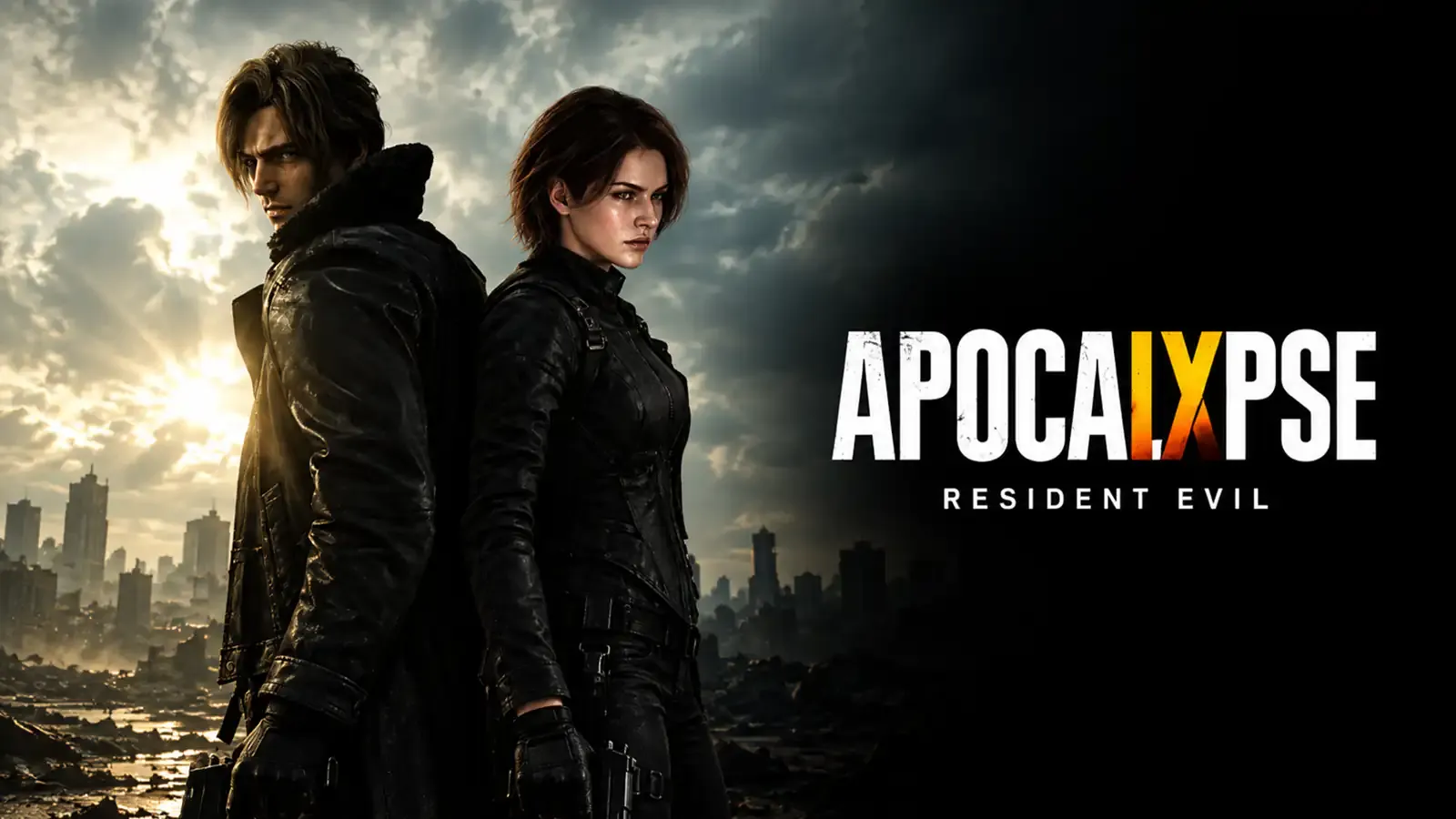

A new round of reports says Resident Evil 9 once carried the title Resident Evil Apocalypse, with an open-world island, vehicles, an infection meter, and a larger veteran cast before Capcom allegedly rebooted the project into Resident Evil Requiem.
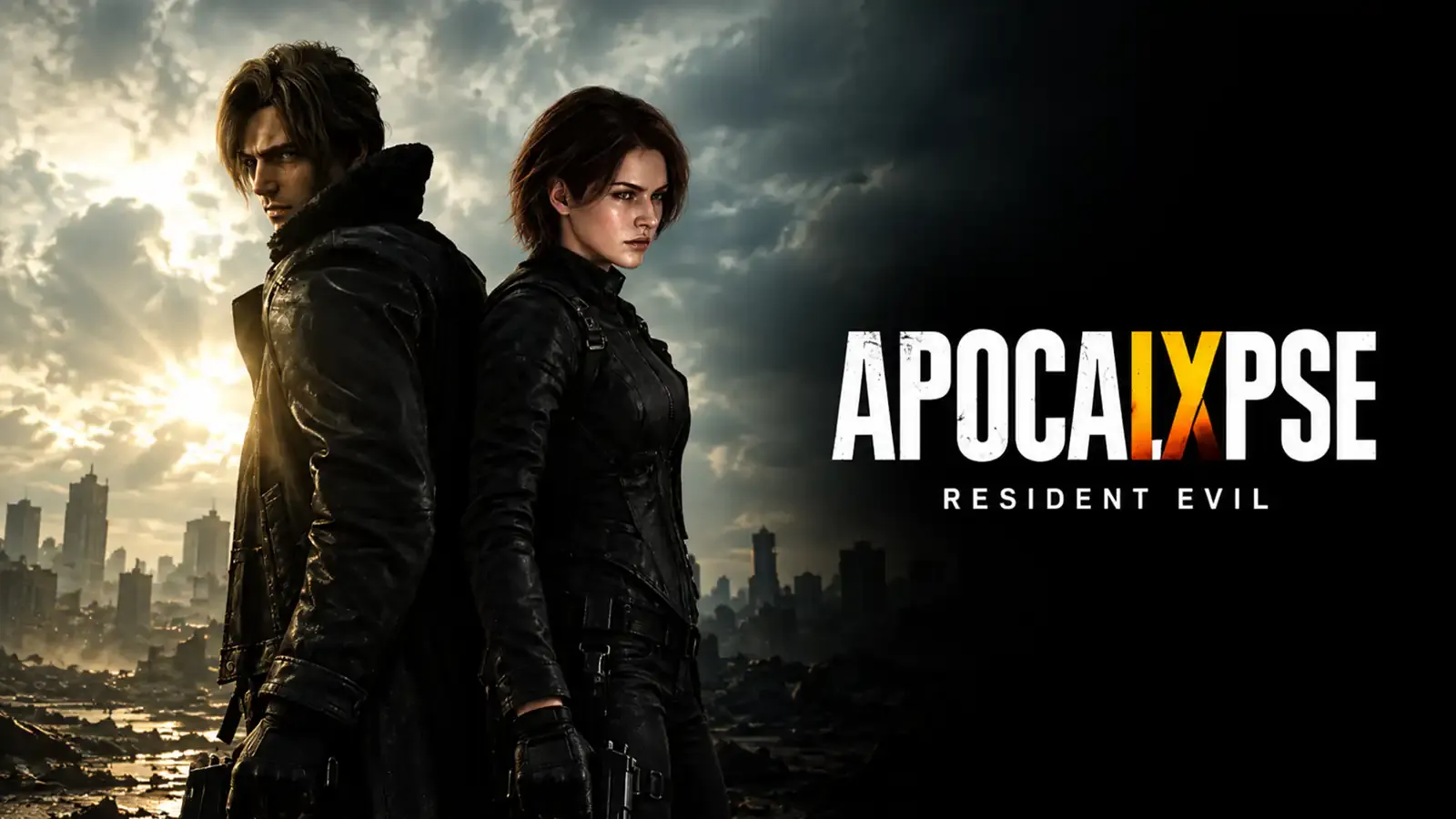
Image: en.gamegpu.com
A reported Resident Evil 9 reboot has put Apocalypse back in the fog
The strongest new development is not an announcement from Capcom, but a resurfaced development-history report: multiple gaming sites are now relaying claims from Resident Evil insider Dusk Golem that an earlier version of Resident Evil 9 was titled Resident Evil Apocalypse before Capcom scrapped it and moved toward Resident Evil Requiem.
My Nintendo News, Nintenderos, Noticias Compudemano, EGW.news, and GameGPU all attribute the details to Dusk Golem. The shared outline is specific enough to be interesting and unconfirmed enough to require caution. According to those reports, Resident Evil 9 Apocalypse was planned as a single-player open-world game set on a fictional island in Singapore, built around vehicles, an island outbreak, a BSAA antagonist role, and an infection meter inspired by Resident Evil Outbreak.
That is the tension at the center of this Resident Evil 9 rumor. The alleged version sounds like a major swing for Capcom’s survival horror series, closer to a wide-map crisis scenario than the tighter pressure-box design many players associate with modern Resident Evil. Yet the sources provided do not include a Capcom statement, a development presentation, a store listing, or official art confirming Resident Evil Apocalypse as a product that was ever announced to the public. For readers searching for Resident Evil 9 Apocalypse, the responsible way to read this is as reported pre-release or scrapped development history, not as a hidden game reveal.
The alleged Apocalypse pitch was bigger, louder, and less claustrophobic
The reported concept for Resident Evil Apocalypse would have shifted the series into a full open-world structure. My Nintendo News and Nintenderos both report that the game was set on a fictional island in Singapore and included vehicles for island traversal. GameGPU describes the same project as a full-fledged open world near Singapore, with ground vehicles and a sudden biological outbreak at the center of the plot.
That matters for how the horror would likely have felt. Resident Evil’s most effective pressure usually comes from boundaries: locked doors, dwindling ammunition, a save room that feels safe only until you leave it, and enemy placement that turns a hallway into a calculation. An open island with vehicles changes that rhythm. It can create scale and pursuit, but it also risks giving players too much escape velocity. A survival horror game can absolutely work in larger spaces, but the design has to replace corridor dread with systemic pressure, audio uncertainty, scarce routes, and enemies that can threaten the player across distance.
The reported infection meter is the most survival-minded detail in the leak. My Nintendo News, Nintenderos, Noticias Compudemano, and GameGPU all say the scrapped concept included an infection meter inspired by Resident Evil Outbreak. In practical terms, that kind of system would have given the player a second resource to manage alongside ammunition and healing items. Outbreak’s infection pressure was frightening because time itself became a hostile presence. If Apocalypse really experimented with that idea inside an open world, the design question becomes obvious: could Capcom make travel feel dangerous without turning every trip across the island into busywork?
The same reports say the project prioritized action over horror. That point fits uneasily beside the infection meter. A ticking infection system pushes dread inward, while vehicles and a large playable island can push the experience outward into mobility, spectacle, and combat frequency. If this version was truly cancelled or rebooted, the sources suggest one possible reason without proving it: the design may have been trying to carry too many forms of Resident Evil at once.
The reported cast reads like a franchise summit with built-in distrust
The Resident Evil Apocalypse leak, as relayed by My Nintendo News and the Spanish-language reports from Nintenderos and Noticias Compudemano, describes a crowded cast. Jill Valentine, Leon S. Kennedy, Ada Wong, and Sheva Alomar were reportedly planned as protagonists, joined by two new characters. Chris Redfield, meanwhile, was allegedly arrested after the events of Resident Evil Village.
That setup would have leaned hard into franchise continuity. According to the same reports, Leon distrusted Jill because of her past with the BSAA, while Sheva distrusted Ada and was motivated by rescuing Chris. GameGPU also reports that the cancelled project revolved around tension and mistrust between the protagonists, with the BSAA serving as the key enemy faction.
On paper, that is rich material. The BSAA’s role after Village has been one of the lingering franchise questions, and placing Chris under arrest would give the series a severe political and personal rupture. Sheva returning with a concrete rescue objective would also connect Apocalypse to older corners of the canon that Capcom has not foregrounded as often in recent mainline entries.
The danger is weight. A horror story with Leon, Jill, Ada, Sheva, Chris in absentia, and two new characters risks becoming a meeting of agendas before it becomes a nightmare. GameGPU reports that Capcom management deemed the concept overloaded and rebooted development to reduce the cast. That is an attributed claim, not a confirmed internal decision from Capcom, but it tracks with the structural problem described by the leak itself. Survival horror thrives when the player can feel alone even around allies. A large ensemble can sharpen paranoia, but it can also drain oxygen from fear if every scene has to service legacy relationships.
How the reported reboot points toward Requiem, Grace, and Leon
The reports agree on the broad alleged pivot: Capcom restarted development, reduced the number of protagonists, and moved away from the Apocalypse version. My Nintendo News says that after the restart, Leon became the main protagonist. Nintenderos and Noticias Compudemano report the same, adding that Jill initially remained as an AI assistant before being removed because she did not contribute enough to the story. GameGPU likewise reports that Jill was at one stage reduced to an AI-controlled companion before the writers removed her from the script.
The most interesting bridge between the scrapped version and the reported final direction is Grace. The sources say the idea of a character experiencing terror for the first time evolved until it became Grace, who is associated in these reports with Resident Evil Requiem. That detail suggests a design and story correction: rather than anchor the game around veterans who know bioterror as a professional language, the reboot allegedly carved out room for a perspective that could make the horror feel new again.
For a survival horror player, that shift is significant. Leon, Jill, Ada, Sheva, and Chris are capable, iconic, and heavily armed by expectation even when the game temporarily strips them down. A character facing biological terror for the first time changes the audio of a scene, the pacing of exploration, and the meaning of a single enemy behind a door. Panic becomes more believable. A low-ammo encounter can feel less like an obstacle course for a legend and more like a first lesson in how this world punishes hesitation.
Still, the sources do not provide Capcom documentation showing the exact chain from Apocalypse to Requiem. What they provide is a reported lineage: a large open-world concept, a reboot, a reduced cast, Leon elevated, Jill removed, and a first-time terror concept evolving into Grace. That is useful context, but it should not be treated as a developer postmortem.
One source tension: online focus versus single-player Apocalypse
There is one important wrinkle in the reporting. EGW.news frames the original Resident Evil 9 concept as having differed from the final version primarily because of its focus on an online component. The same EGW item then says Dusk Golem’s new details identify Apocalypse as the first full open-world Resident Evil. By contrast, My Nintendo News, Nintenderos, Noticias Compudemano, and GameGPU all state that this Apocalypse version was not an online multiplayer game and was designed as a single-player project.
Those claims are not impossible to reconcile, but the sources provided do not reconcile them. They could refer to different development phases. EGW’s mention of an online component could be a broad reference to earlier chatter around the ninth installment, while the Apocalypse details could describe a later or separate single-player iteration. It could also be imprecise framing in a brief report. Without Capcom’s own timeline, the safest reading is that the open-world Apocalypse version being described here is reported as single-player by most of the provided sources.
That distinction matters because the phrase Resident Evil Apocalypse leak can invite a pileup of separate rumors. Online experiments, open-world traversal, a large ensemble cast, and Requiem’s final shape may belong to overlapping but distinct prototypes. Development rarely moves in one clean line, especially on big-budget sequels where technology, market goals, and narrative scope can be tested in parallel. Fans should be careful not to weld every old Resident Evil 9 rumor into one definitive cancelled game.
Technology claims suggest ambition, but also explain the risk
Several sources report that Resident Evil Apocalypse used technology or technological developments associated with Dragon’s Dogma 2 and Monster Hunter Wilds. My Nintendo News says the project used Dragon’s Dogma 2 tech, while Nintenderos and Noticias Compudemano mention both Dragon’s Dogma 2 and Monster Hunter Wilds for the open world. GameGPU also says the fictional island was based on technological developments from Dragon’s Dogma 2 and Monster Hunter Wilds.
That claim is one of the most consequential parts of the Capcom Resident Evil report, because it places the alleged project inside Capcom’s broader open-area ambitions. A Resident Evil built around large outdoor traversal would need streaming technology, enemy persistence rules, vehicle handling, and encounter logic that can maintain pressure without relying on the series’ usual narrow-room choreography.
For horror, bigger technology does not automatically produce stronger fear. The practical problem is resource pressure. If vehicles allow rapid retreat, enemies need ways to project threat across the map. If the island is wide, sound design must carry dread before the player sees the thing making the noise. If combat leans action-heavy, ammunition scarcity and infection management have to keep the player from feeling fully in control. The reports say Apocalypse skewed toward action over classic horror, which may be the key design fault line.
None of the provided sources include performance targets, platforms, screenshots, gameplay footage, or technical specifications for Apocalypse. The required image attached to this article comes from GameGPU’s coverage of the cancelled open-world Resident Evil Apocalypse report, not from an official Capcom asset described in the source text. Readers should treat the technology claims as part of the rumor’s reported development context, not as proof that any build will surface or that an open-world Resident Evil remains in production.
What is actually confirmed for players, and what remains unannounced
For players, the practical guidance is simple: Resident Evil Apocalypse is not a announced game in the provided source material. The reports describe it as scrapped, cancelled, or an earlier version of Resident Evil 9. They do not provide a release date, price, platform list, preorder page, demo, age rating, or official Capcom confirmation for Apocalypse.
Resident Evil Requiem is the public-facing game named across these reports. My Nintendo News says Apocalypse was canned and that Resident Evil Requiem is what followed. Nintenderos reports that Requiem has launched on Nintendo Switch 2 and references a free eShop demo, while also saying that demo data cannot be transferred to the full game. Those are Requiem details, not Apocalypse details, and they should not be blurred together.
The strongest use of the Resident Evil 9 Apocalypse story is historical. If the reports are accurate, they show how dramatically a Resident Evil sequel can change before the version players actually receive. A fictional Singapore island, vehicles, an infection meter, BSAA antagonists, Chris under arrest, and a cast packed with Leon, Jill, Ada, and Sheva would have created a very different game from the more focused Requiem direction described by the same sources.
Until Capcom comments, this remains a Resident Evil 9 rumor with unusually detailed reporting around it. It is worth discussing because the alleged design choices reveal real tensions in the series: action versus dread, legacy characters versus fresh fear, open-world scale versus survival pressure. It is not a reason to expect Resident Evil Apocalypse to appear on a showcase schedule, and it is not a substitute for an official announcement.