
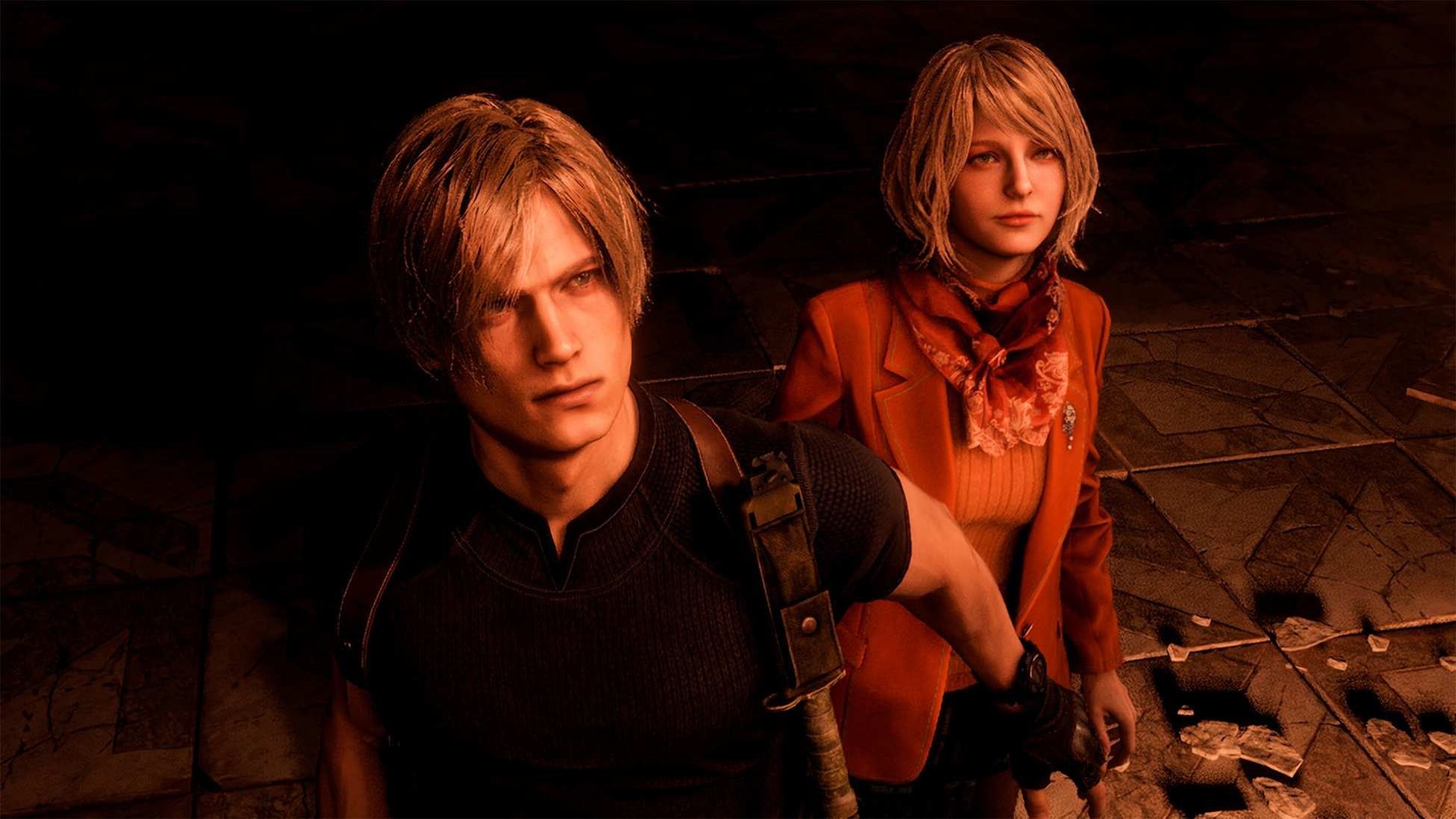

Digital Foundry’s Resident Evil 4 Switch 2 tech review finds a native port that leans heavily on DLSS, runs closer to PS4 than PS5, and struggles to hold 60fps in its most demanding fights.
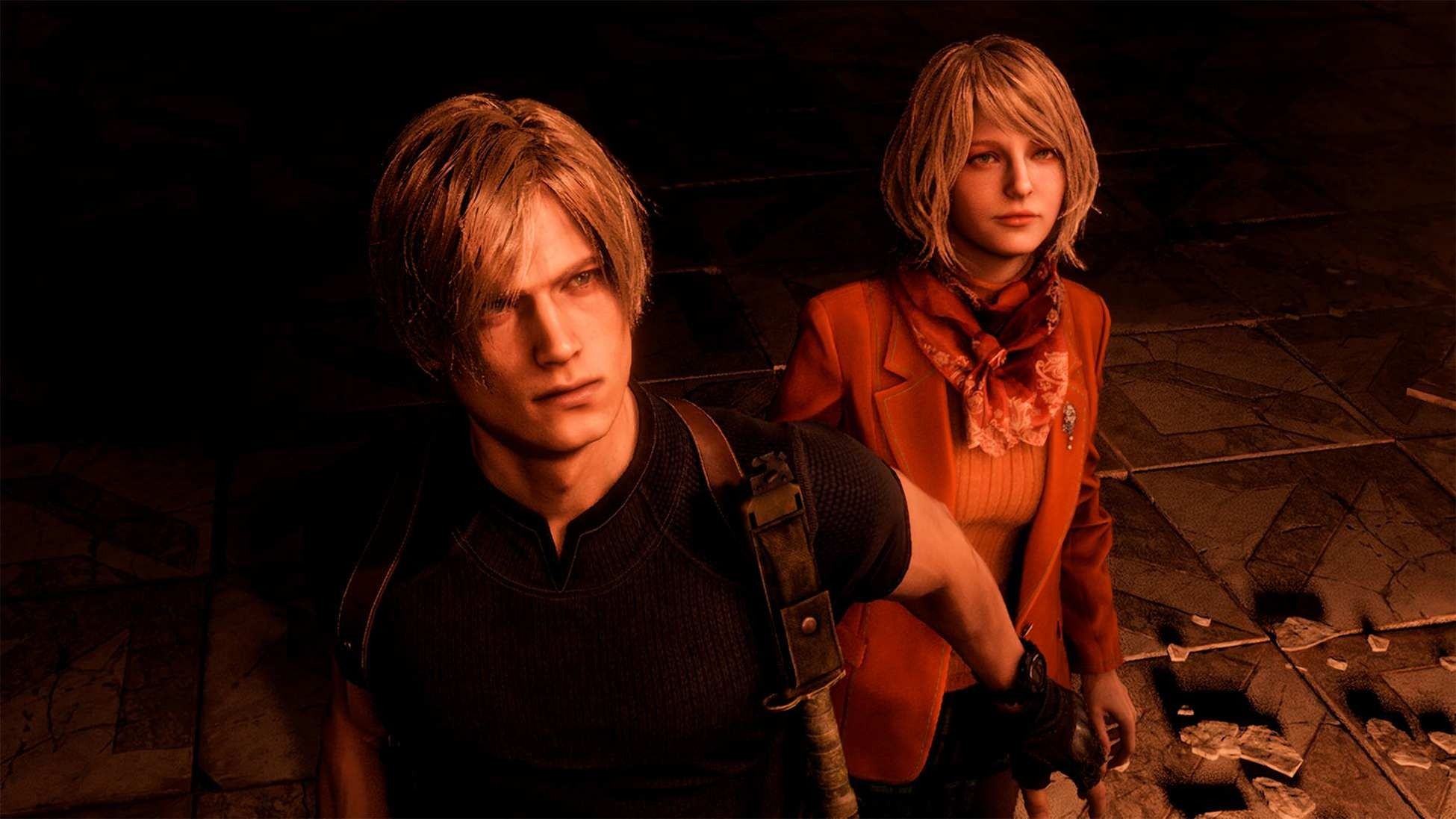
Image: cubed3.com
Digital Foundry’s Switch 2 verdict starts with a hard number
Digital Foundry’s Resident Evil 4 Switch 2 tech review puts a sharp figure on Capcom’s new port: in docked mode, the game renders at a very low internal resolution before DLSS reconstruction, and in handheld mode that internal resolution drops further. Digital Foundry’s own write-up lists the docked internal resolution at 540p and handheld at 360p, while Nintendo Everything’s roundup of the same analysis lists docked at 520p. That discrepancy is worth noting, but the practical point is the same across both reports. Resident Evil 4 on Switch 2 is leaning heavily on Nvidia’s upscaling to produce its final image.
That is the tension at the center of this port. Resident Evil 4 is launching on Switch 2 on October 16 alongside Resident Evil 2 and Resident Evil 3, according to Nintendo Life and Digital Foundry. This is the remake of Capcom’s 2023 action-horror centerpiece, a game Digital Foundry describes as a demanding RE Engine release that soared on PS5 and struggled on PS4. Switch 2 now has to split the difference: offer the portability Nintendo players expect while carrying a game built with current-generation hardware in mind.
Digital Foundry’s conclusion is that the Switch 2 version lands much closer to PS4 than PS5, although not in a simple one-to-one way. The Switch 2 port has advantages over PS4 in storage speed and memory capacity, and Digital Foundry says those advantages allow it to offer better texture detail consistently. At the same time, PS4 retains advantages in foliage density and volumetric lighting resolution. That gives players a tradeoff rather than a clean hierarchy.
For a horror game, those tradeoffs are not cosmetic trivia. Resident Evil 4’s village, castle, and torchlit killing grounds rely on readability and pressure. Leon needs to parse movement at the edge of the frame, pick a safe reload window, and decide whether a crowd is about to become a collapse. If the image is reconstructed from a low base and frame pacing is uneven in the worst encounters, the port can still be playable, but it changes how comfortable the player feels under pressure.
The Switch 2 graphics profile favors reconstruction over raw clarity
Digital Foundry reports that Resident Evil 4’s Switch 2 graphics are reduced in several areas compared with PS5. Some local light sources do not cast shadows, natural areas have less light occlusion with a different global illumination treatment, volumetric lighting is softer and lower in resolution, and character models show reduced or absent subsurface scattering. Screen-space reflections are also absent on Switch 2, although Digital Foundry notes a practical upside: this avoids the reflection artifacts found on PS5.
The cuts continue into world detail. Digital Foundry cites flatter ground surfaces, more aggressive level-of-detail scaling, sparser foliage, and selectively downgraded textures versus PS5. Nintendo Life’s report echoes the same broad visual picture, noting missing reflections, less impressive volumetric lighting, downgraded textures, reduced foliage density, and distant enemies animating at lower rates. Nintendo Everything’s roundup adds that shadows which remain appear to have roughly similar resolution to PS5, while texture resolution can still be about on par with PS5 in some respects.
Those details produce a port that can look solid in motion at a glance, especially because DLSS helps stabilize the output image. Digital Foundry says docked image quality is similar to PS4 despite Switch 2’s much lower raw internal resolution. The catch is that fine detail can expose the reconstruction. Hair, dense foliage, and other thin elements can look blurry or grainy in motion, according to Digital Foundry. Polygon’s hands-on impressions are harsher in handheld mode, calling out fuzzy and blurry presentation, with the “DLSS frizz” especially visible across foliage in the game’s opening half.
This is where Resident Evil 4’s setting works against the hardware. The early game is full of branches, brush, rough dirt paths, wooden fencing, smoke, and swarming bodies. Those details are perfect stress tests for upscaling. A sterile corridor would hide the compromises more gracefully. A forested village with Ganados pushing through clutter leaves fewer places for the image to conceal its weak points.
Lighting cuts alter the atmosphere, even when the game remains intact
The Resident Evil 4 remake uses shadow, haze, wet surfaces, and skin rendering to make familiar spaces feel hostile again. Digital Foundry’s list of Switch 2 changes shows where that atmosphere has been thinned. Missing shadow casting from some local lights can make scenes feel flatter. Softer, lower-resolution volumetric lighting changes the bite of shafts of light in dusty interiors or foggy outdoor spaces. Reduced subsurface scattering affects how characters react to light, especially in close-ups and cutscenes.
None of the cited analysis says these cuts break the game. Digital Foundry calls the Switch 2 release a reasonable output overall and says it remains a fine way to play one of the series’ most iconic games. Nintendo Life, summarizing the same technical review, says the visuals are much more in line with PS4 than PS5, which it frames as unsurprising given the hardware target. The point for players is that the port preserves the structure and intent of Resident Evil 4, but it does not preserve the PS5 presentation.
The absence of screen-space reflections is one of the more interesting compromises because it is not purely negative. Digital Foundry says SSR is completely absent on Switch 2, but also says this avoids visual artifacts present on PS5. That makes the Switch 2 image less feature-rich, but potentially cleaner in specific reflective situations. The same pattern appears elsewhere: DLSS gives the port a more stable reconstructed image than its raw resolution suggests, but the low source resolution still shows through in fine details.
Horror often lives in the half-seen. In Resident Evil 4, that includes a villager moving at the edge of the cornfield, a torch in a crowd, a parasite twitching above a shoulder, or a thrown axe crossing the screen during a panicked retreat. Digital Foundry’s note that distant enemy animations run at reduced rates matters because enemy motion is part of the threat language. It may be a sensible optimization, especially during chaotic areas like the opening village showdown, but it is also something experienced players may notice when scanning crowds.
The frame-rate target is ambitious, but the floor matters in combat
Capcom’s Switch 2 version targets 60fps, according to Digital Foundry, Nintendo Life, and Nintendo Everything. In docked mode, Digital Foundry says Resident Evil 4 can hit that target in quieter scenes. The problem is consistency. More demanding areas and heavy combat can drop performance into the 50s and 40s. Nintendo Life’s summary similarly says the port reaches 60fps fairly consistently but dips into the 50s during busier moments, with some combat set pieces pushing into the 40s.
That distinction matters more here than it would in a slower horror game. Resident Evil 4 asks the player to stop, aim, fire, parry, reposition, manage reloads, and judge crowd distance under pressure. When the engine buckles at the same moment the encounter is at its most crowded, the drop lands exactly where players are most likely to feel it. A dip in an empty hallway is an annoyance. A dip while Leon is surrounded and the chainsaw is closing distance is a different kind of risk.
Digital Foundry still reports that Switch 2 performs better than PS4, which it lists at roughly 35 to 45fps. That is an important comparison for players who remember the last-generation release as the compromised option. Switch 2 is not matching PS5’s visual standard, but it can exceed PS4’s frame-rate output while offering better texture detail. The tradeoff is that PS4’s higher raw internal resolution, cited by Digital Foundry at around 900p, and its advantages in foliage density and volumetric lighting mean it is not a simple win for Switch 2 across every visual category.
Handheld mode is the more fragile case. Digital Foundry says handheld drops to 360p internally, uses DLSS again, and normally performs in the 40 to 50fps range, with occasional traversal issues and apparent smoothing helped by VRR. Polygon’s separate hands-on account describes handheld stuttering when mobs converge on Leon, camera hitches during rotation, and stutter even while moving along the early path to the village. Polygon also says the stuttering did not prevent necessary actions in combat, but found it irritating and disappointing compared with Capcom’s other Switch 2 work this year.
Resident Evil 2 and 3 show the difference older targets can make
The Switch 2 launch trio gives Capcom an accidental benchmark for its own engine history. Digital Foundry and Nintendo Life both report that Resident Evil 2 and Resident Evil 3 hold up better on Switch 2 than Resident Evil 4. The reason given by Nintendo Life is straightforward: those games were originally built for PS4, while Resident Evil 4 was developed with PS5 in mind before Capcom announced a previous-generation port ahead of the original release.
According to Nintendo Life’s account of Digital Foundry’s impressions, Resident Evil 2 and Resident Evil 3 take less of a visual hit on Switch 2. There are still some frame-rate dips, and Digital Foundry noted gamma can look a little off in some scenes, but players can expect a much more consistent 60fps compared with Resident Evil 4. Nintendo Everything’s roundup also says Resident Evil 2 and Resident Evil 3 appear to have fewer frame-rate dips on Switch 2.
That context is useful if players are deciding which Resident Evil to buy first on October 16. Resident Evil 4 is the more technically demanding port and the one where Switch 2 has to make the most visible sacrifices. Resident Evil 2 and Resident Evil 3, by contrast, appear to fit the hardware more naturally because their baseline was already last generation. The result, based on the cited analysis, is that Capcom’s older remakes may offer the smoother Switch 2 experience at launch.
There is also a broader platform story here. AttractMode reports that Capcom’s Switch 2 Resident Evil releases are native ports rather than cloud versions, marking a move away from the cloud-based approach seen on previous Nintendo hardware. That claim is consistent with the technical analysis being discussed, since these performance, resolution, and rendering details concern local execution on Switch 2 hardware. For players burned by streaming latency or artifacting in earlier cloud releases, native ports are a real improvement, even when the most demanding game exposes the limits of the box.
The best platform depends on what kind of fear you can tolerate
For players choosing a platform, the guidance from the available reporting is clear enough. If the priority is the best Resident Evil 4 graphics, PS5 remains the stronger option based on Digital Foundry’s comparison. It keeps the higher-fidelity lighting, reflections, foliage density, and overall presentation that the Switch 2 version cuts back. If the priority is a portable native version, Switch 2 now offers that, but the cost is lower internal resolution, heavier reliance on DLSS, reduced environmental detail, and less stable performance in the game’s roughest scenes.
Docked Switch 2 appears to be the safer way to play this port. Digital Foundry says docked mode can reach 60fps in calmer areas, and the reconstructed image is broadly comparable to PS4 despite the lower internal resolution. Handheld mode is where the compromises gather: Digital Foundry reports 360p internal resolution and 40 to 50fps performance, while Polygon’s hands-on impressions point to stuttering, camera hitches, and a fuzzy image. If you plan to play mostly handheld, that is the warning sign to take seriously.
There is one practical option missing at launch in the reporting: a frame-rate cap. Digital Foundry says a 30fps or 40fps cap would be a valuable option to preserve stability, and Nintendo Life’s summary specifically says the game would probably benefit from a locked 40fps mode. Neither source says such a mode is currently available. That makes it a patch question rather than a confirmed feature. Players sensitive to uneven frame rates may want to wait for launch coverage, user reports, or a Capcom update before committing.
Resident Evil 4 remains a superbly designed pressure machine, and none of the cited sources suggest the Switch 2 version loses the underlying game. The question is whether you want the village to feel dangerous because of enemy placement, ammo scarcity, and panic, or because the image and frame rate are also fighting for composure. For some players, portability will be worth that added friction. For others, especially those with access to PS5 or a stable current-generation setup, the sharper and steadier route through the nightmare is still elsewhere.