
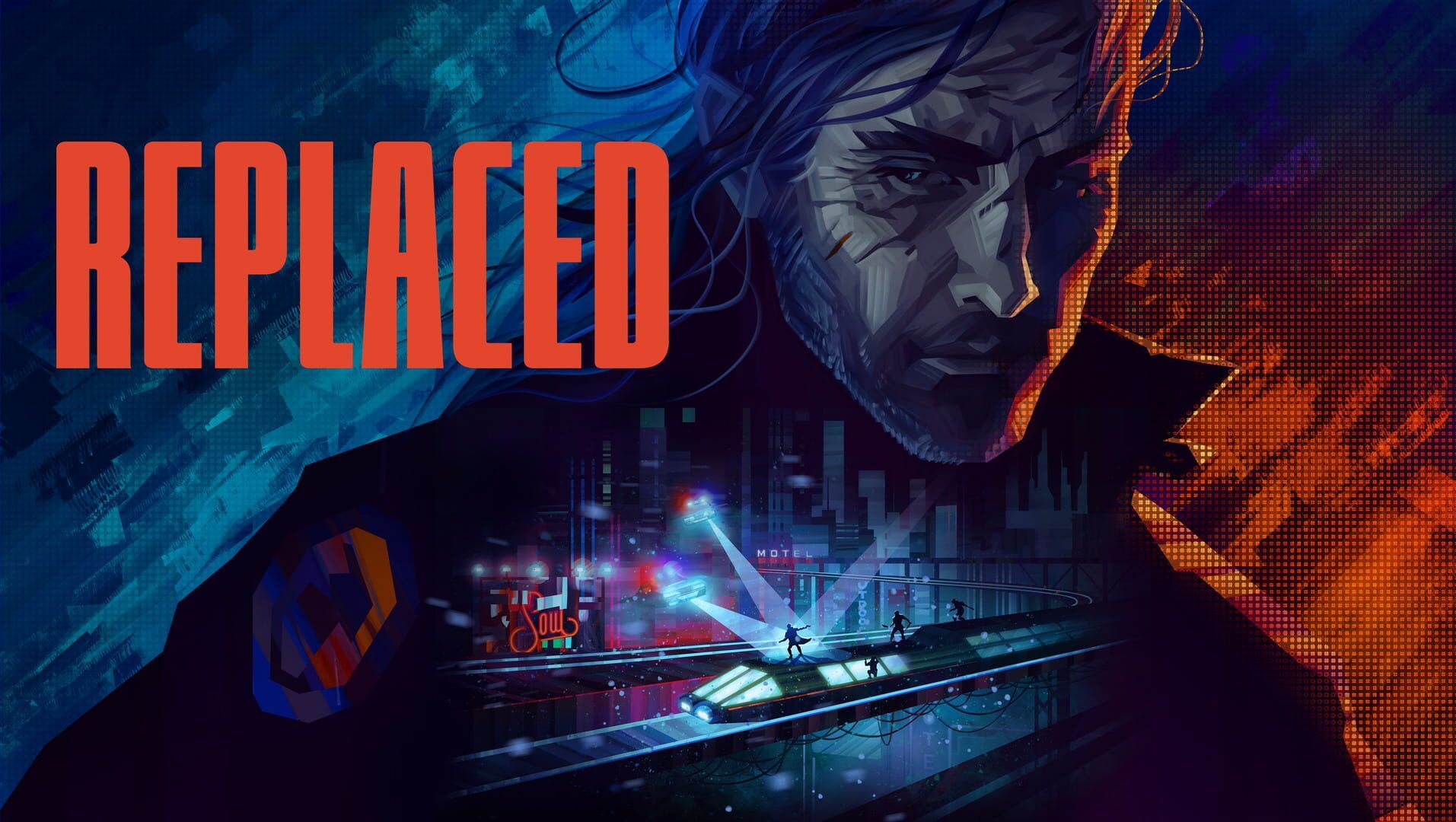

Sad Cat Studios has delayed REPLACED for a fourth time, nudging the release to April 14, 2026. Here’s how the team has communicated the game’s evolving scope, what the newest trailers and demo reveal, and why a few extra weeks of polish could help this 2.5D cyberpunk action platformer stand out.
REPLACED has been delayed again, but this time the finish line feels uncomfortably close.
Originally pitched for 2022 and then shuffled through 2023, 2024, and a broader 2025 window, Sad Cat Studios’ 2.5D cyberpunk action platformer is now targeting April 14, 2026. The latest delay is relatively small, bumping the game from March 12 to mid‑April, yet it carries extra weight because this is the fourth time the date has moved.
In an era where long development cycles and shifting roadmaps are common, REPLACED has quietly become a case study in how a small studio communicates scope creep, player expectations, and polish.
The road to April 14, 2026
REPLACED’s delay history is almost a timeline of its expanding ambition.
The game first appeared as an eye‑catching reveal during Xbox’s 2021 showcases, with a target of 2022. That window slipped as Sad Cat Studios cited both production challenges and a desire to meet “high standards.” Subsequent delays pushed it out of 2023 and then 2024, before the team and publisher Thunderful narrowed in on a 2025 launch. By August 2025, that plan was abandoned in favor of a broader Spring 2026 window, framed as the space needed to finish a debut project without cutting corners.
The latest shift, from March 12 to April 14, 2026, is the smallest and most surgical yet. Across the reference statements and press write‑ups, Sad Cat repeatedly stresses that REPLACED is “technically finished,” but the extra weeks are about polish and stability, not core content. That distinction matters. After several big slips, a one‑month delay signals that pre‑launch feedback and performance tuning are the final priorities rather than wholesale reworks.
How Sad Cat Studios has framed the delays
Across multiple updates, Sad Cat has settled into a fairly consistent tone: transparent, slightly self‑deprecating, and very aware of its position as a small, first‑time studio with a visually loud debut.
Earlier delays were framed in broad strokes, talking about “meeting expectations” and “doing justice” to the original vision. The recent messages are more concrete. The studio acknowledges that the game is content‑complete, points directly to Steam demo feedback as a driver for last‑minute refinement, and uses language like “super close to the finish line” to reassure long‑waiting fans.
Crucially, none of the recent communication has tried to pretend the previous dates did not exist. Coverage consistently calls this the fourth delay, and Sad Cat’s own statements lean into that context rather than dancing around it. For a project that has flirted with the edges of development‑hell discourse, that honesty helps maintain goodwill.
The studio also leans heavily on the idea of scale. REPLACED is a first title coming from a small team, attempting a very curated art style, bespoke combat, and cinematic presentation. By explicitly bringing that up in delay explanations, Sad Cat is effectively asking players to weigh the cost of time against the value of a more polished, cohesive first impression.
What recent trailers actually show about the game
If REPLACED’s delay cadence risks numbing interest, its trailers keep jolting it back to life.
In the newer footage tied to the Spring 2026 window, REPLACED doubles down on what made its debut stick: incredibly dense pixel art blended with modern lighting and camera work. Side‑on shots of neon‑drenched alleys, rain‑slick rooftops, and smoke‑filled diners are all rendered in 2.5D, but the parallax and volumetric lighting give scenes a sense of depth that screenshots cannot fully convey.
The trailers also sharpen the combat identity. R.E.A.C.H., the AI trapped in a human body, moves with a deliberate, weighty cadence. Strikes are punchy and clearly animated, with small tells for enemies and a focus on chained counters, dodges, and finishers. In more recent cuts, there is a heavier emphasis on mixing melee and firearm attacks, with moments where the camera subtly shifts to accentuate executions or big knockback hits.
Equally important is the world structure that peeks through the trailer edits. Quick cuts suggest a blend of tight, linear action sequences and more exploratory interludes. You see R.E.A.C.H. navigating rooftops, infiltrating bar interiors, and weaving through industrial yards, often with background details telling their own stories: flickering propaganda screens, body‑mod clinics, and corporate security presence hint at a broader dystopian ecosystem.
One of the newest beats is how the game frames its alt‑1980s America setting through pacing rather than exposition dumps. Shots linger on mundane details like subway platforms or apartment block stairwells before pivoting into sudden bursts of violence. That rhythm, if preserved in the final game, could give REPLACED a cinematic texture that justifies the careful polish phase.
The impact of the Steam demo and player feedback
Sad Cat and Thunderful have both pointed to the Steam demo as a major influence on this final delay. That demo, which remains live, has been described in coverage as a vertical slice that already looks and feels impressively finished, but it also exposed what needed work.
Based on developer comments, the feedback cluster seems to fall into a few categories: responsiveness in combat, clarity of damage and hitboxes, and performance stability on a variety of PCs. When a game lives or dies on animation timing and visual readability, small issues in any of those areas can undermine the entire experience.
The studio’s messaging suggests that this extra month is being used less for adding features and more for sanding off rough edges in those exact spots. That is consistent with the “technically finished” phrasing. REPLACED is not being rebuilt. It is being tuned into something that can survive the scrutiny of a day‑one release after years of anticipation.
Can extra polish really help it stand out?
The question hovering over this latest delay is simple. In 2026, does one more month of polish genuinely change REPLACED’s odds in an increasingly crowded 2.5D cyberpunk action space?
On the one hand, the market for stylized, side‑on dystopias has grown significantly since REPLACED’s first reveal. Players have seen a wave of high‑contrast pixel or low‑poly cyberpunk titles, many of which trade on moody lighting and brooding synths. Visual novelty alone is no longer enough to carry a release.
On the other hand, REPLACED still has a few levers that could make the polish window more than cosmetic.
The first is feel. The trailers and demo focus on weighty, frame‑precise combat rather than floaty platforming. If Sad Cat can use these extra weeks to lock in crisp inputs and responsive parries, then REPLACED has a shot at carving out a niche closer to a cinematic brawler than a standard run‑and‑gun. In a crowded genre, tactile satisfaction can matter more than raw feature counts.
The second is cohesion. REPLACED’s alt‑1980s America aesthetic leans into retro‑futuristic tech, corporate decay, and the ethical horror of an AI trapped in flesh. That premise is fertile ground for both narrative pacing and side details. Polish here is not just bug‑fixing. It is the careful alignment of art, music, sound design, UI, and story beats so they all pull in the same thematic direction. When a game hangs on its atmosphere, small inconsistencies can break immersion fast.
Finally, timing still matters even inside a crowded window. April 14 drops REPLACED into a busy 2026 calendar, but a short hop away from its March slot potentially avoids a few direct clashes while giving Xbox and PC storefronts a little room to feature it as an early‑spring indie showcase. For a Game Pass title, even a mild reduction in competition that week can translate to more downloads and better word of mouth.
A risky delay that might be the right call
Four delays into its journey, REPLACED is in a precarious position. The April 14, 2026 date needs to stick or the conversation will tilt from “ambitious debut that needed time” to “cautionary tale.” Yet everything about Sad Cat Studios’ recent communication suggests a team that understands the stakes and would rather endure one more short delay than ship something that does not live up to its own trailers.
For players, the calculus is familiar. Wait a few weeks longer, hope the result justifies the journey, and keep an eye on how closely the launch build matches what the demo and footage promise.
If the final game can deliver combat that feels as sharp as it looks, leverage its demo‑driven refinements, and sustain its oppressive retro‑futuristic mood beyond a handful of highlight reels, then April 14 will not just mark the end of a long delay saga. It could be the moment REPLACED finally steps out from the pack of cyberpunk pretenders and proves why all that extra time was necessary.