
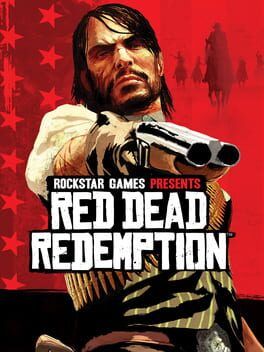

The ESRB has quietly pointed to full current‑gen versions of Red Dead Redemption. Here is what meaningful upgrades in 2026 could look like, and how it fits Rockstar’s growing re‑release strategy.
The original Red Dead Redemption has always felt a little trapped in time. It launched in 2010 on PlayStation 3 and Xbox 360, skipped PC entirely for over a decade, and only arrived on modern consoles in the form of PS4 and Nintendo Switch ports in 2023. Those ports were solid, but they were clearly built for compatibility first and foremost.
Now the ESRB has quietly given Red Dead Redemption a new rating that explicitly lists PS5, Xbox Series X/S and Nintendo Switch 2. After years of rumors, this is the strongest sign yet that Rockstar and Take‑Two are finally preparing fully native current‑gen versions of John Marston’s classic. It would also be the next logical step in Rockstar’s broader strategy of keeping its back catalogue alive between major new releases.
What the ESRB rating really suggests
The new listing, spotted in ESRB databases, specifically tags Red Dead Redemption for PS5, Xbox Series X/S and the still‑unreleased Switch 2. Ratings boards are often where platform plans leak early, and in this case the timing lines up with Rockstar’s current schedule. With Grand Theft Auto 6 now targeting November 2026 after a delay for extra polish, Take‑Two needs reliable tentpole releases to keep revenue flowing.
Red Dead Redemption already received PS4 and Switch versions in 2023, followed by a PC release that finally treated it like a modern game: native 4K, high frame rate options up to 144 Hz, ultrawide support and HDR10. The ESRB’s new rating hints that many of those perks, plus a few platform‑specific extras, could form the backbone of a true current‑gen package in the 2026 window.
The upgrades that would actually matter in 2026
By the time these ports arrive, most players will not be satisfied with bare‑minimum 4K support. Red Dead Redemption’s art direction still holds up incredibly well, but the underlying technology shows its age. The good news is that carefully targeted improvements could transform the experience without needing a full remake.
The single most important upgrade would be frame rate. The original console versions were capped at 30 fps and frequently dipped below that during heavy action. A locked 60 fps mode on PS5 and Xbox Series X/S would immediately make horse riding, shootouts and dead eye targeting feel far more responsive. If Rockstar wants to go further, optional 120 Hz support on capable displays could mirror the options already present in the PC version and appeal to high‑end users.
Resolution and image quality are just as crucial. A true 4K output mode with modern temporal anti‑aliasing would sharpen distant vistas without introducing shimmer or blur. On Xbox Series S, a 1440p target with the same reconstruction techniques would be a reasonable compromise. The key is that these are not simply last‑gen builds running under backward compatibility, but native executables tuned for each console’s GPU and CPU.
HDR support is another area where the 2010 classic could feel reborn. The frontier sunsets, lightning storms and candlelit interiors of Red Dead Redemption are perfectly suited to high dynamic range. Proper HDR10 implementation on consoles, similar to the PC build, would restore detail in bright skies and deep shadows and give the plains a richness they have never had on TV screens before. It is a relatively low‑risk upgrade that has an outsized impact on perceived visual quality.
Rockstar could also sensibly add higher resolution textures for key assets like character faces, weapons and foliage. Even a selective pass that improves close‑up detail during cutscenes and conversations would help the game hold up on large 4K screens. Pairing this with slightly improved shadow resolution and ambient occlusion would push the presentation closer to that of a late PS4 title, all while preserving the original artistic intent.
How Switch 2 could benefit from dual performance modes
The most intriguing part of the ESRB listing is arguably the mention of Nintendo’s next‑gen hardware. The current Switch version of Red Dead Redemption is impressive given the 2017 Tegra hardware it runs on, but it is inevitably constrained by low resolution and a 30 fps target.
On Switch 2, a dual‑mode approach would make the most sense. In docked mode, Rockstar could target a dynamic 4K presentation with reconstruction similar to what we saw on PS4 Pro and Xbox One X. Even a stable 1440p image scaled to 4K would be a big leap from the current Switch release. In handheld mode, a dynamic 1080p or 900p resolution at a locked 60 fps should be realistic given the expected jump in CPU and GPU power.
Equally important will be fast loading. Moving Red Dead Redemption from mechanical drives to modern SSD‑backed storage on all three platforms would dramatically reduce horse ride fast‑travel wait times and initial startup. On a portable system like Switch 2, that could be the difference between playing a quick in‑game day on a commute or never booting it up.
If Nintendo follows through on modern display features like VRR, there is also potential for Rockstar to offer unlocked frame rate options that smooth out traversal and exploration. That sort of flexibility would fit nicely with the series’ slow, immersive pacing.
Fitting into Rockstar’s re‑release strategy
Rockstar and Take‑Two have been steadily building a pattern of re‑releases that keep their flagship brands visible between new tentpole games. The GTA Trilogy remaster, GTA 5’s dedicated PS5 and Series X/S editions, Red Dead Redemption’s PS4/Switch port and the long awaited PC version of the first game all point to a company that sees value in maintaining an evergreen catalogue.
Native current‑gen ports of Red Dead Redemption would slot neatly into that roadmap. They extend the life of a classic Western at relatively low development cost compared to a full remake, they make the series more accessible on modern hardware and they keep Red Dead in the public consciousness while work continues on GTA 6 and whatever comes next.
There is also a strategic Nintendo angle. Red Dead Redemption arriving on Switch 2 alongside a rumored Red Dead Redemption 2 port would signal a deeper commitment to Nintendo’s ecosystem from Take‑Two. That helps diversify revenue and builds a bigger audience for future Rockstar titles.
For players, though, what matters most is that a 2010 masterpiece finally gets to feel as good as it always looked in our heads. A clean 60 fps, true 4K, proper HDR and thoughtful dual‑mode support on Switch 2 would go a long way toward making Red Dead Redemption feel timeless again rather than trapped on ageing hardware.