
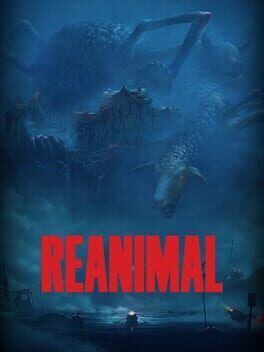

Tarsier Studios’ Reanimal takes the studio’s orphan horror formula into full co‑op, with a new demo and a February 13, 2026 launch date positioning it as one of the most intriguing entries in a crowded horror calendar.
Tarsier Studios has always been good at making children feel small in impossible spaces. With Reanimal, the Little Nightmares team is taking that talent and pulling it directly into the hands of two players. This is not just another side‑scrolling creep‑fest. Reanimal is a fully co‑operative horror adventure about orphaned kids, shared trauma, and the fragile comfort of not being alone when the monsters close in.
From Little Nightmares To Shared Nightmares
If Little Nightmares was about being isolated and powerless, Reanimal is about clinging to someone else while the world tries to pull you apart. The new game follows The Boy and The Girl, two orphans reunited in a hostile world that has already stolen their friends. Where Six and Mono faced their terrors alone, these new children set out together by boat to find and reclaim Hood, Bucket, and Bandage, a trio of kids whose names sound like the makeshift identities you adopt when everything else has been taken.
Tarsier’s knack for oppressive, wordless storytelling is still here. Environments are cluttered with the same kind of visual storytelling that defined Little Nightmares, only this time the focus is on bonds instead of solitude. Every rusted playground, flooded room, and reeking shoreline tells you how much these children have already survived, and why they are so determined not to lose anyone else.
How Co‑op Reshapes Tarsier’s Horror
The biggest structural change from Little Nightmares is Reanimal’s commitment to co‑op. Designed from the ground up to be played either solo with AI or in local and online co‑op, the game uses a shared, directed camera that locks both players into the same frightening frame. Instead of each player controlling their own view, the camera drifts and snaps with the action, heightening claustrophobia as both children squeeze through vents, edge along beams, and hide under the same sagging bed.
This camera choice matters because it removes the comfort of distance. There is no wandering off to a safe corner while your partner deals with a threat. If the camera is pushing in on some shambling figure in the dark, it is pushing in on both of you. Tarsier frame this as being “Scared Together,” and it changes the emotional texture of every encounter. Puzzle solving and stealth become acts of trust. One player might hold a lever while the other darts through a gap, both of them acutely aware that one mistake strands a child on the wrong side of a locked door.
Co‑op also lets Tarsier experiment with pacing in ways Little Nightmares never did. Sequences can be built around separation and reunion, using the bond between The Boy and The Girl as both mechanic and narrative hook. Moments where one kid is forced to distract a lumbering creature while the other scrambles across collapsing platforms are tenser precisely because another human is counting on you, not just an AI companion. It builds a very different kind of dread from Little Nightmares’ lonely scrambles through impossible kitchens and television‑choked streets.
Orphans At The Center Of The Horror
Reanimal doubles down on a theme that has run quietly through Tarsier’s work for years: children with no one to protect them. Here that theme is explicit. The cast is made up of orphans whose home has become a twisted reflection of whatever broke the world in the first place. The Boy and The Girl head out by boat through dead waters to search ruined settlements and grotesque facilities for their missing companions. The names Hood, Bucket, and Bandage sound like survival strategies turned into identities, hints at the kind of injuries these kids carry on the inside and out.
This focus on orphans changes the tone of the horror. Monsters and adults are not just threats; they are symbols of the systems that failed these kids. Environments are more than spooky backdrops. They read like overgrown institutions and forgotten industrial spaces repurposed into hunting grounds. Where Little Nightmares suggested a broader, abstract cruelty, Reanimal feels more personal, more about what it means to grow up in a world that has already decided you are expendable.
Importantly, having two protagonists means the horror is always refracted through a relationship. The way The Boy and The Girl react to each new space, to each other’s mistakes and acts of bravery, becomes a running story of trauma and resilience. Tarsier leans into that emotional throughline, using mask designs, environmental details, and quiet moments between chases to build a sense of a shared past the players are only gradually uncovering.
Masks, Identity, And A Darker Take On Dress‑Up
Tarsier’s roots include years of playful costume design in LittleBigPlanet, but Reanimal turns that history inside out. Masks in this world are not just cosmetic rewards. They are fragments of lore and personality, bits of the world’s violence and history you literally put on your face. The studio talks openly about masks as storytelling tools, each one reflecting the twisted ecosystem the children move through.
Preorders on console come with Foxhead and Muttonhead, two masks that underline the game’s predator and prey dynamic. They are small details on paper, yet they speak volumes about the tone shift from Little Nightmares. Instead of slightly off‑kilter raincoats and paper bags, you are dealing in bestial silhouettes and meat‑market imagery. Exploring the world uncovers more of these masks, along with notes of backstory and hidden scenes, pushing players to poke into every corner of abandoned classrooms and flooded corridors.
That compulsion to explore was present in Little Nightmares, but Reanimal appears more explicit about rewarding it. The promise is clear: masks, notes, and visual storytelling that flesh out the orphans’ history and what their world used to be before it turned against them. While none of these trinkets makes you safer, they make you feel like you belong in the nightmare. It is a clever way of pulling players deeper into the setting’s logic.
What The New Demo Reveals
Reanimal’s latest demo rollout is the first real chance for players on console to feel how all these ideas click together. The demo, available now on Xbox and in the pipeline for other platforms, highlights a chunk of co‑op play built around shared problem solving and tight stealth.
You see how the directed camera keeps both children under pressure, swinging close as they squeeze past grates or split just far enough to test the limits of their tether. Timing‑based sequences that might have felt straightforward in a single‑character game suddenly become negotiations. Do you sprint together across a creaking walkway, or does one kid inch forward and signal when it is safe?
The demo also showcases how Tarsier uses level design to communicate the orphans’ backstory without overexplaining. Toy parts are welded into surveillance rigs. Classroom desks are stacked into barricades and cages. The monsters that stalk these spaces are not just random terrors; they look like they grew out of whatever institutions abandoned these kids long ago. It is a clear statement that Reanimal will use every inch of its world to talk about childhood, control, and escape.
Perhaps most importantly for fans of Little Nightmares, the demo proves Reanimal works whether you are playing with someone on the couch or online. Communication becomes part of the tension, and that is something Tarsier never had a chance to lean on this heavily before.
February 13, 2026: A Crowded Date In Horror
All of this would make Reanimal interesting even in a quiet year, but its February 13, 2026 launch on PS5, Xbox Series X|S, PC, and Nintendo’s next‑gen hardware drops it straight into one of horror’s busiest seasons in years. Early 2026 is already packed with sequels and new IP trying to stake out space before the spring and summer blockbusters arrive.
Landing one day before Valentine’s Day positions Reanimal as the macabre co‑op alternative to more conventional date‑night games. It is an unspoken marketing hook: spend the weekend being terrified with someone you trust. That timing reinforces the Scared Together messaging and could help the game stand out against more solitary horror experiences arriving around the same window.
At the same time, releasing into a stacked calendar means Tarsier and publisher THQ Nordic have to be sharp about what makes Reanimal different. The good news is that it genuinely is not just Little Nightmares 3 in a new coat. Co‑op is not a bolt‑on mode; it is the spine of the experience. The orphan ensemble and heavier focus on interpersonal bonds give it a distinct emotional register. The studio’s pedigree, the strength of word‑of‑mouth from Gamescom and Tokyo Game Show demos, and the upcoming multi‑platform demo strategy all help make the February slot feel like a confident, rather than desperate, choice.
Why Reanimal May Be Tarsier’s Next Big Horror Hit
Viewed in the context of Tarsier’s catalog, Reanimal looks like a natural, if braver, evolution. Little Nightmares proved the team can make unforgettable spaces and fragile protagonists. Reanimal takes those strengths and welds on an extra layer of complexity, asking players not only to keep a child alive but to be responsible for someone else’s fear in real time.
If the full game can maintain the demo’s balance of puzzle solving, stealth, and relationship‑driven horror, Reanimal has a real shot at becoming the studio’s new flagship series. The co‑op structure gives it a hook in a market where many horror games still chase the solitary, streamer‑bait experience. The orphan cast and mask‑driven worldbuilding speak to a richer vein of storytelling that fans of Little Nightmares’ lore will be eager to mine.
In a crowded 2026 horror calendar, that might be enough. Reanimal does not just want to scare you. It wants to make you feel what it is like to be small, outnumbered, and grateful that at least one other person is there in the dark with you.