
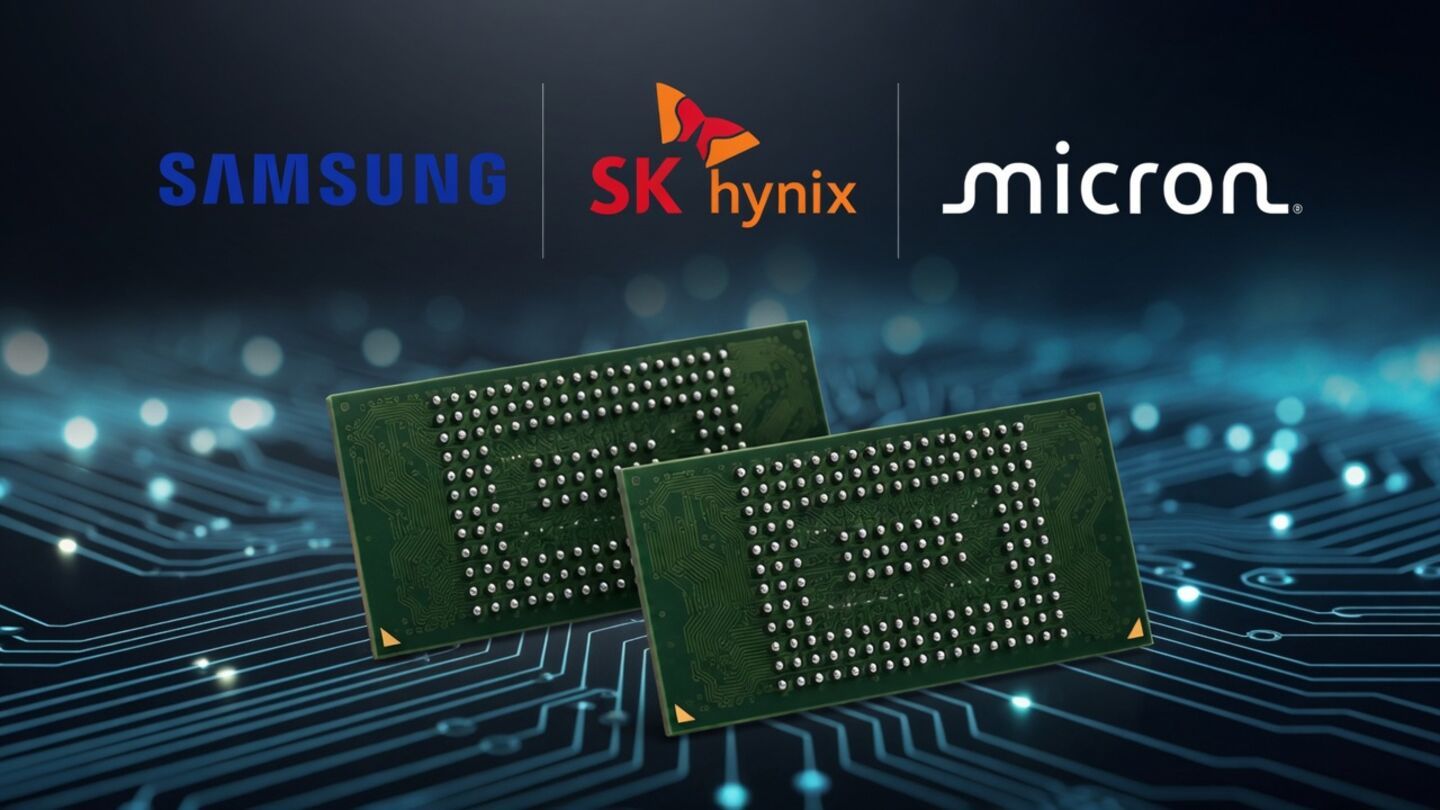

A federal judge refused to dismiss a RAM price fixing lawsuit against Samsung, SK Hynix, and Micron. Here is what the ruling does and does not prove for gaming hardware buyers.
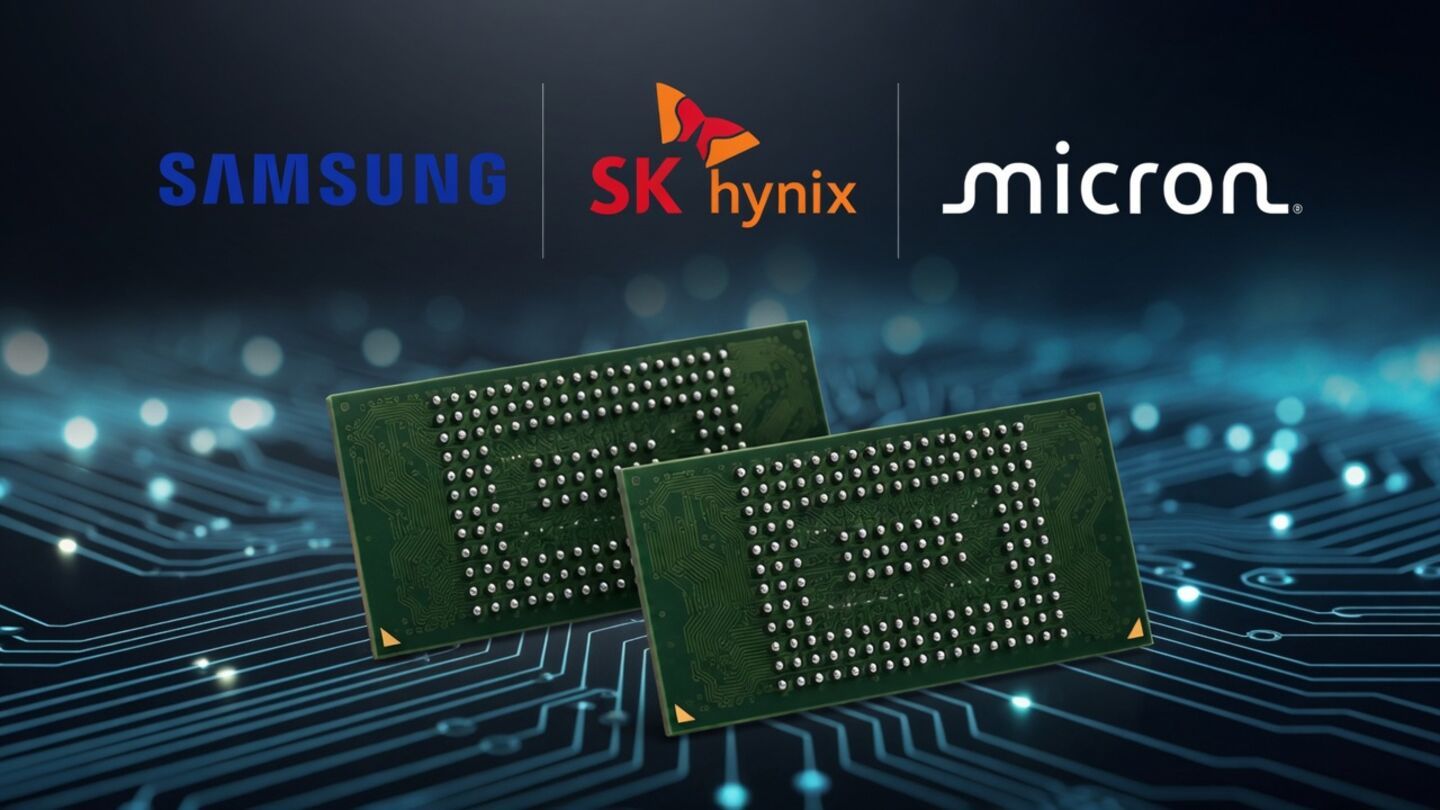
Image: newsbytesapp.com
A judge kept the RAM case alive, but did not decide it
A federal judge has denied Samsung, SK Hynix, and Micron’s attempt to dismiss a proposed class action accusing the three memory manufacturers of coordinating DRAM supply and prices, according to Rock Paper Shotgun, Video Games Chronicle, HotHardware, and Shattered’s summaries of the order in Garciaguirre v. Samsung Electronics. The case was filed in the U.S. District Court for the Northern District of California in June 2026, and the central allegation is direct enough to make every PC builder look twice at a checkout page: the plaintiffs say the dominant DRAM makers reduced consumer-focused memory supply while prices climbed.
That ruling is the strongest concrete development so far in the RAM price fixing lawsuit. It means Judge Noël Wise found the complaint plausible enough to continue past the pleading stage. It does not mean Samsung, SK Hynix, or Micron have been found liable, and it does not establish that the companies colluded. Video Games Chronicle stressed that point plainly, noting that the failed dismissal attempt is only an indication that the lawsuit will continue.
The immediate tension is that the court has allowed the Samsung SK Hynix Micron lawsuit to move forward while the memory market is already painful for buyers. Rock Paper Shotgun framed the case against the backdrop of an ongoing memory crisis, and VGC reported that media have been calling the current squeeze “RAMageddon.” For anyone pricing out a new gaming PC, a workstation, or a console-adjacent setup, this is not a courtroom abstraction. It is about whether the component economy has been distorted by normal capacity shifts, by legal but brutal market incentives, or by conduct the plaintiffs say crossed an antitrust line.
The plaintiffs’ theory centers on supply, not a secret price list
The complaint, as described by Rock Paper Shotgun and Video Games Chronicle, accuses Samsung, SK Hynix, and Micron of moving in lockstep away from consumer-focused DDR3 and DDR4 DRAM and toward HBM, the high-cost, high-bandwidth 3D-stacked memory used mainly in AI datacenters rather than consumer PCs. That distinction matters because the alleged conduct is not framed as a simple claim that executives met and wrote down a higher RAM price. The claim is that supply decisions by three dominant producers allegedly pushed the market in the same direction at the same time.
VGC reports that the suit argues these companies make almost all of the world’s DRAM supply. HotHardware puts the combined share at more than 90% of the global DRAM market. In a commodity market, the plaintiffs argue, a steep rise in prices should normally pull at least one major producer toward greater output of the product becoming more valuable. Rock Paper Shotgun quotes the suit’s logic: “in a competitive commodity market,” at least one of the three large producers, “seeing record prices, would expand output of the product whose price was rising.” According to the complaint, that did not happen.
HotHardware’s account adds the pricing scale alleged by the plaintiffs. It reports that retail DRAM prices increased approximately 500% between early October 2025 and June 2026, while the plaintiffs calculate that conventional DRAM prices rose approximately 697% across an 18-month period. Those figures are related but not identical, and they appear to describe different measurement windows and pricing categories. That is an important distinction for readers tracking headlines. A “500% price surge” and a “697% claim” can both appear in coverage without meaning every RAM kit at retail rose by the same amount.
The complaint also leans on barriers to competition. VGC reports that the suit argues a DRAM fabrication plant can cost tens of billions of dollars and take years to complete. It also claims that reliable chip manufacturing depends on decades of accumulated trade secrets, and that U.S. export controls limit Chinese procedures from acquiring current-generation equipment. Those are allegations in the case, not findings by the court. Strategically, though, they explain why the plaintiffs focus so heavily on the behavior of the big three. If replacement capacity cannot quickly enter the market, coordinated output restraint, if proven, would hit buyers with little near-term escape route.
Samsung, SK Hynix, and Micron deny collusion
The defendants deny having colluded. Rock Paper Shotgun reports that Samsung, SK Hynix, and Micron argued in their motion to dismiss that the case retreads ground covered by an earlier antitrust matter. VGC similarly reports that the companies said the suit was a repeat of a similar antitrust investigation from 2018. The judge did not accept that argument at the dismissal stage, but that is different from rejecting every defense they may later raise.
The companies also leaned on a familiar antitrust point: in a concentrated market, competitors observe one another closely. Rock Paper Shotgun quotes the defendants using the late Judge Richard Posner’s line that “[c]ompetitors in concentrated markets watch each other like hawks.” That argument is designed to separate parallel business behavior from illegal agreement. If all producers face the same demand shock, the same AI boom, the same capital costs, and the same incentives to prioritize higher-margin products, similar decisions can happen without a conspiracy.
Judge Wise’s response, as reported by Rock Paper Shotgun and VGC, is the line likely to follow this case around: “But Plaintiffs’ allegations go beyond hawks watching each other. Their contentions are more akin to hawks flying in formation, an activity that hawks ordinarily do not do.” In legal terms, the court found enough in the complaint to let the plaintiffs seek evidence. In strategy terms, the judge did not say the formation has been proven. She said the alleged pattern is coherent enough that the defendants could not end the match before discovery begins in earnest.
That procedural posture should discipline the conversation. A dismissal denial is an opening phase win for the plaintiffs, not a verdict. Shattered’s analysis states that the order keeps the proposed class action alive and does not find any of the three companies liable. It also reports that the defendants were expected to answer the complaint after the dismissal ruling, with a case-management conference set for January 2027. Shattered notes that one report gave January 12 as a date, but said the available court-order information it had did not confirm that specific day.
The gaming hardware angle is the cost stack, not a single RAM stick
Gamers should care about memory price fixing allegations because DRAM sits inside the broader build economy. When gaming PC RAM prices rise, the damage rarely stays isolated to one line item. The buyer comparing a CPU, motherboard, GPU, SSD, monitor, and memory kit has a fixed budget. If RAM absorbs more of that budget, something else usually gets downgraded, delayed, or skipped. That is the hardware meta in plain terms: a price spike in one slot changes the optimal build path across the whole system.
The lawsuit’s HBM allegation sharpens that point. Rock Paper Shotgun and VGC both report that the complaint accuses the manufacturers of shifting away from DDR3 and DDR4 toward HBM, a high-bandwidth memory product associated in the source material with AI datacenters. For a gamer, HBM may feel distant from a DDR4 desktop upgrade, but the allocation question is close to home. If production attention and capacity move toward the most lucrative datacenter memory, the consumer market may feel tighter supply and higher prices even before any court decides whether those moves were lawful competition or unlawful coordination.
This is also a console and system-price story, at least indirectly. VGC reports that a PS5 Pro now costs $899, up from its $699 launch price, due to spiralling component costs. The article also states that, as memory and storage prices continue to rise, companies using those components have been increasing product prices accordingly. That does not prove the lawsuit’s allegations. It does show why the RAM crisis gaming hardware discussion extends beyond DIY desktop builders. Memory and storage are embedded costs in nearly every modern game machine.
The practical read for buyers is cautious rather than dramatic. This ruling is unlikely to make RAM cheaper next week. Rock Paper Shotgun warns readers to shelve hopes of a rapid solution to the memory crisis, citing its own reporting that the situation may last until at least 2028. If you need memory for a current build, the case gives no reliable timetable for relief. If you can reuse existing RAM, postpone a nonessential capacity jump, or compare total platform cost before switching motherboards and memory generations, that kind of planning is more useful than waiting for the court to reset prices.
The industry’s past hangs over the case, but does not prove the present
The DRAM market has a documented history of price-fixing enforcement, which is one reason this case is getting attention from hardware buyers who remember older memory scandals. The Wikipedia summary provided in the source material states that the U.S. Department of Justice began a DRAM probe in 2002 after complaints from computer makers including Dell and Gateway, and that five manufacturers eventually pleaded guilty to involvement in an international price-fixing conspiracy between July 1, 1998 and June 15, 2002. The companies listed there include Hynix, Infineon, Micron, Samsung, and Elpida.
That earlier history also included major fines, according to the same public summary. Infineon was fined $160 million in 2004, Hynix was fined $185 million in 2005, and Samsung entered a guilty plea in October 2005. European antitrust regulators later fined nine semiconductor manufacturers more than €331 million for a cartel that operated in 2002, according to the same source.
None of that establishes that Samsung, SK Hynix, or Micron engaged in the current alleged conduct. Prior cases can shape public skepticism and make judges, journalists, and consumers more attentive to market structure, but each antitrust case still lives or dies on its own facts. The defendants’ motion, as reported by RPS and VGC, tried to cast the current complaint as recycled from prior antitrust ground. Judge Wise allowed this newer theory to proceed at the pleading stage, which means the court saw enough distinction and plausibility to continue. It does not mean the earlier cartel record can substitute for proof of a current agreement.
For readers, that is the correct frame for memory price fixing coverage. The past makes the sector’s incentives and vulnerabilities easier to understand. It does not let anyone skip the evidence phase. The plaintiffs still have to connect current output decisions, pricing behavior, market communications, and buyer harm in a legally persuasive way.
The case now moves into the phase where evidence has to carry the theory
The next strategic battle is proof. The plaintiffs have survived the first gate by alleging a plausible antitrust story. To win, they will need evidence that the companies did more than respond independently to the same market forces. In antitrust terms, parallel conduct is not automatically collusion. The plaintiffs will need to show facts that make an agreement, coordination, or unlawful understanding more likely than lawful competitive behavior.
Based on the allegations reported by HotHardware, VGC, and Rock Paper Shotgun, the evidence fight is likely to focus on production cuts, capacity reallocations, exits from older memory product lines, internal forecasts, communications, and pricing data. The plaintiffs’ theory depends on the claim that rising prices should have lured at least one major supplier into expanding conventional DRAM output. The defendants are likely to argue that AI-driven HBM demand, profitability, capital allocation, and market observation explain similar moves without any illegal pact. That is where the case becomes less about a headline percentage increase and more about documents, depositions, economists, and causation.
Damages are another hard problem. A class of consumers and small businesses, described by HotHardware as 17 plaintiffs from five states, may argue that they paid inflated prices for DRAM or for products containing DRAM. But courts typically need a workable model for class-wide injury and overcharge. The plaintiffs must separate the alleged anticompetitive effect from lawful supply-demand pressure, datacenter demand, product transitions, and retailer behavior. A high price spike can make a case feel intuitive, but the courtroom version needs a measurable bridge from alleged conduct to specific harm.
For gaming hardware buyers, the clearest guidance is to treat the lawsuit as a signal, not a solution. The court has said the allegations are plausible enough to proceed. The companies deny collusion. No liability has been found. Prices may remain volatile for reasons that include the alleged conduct, lawful capacity choices, AI memory demand, and the sheer difficulty of adding DRAM production. If you are planning a gaming PC, the smarter move is to budget with current prices, watch for verified supply changes, and avoid assuming that a court case will rescue a build list on a predictable schedule.
The ruling matters because it keeps public scrutiny on a concentrated memory market at the exact moment gamers are feeling the squeeze. The final outcome, however, is still unwritten. In this economy game, the opening build order has been challenged. The late game will be decided by evidence.