
Ubisoft is bringing Solid Snake into Rainbow Six Siege as a full Year 11 Operator, complete with Metal Gear style flair and a long-awaited face-off with Sam Fisher. Here’s what’s been teased so far and what it might mean for Siege’s competitive identity.
Rainbow Six Siege has never been shy about crossovers, but its latest move is easily the wildest yet. Ubisoft has confirmed that Solid Snake from Metal Gear Solid is joining the roster as a full Operator in Year 11, not just a limited cosmetic bundle.
This collab pairs two of stealth gaming’s biggest icons in the same tactical sandbox: Metal Gear’s Snake and Splinter Cell’s Sam Fisher. For a game that built its reputation on grounded counter‑terrorism and tight competitive balance, Snake’s arrival is more than a bit of fan service. It is a statement about what Siege wants to be in its second decade.
How Solid Snake Fits Into Year 11
Ubisoft revealed the crossover in a short teaser ahead of the full Year 11 roadmap showcase, which is scheduled to air during the Six Invitational in Paris. Snake is being introduced as a proper Operator in the Year 11 lineup, which means he will come with his own gadget, loadout options and role within the meta rather than existing as a skin for an existing character.
The teaser leans hard into classic Metal Gear framing. The camera lingers on a figure in a familiar sneaking suit while a codec‑style call plays over the top. This is not Siege borrowing a few gun models from Konami. It is Ubisoft giving Snake a formal slot in a roster that, until now, has largely stuck to original operators or characters rooted in Tom Clancy fiction.
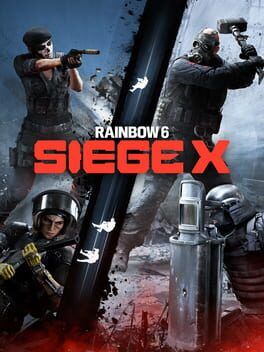
Year 11 is also the first full year under the refreshed Rainbow Six Siege X banner, following the game’s anniversary overhaul. Folding Snake into that larger rebrand is a way for Ubisoft to signal that the next phase of Siege will be just as much about recognizable gaming icons as it is about fictional CTUs.
Teased Gadgets And The Shape Of Snake’s Kit
Ubisoft has not published raw stats or a full breakdown yet, but the marketing direction and early leaks point to Snake being more than a basic gunfighter. Dataminers who flagged the crossover ahead of time emphasized that it is not just a skin deal, which strongly suggests at least one signature gadget drawn from his stealth roots.
The teaser focuses on the way he moves rather than the weapons he carries. Snake glides through smoke in that tight sneaking suit before drawing a sidearm that resembles his classic SOCOM pistol, hinting that precision and noise control will matter. That, paired with the codec presentation, positions him as a specialist in information, misdirection or ultra‑quiet entries rather than a simple breacher or gun‑up entry fragger.
Looking at Metal Gear’s design language gives us a few responsible guesses about where his gadget might land.
Snake is defined by information warfare and unconventional stealth tools. In Metal Gear Solid he leans on radar systems that paint enemy positions, directional listening tools and gadgets that let him see or hear what others cannot. Translating that into Siege suggests a gadget that manipulates visibility, sound or detection, perhaps by obscuring defenders’ intel or feeding attackers more detailed positional data. Ubisoft will have to tune anything in that space carefully so that Snake augments the existing information ecosystem built by operators like Lion, Jackal and Zero rather than replacing them.
He is also famous for environmental camouflage. The cardboard box is an obvious candidate for a cosmetic emote or victory pose rather than a core mechanic, but Siege’s designers could nod to his love of cover and concealment in subtler ways. A deployable device that alters how cameras or proximity gadgets see him, for instance, would stay on theme without blowing up the game’s fundamentals.
What seems unlikely is that Ubisoft will hand Snake some completely new, high‑damage explosive or map‑altering gadget that conflicts with Siege’s established destruction and utility economy. Recent operator design trends have been about adding creative counters and information tools that sit neatly in the existing web of gadgets, and Snake will almost certainly follow that pattern.
Sam Fisher And Snake: The Stealth Icons Finally Meet
The teaser is built around one thing fans have wanted for years. Sam Fisher addresses Snake over a codec line with the kind of terse urgency you would expect from a Splinter Cell op. The two characters have lived side by side in the stealth genre conversation for decades, but never directly crossed over in a mainline game.
Fisher’s presence matters because he is already embedded in Siege’s universe as the Operator Zero, with his Argus cameras giving attackers flexible wall vision. By having Fisher be the voice that welcomes Snake in, Ubisoft quietly frames this crossover as more than a marketing stunt. It reads like an in‑universe meeting of specialists, which opens up space for unique voicelines, contextual barks and squad banter.
If Ubisoft goes further with that idea, Year 11 could feature tailored interactions when Snake and Zero are on the same team or opposing sides. Simple touches like unique callouts, pre‑round dialogue or quips on kills and revives can go a long way toward making a licensed guest feel integrated instead of pasted on. Fisher and Snake trading lines about tactics, stealth philosophy or even tongue‑in‑cheek references to their own franchises would help sell the fantasy without needing heavy story cinematics.
There is also an opportunity for Ubisoft to correct course from Sam Fisher’s own debut in Siege. Zero’s gadget kit is fun but never fully captured what people associate with Splinter Cell’s systemic stealth. With Snake, Ubisoft has a second chance to tether a crossover icon more closely to the strengths that made him famous.
Licensed Guests And Siege’s Competitive Identity
Snake’s arrival drops into Siege at a delicate moment for its identity. The game started life as a grounded, no‑nonsense counter‑terrorism shooter, then gradually layered on brighter cosmetics and crossovers with franchises like Attack on Titan and The Boys. Those were eye‑catching but mostly lived in the skin catalog, which insulated the competitive sandbox from too much thematic drift.
Bringing Solid Snake in as a full Operator is a different kind of bet. It suggests that Ubisoft is willing to let external intellectual property sit at the heart of Siege’s meta instead of just in the wardrobe. The key question is how far that door opens.
Handled carefully, licensed guests can actually serve the competitive scene rather than distract from it. One positive path forward is for Ubisoft to use outside icons as vehicles for highly readable, mechanically sound operator designs. Snake, for instance, could make information denial or stealth mechanics easier for new players to grasp precisely because they already understand what he represents from Metal Gear. That kind of intuitive theming can lower the learning curve without simplifying the game.
There is also a discoverability angle. High profile crossovers tend to drive attention spikes and pull lapsed players back in. If Ubisoft couples those spikes with balance focused patches and quality‑of‑life updates, competitive Siege can benefit indirectly from the extra eyes and a healthier player population.
The risks are real though. If guest operators start to pile up faster than original ones, or if their kits bend the rules in ways that do not feel fair, Siege could feel less like a coherent tactical sim and more like a crossover arcade. A Metal Gear character fits thematically with special operations and black ops missions, but a long string of increasingly out of place guests would stretch the fiction and could make competitive matches visually noisy and harder to parse.
The healthiest outcome would see Ubisoft treat Snake as a special case rather than a new baseline. Licensed guests should be exceptions that align closely with Siege’s tactical DNA, arrive with clear counter‑play baked in and avoid gimmicks that dominate ranked play. If Snake launches in that lane, he could become proof of concept that Siege can expand its universe without losing its competitive soul.
What To Watch For As Year 11 Unfolds
The full picture will only become clear once Ubisoft reveals Snake’s precise stats, gadget behavior and role during the Year 11 showcase. Competitive players should keep an eye on a few specific details once that happens. How much information does his gadget provide or deny compared to existing operators, and at what cost in utility? How clearly readable is his kit from the defender perspective, both visually and audibly? Does he introduce any new interaction patterns that power creep on current staples, or does he instead open up fresh synergies with underused operators?
The answers to those questions will determine whether Solid Snake is remembered as a novelty or as a turning point. Right now, Siege stands at a crossroads between its tactical roots and its newer crossover‑driven ambitions. Snake walking through that smoke is Ubisoft’s way of saying it believes the game can be both, provided the design disciplines that built Siege’s competitive scene stay in place.
For now, we know one thing for sure. After years of arguments over who would win in a stealth showdown between Sam Fisher and Solid Snake, Rainbow Six Siege is finally about to let players settle the question inside one of the most intricate tactical shooters around.