
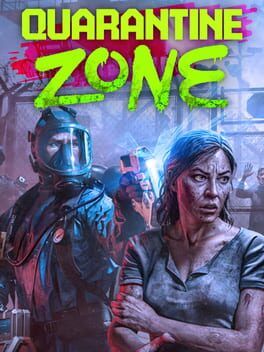

Early‑game tips, key achievements, and how to juggle moral choices with survival in Quarantine Zone: The Last Check.
Where To Start In Quarantine Zone: The Last Check
Quarantine Zone: The Last Check drops you into a checkpoint that feels like a mix of Papers, Please and a zombie survival sim. Every shift you inspect survivors, check documents and symptoms, and then decide whether to trust, quarantine, or liquidate them. On top of that you manage money, research and base upgrades while the city around you slowly changes.
If you are arriving via Steam or Game Pass and just want to get your bearings quickly, this primer is built to sit alongside our review and get you through the first few in‑game days without tanking your run.
Core Mindset: Accuracy First, Speed Second
Your main enemy early on is not the zombies, it is mistakes. Every wrong call costs you money, health, or stability, and that snowballs into harsher days down the line. On Day 1 and 2, aim to be almost painfully careful.
Read the infection rules for the day before you let the first survivor through. Check what the current strain looks like, what symptoms matter, and which documents are required. The game will slowly introduce more tools and complexity but the fundamentals never change: inspect, cross‑check, then decide.
Do not rush the first few waves to chase bonuses. Learn the visual tells, get comfortable switching tools, and only then start pushing for quota or time‑based rewards.
Early‑Game Routine For Safe Progress
A simple loop works well for your opening shifts.
Start the day by scanning the news, briefings, and bulletin board. These screens foreshadow new mechanics, special visitors, and optional contracts that can change your priorities. If a contract asks you to find contraband, you know to pay more attention to body scans and item checks. If the city is panicking about a new mutation, expect trickier infection patterns.
When a survivor steps up, run through a consistent checklist. Look at documents first for name, ID, and reason for entry, then compare them to visible traits like age, height, or injury notes. Follow that with a basic health check and only then switch to advanced inspection tools if anything feels off. Building that rhythm means you make fewer snap mistakes when the checkpoint gets busy.
Between waves, use any quiet time to interact with the environment. Lights, rats, targets on the range, even the zombie cage all have uses later, both for practice and for picking up easy achievements once you know what you are doing.
Smart Money And Upgrades In The Opening Hours
Your pay is tied to performance and consistency, so the first big financial goal should simply be avoiding penalties. Once you have a few solid days behind you, start thinking about how to spend your cash.
Early inspection tools are worth every dollar. Anything that speeds up symptom detection or reveals hidden contraband directly protects you from late‑game problems where infections get subtle and smugglers get bold. Try to unlock your first extra tool as soon as the option appears, since it also ties into an achievement.
Avoid splurging on cosmetic or luxury upgrades until your basic workflow feels stable. A good early priority is improving the survivors’ block with a cheap building upgrade. It nudges your ending prospects in a better direction and contributes toward long‑term achievement progress without demanding a huge investment.
Lab, Tools And Environmental Tricks
The lab is not just flavor text. Researching symptoms there improves your understanding of how each strain behaves and feeds into your decision making when cases get messy. Commit to running research as soon as it unlocks, even if you can only afford slow, basic tests at first.
Experiment with your tools on safe targets. The game quietly rewards curiosity. Testing a scanner or thermometer on checkpoint staff, shooting out a few bulbs, or poking at rats and the zombie cage all teach you how systems react. It is better to learn those reactions on a calm day than during a late‑game rush where mistakes can flip a run.
The environment doubles as a playground for some of the more playful achievements. If you notice a hoop, breakable objects, or suspicious props, assume the designers put them there for a reason. Take a minute after a shift to see what happens when you interact with them.
Achievement Pointers For New Players
If you like building toward 100 percent completion from the start, there are a few easy targets you can fold naturally into your early runs without going out of your way.
The very first wave of achievements just wants you to play normally. Finishing your first full shift, meeting evacuation quotas, and earning a bit of cash will all pop trophies on their own. Treat these as milestones for learning the rules rather than goals you have to chase.
Next are the tool and lab achievements. The moment new gear becomes available, prioritize buying at least one inspection device so you can trigger the “first tool” unlock. As soon as the lab opens, run your first symptom research to capture that trophy as well. These are one‑time tasks that also make the game easier.
There are several combat and interaction achievements that are easiest to grab while the stakes are still low. Knocking out a survivor with the medical hammer, confiscating a zombie body part, discovering hidden contraband, or cleaning the Quarantine Cell all become much harder to set up once you are juggling more systems. Take advantage of slower early days to trigger them in controlled situations, ideally when you can afford the consequences.
Finally, pay attention to bulletin board tasks, upgrade prompts in the survivors’ block, and hints about alternate endings. The game tracks how you respond to these systems. Completing tasks, fulfilling bounties, and investing in the city point you toward one set of outcomes, while neglect and brutality push you toward another. If you are chasing both the good and bad endings, start thinking about your direction even in your first week.
Balancing Morality With Survival
The biggest tension in Quarantine Zone: The Last Check lives in its morality. You are constantly weighing a stranger’s life against the safety of the city and the survival of your own staff and family.
A practical way to navigate this is to define a personal rule set before the pressure ramps up. Maybe you decide that anyone clearly infected gets liquidated, borderline cases go into quarantine, and only clean, fully documented survivors are allowed through. If you hold to that rule, you will still make mistakes, but you will feel more in control and the narrative consequences will make more sense emotionally.
Quarantine is your best friend for staying humane without risking a total outbreak. When you are unsure, quarantining buys time and often gives you follow‑up information that clarifies their condition. It can be slower, and you may miss some short‑term rewards, but you also avoid the gut punch of knowingly sending an infected person into the city.
On the flip side, the game does not shy away from rewarding harshness in certain systems. Liquidating clearly infected or hostile survivors can bring money and reduce immediate danger. Use that lever carefully. Leaning too heavily into brutality might smooth out your resource curve but it drags you toward darker narrative outcomes and can lock you into the bad ending path.
For a first full playthrough, aiming for a “principled but pragmatic” run is a good compromise. Accept that you will occasionally make an ugly call to protect the checkpoint, but try to treat quarantine as your default when the situation is murky. Then, once you understand how endings branch, you can commit to an intentionally ruthless or saintly route for achievement hunting.
Planning For Multiple Endings
Most of the game’s long‑term achievements revolve around how well you maintain order and how you invest in the community. Track your quota performance, keep an eye on how often you resort to lethal force, and do not ignore side objectives posted on the board.
If you want to secure the “good” path, prioritize accuracy over volume, minimize unnecessary executions, and invest in buildings and services for survivors whenever you can. Combine that with steady completion of bulletin contracts and you will gradually push the story toward a more hopeful conclusion.
If you later go for the darker ending, you can flip that logic. Focus on raw survival and efficiency, fulfill the more violent or morally gray contracts, and treat the city as a resource rather than something worth protecting. Doing this in a second run is usually easier, since you will already know how the mechanics react to your choices.
Final Quick Tips Before You Clock In
Take your time on the first couple of days and think of them as a tutorial sandbox rather than a test. Lock in a simple inspection routine, invest in at least one extra tool and some basic research, and grab the low‑risk achievements tied to experimentation while the campaign is still forgiving.
From there the game becomes a long conversation between your conscience and your need to survive. As long as you understand that both the story and the achievement list are watching how you resolve that tension, you will be ready for whatever the checkpoint throws at you.