
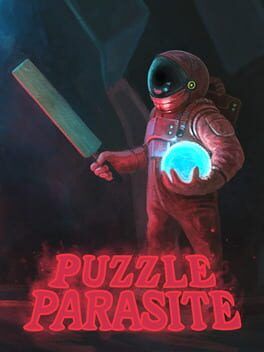

A systems-focused look at Puzzle Parasite’s telekinetic physics, how its bat, cubes, and environments interlock, plus practical PC and accessibility tips from the Steam release.
Puzzle Parasite doesn’t just give you telekinesis as a cool power. It builds nearly every system around the idea that thoughts have weight, objects have purpose, and a well-aimed swing of a cricket bat can be as important as the perfect physics angle.
This feature looks past the broad review impressions and into how its telekinetic physics are wired, how melee and environmental puzzles talk to each other, and what PC settings and accessibility options you should tweak on Steam to get the most out of it.
Telekinesis As A Physics-First Power
Puzzle Parasite’s central trick is that telekinesis behaves more like a physics gun than a simple “press to pull” ability. The game leans on rigid body physics and projectile motion, so your powers always feel grounded.
Instead of snapping objects to fixed sockets, you are constantly managing:
The mass and momentum of energy cores and crates, the travel arc of objects you throw, and the friction and collision angles when they bounce off walls or railings.
The result is that a solution rarely feels like entering a key into a lock. It feels more like setting up a trick shot. When you hoist a glowing core into the air, you are thinking about its spin, how sharply you can curve its path around a hazard, and whether you can chain a bounce so it plugs itself into a distant socket.
Wrenfall’s level design leans into this by giving you forgiving collision shapes and soft auto-correction for small misses, but the core experience is still about reading physical space and shaping it with your mind.
The Relationship Between Telekinesis And The Cricket Bat
The other half of Puzzle Parasite’s physics fantasy is surprisingly analog. Your bat is not just a combat tool. It is a way to add energy, timing, and direction to the things you manipulate telekinetically.
A classic interaction starts with lifting an object via telekinesis, then letting it drop or float into the right strike zone. Once it is in position, you step in with a swing to redirect it with far more force than your mind alone can manage.
This has a few important systems implications.
Telekinesis is great for precision placement. The bat is great for acceleration. Combine them and you get shots that can clear longer gaps, take sharper ricochet angles, or bash heavier objects that would otherwise be too sluggish in midair.
Some puzzles explicitly demand that synergy. You might need to loft a core so it hangs in front of a laser grid, dash forward, and smack it sideways to catch a moving receptacle at just the right moment. Telekinesis sets the stage, melee commits to the play.
Environmental Puzzles As Layered Physics Toys
The environmental design in Puzzle Parasite is there to make those systems collide.
Early rooms focus on single-idea problems. Place a cube on a plate to power a door, thread an energy shot through a simple window of safety, learn how far a bat swing can carry an object.
As you progress, these ideas start to overlap.
You will see stacked goals, like needing to route a power beam through multiple relays while also protecting yourself from reflected lasers. This is where the telekinesis, melee, and environment become a single puzzle machine.
You might:
Float a core around a corner with telekinesis so it barely peeks into a firing lane, smack it down a hallway at high speed to outrun a closing gate, then use the environment’s geometry to let it ricochet toward an otherwise hidden socket.
The environment works as a combination board. Railings, slopes, and angled walls give you natural banks for trick shots. Suspended platforms and moving devices force you to think in timing windows rather than static solutions. The designers clearly built layouts to encourage experimentation so there is often more than one viable path.
What keeps this from feeling chaotic is that the game’s physics are intentionally tuned. Objects are light and responsive, the bat’s swing arc is generous, and the telekinesis aim assist has a subtle snap to interactable items. None of that breaks the core challenge, but it trims off most of the clumsiness that pure simulation-heavy puzzle games can fall into.
Learning To Read Puzzle Parasite’s Physics Language
Over time, Puzzle Parasite teaches you a quiet visual language that makes its systems more legible.
Color coding and emissive glows help you separate interactive cores and conduits from background clutter. Clear silhouettes on sockets, pressure plates, and switches telegraph what can accept energy or weight. You begin to spot the likely lines of fire and ricochet angles before you try anything.
Environmental staging also plays a role. Rooms are framed so that important elements sit within your central view cone as you enter. Often you can see at least the start and end of an interaction path right away, even if the route between them is obscured. This framing nudges you toward the correct mental model. You are solving how to carry energy from A to B, not aimlessly searching for a hidden object.
Because telekinesis and melee are both physics-driven, the game leans on repetition of patterns rather than text-based instructions. Once you have learned that a certain slope will kick a cube at roughly a 45 degree angle or that a bat swing at full power sends a core across a standard room length, you can start to internalize “moves” and reuse them elsewhere.
That is the heart of the systems design. It is less about memorizing puzzle solutions and more about mastering a compact toolkit of physical verbs.
PC Settings To Tame The Telekinesis
On Steam, Puzzle Parasite is not a heavy game to run, but some settings are worth tuning so that the physics and aiming feel as clean as possible.
If your GPU is midrange or older, prioritize frame rate over visual extras. A stable 60 fps or better makes telekinetic aiming and bat timing feel much smoother than a prettier but inconsistent 30.
In the graphics options, start by lowering or disabling motion blur and depth of field. Both can make fast object movement harder to track, which is the opposite of what you want in a game about guiding flying cores through narrow gaps.
Shadow quality and post processing are usually the biggest performance levers. Dropping shadows from high to medium and trimming bloom or ambient effects can free up enough headroom to keep your frame rate solid while preserving the game’s atmosphere.
If you are running on a laptop or modest PC, cap the frame rate slightly below your monitor’s max refresh and enable v sync or a form of adaptive sync if available. This can reduce judder during quick camera pans and help telekinetic object tracking feel less jittery.
Puzzle Parasite is very mouse friendly, so it is worth tweaking sensitivity until flicking between targets feels natural. A lower sensitivity with a touch of in game aim smoothing often works best, especially when lining up angled bank shots on distant sockets.
Accessibility Tips And Comfort Options
Puzzle Parasite’s accessibility profile is rooted in comfort and clarity rather than deep remapping systems, but there are still several easy tweaks that can make it more approachable.
If you are sensitive to fast motion, reduce camera sensitivity and look for any camera shake option in the settings. Cutting shake and lowering turn speed can make intense telekinetic sequences less disorienting without sacrificing responsiveness.
For visual clarity, raise brightness slightly above default and lean on any color or contrast options if they are available. Since the game uses glowing energy and high contrast props against darker sci fi backdrops, even a minor brightness bump can prevent eye strain across longer sessions.
Subtitles are essential if you are following the story, so ensure they are enabled and adjust size if there are options for that. The narrative is light enough not to overwhelm, but key hints about the world are delivered through voice and text.
Players with fine motor challenges may want to adjust key bindings to keep critical actions within easy reach. Put telekinesis and bat controls on comfortable primary buttons and avoid stretching to awkward modifier keys during quick puzzle sequences.
Finally, listen to your own pacing. Puzzle Parasite is structured around discrete rooms, which makes it easy to take breaks. If a physics solution demands too much repetition, stepping away and coming back with a fresh read of the environment can be as important an accessibility tool as any option screen.
Why Puzzle Parasite’s Systems Work
By binding its core abilities directly to physics and then building rooms that exploit that connection, Puzzle Parasite turns telekinesis into more than a flashy power. It is a language for interacting with the world.
Telekinesis lets you place and nudge. The cricket bat layers in power and timing. The environments catch those forces and route them through rails, angles, and sockets until an elegant solution clicks into place.
If you tune your PC for clarity and comfort, the result is a puzzle adventure where every solved room feels a little like landing a perfect trick shot, powered by your brain, your bat, and a smartly tuned physics engine.