
Hands-on impressions of Puppergeist’s Steam Next Fest demo, covering its visual novel and rhythm hybrid structure, bittersweet Doggie Underworld vibes, and what it promises for pacing and replay value for fans of Sayonara Wild Hearts and Rhythm Doctor.
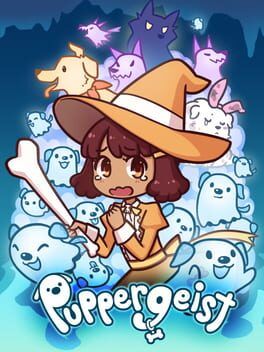
If Sayonara Wild Hearts and Rhythm Doctor ever took a detour through a pastel-tinted dog afterlife, it would probably look a lot like Puppergeist. Serenity Forge’s “heartwarming rhythm visual novel” has a free Steam demo for Next Fest, and it is a surprisingly confident first look at a very specific niche: narrative-forward rhythm about grief, healing, and a lot of very good ghost dogs.
A rhythm game that actually is a visual novel
Plenty of rhythm games say they care about story. Puppergeist plays like a visual novel first, with rhythm stages slotted in as emotional peaks instead of menu-separated tracks. You play as Claire, a young witch who descends into the Doggie Underworld to find her lost pup. Most of the demo is spent reading dialogue, choosing occasional responses, and soaking in character introductions before you ever tap a single beat.
That slower structural framing is going to matter to fans coming from Sayonara Wild Hearts or Rhythm Doctor. Puppergeist isn’t about score-chasing through a setlist. It is about meeting specific dogs, learning what’s weighing on them, then resolving that tension through music. Each rhythm sequence functions like a narrative payoff for the scene that led into it. Rather than “Level 1, Level 2,” it feels more like chapters in a VN where your big decisions involve landing the timing and patterns that let these spirits finally relax.
The demo covers the early stretch of Claire’s journey and introduces a few key spirits. Conversations are fully illustrated with expressive character portraits and animated flourishes, and the writing leans more on gentle humor and earnestness than mechanical exposition. If you’re willing to sit in VN-style scenes as the build-up for your next musical spike, the structure immediately clicks.
Heartfelt first, spooky second
The premise screams “ghost dogs in the underworld,” but the tone of the demo is far more tender than creepy. Think Rhythm Doctor’s most emotional stages or Sayonara Wild Hearts’ breakup tracks rather than anything resembling horror. The Doggie Underworld is melancholy in concept, yet the script keeps things cozy and reassuring.
Conversations linger on small, specific details of each dog’s life: favorite toys, memories with their humans, anxieties they carried with them into the afterlife. These vignettes are bittersweet, but the game always circles back to warmth. Claire is constantly, quietly kind in how she approaches each spirit, and the dogs themselves are written with the kind of sincerity pet owners are going to recognize instantly.
There are a few moments where the demo dips into something eerier. Backgrounds get slightly more desaturated, sound design grows sparse, and you feel the weight of what it means for a dog to be stuck here. Yet even those scenes are there to make the heartfelt releases land harder. The overall impression is that Puppergeist is using the afterlife as a framework to talk about saying goodbye, not to scare you.
The Doggie Underworld as stage and character
What really sells the demo is how thoughtfully the Doggie Underworld is presented. Visually, it sits somewhere between a children’s storybook and an ethereal liminal space. Hand-drawn backgrounds layer misty forests, floating bones, and gentle neon signage for spectral dog hangouts. There is an ever-present sense that this is a place designed for dogs rather than humans.
Cerberus-like gatekeepers loom large yet with rounded, plush shapes instead of jagged menace. Floating paw prints, spectral squeaky toys, and subtle animations in the background keep the screen alive during dialogue. Even UI elements echo the theme, with heart-shaped paws and gently wobbling beat markers.
Music and sound are just as central to the Underworld’s identity. The demo’s tracks mix sleepy lo-fi pulses with more upbeat, toybox-like percussion when you’re lifting a spirit’s mood. Rhythm segments don’t break you away into a totally separate aesthetic; backgrounds shift, saturate, and respond to the song, keeping Claire and her canine partner front and center the whole time.
It feels closer to how Sayonara Wild Hearts uses its album-like progression and unified visual language to make every stage part of one cohesive journey. Here, instead of neon motorbikes and tarot, it is charm-laden dog limbo.
How the rhythm feels in the hands
Mechanically, the demo keeps things simple but readable. The early songs rely on single-lane inputs and clean visual cues, with a focus on matching Claire’s gestures and the spirits’ reactions. Think of it as closer to Rhythm Heaven’s microgame clarity than the dense polymeter trickery of Rhythm Doctor, at least in this slice.
The best part is how tightly the beats line up with character animation. Dogs bop, tails wiggle to the tempo, and Claire’s spellcasting hits on strong beats and phrases. Success immediately feeds back into the story: hit notes cleanly and the spirit brightens up, with dialogue and expression changes, not just score pop-ups.
There are hints of higher difficulty to come. The demo teases multi-lane patterns, off-beat syncopation, and short “solo” flourishes that ask for a bit more focus. If you typically play rhythm games on higher difficulties, the demo’s content is unlikely to push you yet, but it does communicate that Puppergeist wants to evolve past tutorial-level patterns.
Pacing: a slow, deliberate groove
For Steam Next Fest, first impressions of pacing can make or break a demo. Puppergeist commits to a deliberate tempo. You will spend more time reading than actively hitting notes, and early on, there are long stretches without rhythm at all. It is more like booting up a new VN route than jumping into a set of charts.
That means the moment-to-moment pacing may feel languid if you primarily chase fast, dense rhythm games. For players who live for character writing and emotional setups, this slower burn is a feature. The payoff is that when a rhythm section does arrive, it feels properly climactic instead of just “next song on the list.”
The demo also manages to end in a spot that feels like a chapter break rather than a hard marketing cut. You get enough time to understand Claire’s motivation, sense the emotional stakes of the Doggie Underworld, and see how one dog’s story can fully arc inside a single session. It gives a good preview of how the full game might structure its battles: one spirit, one emotional problem, one musical resolution.
Replayability in a story-first rhythm game
Given how tightly the rhythm segments are woven into the narrative, the big question is how replayable Puppergeist actually feels. The demo’s answer is “in a VN sort of way” rather than in a pure rhythm score-attack sense.
There are hints of branching dialogue where you can respond to dogs in slightly different tones, revealing new lines or reactions. Rhythm stages let you chase better rankings and cleaner runs, though the demo doesn’t yet expose detailed stats like s-ranks and full combos as aggressively as a traditional rhythm title. Instead, replaying a section gives you more chances to watch the animation sync perfectly, re-read good lines, and experiment with timing.
For fans of Rhythm Doctor who enjoy revisiting favorite stages to relive their narrative beats, that will likely be enough. For those who want a deep leaderboard or mod-chart-style ecosystem, Puppergeist looks like it will stay focused on curated emotional experiences. The Doggie Underworld doesn’t feel like a place for infinite grinding so much as a tracklist of stories you’ll want to rewatch.
That said, even within the demo, you can see the potential for multiple spirit storylines, optional encounters, and maybe different choices that influence your relationship with Claire’s lost pup. If the full release leans into route structures and post-game chapter select, replays could feel more like album re-listens than arcade sessions.
Should fans of Sayonara Wild Hearts and Rhythm Doctor care?
If Sayonara Wild Hearts sold you on the idea that a rhythm game can be an album-length narrative you feel your way through, and Rhythm Doctor showed you how much heart a single track can carry, Puppergeist sits comfortably in that lineage. It just trades heartbreak and medical drama for the kind of pet-loss catharsis that is going to hit some players very hard.
From this Next Fest demo, Puppergeist looks less like a high-skill rhythm sandbox and more like a carefully scored visual novel where every dog gets its own song. The rhythm mechanics are accessible but expressive, the Doggie Underworld is a distinct and memorable stage, and the tone balances ache and comfort in a way that feels incredibly specific.
If you are hunting Next Fest demos that prioritize story, character, and vibes over a giant song list, Puppergeist should be near the top of your queue. Just be ready for your heart to keep the beat as much as your fingers do.