
How the 5v5 top‑down tactical shooter aims to anchor a broader PUBG ecosystem, what to expect from Early Access and monetization, and where it sits between Battlegrounds and Black Budget.
PUBG is no longer just a battle royale. With PUBG: Blindspot, Krafton is pushing the series toward a broader ecosystem of connected shooters that share a universe, tone, and arsenal but explore very different formats. If Battlegrounds is the wide‑open survival sandbox and Black Budget is the tense extraction experiment, Blindspot is the tight, isometric tactics cousin that wants to live in your “one more match” rotation.
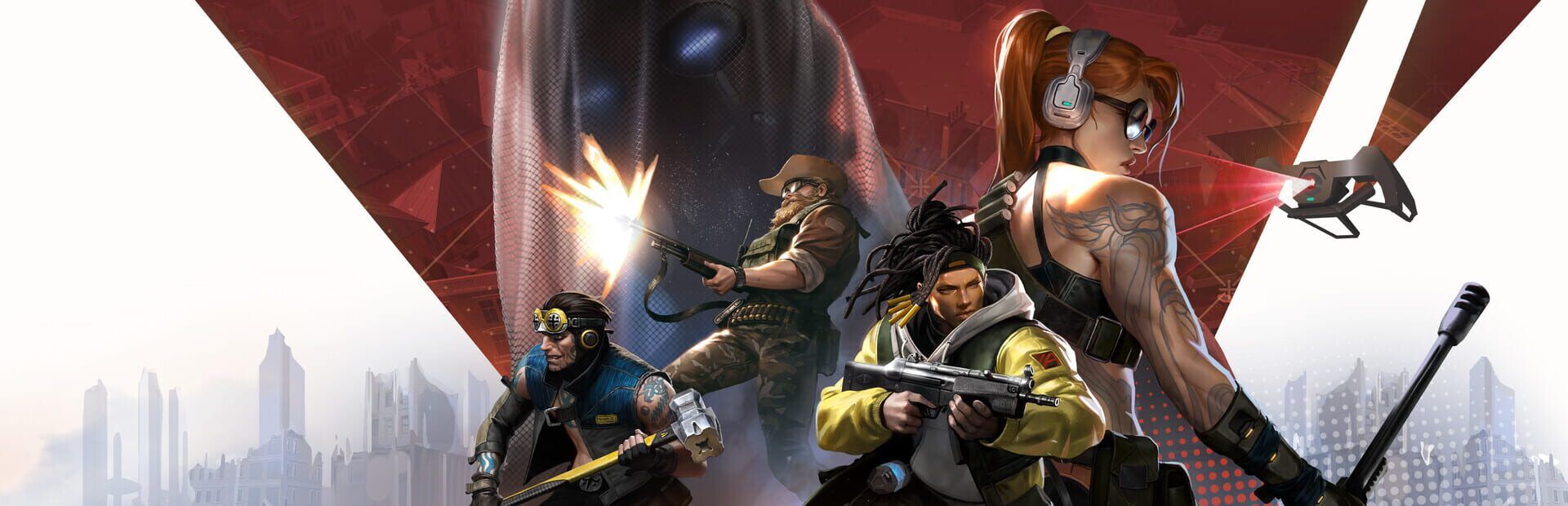
Set to hit Steam Early Access on February 5, 2026 as a free‑to‑play release, Blindspot takes PUBG’s grounded gun fetish and drops it into 5v5, top‑down bomb‑defusal style matches that sit somewhere between Counter‑Strike and a real‑time tactics game.
A tactical pivot: 5v5, top‑down, information warfare
Blindspot is built around compact maps, strict roles, and perfect information sharing rather than the chaos of 100‑player lobbies. Two teams of five face off over a fortified structure whose “Crypt” serves as the core objective. Attackers have to breach, plant, or otherwise crack that Crypt, while defenders use choke points, utility, and smart rotations to drain the clock.
The top‑down camera is the first big break from PUBG tradition. Instead of first or third‑person peeking, you are playing from an overhead view with real‑time line‑of‑sight. Walls and cover genuinely matter because you only see what your squad can logically see. Vision is pooled between teammates, so a single player’s drone, sensor, or angle can light up the map for everyone.
Krafton and ARC Team are leaning into that shared information loop. The pitch is fast‑paced gunfights that still reward methodical clears, synchronized pushes, and crossfires set up from multiple levels of the map. You are less concerned with recoil micro and more focused on how you layer gadgets, utility, and classes to create a winnable fight before the first shot.
Class‑based play and familiar PUBG firepower
Where Battlegrounds gives everyone roughly the same starting point, Blindspot is explicitly class‑driven. Each character brings a defined kit and tactical identity, closer to a hero shooter in structure but tuned around mil‑sim lethality rather than ultimate spam.
Krafton has outlined a roster built on complementary roles: information gathers who manipulate vision, support characters who control space with barricades or explosives, and front‑line duelists who punish overextensions. The goal is to create team compositions that feel as deliberate as a MOBA draft while maintaining PUBG’s unforgiving time‑to‑kill.
Weaponry will be instantly familiar to anyone who has dropped onto Erangel. Iconic rifles, SMGs, and sidearms from PUBG: Battlegrounds are returning, adapted to the top‑down control scheme and shorter engagement distances. The studio is promising the same emphasis on recoil identity, sound design, and hit feedback, only recontextualized for isometric firefights where angles and timing matter more than pixel‑perfect head‑level crosshairs.
Early Access: what launches in February
Blindspot’s Early Access release is framed as a “core experience first” launch. When it arrives on Steam it will be free to download and focused on a limited but highly repeatable slice of the full game.
Krafton’s roadmap for the Early Access phase hits a few recurring points across the official press materials and store page. First, the team wants to use live data to tune class balance and weapon statistics before locking in a larger roster. Second, systems like matchmaking, progression, and ranked play will be refined iteratively rather than shipped as a monolithic 1.0 package. Third, monthly updates are planned to add maps, gadgets, and quality‑of‑life improvements once the base experience is stable.
There is no fixed end date for Early Access yet. Krafton is openly tying the length of the program to player feedback and internal milestones. The messaging is that the February build is intended to be “launch‑ready” from a polish standpoint, but not content‑complete.
Monetization: free now, paid bundles later
Blindspot will be fully free‑to‑play during Early Access with no up‑front box price. That slots it alongside popular competitive shooters on Steam and lowers the barrier for curious Battlegrounds players who might not normally touch a top‑down game.
However, Krafton is already clear that monetization will ramp up after the official 1.0 release. The company plans to introduce paid bundles at various price points as well as a wider range of in‑game items.
Specifics on those systems are still under wraps, but the language strongly points toward a familiar mix of cosmetic packs, character or weapon skins, and potentially season‑style content passes. Given the broader industry trend and Krafton’s reliance on long‑tail live service revenue, it is difficult to imagine a model that includes paid power. Blindspot’s pitch as a tightly balanced 5v5 tactics shooter would be undermined by anything that crosses into pay‑to‑win territory.
For now, the Early Access window looks like a test bed to dial in the progression pace, earning rates, and player sentiment around unlocks before the store fully opens.
How Blindspot fits next to PUBG: Battlegrounds
PUBG: Battlegrounds remains the flagship. It is a sprawling, systemic battle royale with 100 players on huge maps, heavy emphasis on long‑range gunfights, and a match flow that oscillates between looting, rotation, and sudden violence.
Blindspot, by contrast, is about compression. Maps are small, teams are tiny, and rounds resolve quickly. Information is visible in a much tighter cone, and you are constantly making micro decisions about line‑of‑sight, sound, and timing instead of macro calls about where to drop or when to rotate across kilometers of terrain.
Thematically, though, Blindspot sits comfortably in the PUBG universe. It shares the same grounded arsenal, realistic ballistics sensibility, and low‑fantasy military tech. In practice, it can function as a complementary experience for Battlegrounds players who want a session that fits into 20‑ or 30‑minute windows without losing the “PUBG feel” of lethal gunfights and tense last‑second clutches.
By moving into a top‑down format, Krafton is also future‑proofing the IP against fatigue. PUBG can now mean a battle royale, a tactics shooter, or an extraction game, while still leveraging shared lore touchpoints, weapon names, and iconography.
Between Blindspot and Black Budget: the ecosystem play
PUBG: Black Budget, currently in development as a tactical extraction shooter, shows the other half of Krafton’s strategy. Where Blindspot is structured, round‑based, and information rich, Black Budget is being pitched as a first‑person, tension‑driven survival experience in the Escape from Tarkov mold.
They sit at opposite ends of a spectrum. Blindspot is about clarity, shared vision, and rapid‑fire decision‑making in symmetrical 5v5 rulesets. Black Budget leans into uncertainty, incomplete intel, and asymmetric objectives in sprawling PvPvE raids. Battlegrounds, meanwhile, continues to occupy the middle as a large‑scale, last‑man‑standing sandbox.
From Krafton’s perspective, this triangulation turns PUBG from a single hit into a platform of related experiences. A player might discover the IP through Blindspot’s free‑to‑play tactics matches, migrate to Battlegrounds for larger‑scale warfare, and eventually graduate to Black Budget for high‑stakes extraction runs. Shared cosmetics, cross‑promotion, and franchise‑wide events become much easier to justify when all three projects share a logo and a loose continuity.
The opportunity and the risk
If Blindspot lands, Krafton gains something very specific that Battlegrounds cannot easily provide: a highly watchable, short‑form competitive game that thrives on tactical clarity. The top‑down camera is made for spectators, and 5v5 formats are historically easier to translate into esports leagues than 100‑player battle royales.
At the same time, the project has to justify its PUBG branding to an audience that primarily associates that name with boots‑on‑the‑ground BR. The top‑down perspective and class‑based structure could alienate purists if the feel of the guns, the pacing of rounds, or the tone of the maps diverge too far from what “PUBG” means in their heads.
That is why the Early Access framing matters. By launching free, committing to regular updates, and explicitly inviting balance feedback, Krafton is trying to shape Blindspot as a community‑driven spin‑off rather than a top‑down mandate from the IP owners.
Why Blindspot is worth watching
For players who like the idea of PUBG’s lethal gunplay but bounce off the time commitment of full battle royale matches, Blindspot could be a sweet spot. It keeps the grounded weapons and harsh punishments for bad peeks, but wraps them in compact rounds where you always know what the objective is and where your next fight is coming from.
For Krafton, it is a crucial test of whether PUBG can survive as a multi‑genre ecosystem instead of a single, aging success story. If Blindspot and Black Budget both find their audiences, it becomes much easier to imagine the PUBG universe expanding into co‑op PvE, mobile tactics games, or even story‑driven spin‑offs.
When Blindspot drops into Early Access this February, it will not just be another tactics shooter on Steam. It will be the clearest sign yet of what Krafton thinks PUBG can be in its second decade, and whether a name born from a scrappy battle royale mod can anchor an entire family of shooters.