
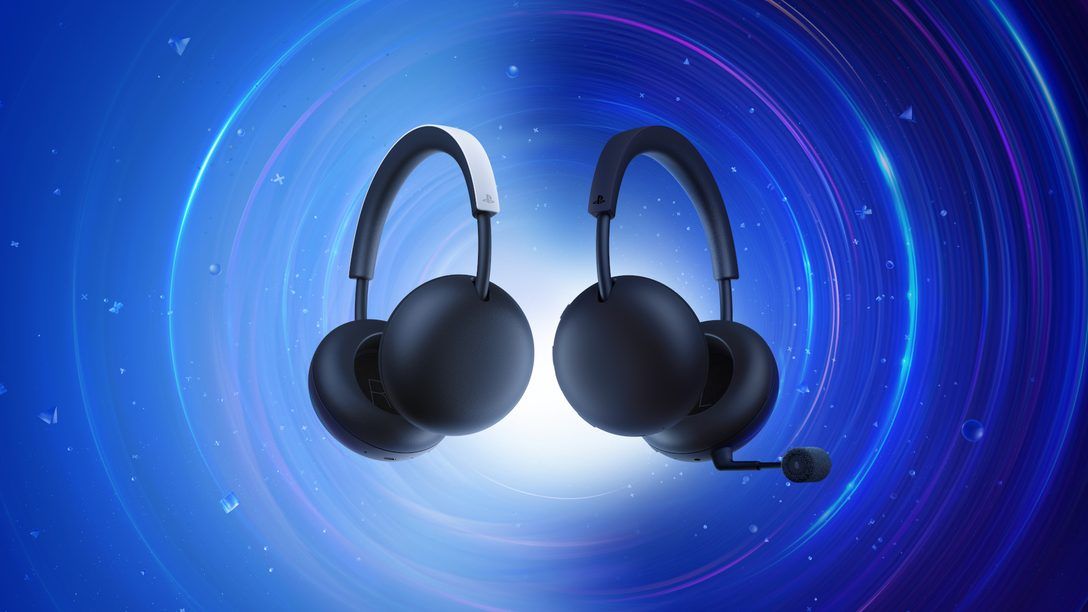

Sony has revealed new PlayStation Pulse and Pulse Edge wireless headsets for PS5, with planar magnetic drivers, PlayStation Link, AI mic noise rejection, and a clearer premium split.
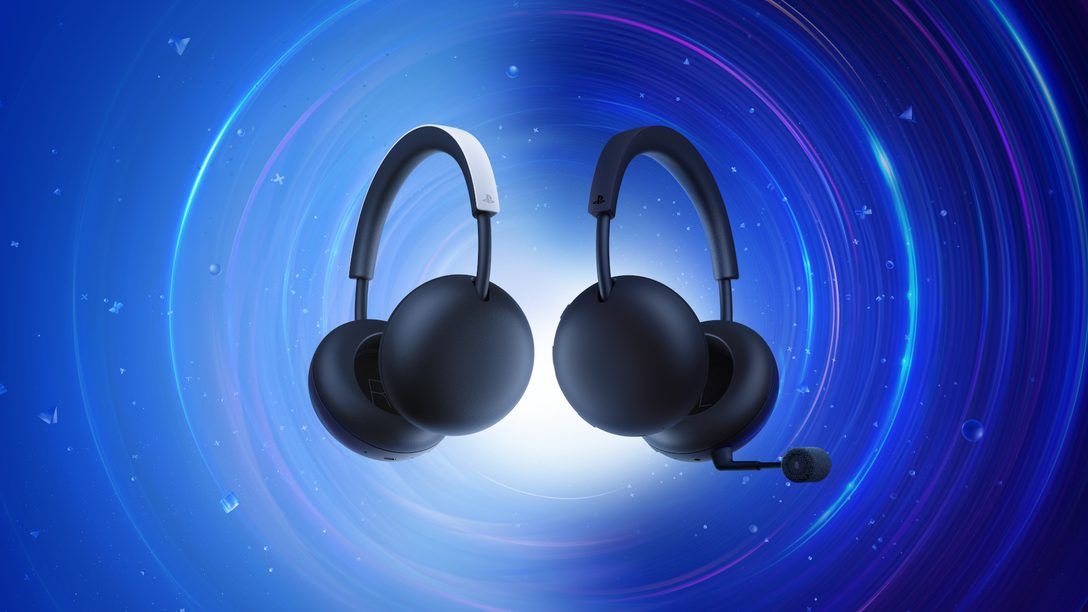
Image: blog.playstation.com
Sony’s new PS5 audio split is clearer, but the buying question is not
Sony Interactive Entertainment has revealed two new PS5 audio products, the PlayStation Pulse Wireless Headset and the Pulse Edge Wireless Headset, and the immediate tension is simple: the biggest upgrades are confirmed, but the details that usually decide a headset purchase are still missing. In a PlayStation Blog post published September 15, 2026, Joe Bentley, Vice President of Engineering at Sony Interactive Entertainment, said the refreshed lineup uses custom studio-inspired planar magnetic drivers, PlayStation Link connectivity, AI-enhanced microphone noise rejection, and a redesigned form factor built for comfort, durability, and portability.
Sony says the standard PlayStation Pulse Wireless Headset is planned for select markets during the 2026 holiday season, while the Pulse Edge Wireless Headset is scheduled for early 2027. Push Square, Notebookcheck, Inven Global, and ecoustics all report the same split. Beebom’s article, however, states in its summary and body that both headsets are launching in early 2027. Sony’s own blog is the stronger source here, and it separates the timing between the two models. Pricing, preorder timing, and exact launch dates remain unannounced.
That leaves PS5 owners in the familiar accessory waiting room. Sony has shown enough to establish the strategic direction of its new PlayStation headset lineup, especially around planar magnetic audio and PlayStation Link. It has not yet shown enough to say whether the PS5 Pulse headset refresh is a slam-dunk upgrade over older Pulse models, Pulse Elite, or third-party wireless options.
The confirmed audio upgrade is planar magnetic across both models
The key change is that planar magnetic drivers are now central to both headsets, not reserved for a single premium PlayStation model. Sony says both PlayStation Pulse and Pulse Edge use custom studio-inspired planar magnetic drivers designed for sound separation and spatial accuracy. In practical game terms, Sony points to directional cues such as footsteps and reloads in competitive first-person shooters.
Sony also says the new headsets use larger planar drivers than Pulse Elite, with the goal of creating fuller, deeper bass while keeping the cleaner sound profile players liked from Pulse Elite. That claim matters because gaming headsets often trade detail for impact. If the new drivers can preserve directional clarity while adding low-end weight, the refresh could address one of the common tensions in competitive audio: the same headset has to make explosions satisfying without smearing quieter tactical cues.
There are limits to what can be concluded from the announcement. Sony has not disclosed frequency response, battery life, driver diameter, weight, Bluetooth codec support, or independent performance measurements in the source material. ecoustics specifically notes that the company has not published driver diameter and warns against turning speculation into a specification. For now, “better sound” is a manufacturer claim supported by a stated hardware change, not a reviewed outcome.
Comfort changes target the daily-use problems, but fit remains unproven
Sony’s comfort pitch is less flashy than the driver talk, but it may decide whether this new PlayStation headset lineup earns repeat buyers. The PlayStation Blog says both models have an updated form factor intended for lasting comfort and durability. Both also have rotating earcups that allow the headset to lay flat, making them easier to carry or store.
That is a meaningful design correction on paper. Headsets fail as daily devices when they clamp too hard, trap heat, creak under travel, or become awkward to pack next to a controller, Portal, or laptop. A flatter-folding design helps the portability side of that equation, and the Pulse Edge goes further with a carrying case, according to Inven Global, Notebookcheck, Beebom, and ecoustics.
Still, comfort is the area where announcement language tells us the least. Sony has not provided weight, earcup dimensions, pad materials, clamp-force data, or battery-life figures in the supplied sources. Players who already found previous Pulse headsets uncomfortable for long sessions should treat “updated form factor” as promising, not settled. The buying decision should wait for hands-on fit reports unless the new feature set itself is the priority.
Pulse Edge is the premium play, not a mystery upgrade path
The standard Pulse and the Pulse Edge are built around the same broad platform, but Sony and the secondary technical coverage describe a clear tier split. Both models support PlayStation Link, both can connect to supported Bluetooth devices at the same time, both use AI-enhanced noise rejection, and both will be available in White and Midnight Black. The Edge model is positioned as the premium audio experience.
According to Inven Global and Notebookcheck, Pulse Edge doubles the magnet capacity or magnet count per driver compared with the standard Pulse. Beebom’s comparison lists four magnets per planar driver for PlayStation Pulse and eight for Pulse Edge. The premium model also adds active noise cancellation, a detachable boom microphone, built-in game audio and chat balance controls for PS5, an audio or microphone jack, and a carrying case, according to those reports. Notebookcheck also describes a hidden microphone alongside the detachable boom mic.
That makes Pulse Edge less like a simple colorway or cosmetic step up and more like Sony’s equivalent of a higher-tier controller strategy. The standard model appears aimed at players who want the new driver platform and wireless ecosystem at a lower unknown price. Pulse Edge is for players who value isolation, mic flexibility, onboard mix control, and travel protection enough to pay for the extra hardware. The catch is that the price gap is still unknown, so the tiering is clear but the value equation is incomplete.
PlayStation Link is the platform glue Sony keeps investing in
The business logic behind the refresh is as important as the spec sheet. Sony says PlayStation Link support provides lossless, ultra-low-latency audio and lets users switch between supported devices, including PS5 consoles, PlayStation Portal remote player, PC, and Mac. The headsets can also maintain a simultaneous Bluetooth connection to supported devices.
That makes these PS5 audio products part of Sony’s wider device ecosystem rather than accessories tied only to a console under the TV. A headset that can move between PS5, Portal, PC, and Mac while also staying connected to a phone over Bluetooth has a stronger claim on a player’s desk than a single-purpose console headset. For Portal owners especially, PlayStation Link support is one of the practical reasons to stay inside Sony’s audio lane instead of buying a general gaming headset.
ecoustics adds useful context here: Sony acquired planar magnetic specialist Audeze in 2023, and the site reports that Audeze is deeply involved in future PlayStation audio hardware. ecoustics is careful to say Sony has not claimed Audeze designed the specific drivers in Pulse or Pulse Edge, so that should not be treated as confirmed. The confirmed pattern is simpler: after Pulse Elite introduced planar magnetic drivers and PlayStation Link in 2024, Sony is now expanding those ideas across a refreshed headset lineup.
Should PS5 owners wait, upgrade, or ignore the refresh?
The most defensible answer is to wait for price unless one of the confirmed features solves a specific problem for you. Sony has not announced pricing, preorder dates, exact launch dates, battery life, weight, or full audio specifications. Without those, nobody can responsibly say the new PS5 Pulse headset is the best buy in its bracket, and nobody can judge whether Pulse Edge is priced like a premium convenience product or a serious audio upgrade.
For owners of older PlayStation Pulse headsets, the standard PlayStation Pulse Wireless Headset looks like the cleaner potential upgrade path. The confirmed additions include the planar magnetic driver platform, PlayStation Link device switching, simultaneous Bluetooth support, AI-enhanced mic noise rejection, and a flatter portable design. If Sony prices it close to past mainstream Pulse hardware, it could be a meaningful refresh for players who mostly use PS5 and Portal.
For Pulse Elite owners, the upgrade case is narrower. Sony says the new headsets use larger planar drivers for deeper bass while retaining the clean sound players enjoyed from Pulse Elite, but that does not automatically make the standard Pulse a replacement purchase. Pulse Edge is the more obvious step up if you want ANC, a detachable boom mic, game and chat balance controls, an analog jack, and a carrying case. If those features do not matter, waiting for reviews is the smarter play.
For players already happy with third-party headsets, Sony’s pitch depends on ecosystem convenience. PlayStation Link, Portal support, and PS5-specific chat controls on Pulse Edge are the advantages to watch. General comfort, raw audio quality, microphone quality, battery life, and price still have to compete with established gaming headset brands. Sony has revealed the direction of its new Sony wireless headset lineup; it has not yet closed the argument.