
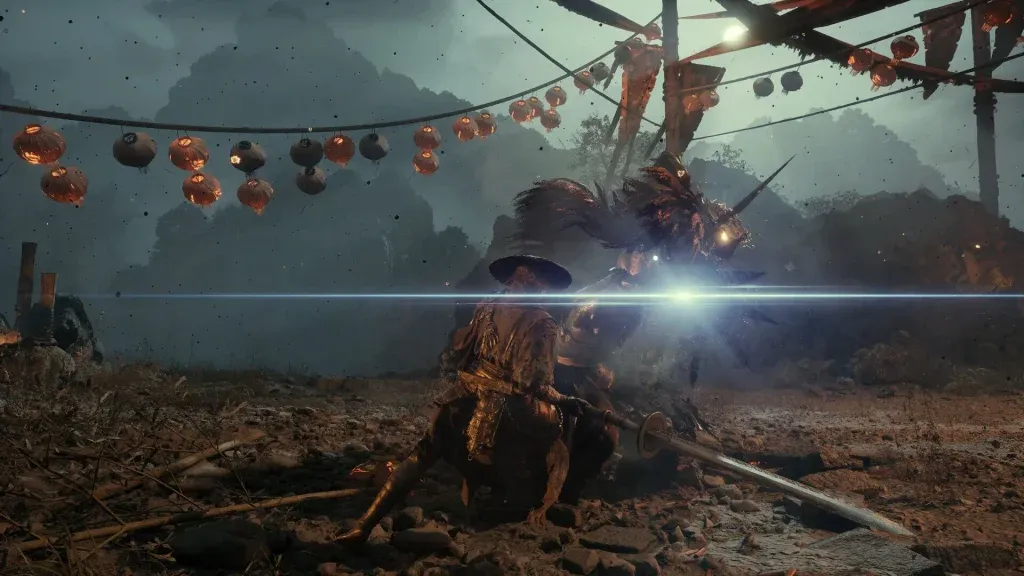

Valve’s November 10 Proton Experimental update fixes Phantom Blade Zero video playback, Aion 2 crashes, The Forest multiplayer issues, and other Steam Deck Linux problems, but it remains a testing branch rather than a blanket stable recommendation.
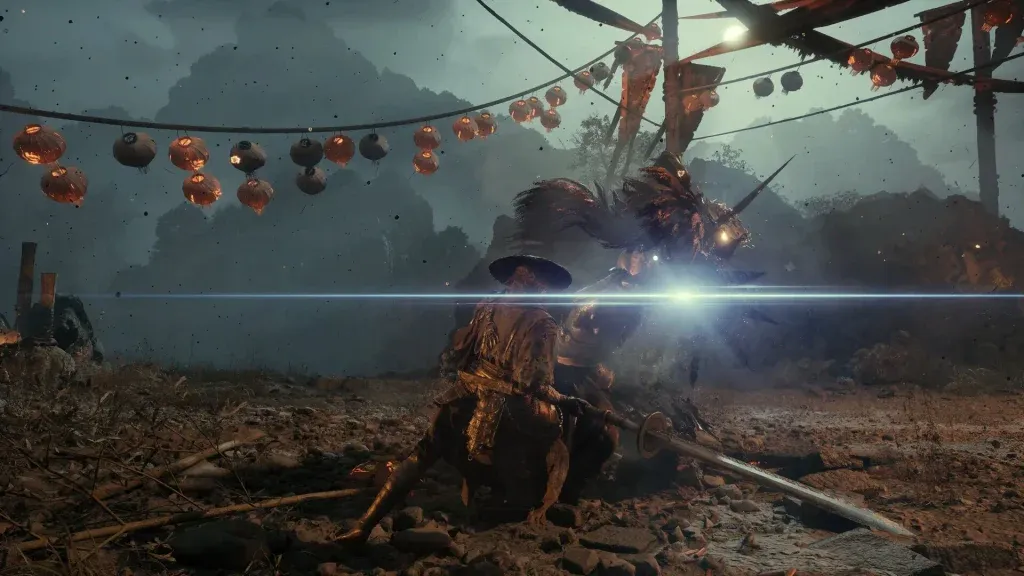
Image: steamdeckhq.com
Valve’s test branch gets a broad compatibility pass
Valve’s November 10 Proton Experimental update addresses a cluster of Windows game issues on Linux and SteamOS, with fixes touching Phantom Blade Zero, AION 2, The Forest, Overwatch, Age of Empires: Definitive Edition, Dark Souls II: Scholar of the First Sin, and several controller or input-related edge cases. GamingOnLinux reported the update shortly after release, and SteamDeckHQ separately published the same changelog from Valve’s Proton wiki.
The headline item for many readers will be the Phantom Blade Zero Proton fix, because Valve’s changelog says video playback has been fixed when using high resolutions. The more important story for Steam Deck and Linux players is wider than one game. This is a compatibility-layer maintenance patch that cleans up video, audio, input, multiplayer, controller mapping, microphone, and launcher-adjacent problems across very different game types.
That spread is the useful signal. Proton Experimental is doing the work its name implies: it is Valve’s fast-moving test branch for Windows game compatibility on Linux systems, including Steam Deck and SteamOS. GamingOnLinux describes it as the testing ground for changes that may later feed stable numbered Proton releases, with Proton 11.0-2 cited as the most recent stable release and a Proton 11.0-3 release candidate also in testing. For players, that means this update may solve a specific problem today, but it should still be treated as a selective tool rather than a universal default.
Phantom Blade Zero is the visible fix, but the evidence is narrower than hype suggests
Valve’s confirmed change for Phantom Blade Zero is specific: video playback is fixed when using high resolutions. Neither Valve’s changelog nor the reports from GamingOnLinux and SteamDeckHQ describe this as a full performance assessment, a Steam Deck verification update, or a general compatibility verdict for the game.
That distinction matters because the available community signal was already mixed. A ProtonDB entry for Phantom Blade Zero says that switching from Proton Experimental or Proton-GE to Proton Stable appeared to fix a frozen cutscene issue, while also saying that the game ran quite well aside from that cutscene problem and that ReShade worked. ProtonDB is community reporting rather than a Valve certification channel, so it should be read as a useful player datapoint, not as an official diagnosis.
Valve’s new changelog entry appears to target the same class of problem, video playback, but it does not confirm the exact player report or every cutscene scenario. The practical reading is conservative: if Phantom Blade Zero video playback was breaking at higher resolutions under Proton Experimental, this update is now the branch to retest. If Proton Stable was already working better for a specific setup, there is no source-backed reason to abandon that configuration unless the affected player wants to compare outcomes.
AION 2, The Forest, and multiplayer-adjacent fixes point to a bigger SteamOS pattern
The Aion 2 Proton fix is also precise. Valve says AION 2 no longer crashes when clicking the audio icon in party info. The Forest gets a fix for a crash when swapping through multiplayer options. Catharage gets a multiplayer fix. Aliens: Fireteam Elite 2 no longer hangs on the intro cutscene when the cutscene is allowed to play fully instead of being skipped.
These are not the same bug, but they sit in the same strategic layer for Steam Deck and Linux players: games often fail at interaction points around media playback, party interfaces, multiplayer menus, and input state changes rather than at the title screen. A game can seem playable until the player opens a social menu, joins a session, changes a multiplayer option, or lets a video sequence run instead of skipping it. Valve’s November 10 update is notable because it touches several of those fragile transitions at once.
For co-op and multiplayer players, The Forest Proton fix is especially practical. The changelog does not promise broader networking improvements or anti-cheat changes, but a crash tied to moving through multiplayer options is the kind of issue that can stop a session before it begins. AION 2’s party-info crash sits in a similar bucket: a small interface action can become a hard blocker if it takes the client down during group play. This update reduces those specific failure points, according to Valve’s changelog.
Input and accessibility fixes may be the most important everyday changes
Several entries in Valve’s changelog are less headline-friendly than Phantom Blade Zero but potentially more consequential for daily handheld and living-room play. Valve says text to speech has been fixed in Overwatch. Age of Empires: Definitive Edition no longer crashes when pressing arrow keys in text input fields. ONE PIECE PIRATE WARRIORS 3 gets corrected controller mappings when Steam Input is enabled. Valve also says it fixed some HID-using peripherals crashing Proton’s input stack and making controllers unusable.
That last item is broad, and Valve does not name every affected device. Still, the category is important. HID covers a range of human interface devices, and a peripheral that crashes Proton’s input stack can turn a gamepad problem into a session-wide compatibility failure. For Steam Deck users who dock the device, swap controllers, or use extra peripherals, input stability is part of whether a game feels console-like or still feels like a fragile PC workaround.
The update also includes a device-specific platform fix: Dark Souls II: Scholar of the First Sin is listed as fixed for playability on Steam Frame. GamingOnLinux framed the update as relevant to Linux and SteamOS devices including Steam Deck, Steam Machine, and Steam Frame. The Dark Souls II entry is a reminder that Proton’s target is no longer only the handheld Steam Deck audience. Valve is maintaining a compatibility surface that spans multiple SteamOS form factors, and bugs can be device-specific even when the underlying game is old.
Experimental still means players should manage risk, not chase every patch
The November 10 changelog also marks Danganronpa V3: Killing Harmony as now playable, fixes an Experimental regression that caused Wild Assault to crash on launch, fixes microphone support in Among Us 3D on devices other than Steam Deck, adds support for Nvidia Streamline OTA updates, and updates Xalia to 0.5.0.1 to help with idle CPU usage. SteamDeckHQ and GamingOnLinux both published those Valve-listed changes.
The Wild Assault item is a useful warning label. A branch that can fix regressions can also introduce them. Proton Experimental is where new compatibility work lands early, which is valuable when a specific game is broken, but it is not the same value proposition as a stable Proton release. GamingOnLinux notes that Proton 11.0-3 is still a release candidate, while Proton Experimental already carries newer game-specific fixes.
There is also an adjacent comparison point in GE-Proton. The GloriousEggroll GE-Proton11-12 release notes from November 3 list Xalia 0.5.0.1 among its component updates and include a wider set of Wine, DXVK, VKD3D-Proton, controller, and OpenXR changes. That does not make GE-Proton a replacement for Valve’s official branch in every case. It does show the ecosystem’s usual tradeoff: official Experimental, stable Proton, and community builds can each be ahead in different areas at different moments. If a game is already stable for you, the smartest move is to preserve that working compatibility choice before testing a new one.
How Steam Deck and Linux players should use this update
According to GamingOnLinux, the Proton Experimental update should appear in Steam Downloads if it is already installed. If it is not present, the site says to search for Proton Experimental directly in the Steam Library and then set it on any game. SteamDeckHQ gives similar guidance for Steam Deck users, saying the update should download automatically for players who already have the layer and that users can search for Proton Experimental in Steam on the Deck if they need to install it.
The best use case is targeted troubleshooting. If Phantom Blade Zero has high-resolution video playback issues, if AION 2 crashes when interacting with the party-info audio icon, if The Forest crashes while moving through multiplayer options, or if ONE PIECE PIRATE WARRIORS 3 has bad controller mappings with Steam Input enabled, this Proton Experimental update is now the source-backed branch to try. If Overwatch text to speech or Among Us 3D microphone input is the blocker, the changelog also gives a concrete reason to test.
Players who are not affected by those specific bugs can reasonably wait for changes to mature into stable Proton. That is especially true on a primary Steam Deck setup used for travel or multiplayer sessions, where a working prefix and controller configuration can matter more than being current. The update is strong because it addresses many practical friction points at once, but its strongest value comes from matching the branch to the problem instead of assuming Experimental is always the optimal default.