
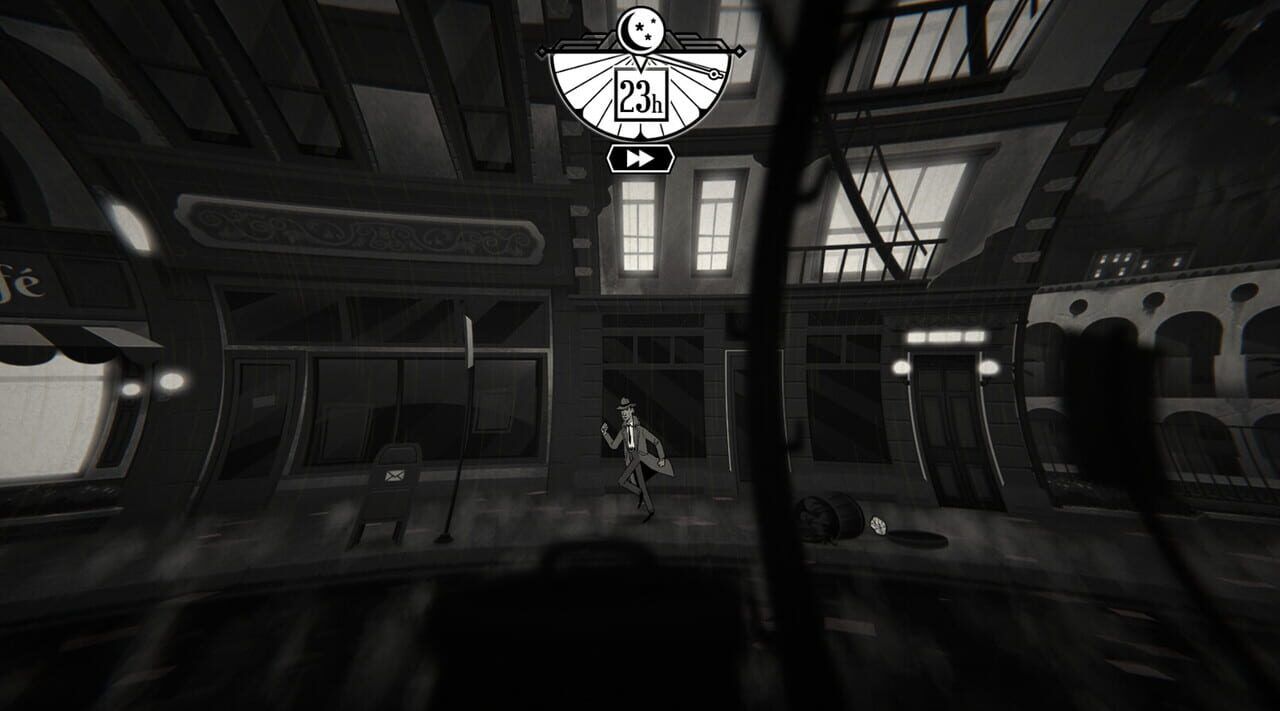

The Posthumous Investigation is now available on Android, giving narrative game fans a time-loop murder mystery set in a hand-drawn 1937 Rio de Janeiro.
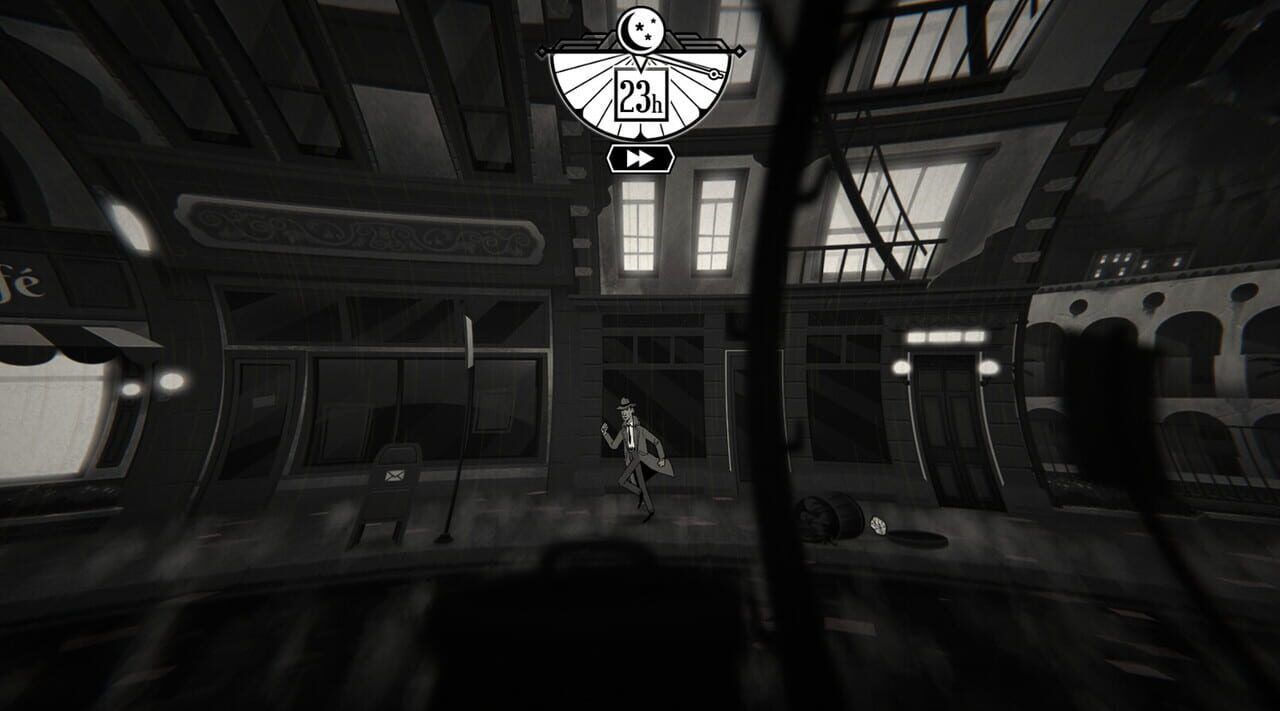
Image: kotaku.com
A dead client, a live Android release, and one very busy day
The Posthumous Investigation is now available on Android through Google Play, according to Droid Gamers and the game's public store link cited in its report. Publisher Critical Leap and developer Mother Gaia Studio are bringing the time-loop murder mystery to mobile after its PC release, giving Android players a compact detective game built around repetition, memory, and careful observation rather than reflex tests.
That Android launch is the cleanest confirmed mobile pickup right now. Pocket Gamer also reports that The Posthumous Investigation is out now on Android, while saying an iOS version is "on the way soon." GamingonPhone, however, says the game is available on Android and Nintendo Switch and adds that an iOS release is not confirmed. A Games Press release dated September 10 from Critical Leap and Mother Gaia Studio announced Nintendo Switch, iOS, and Android versions for September 17. Put together, the safe read is this: Android availability is confirmed by multiple mobile outlets and the Google Play listing cited by Droid Gamers, Switch availability is reported by GamingonPhone and was announced in the press release, and iOS status is murkier across the available sources.
For Android investigation game fans, the important part is immediate: this is a narrative mobile game you can put on the radar now, especially if your detective tastes lean toward route mapping, suspect schedules, and clue boards rather than hidden-object comfort food.
The hook is simple, sharp, and wonderfully inconvenient
The premise, as described by Critical Leap's press release and echoed by Droid Gamers and Pocket Gamer, puts you in the shoes of a private investigator hired by an influential entrepreneur who is already dead. You have one day to solve his murder in a noir-styled version of 1937 Rio de Janeiro. When the day ends, it resets, but your knowledge carries over.
That structure matters because it turns a standard murder mystery into a game of accumulated understanding. Droid Gamers reports that each loop lets players approach the same case differently, learn new information, and use that knowledge to unlock paths, confront characters at different times, and puncture alibis. Pocket Gamer describes the case as a repeating-day investigation where fourteen suspects follow their own routines, each carrying secrets and potential motives.
The best time-loop mysteries live or die by whether repetition feels like discovery instead of chores. The Posthumous Investigation appears to be aiming at the former. Its loop is not presented as a fail state in the supplied materials. It is the investigation method. You watch, reset, remember, interfere, and test a new theory. On mobile, that has real appeal: one loop can become a session, one suspect route can become a commute-sized objective, and one new clue can be enough to pull you back in later.
Fourteen routines turn the city into the puzzle
The most promising design detail across the reports is the suspect scheduling. Droid Gamers says players watch fourteen different characters as they move through daily routines, question them, discover what they are hiding, and work out who had reason to want the entrepreneur dead. Pocket Gamer adds that players can manipulate those routines, nudging characters away from one location or into another to open space for investigation or trigger conversations.
That is the kind of mechanical texture narrative mobile games often need. A mystery that only asks players to tap through dialogue can still be well written, but it risks becoming passive on a touchscreen. The Posthumous Investigation sounds more active: the player is reading a city clock, not only a script. If a suspect is in the wrong place at the right time, that movement becomes evidence. If changing a routine exposes a locked room or a broken alibi, the case becomes something you shaped.
Droid Gamers also reports that players search dirty alleys, postcard-like parts of Rio, notes, documents, and other clues before reconstructing the timeline. Critical Leap's press release similarly frames the investigation as a movement between grimy backstreets and scenic spaces in a hand-drawn city. That contrast gives the game a useful detective rhythm: follow people, read spaces, collect fragments, then return to the larger pattern.
The Thinking Board is the feature narrative fans should watch
Both Droid Gamers and Critical Leap's announcement call out the Thinking Board, where players organize discoveries and connect clues. In a time-loop mystery, that kind of interface is not cosmetic. It is the bridge between story and solvability.
The press release says players use the Thinking Board before making a final accusation, while Droid Gamers says the victim waits in Limbo at the end of each loop to help connect clues and reconstruct what happened. That framing gives the game a neat tonal bite: the dead man is both client and recurring case partner, pushing the investigation forward from beyond the reset.
For readers who play a lot of small detective games, the key question is whether the board genuinely supports deduction or simply stores collectibles. The source material does not give enough detail to judge how much logic the game demands from the player, and this should not be treated as a review. What is confirmed is that timeline reconstruction, alibi-breaking, evidence organization, and final accusation are central to the structure described by the developer and publisher. That is enough to make it a stronger prospect for players who want a mobile mystery game with actual investigative handling rather than a linear visual novel wearing a trench coat.
A Brazilian literary shadow gives the noir setup a distinct shape
The Posthumous Investigation stands out in part because of where and how it stages its mystery. Pocket Gamer and Critical Leap's press materials describe the setting as a hand-drawn, noir-inspired version of 1937 Rio de Janeiro. Critical Leap also says the narrative reimagines characters and themes from Brazilian author Machado de Assis, whose work is specifically referenced by Pocket Gamer in connection with the idea of a story narrated by a dead man.
That lineage is worth noting because it gives the game a different flavor from the usual rain-slicked American detective pastiche. The supplied materials mention sarcasm, atmosphere, and a cast of varied personalities, with Critical Leap's announcement saying there is "no single correct answer" for the world-weary detective and that every accusation has its logic. That line raises an interesting expectation, though it also deserves caution. It could point to moral ambiguity and multiple interpretations, or it could simply be a thematic way to sell player choice. The sources do not clarify how endings, accusations, or culprit logic are implemented.
Still, for indie discovery, specificity counts. A noir mystery filtered through 1937 Rio, Brazilian literary influence, and a dead client has a clearer identity than many mobile detective releases. That does not guarantee quality, but it makes the pitch easier to remember in a crowded store.
Platforms are the one messy part of an otherwise tidy pitch
The Android release is the part players can act on. Droid Gamers links to the Google Play Store and says The Posthumous Investigation is available there. Pocket Gamer also identifies Android as live. GamingonPhone says Android and Nintendo Switch are available, while noting that iOS is not confirmed. The earlier Games Press announcement from Critical Leap and Mother Gaia Studio said Nintendo Switch, iOS, and Android versions would launch on September 17.
Those details do not perfectly line up, especially around iOS. If you are on Android, the practical guidance is straightforward: check Google Play for your region and device compatibility. If you are on Switch, GamingonPhone and the press release both support that platform being part of this rollout, but players should verify the eShop listing in their region. If you are on iPhone or iPad, the available reporting is inconsistent enough that waiting for a direct App Store listing or a fresh statement from Critical Leap or Mother Gaia Studio is the safest move.
The sources provided do not include price, install size, controller support, cloud saves, performance targets, language options, or monetization details. That absence matters on mobile, where premium pricing, ads, in-app purchases, and offline support can heavily shape the experience. Until the store listing answers those questions in your region, treat the launch as confirmed availability rather than a complete buyer's guide.
A good fit for players who like deduction with texture
The Posthumous Investigation Android launch gives narrative game fans a small but intriguing target: a hand-drawn Android investigation game about studying fourteen suspects across a repeating day, manipulating routines, gathering documents and notes, and building a case through a Thinking Board before making an accusation.
Based on the confirmed descriptions, the appeal is strongest for players who enjoy Outer Wilds-style knowledge progression, schedule-based mysteries, and detective fiction where the act of learning changes the route through the world. It may be less ideal for anyone looking for action, procedural crime-solving, or a fully confirmed cross-platform mobile rollout on day one, since the iOS picture remains unclear in the current reporting.
As a mobile mystery game, though, it has the right ingredients to travel well: a strong premise, readable goals, loop-based sessions, and a visual identity rooted in a specific place and literary tradition. Android players looking for a narrative mobile game with a little bite should keep The Posthumous Investigation close, especially if the thought of solving a murder one repeated day at a time sounds like a welcome kind of trouble.