
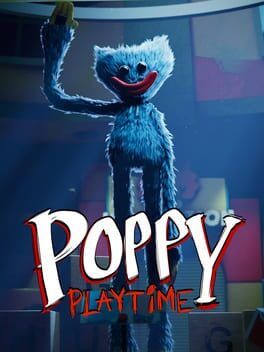

Mob Entertainment confirms the title, release date and launch plan for Poppy Playtime: Chapter 5 – Broken Things, teasing a Prototype‑focused finale and outlining what PC and console players can expect.
Mob Entertainment has finally lifted the lid on the finale of its hit indie horror series, confirming that Poppy Playtime: Chapter 5 is officially titled Broken Things and is arriving first on PC on February 18, 2026. A new cinematic teaser sets the tone for a story that pushes deep into the rotten core of Playtime Co., with the Prototype looming larger than ever.
The finale gets a name and a date
After months of quiet following Chapter 4, Mob Entertainment has put a clear stamp on the endgame. Chapter 5’s full title, Poppy Playtime: Chapter 5 – Broken Things, fits the series’ fixation on discarded toys and failed experiments. The new teaser trailer dives into that imagery, lingering on shredded plush, twisted limbs and lifeless eyes scattered through the lab.
At the center of it all is Experiment 1006, “The Prototype”, the stitched‑together monstrosity that has been the franchise’s shadowy puppetmaster. The trailer frames Broken Things as the moment where the Prototype’s “unfinished work” finally comes due, with the player forced into the heart of its hunting grounds somewhere deep within the abandoned Playtime Co. facility.
Mob Entertainment is promising a proper curtain call rather than a short epilogue. Chapter 5 will introduce a fresh area of the factory, new “tortured denizens” to evade, more elaborate environmental hazards and another round of puzzle‑centric scares built around expanded GrabPack tools. The studio is openly calling this the end of the current story arc, setting expectations for a full‑sized chapter that ties a bow on the mystery of what really happened at Playtime Co.
PC first, consoles later: how the release is rolling out
Alongside the title reveal, Mob Entertainment has sketched out how the chapter will roll out across platforms. On PC, Broken Things launches on February 18, 2026, as a standalone chapter add‑on just like past entries.
Console players will need to be a bit more patient. The studio has confirmed that console versions are coming, but they are described only as arriving “in the months ahead” after the PC release. There is no fixed window beyond that, though recent history gives fans a rough idea of what to expect.
Chapter 4 hit PC first in January 2025, with console ports following in summer 2025. If Mob Entertainment follows a similar pattern for Broken Things, PlayStation, Xbox and Switch players may be looking at a wait of several months while the team tunes performance and controls for each system.
The staggered rollout has become part of the Poppy Playtime rhythm. PC leads the way, often alongside a wave of theory‑crafting videos and speedrun attempts, and console audiences get a more optimized version later once any launch‑week issues have been ironed out.
Where Chapter 4 left the story
Broken Things is pitched as the moment all the threads finally knot together, which only works because Chapter 4 pushed the series right up to the edge of its central mystery.
Across its previous chapters, Poppy Playtime has gradually shifted from simple “survive the mascot” setups into a more elaborate tale about exploitation, obsession and the cost of Playtime Co.’s experiments. Early episodes positioned you as a returning ex‑employee trapped with vengeful toys like Huggy Wuggy, Kissy Missy and Mommy Long Legs. By Chapter 3 and Chapter 4, the focus had moved away from single‑monster chases toward the broader ecosystem of failed creations haunting the factory.
Chapter 4, which arrived in early 2025, leaned heavily into that direction. It expanded the playable space with new wings of the facility and introduced more unhinged characters that hinted at how wide the experimentation had spread. Audio logs and environmental details painted a picture of scientists willing to break anything, or anyone, to keep the company’s mascot line on top, and they highlighted the Prototype as the unseen architect behind many of the horrors you encountered.
By the time Chapter 4’s credits rolled, players had gotten closer than ever to the Prototype’s influence, with the implication that there is a single “rotten heart” beating beneath the factory’s maze of corridors. Broken Things is set up as the confrontation that has been teased since the very first glimpse of Experiment 1006’s skeletal metal hand.
What Broken Things promises for the finale
Mob Entertainment’s own description of Chapter 5 leans into the idea of cleaning up the wreckage left by both the company and its creations. The “broken things” in the subtitle are not just the shredded toys scattered in the teaser but also the people, processes and memories that have been mangled by Playtime Co.’s ambition.
In practical terms, the finale is built to stress every part of the formula the series has refined. Expect new areas of the lab built to showcase more verticality and environmental danger, toy inhabitants that twist familiar mascots into even more grotesque forms, and puzzles that ask players to juggle power routing, timing and traversal under pressure. The mention of new GrabPack tools hints at fresh ways to manipulate the environment or enemies, which can radically change how chases and stealth encounters play out.
Narratively, Chapter 5 is where players will finally come face to face with the so‑called “deadly puppetmaster” behind events so far. The Prototype has remained mostly in the background across four chapters, steering other monsters and appearing only in glimpses. Broken Things is designed as the showdown where that patience pays off, whether in a full confrontation or a disturbing revelation about what the Prototype actually wants from the player character.
A quick history of Poppy Playtime’s episodic model
When Poppy Playtime debuted in 2021, it was one of several indie horror titles looking to build an audience through a chapter‑based model. Rather than ship a single, full‑length game, Mob Entertainment opted for self‑contained episodes that expand the same location and story over time. Each chapter has largely focused on a different area of the factory and a different signature antagonist, with core tools and mechanics carrying over.
This approach has given the series room to react to its audience. The breakout success of Huggy Wuggy and the GrabPack in Chapter 1 encouraged more elaborate chase sequences and environmental puzzles in later chapters. Fan fascination with the deeper lore around Poppy, the Prototype and the human cost of Playtime Co. pushed the narrative further into conspiracy and tragedy with each release.
The trade‑off has been a cadence where chapters can take a year or more to arrive, particularly as scope has expanded. That slow drip has sometimes frustrated fans waiting on answers, but it has also kept Poppy Playtime in the conversation. Each chapter functions like a season of television, arriving with its own trailer cycle, round of YouTube breakdowns and wave of speculation about what the next episode might reveal.
Poppy Playtime’s place in the current indie horror landscape
By the time Broken Things launches, Poppy Playtime will be closing out its main story in a very different horror climate than the one it debuted into. Since 2021, mascot horror and creator‑driven scare projects have exploded, from successors in the Five Nights at Freddy’s mold to viral one‑shots that live and die on streaming platforms.
Poppy Playtime has carved out a distinct niche in that crowd by leaning hard into physical spaces and toy‑box surrealism. While many contemporaries rely on security camera gimmicks or static point‑and‑click tension, Poppy’s first‑person exploration, grabbable limbs and elaborate factory setpieces keep it closer to puzzle‑platformers and immersive sims than to pure jump scare compilations.
Its episodic rollout has also turned each chapter into an event, helping it stay visible amid a crowded field of indie horrors that often release once and quickly sink beneath the algorithm. With a film adaptation in development at Legendary Entertainment and Angry Films, Mob Entertainment is positioning Poppy Playtime as a lasting cross‑media property rather than a one‑season wonder.
Broken Things looks like the culmination of that plan. If the finale sticks the landing, it will not only close the book on the current Playtime Co. saga but also cement Poppy Playtime as one of the defining indie horror series of the 2020s, a template for how small teams can build slow‑burn franchises through episodic releases and community‑driven hype.