
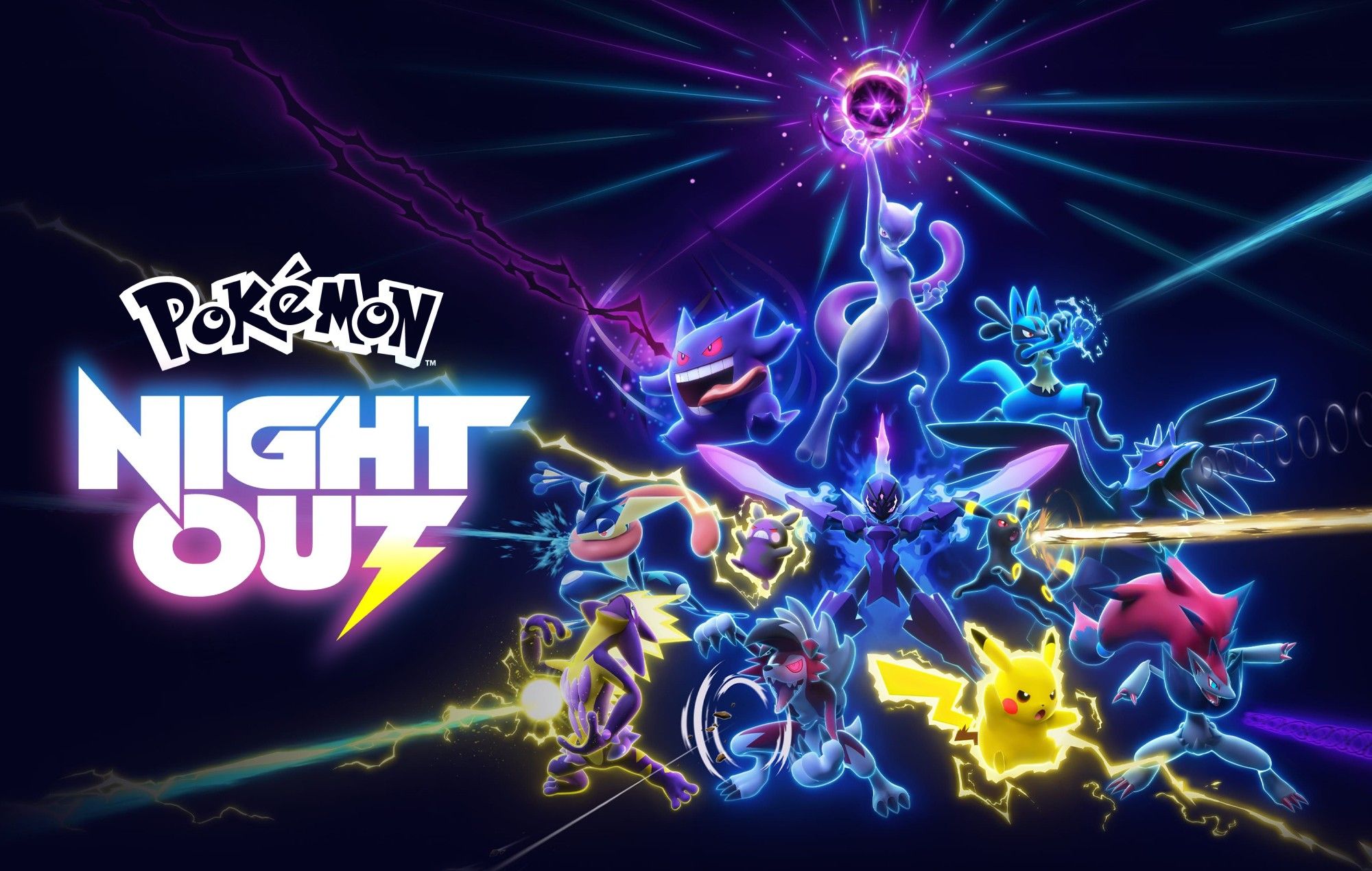

Pokemon Night Out brought Marshmello, Alison Wonderland, Pokémon visuals, and Pokémon Go bonuses to LA and London, turning the brand into an official nightlife spectacle rather than a new game event.
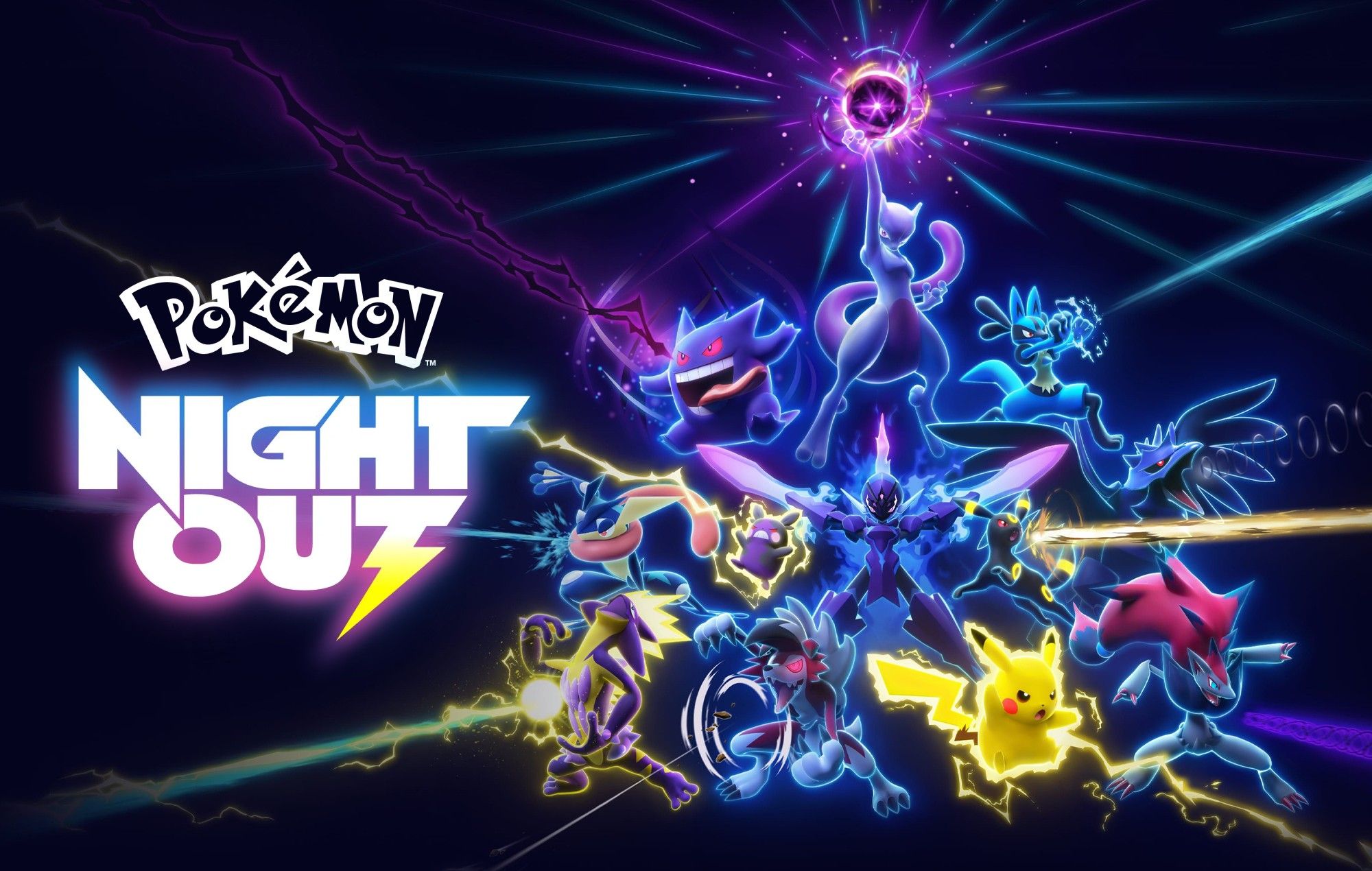
Image: nme.com
Pokémon’s first official night out was a rave, with a very clear boundary
The Pokémon Company International took Pokémon into arena nightlife with Pokémon Night Out, a two-city EDM concert built for the franchise’s 30th anniversary rather than for a new game reveal. The official Pokémon site listed the first show at Intuit Dome in Los Angeles on October 24, 2026, followed by The O2 in London on November 10, 2026, with Marshmello as headliner and Alison Wonderland as supporting act at both dates.
That is the concrete story behind the sudden burst of “Pokemon rave” clips and reactions online. This was an official Pokémon live event, not an underground Pokemon fan event and not a replacement for a Nintendo Direct. Pokémon’s own announcement described the shows as an attempt to unite the franchise with high-energy electronic dance music, while Variety reported from the Los Angeles event that it combined Pokémon, lasers, pyrotechnics, and EDM staging.
The tension is the interesting part. Pokémon is still rooted in games, trading cards, animation, and family-friendly branding, but Pokémon Night Out treated the brand like an arena concert property. Narbeh Minasians, senior director of brand communications and digital marketing for The Pokémon Company International, told Variety the company had “never done anything like this before,” framing the show as a new kind of 30th anniversary celebration rather than a software beat.
What actually happened at Pokemon Night Out
Across the available reports, the show sounds less like a conventional game event and closer to a licensed concert built around Pokémon iconography. Variety’s account of the Los Angeles date describes lasers, pyrotechnics, large-scale visuals, and Pokémon battles behind Marshmello and Alison Wonderland. Dazed, writing from the London O2 date, reported brostep-heavy EDM through the arena speakers, glow bracelets handed to attendees, and more than three hours of bespoke Pokémon-themed graphics.
Nintendo Life’s London report gives the clearest sense of the oddity in the room: thousands of Pokémon fans in a dark arena, EDM loud enough to feel physically, cheering whenever Pokémon appeared on the giant screen surrounding the performer. The outlet noted giant DJ-ing Pikachu and Mimikyu stage appearances, a huge battle between Groudon and Kyogre during Marshmello’s set, Greninja and Lucario animations, original starter imagery, confetti, giant Eevees, and concert-style light-up wristbands.
Those details matter because they separate the event from the assumptions people may bring to “Pokémon live event.” This was not described by the sources as a hands-on game showcase, a tournament, or a panel. It was a ticketed music show using Pokémon as spectacle, mood, costume language, and shared fan shorthand.
The Pokémon layer was strongest as spectacle, not as a setlist of game music
For players wondering whether Pokémon Night Out was packed with classic game tracks, the reporting points to a more complicated answer. Nintendo Life said there were plenty of Pokémon visuals, but also stretches where the giant screen was “mon-less.” The same report said the music was not packed with series themes, singling out an EDM version of Lavender Town as a memorable exception while struggling to recall many other Pokémon motifs in the setlist.
That gap explains some of the event’s strange appeal. The Pokémon branding was unmistakable, but the night was still Marshmello and Alison Wonderland playing arena EDM. The pleasure came from friction: a child-of-Game-Boy iconography system dropped into a late-evening concert environment, complete with flames, bass, giant screens, cosplay, and branded light hardware.
NME’s sponsored preview, published before the London date, said both artists had worked closely with The Pokémon Company on bespoke sets, and quoted Marshmello calling his planned show “very special” and “very curated.” Taito Okiura, VP of marketing at The Pokémon Company International, told NME the artists were chosen because they share a genuine passion for Pokémon. The reports after the shows suggest that curation leaned toward Pokémon-themed staging and visual moments rather than a wall-to-wall remix album of the games.
Pokémon Go turned the arena into a location-based play space
The strongest game connection came through Pokémon Go. Pocket Gamer’s Jupiter Hadley reported from London that the O2 area had in-game activities for players, including a special postcard, research questlines, and many raids. According to Pocket Gamer, those raids included Pikachu and Gengar with a nighttime London background, and they were specifically in-person raids, drawing players to the area to raid, chat, and collect event-linked rewards.
That is where Pokémon Night Out becomes more than a concert listing for mobile players, while still staying separate from the mainline games. Pocket Gamer contrasted it with more familiar Pokémon Go event formats such as Go Fest and Into the Wild, where the design is primarily aimed at getting players together for app-driven play. Pokémon Night Out, by comparison, layered Pokémon Go incentives around a much larger brand concert.
From a design perspective, the neat craft move is the Location Background. It is a small collection feature, but it does a lot of work. A Pikachu or Gengar caught through a location-specific raid becomes a souvenir with metadata and visual context, turning a night at the O2 into something players can keep in their box. That is the kind of light-touch mechanic that gives a real-world event an afterlife without needing a new mode, a new app, or a major combat system.
The nightlife pitch was aimed at grown-up fans with childhood muscle memory
Dazed reported that the London event was open to attendees aged 16 and over, and said most cosplaying fans the outlet spoke to were in their 20s and 30s and cited nostalgia as the main reason for their attachment to Pokémon. The outlet also observed fans showing off Nintendo DS systems, graded trading cards, and group banners around the O2 before the arena portion of the night.
That audience profile helps explain why a Pokémon nightlife event can work without feeling like a simple mismatch on paper. Pokémon began as Game Boy RPGs in 1996, and many of the people who met Pikachu, Charizard, Mewtwo, or Gengar as children are now old enough to buy arena tickets, dress up with friends, and treat the brand as social comfort rather than Saturday-morning programming.
The Pokémon Company’s own framing leans into that bridge. On Pokemon.com, the event was promoted as part of the 30th anniversary, with an official livestream for the Los Angeles date and a digital Pokémon Go reward for Twitch viewers. Variety’s interview with Minasians also positioned EDM culture as a values fit, with the executive pointing to “peace, love, unity and respect” in rave culture and saying that aligns with Pokémon’s stated mission of bringing the world together through Pokémon.
How official access worked, and what home viewers actually got
For anyone trying to trace what was official, the answer is unusually clean: Pokémon Night Out was promoted on Pokémon’s own 30th anniversary site and on Pokemon.com. The official event page listed the two venues, dates, and lineup. The Pokémon news post said the Los Angeles show would stream on the official Pokémon Twitch and YouTube channels on October 24, while also making clear that the London show would not be livestreamed.
The home-viewing piece had its own small game reward. Pokémon said viewers who watched the Twitch livestream for at least 30 minutes could earn an exclusive digital reward for their Pokémon Go avatar: a baseball jersey with the Pokémon Night Out logo and Mewtwo on a gradient design. The same official post said livestream viewers would get an intermission DJ set from JVNA, exclusive to the Pokémon Night Out livestream.
So if someone missed the in-person events, the sources support only a limited catch-up picture. The LA show had an official livestream. London did not. The documented Pokémon Go tie-ins and location-specific raids were tied to being in the event area. No provided source says Pokémon Night Out included a new game announcement, a paid DLC reveal, a mainline Pokémon update, or a broader tour beyond Los Angeles and London.
A brand experiment first, a possible template second
The useful way to read Pokémon Night Out is as a brand experiment with game-adjacent hooks. It borrowed the structure of an arena EDM show, the collectibility of Pokémon Go, the visual language of the anime and games, and the social energy of cosplay-heavy fandom. Reports from Nintendo Life, Dazed, Pocket Gamer, and Variety all point to the same core shape: a strange, official, polished event where fans danced under Pokémon visuals, then walked away with stories, merch opportunities, and, for some players, mobile-game souvenirs.
There is no confirmed next step in the provided material. The official site frames Pokémon Night Out within the 30th anniversary campaign, and the current listing covers only Los Angeles and London. Anything beyond that would be expectation, not fact.
Still, the experiment shows how flexible Pokémon has become as a live brand. The games remain the foundation, but the company can now build a night out around atmosphere, recognition, and lightweight digital rewards. For players, the practical takeaway is simple: when Pokémon stages an event like this, check whether it is a concert, a Pokémon Go activation, a livestream reward campaign, or a game announcement. Pokémon Night Out was the first three. It was not the fourth.