

A newly discovered glitch in the Nintendo Switch version of Pokémon FireRed is shaving seconds off speedruns and raising questions about save-data reliability. Here is what is actually happening, who needs to worry, and what you should avoid doing until Nintendo clarifies the issue.
A strange sound bug in the Nintendo Switch version of Pokémon FireRed has turned into one of the biggest competitive discoveries the Game Boy Advance classic has seen in years. It is also spooked some players who worry it might be a sign of deeper save-data trouble.
Here is what is actually going on, how serious it really seems to be right now, and what regular players and speedrunners should do until Nintendo says more.
What is the new Pokémon FireRed glitch?
The glitch only shows up in the Switch release of Pokémon FireRed, as part of the Game Boy Advance library available through Nintendo Switch Online. Swiss speedrunner iamClemi stumbled into it while picking a starter from Professor Oak. After pressing L to bring up the in-game Help menu, they noticed something small but suspicious: the usual sound cue for picking up a Poké Ball simply did not play.
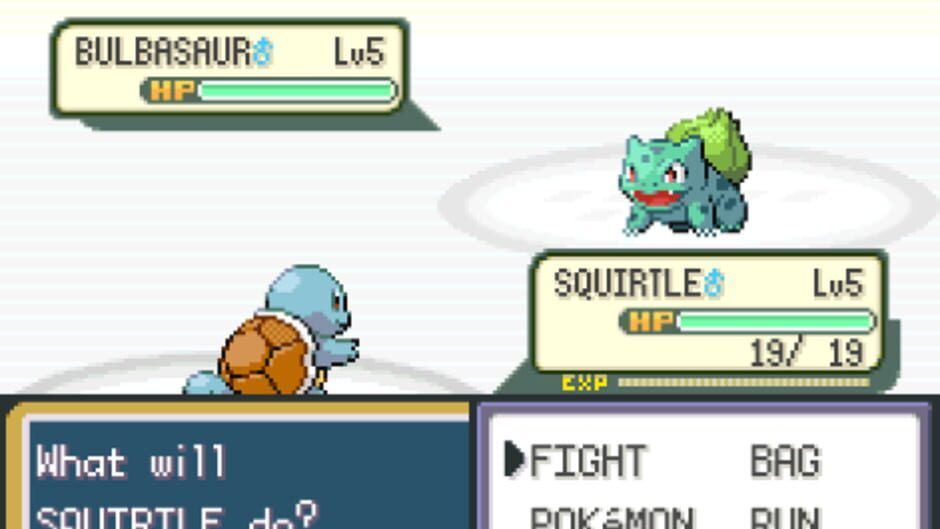
That missing sound effect turned out to be the key. Opening the Help menu at certain moments suppresses audio cues across the game. Most of the time, that just means actions happen silently. During wild Pokémon captures, though, it is more dramatic. Instead of playing the full capture jingle and the little pause that follows, the game jumps straight into the Pokédex entry.
From a speedrunner’s perspective this is huge. Cutting out the capture fanfare saves about 2.6 seconds every time you catch a Pokémon. In categories that involve registering many species the overall time save can be massive and could rewrite long standing leaderboards.
Why are players worried about save data?
Where things get murkier is that some players and commentators have raised concerns that this quirk might point to a deeper problem with the Switch app’s handling of Pokémon FireRed’s internal data.
Pokémon on Game Boy Advance is famously picky about how it reads and writes saves. The original cartridges use specific flash memory timing that modern emulation has to mimic carefully. Any desync between what the game expects and what the emulator is doing can theoretically corrupt save data or leave the game in a half updated state.
The fact that the Help menu can interfere with event flow and sound cues has led to speculation that other background processes like saving and scripting might not be perfectly lined up either. So far the reported and reproducible effect is limited to audio and cutscene timing, not hard save failures. Still, for a series where one glitched save can mean hundreds of hours lost, players are understandably cautious.
Does this matter for casual players?
For most people casually replaying FireRed on Switch, this glitch is more of a curiosity than a crisis. If you are just doing a normal story run, catching a reasonable number of Pokémon and not deliberately trying to trigger the trick, you are unlikely to encounter any serious problems.
The bug relies on intentionally bringing up the Help menu at specific times. Regular moment to moment play does not demand that you use that feature at all. Even when the glitch does happen, the main visible effect is a silent or shortened catch sequence rather than a crash or a clear save error.
So far there have not been confirmed, widespread reports that simply playing FireRed on Switch as intended will wipe or corrupt saves. Until that changes, there is not much reason for a casual player to panic or stop playing.
That said, anyone who is especially protective of a long term save file should still treat this like any other retro emulation quirk. Make sure your console has a stable power source, avoid mashing buttons while the game displays its standard “saving” text, and back up system data through Nintendo’s own cloud or data transfer features when possible.
How big a deal is it for speedrunners?
For runners the story is very different. The glitch is effectively a new optimization layer on top of a game that already relies on tight timing and controlled randomness.
Because every caught Pokémon that triggers the glitch cuts out a chunk of animation, categories that require filling out the Pokédex or catching certain thresholds such as runs that go through the Elite Four a second time with at least 60 species seen can save minutes over the course of a run.
That sort of time swing is big enough to reshape the meta. Routes planning will likely shift to incorporate specific Help menu timings for every required catch. Runners will also have to decide how much of the new tech to adopt, and some communities may split categories between original hardware and the Switch version to keep runs comparable.
On the safety side, speedrunners are also the group most at risk if the glitch is a sign of deeper issues. They push the game harder with fast inputs, frequent resets, and unusual menu behavior. Until the community has more data it is reasonable for anyone grinding serious attempts to:
Stay aware of when they are calling up the Help menu.
Avoid experimenting with the glitch on their most important save files.
Keep alternate saves or backup profiles for testing new routes on the Switch app.
What players should avoid right now
Nintendo has not publicly explained the behavior or issued any guidance yet, so the safest approach is to treat the glitch as unresolved business.
If you are a casual player who just wants a stable nostalgia run, the practical steps are simple. Do not press L to open the Help menu right before or during a Poké Ball throw. If you notice missing sound cues when catching a Pokémon, finish the catch, wait for the next normal saving opportunity, then consider closing and reopening the app to reset the session.
If you are a speedrunner, separate your “serious PB” save from any testing you are doing with the glitch and document exactly which inputs you are using. That makes it easier to track down problems later and helps the wider community gather clean data on whether this bug ever escalates past audio and timing.
Until Nintendo confirms what is happening under the hood, treating the new Switch quirk as a powerful but slightly risky trick is the best middle ground. It is a fascinating discovery that might define a new era of FireRed speedrunning, but it is not yet a reason for most players to abandon their journeys through Kanto on the Switch.