
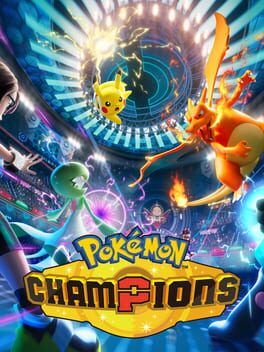

How Pokémon Champions on Switch and mobile modernizes the spirit of Stadium and Colosseum with cross‑platform play, deep competitive tools, and tight ties to Pokémon HOME and mainline games.
A New Home For Pokémon Battles
For years, competitive players have been asking for a true successor to Pokémon Stadium and Colosseum. Those games pulled battles out of the handheld RPGs and turned them into a standalone spectacle on TV, complete with clean rulesets, big-screen presentation, and multiplayer front and center.
Pokémon Champions is The Pokémon Company’s answer to that request. Built for Nintendo Switch, Switch 2, and mobile, it is a battle-focused game that deliberately steps away from catching and story content to zero in on structured, online play. From its cross-platform foundations to its tight integration with Pokémon HOME, Champions is clearly being positioned as the long-term hub for Pokémon battles.
Stadium And Colosseum, Reimagined For 2026
On a basic level, Champions fills the same niche that Stadium and Colosseum once did: it is the place where you bring in Pokémon you raised elsewhere, test them in clean competitive formats, and watch them fight with upgraded visuals and production values.
Mechanically, Champions pulls directly from the mainline games. It uses the familiar turn-based system built around types, Abilities, and moves rather than inventing a spinoff ruleset. Like Stadium, the focus is on well-defined rule variants, rental-style options, and spectator-friendly pacing. Like Colosseum, the standard format leans on Double Battles, which maps neatly to official Video Game Championships rules.
The difference is structure. Where Stadium was essentially a cartridge-based side project and Colosseum was a console RPG with a competitive bonus, Champions is built as a live platform. Content updates, rotating formats, and seasonal events are baked into its design, making it feel less like a one-off companion and more like an ongoing service that can sit alongside every future generation.
Cross-Platform Battling Between Switch And Mobile
The boldest step Champions takes is running on both Nintendo Switch hardware and mobile devices with full cross-platform play. Whether you are playing docked on a TV, in handheld on Switch 2, or on a phone, you connect to the same matchmaking pool and the same ladder.
For Pokémon, this solves a long-standing fragmentation problem. Competitive ladders have historically reset and shifted with each mainline release, and players were stuck to whichever hardware their current game lived on. Champions decouples battles from story campaigns, so training on a home console and jumping into a quick ranked set on your phone becomes a natural loop.
Cross-play also has big implications for the health of the competitive scene. Mobile dramatically increases the potential player base, which should help sustain matchmaking at all skill levels and time zones. That means shorter queue times, more accurate rankings, and better practice opportunities for players who want to push into high-level play.
Technically, the game leans into this platform-agnostic design. Menus are touch-friendly on mobile and controller-ready on Switch, with the battle UI using large move buttons, clear HP bars, and readable status indicators designed to be legible on smaller screens without sacrificing the theatrical flair fans expect from a console presentation.
Built For Competition First
Champions is designed first and foremost as a competitive client rather than a traditional RPG. That philosophy shows up everywhere from the mode structure to the feature set.
Ranked battles follow rulesets that mirror official VGC regulations, centering on Double Battles with level and species clauses similar to previous tournament formats. Seasons are planned to rotate rules and permitted Pokédex pools, echoing how Stadium cycled cups but with the modern cadence of a live-service ladder. Casual queues exist for experimentation without risking rank, which is crucial for testing new teams and unfamiliar mechanics.
Online competitions are treated almost like in-game esports events. Limited-time tournaments, special rules cups, and themed formats can be pushed into the client without requiring a separate game purchase. Spectator-friendly options, like simple replays and shareable battle codes, help content creators and grassroots organizers run their own events, much like the rental teams and battle videos did for Sword and Shield.
The game also supports modern battle mechanics. Mega Evolution is in at launch, complete with new Megas and balance adjustments, while official messaging hints that other generational gimmicks, such as Terastallization, will join in future updates. Handling these mechanics centrally through Champions gives The Pokémon Company a way to keep competitive balance consistent without fragmenting across different cartridges.
Plugged Into The Wider Pokémon Ecosystem
Pokémon Champions is not meant to replace the mainline RPGs. Instead, it slots into the existing ecosystem as the permanent battle outlet that connects everything together.
Compatibility with Pokémon HOME is the key. Players can transfer Pokémon from recent Switch titles like Scarlet and Violet, as well as earlier HOME-supported games, then register them for use in Champions. That makes Champions not just a parallel competitive option but the destination for your long-term collection.
This design echoes the original Stadium’s Transfer Pak concept, but in a unified, cloud-based form. You raise and breed competitively viable Pokémon in whichever mainline game you prefer, send them to HOME, and then deploy them into Champions formats. When a new generation lands, its Pokémon can be folded into the same client with patch support rather than requiring a whole new battle-focused game.
Because Champions is so tightly integrated with HOME, it is also positioned to inherit any future quality-of-life systems, such as improved move relearning or EV management tools introduced in later generations. Over time, it could become the cleanest environment for team building, while the RPGs remain the place for adventure, catching, and story.
Could This Be Pokémon’s Long-Term Battle Hub?
Viewed in context, all of these decisions point to a clear ambition. The official site and press materials call Champions a game focused on battling and emphasize cross-platform play, competitive rules, and HOME connectivity more than any story or exploration features. Kotaku and other outlets have already framed it as the platform for competitive play moving forward.
If The Pokémon Company follows through with long-term support, Champions could finally address two long-standing pain points. First is the need to rebuy a new cartridge every time the competitive scene shifts, fragmenting both players and collections. Second is the learning curve for new players, who often feel lost jumping straight from a casual single-player run into dense PvP systems.
As a persistent client, Champions can standardize where competitive Pokémon lives. VGC rules can be implemented here first, with official ladders and event qualifiers running on the same infrastructure regardless of which mainline title is current. Meanwhile, tutorials, rental teams aligned to the current meta, and structured onboarding can help newer players climb from casual cups into higher tiers at their own pace.
Of course, the long-term success of this plan will rely on consistent balance updates, clear communication about banned Pokémon and mechanics, and a fair monetization model, especially on mobile. But structurally, Champions is the clearest attempt yet to separate competitive battling from the mainline release treadmill and house it in a single, evergreen application.
What It Means For Stadium And Colosseum Fans
For veterans who cut their teeth on Gym Leader Castle runs and Battle Now sessions, Pokémon Champions feels like a modern realization of that dream. It brings the spectacle of console battles, the focus of a dedicated battle game, and the convenience of cross-platform play into one package, then anchors it in the broader HOME ecosystem.
Stadium and Colosseum were snapshots of their eras, bound to specific generations and hardware. Champions is built to outlast them by design. If The Pokémon Company continues to treat it as the default home for structured battles, it could become the place where your Pokémon career lives, even as you migrate from game to game and console to console.
In other words, Champions is not just a successor to Stadium and Colosseum. It is Pokémon’s attempt to finally build the permanent arena those games hinted at, where every trainer, every device, and every generation can meet in the same battle-centric space.