
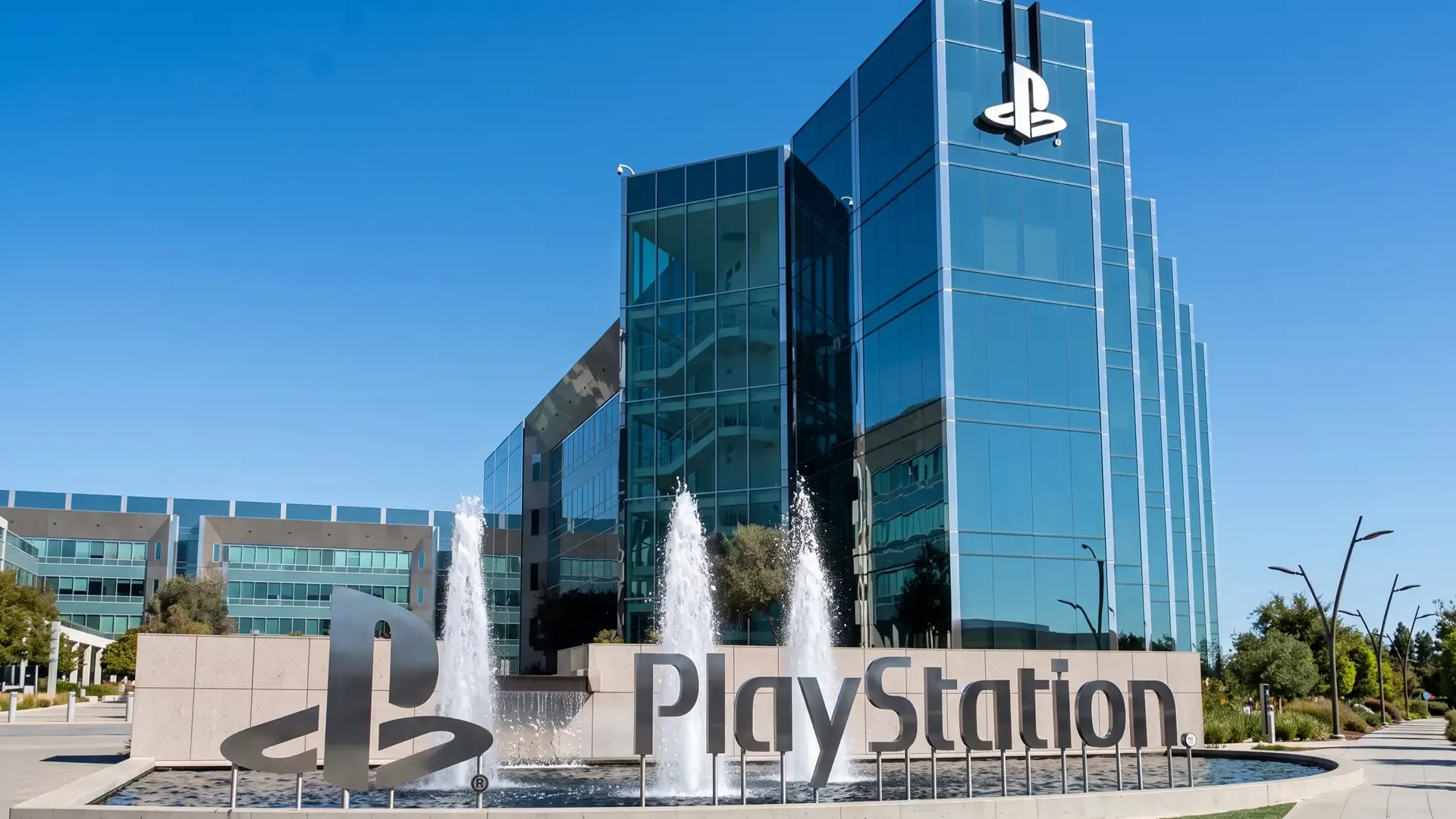

Stop Killing Games and DoesItPlay are backing a Dutch PlayStation Store lawsuit alleging Sony's closed digital storefront inflates prices, expanding the campaign from preservation into platform economics.
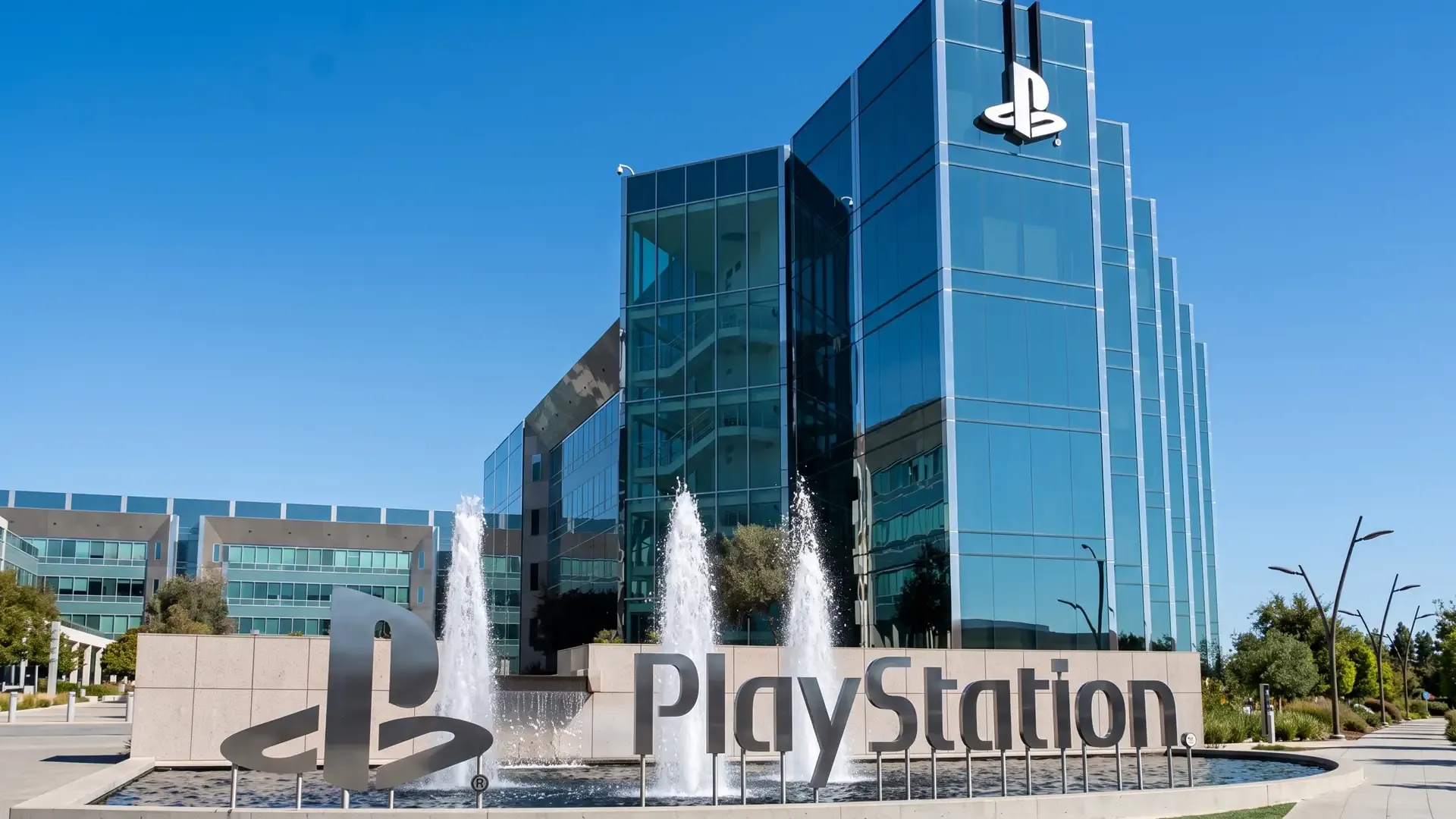
Image: en.gamegpu.com
Stop Killing Games steps into the PlayStation Store lawsuit
Stop Killing Games has moved into a new lane of consumer advocacy by backing Stichting Massaschade & Consument’s Dutch collective action against Sony over the PlayStation Store. The case, promoted under SM&C’s Fair PlayStation campaign, alleges that Sony’s control of digital PlayStation game sales lets it impose what campaigners call a “Sony Tax” on players.
The immediate tension is clear. Stop Killing Games built its identity around access to discontinued games and legal protections against games being rendered unplayable. This PlayStation Store lawsuit is aimed less at server shutdowns than at platform economics: who can sell digital console games, who controls prices, and what happens to consumer choice if discs disappear.
According to Kotaku, Stop Killing Games and preservation site DoesItPlay announced support for SM&C’s case through an official video and social posts. Kotaku quotes Stop Killing Games as saying it is “backing SM&C’s lawsuit against Sony over its total control of PlayStation Store pricing,” and that SM&C must show the Dutch court it represents gamers. Rock Paper Shotgun similarly reports that Stop Killing Games declared, “It’s time to sue Sony,” while throwing support behind the Dutch lawsuit.
This is not a court ruling against Sony. It is an advocacy group joining and amplifying a legal effort that already existed. The allegations remain allegations, and the source material does not include Sony’s response to the latest Stop Killing Games involvement.
The pricing claim at the center of the Sony tax lawsuit
The lawsuit’s central claim is that PlayStation owners who want to buy digital games have only one official route: the PlayStation Store. SM&C and supporting advocates argue that this closed ecosystem prevents third-party digital retailers from competing on PlayStation game prices, leaving Sony with too much leverage over digital distribution.
GameGPU reports that the plaintiffs accuse Sony of abusing a monopoly in digital PlayStation game distribution, with rights activists saying the lack of third-party digital stores leads to inflated prices. The same report attributes a more specific figure to the plaintiffs: digital versions of games from the company store are, according to them, on average 47 percent more expensive for customers.
Rock Paper Shotgun frames the complaint around the claim that Sony charges higher prices on the PlayStation Store than the same games cost at physical retail, with the Dutch consumer action seeking refunds for Netherlands consumers who allegedly paid the excess. Kotaku reports that SM&C argues Sony’s PlayStation Store monopoly has led it to abuse power in the digital game sales market.
The important distinction for readers is that the lawsuit is not simply about whether PlayStation Store games feel expensive. It is about whether Sony’s platform rules unlawfully remove competing digital sellers and whether that alleged lack of competition causes higher prices. The court has not established that yet, based on the provided source material.
Physical games are the pressure point in the case
The lawsuit’s economic argument becomes sharper because several reports tie it to Sony’s reported move away from physical PlayStation media. Kotaku says SM&C’s argument has intensified since Sony’s announcement that it will cease production of physical PlayStation media in January 2028. Rock Paper Shotgun likewise reports that the complaint has been compounded by Sony plans to ditch physical games entirely in 2028. GameGPU says the situation has become more acute because Sony plans to completely stop releasing games on physical media by 2028.
That detail matters because physical discs currently provide the clearest alternative to the PlayStation Store. Physical games can be sold by competing retailers, discounted independently, traded, bought second-hand, and resold by owners. If physical releases go away, the plaintiffs argue that the remaining market would be even more dependent on Sony’s digital storefront.
SM&C representatives, according to GameGPU, say abandoning discs would destroy the resale market and remove the only alternative to the PlayStation Store. Kotaku reports that SM&C argues Sony’s alleged monopoly is poised to worsen if purchases are allowed only inside Sony’s closed digital ecosystem.
There is still an evidentiary gap for anyone following the case from outside the Netherlands. The provided reports describe Sony’s planned physical-media exit and the plaintiffs’ use of that development in their argument, but they do not provide the full text of Sony’s announcement or Sony’s legal answer to SM&C. Until the court record is tested, the 2028 shift is best understood as a major pressure point in the plaintiffs’ theory, not proof by itself that the PlayStation Store monopoly claim will succeed.
Stop Killing Games is widening its battlefield
Stop Killing Games’ involvement is notable because it pushes the group beyond its best-known preservation fight. Kotaku describes Stop Killing Games as a decentralized global initiative seeking legal consumer protections against the intentional destruction of video games. Rock Paper Shotgun notes that the campaign previously failed to secure its key goal of new European Commission legislation to keep discontinued games playable offline, though RPS also says the campaign’s organizers have argued the effort is not dead.
This Sony pricing lawsuit is adjacent to preservation, but it is not the same issue. Preservation is usually about whether players can continue accessing a game after support ends. The Fair PlayStation case, as described by the sources, focuses on digital ownership conditions, retail competition, platform lock-in, and alleged overpayment.
Rock Paper Shotgun points to a broader pattern, reporting that Stop Killing Games has also amplified causes outside game preservation, including opposition to the UK’s proposed VPN ban and social media age verification plans affecting gaming services. In that context, backing the PlayStation Store lawsuit looks less like a one-off detour and more like a shift toward general digital consumer rights.
Strategically, the move is coherent even if the legal claim is different. If a platform holder controls the only store, controls the account system, and controls the long-term access layer, then preservation and pricing start to overlap. A player’s library is shaped by the same closed infrastructure whether the complaint is a shutdown, a refund, a resale restriction, or a storefront fee. Stop Killing Games appears to be treating those as linked battles over what digital ownership should mean.
The case sits inside a wider antitrust push against closed stores
The Dutch case is part of a larger wave of scrutiny around closed digital storefronts. HappyGamer reports that Sony is being sued in five countries, naming the United States, United Kingdom, Netherlands, Portugal, and Mexico, over claims that the PlayStation Store operates as an illegal monopoly. Kotaku separately compares the Dutch action to the UK’s “PlayStation You Owe Us” lawsuit, which also targets PlayStation Store competition concerns.
The reports do not establish that all of these cases are legally identical or coordinated through the same plaintiffs. HappyGamer characterizes the five-country spread as a coordinated lawsuit wave, while Kotaku’s supplied text specifically grounds the current Stop Killing Games development in the Dutch SM&C action. That difference is worth keeping intact rather than merging every case into one global lawsuit.
The common strategic question is familiar from other digital-market fights: when a company builds a closed platform, at what point does control of distribution become unlawful control of a market? HappyGamer draws a comparison to Epic’s lawsuit against Apple, where courts did not hand Epic a clean monopoly win under U.S. law, though Apple’s payment policies did change in some respects. Rock Paper Shotgun notes that PC storefront owners may watch the Sony case closely and points to prior litigation around Valve’s cut of Steam sales.
For PlayStation, the console-specific wrinkle is that the hardware and storefront are tightly bound. Sony can argue, if it chooses, from the position of a platform operator managing an integrated ecosystem. Plaintiffs are arguing from the consumer side: if you own the console and want digital games, there is no rival PlayStation-compatible digital shop applying price pressure. The source material does not provide Sony’s defense, so the strongest conclusion available right now is that courts are being asked to test the economics of a closed console store at a moment when physical alternatives may be shrinking.
What Dutch players can actually do right now
Stop Killing Games and DoesItPlay are urging Dutch gamers to join the legal proceedings. Kotaku quotes Stop Killing Games as saying that every Dutch gamer who signs on backs SM&C’s representation claim directly. GameGPU also reports that the associations have called on Dutch gamers to join the case.
For players outside the Netherlands, there is no immediate action described in the supplied sources beyond following related lawsuits in their own jurisdictions. For Dutch PlayStation owners, the practical question is whether they bought digital games through the PlayStation Store and whether SM&C’s Fair PlayStation campaign applies to them. The reports say the case seeks refunds for consumers who allegedly paid higher digital prices, but they do not specify payout timing, eligibility rules, or any guaranteed compensation.
Nothing in the provided material indicates that PlayStation Store prices have changed because of Stop Killing Games’ support. Nothing indicates that Sony has opened PlayStation to third-party digital storefronts. Nothing indicates that existing digital purchases are unavailable because of the lawsuit. For now, this is a legal and political pressure campaign rather than a store policy change players can feel at checkout.
The useful buyer guidance is therefore conservative. If you value resale, lending, or retailer price competition, physical PlayStation games remain the only alternative discussed in the source material, at least until the reported 2028 physical-media shift. If you buy digital on PlayStation, the lawsuit is directly about the market you are using, but any refund, rule change, or storefront opening depends on legal outcomes that remain unannounced.
A preservation campaign becomes a platform-economics campaign
The Stop Killing Games move is best read as an expansion of scope rather than an abandonment of preservation. The group’s original argument was that consumers should not lose functional access to games they paid for when publishers or platform holders shut systems down. The PlayStation Store monopoly case asks a related but broader question: how much power should a closed platform have over the sale, price, and long-term ownership conditions of digital games?
That is a forward-looking fight because the console market is drifting toward digital dependency. If the reports about Sony ending physical PlayStation media in 2028 hold as described by Kotaku, Rock Paper Shotgun, and GameGPU, the legal stakes around a single mandatory storefront rise sharply. A disc market can soften pricing control through used sales and retailer competition. A fully closed digital market gives the platform holder far more structural influence.
The unanswered questions are the ones that will decide the case’s importance. Dutch courts still have to weigh whether SM&C’s monopoly theory fits the law. Sony’s response, absent from the supplied material, will matter. The 47 percent overpricing claim attributed to plaintiffs will need evidence. The relationship between publisher pricing, Sony’s store rules, platform fees, discounts, and retail competition will need to be untangled.
For now, the confirmed development is narrower but significant: Stop Killing Games and DoesItPlay are backing SM&C’s Dutch PlayStation Store lawsuit, and they are using their preservation-era audience to support a case about pricing control. That turns the Sony pricing lawsuit into a test of where game ownership advocacy goes next, especially if the console business continues moving away from discs and deeper into single-store digital ecosystems.