
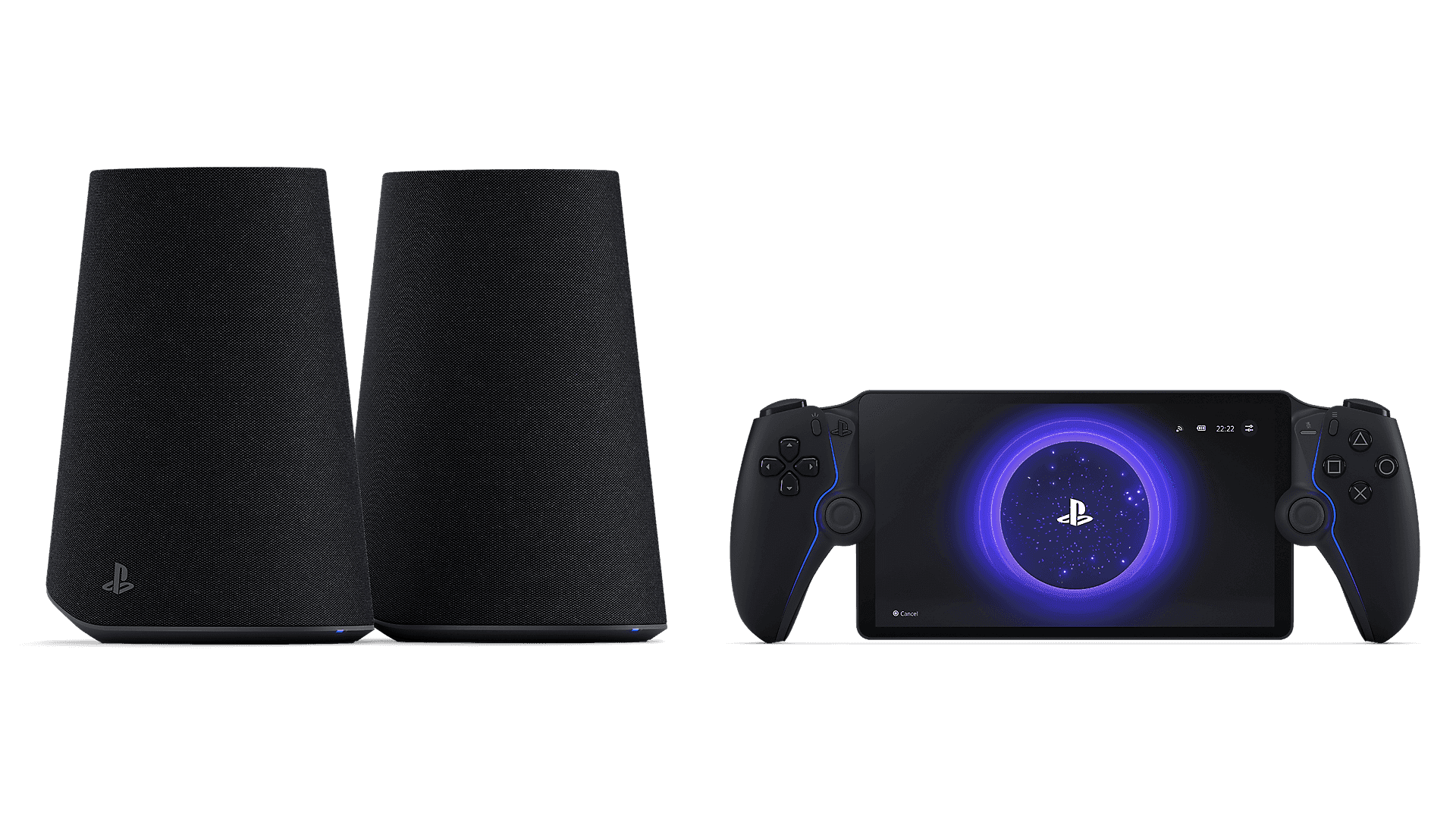

Sony has delayed the Pulse Elevate wireless speakers after finding a production issue during quality testing, leaving no new release date and unanswered preorder questions.
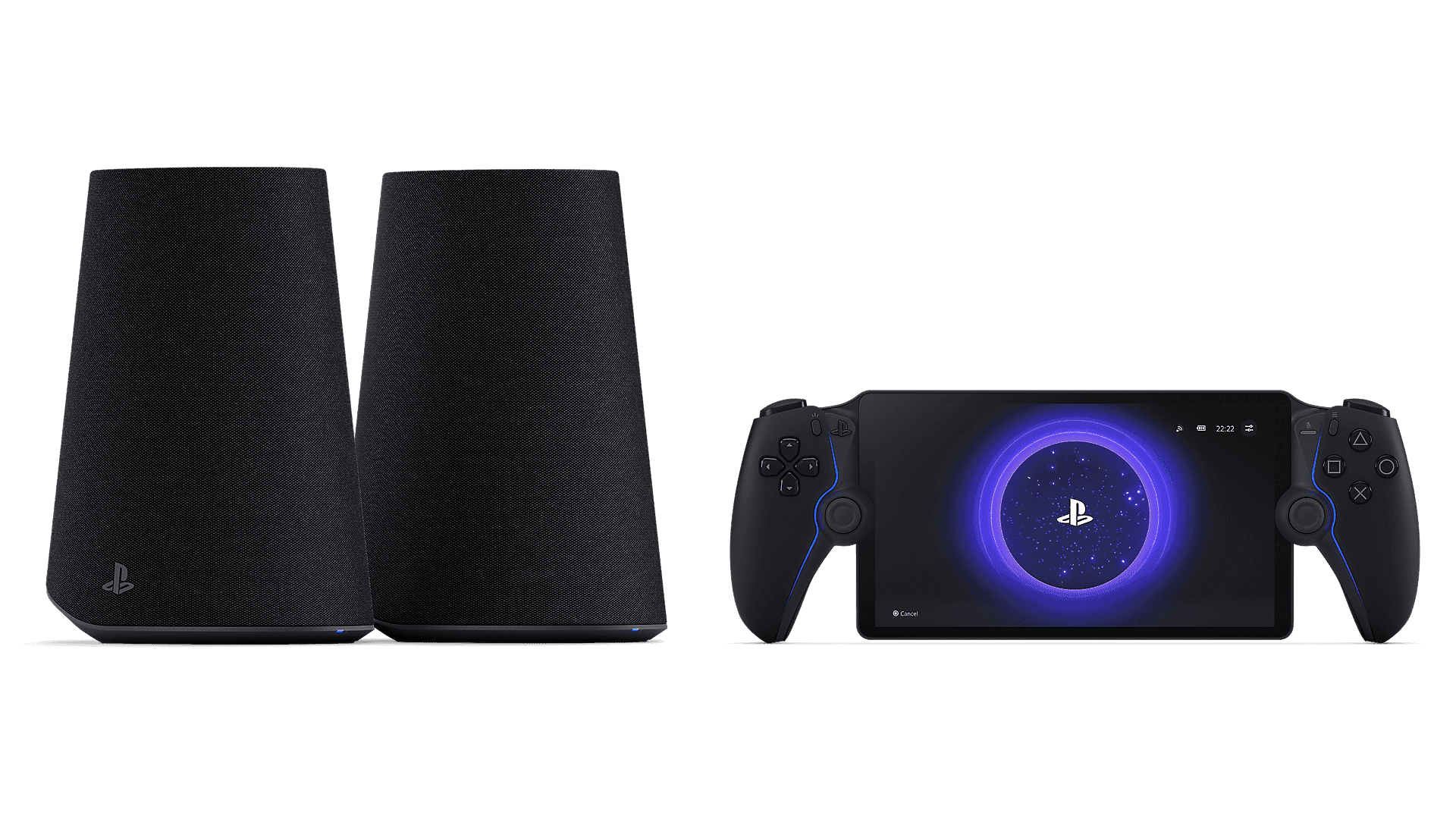
Image: playstation.com
Sony’s speaker launch has been pulled days before release
Sony Interactive Entertainment has delayed the PlayStation Pulse Elevate wireless speakers after identifying what it called a “production issue” during quality testing, according to a November 6 update on the original PlayStation Blog announcement. The immediate consumer problem is simple: the speakers were due to arrive on November 12, but Sony has not announced a replacement PS5 speakers release date.
In Sony’s statement, the company said the extra time would allow it to make sure Pulse Elevate “will deliver the experience we intended for our players.” Sony also apologized for the delay and said it looked forward to bringing the speakers to players “soon.” That is the full confirmed explanation for the PlayStation Pulse Elevate delay. Sony has not described the production issue, said whether finished units are affected, given a new launch window, or published a preorder policy in the source material provided.
That lack of detail is the tension for buyers. This is not a concept product quietly slipping on a roadmap. Eurogamer reported that preorders had already opened in September, and IGN noted the delay update landed only six days before the planned global launch. For a hardware accessory, a late-stage hold after preorders are live usually matters less because of the calendar and more because customers now have to decide whether to keep money tied up in a product with no dated path to shipping.
The confirmed product was a $219.99 PlayStation Link speaker set
Pulse Elevate was announced by Sony as its first wireless speakers for desktop gaming, according to Eurogamer’s summary of the PlayStation Blog announcement. The speakers were positioned alongside the Pulse Elite headset and Pulse Explore earbuds, extending Sony’s current PlayStation audio line from personal listening into a room speaker format.
The listed price was £199.99 in the UK and $219.99 in the US, according to Eurogamer, while Twisted Voxel also listed €219.99 for Europe. Sony’s planned color rollout was not completely uniform. Eurogamer reported that Midnight Black was due to be available everywhere, while the White version was limited to select countries, including the UK.
The feature set explains why some buyers may have treated this as a specific ecosystem purchase rather than a generic pair of desktop speakers. The speakers connect to PS5, PC, Mac, and PlayStation Portal via PlayStation Link, according to Eurogamer and IGN. They can also pair with a phone over Bluetooth at the same time, letting users keep a second device connected while using PlayStation Link. Twisted Voxel reported additional advertised features including planar magnetic drivers, built-in woofers, charging docks, a portable design, up to 12 hours of battery life, and support for Sony’s Tempest 3D AudioTech in compatible games.
Sony also advertised a microphone in the right speaker with AI-enhanced noise rejection, according to Eurogamer and IGN. IGN said it had previously seen the broader PlayStation hardware lineup and called the noise rejection system “seriously impressive stuff,” but that was a preview impression, not a post-delay confirmation that retail units will ship unchanged.
Preorders are the unanswered part of the story
The most practical question for customers is also the one Sony has not answered in the provided statement: what happens to existing Pulse Elevate preorders? Eurogamer reported that it was unclear what happens to those orders after the delay. Kotaku similarly reported that no refund policy had been announced alongside the schedule change.
That matters because the delay is open-ended. A product can miss launch week and still have a clean consumer path if the manufacturer immediately gives a revised date, explains whether payment has been captured, and tells buyers how cancellations will work. In this case, the public message confirms only the reason category, a production issue found during ongoing quality testing, and the decision to delay.
Game Rant reported that the official PlayStation Store listing said, “Due to high demand, there is a limit of 1 per order,” while also saying the speakers were unavailable in the store. Because the provided Game Rant text cuts off before fully describing the listing state, the safest reading is that availability information may be in flux and buyers should rely on their actual retailer order page, email notices, and PlayStation Direct account status rather than screenshots or cached store copy.
If you preordered through PlayStation Direct or another retailer, the next useful signals are concrete ones: an order status change, a cancellation or delay email, a revised shipping date, or a public Sony update that mentions preorder handling. Until Sony or the seller gives those details, any claim about automatic cancellations, refunds, or shipment timing is speculation.
A production issue this late points to quality control, not a new feature plan
Sony’s wording is narrow. The company said quality testing identified a production issue “with the product.” It did not say the speakers are being redesigned, that a feature failed certification, that components are unavailable, or that demand exceeded supply. Those are all possible in the broad world of consumer electronics, but none is confirmed by Sony’s statement.
From a hardware strategy perspective, that distinction matters. A late production issue can involve consistency between units, manufacturing tolerances, packaging, battery behavior, wireless reliability, thermals, charging docks, microphones, firmware, or other factors. The supplied sources do not identify which category applies here. Treating the delay as a confirmed battery, audio, latency, or supply-chain problem would go beyond the record.
The timing still raises fair questions. IGN noted that Sony had not made clear how many units were manufactured before the delay or how the issue might affect existing speakers. If review or influencer units were already in the wild, as Kotaku said appeared to be the case based on social media posts, that does not prove retail units are safe or unsafe. Pre-release hardware can differ from production runs, and the word “production” specifically points toward the manufacturing pipeline rather than the announcement-stage design pitch.
For buyers, the useful takeaway is to wait for Sony to clarify whether the product specifications, price, regional color availability, or compatibility list remain unchanged. A delay can end with the same product shipping later, but until Sony updates the PlayStation Blog or store listing, the current spec sheet should be treated as the last announced plan rather than a fresh guarantee.
The delay hits a specific PlayStation ecosystem bet
Pulse Elevate was not being sold as a basic accessory with a PlayStation logo on the box. Its pitch depended on Sony’s current audio ecosystem: PlayStation Link for low-latency wireless connectivity, compatibility across PS5, PC, Mac, and PlayStation Portal, simultaneous Bluetooth use, and speaker-based access to 3D audio in supported games.
That ecosystem angle is the strategic piece. Console audio hardware usually lives or dies on friction. A headset can justify its own space because voice chat, noise isolation, and private listening are obvious use cases. Desktop speakers have to win a different fight: they must be convenient enough for players who split time between console, handheld remote play, and PC setups, while also sounding better than what those players already own.
Pulse Elevate’s announced features were aimed at exactly that gap. PlayStation Portal support gives the speakers an unusual role in a desk setup where the Portal is used at close range. Simultaneous Bluetooth pairing could make the speakers more viable for players who want phone audio or calls available without constantly re-pairing devices. The built-in microphone with AI-enhanced noise rejection was another attempt to reduce the usual speaker-versus-chat compromise.
A production delay cuts into that positioning because trust is part of the hardware equation. Players buying into proprietary wireless audio want confidence that the device will work cleanly across supported platforms, receive proper support, and arrive close to the promised date. Sony’s decision to halt the launch suggests it preferred taking a public delay over shipping units that might miss its intended standard, but the company now has to rebuild certainty with dates and order guidance.
There are date conflicts around the reporting, but no new date from Sony
The source material agrees on the core fact: Sony has delayed Pulse Elevate after finding a production issue and has not provided a new release date. There is some inconsistency in how outlets frame the surrounding calendar. Eurogamer’s supplied text says Sony revealed Pulse Elevate in September 2025 and that the speakers were set to go on sale worldwide on November 12, while IGN, Kotaku, Twisted Voxel, and Game Rant frame the delay around November 2026. The PlayStation Blog URL cited by the outlets is dated September 24, 2025, and the delay update is identified as November 6.
For consumers, the year-label discrepancy in coverage matters less than the present status, but it is worth being precise: the planned November 12 launch is no longer happening, and Sony has not replaced it with another public date in the supplied material. Any retailer page that still shows old launch information should be treated cautiously unless it has been updated after Sony’s November 6 statement.
The phrase “delayed indefinitely” appears in outlet coverage because there is no revised date, not because Sony announced a formal cancellation or a long-term shelving of the product. Sony’s own language says it plans to bring Pulse Elevate to players “soon,” but “soon” is not a launch window. Until the company gives a month, quarter, or date, the safest consumer assumption is that the schedule is unresolved.
How buyers should approach the Pulse Elevate delay now
If you already preordered, do not assume your order has been canceled, shipped, or converted into a future allocation unless your retailer says so. Check the order page directly, save any delay emails, and watch whether payment authorization changes. If your retailer gives a cancellation option and you need desktop speakers for the holidays or a current PS5 setup, the open-ended nature of the Sony wireless speakers delayed notice is a valid reason to reconsider.
If you were planning to buy at launch, waiting is the cleaner move. The original value calculation depended on the full package: $219.99 pricing in the US, PlayStation Link support, Bluetooth pairing, PS5 and Portal compatibility, AI-enhanced microphone features, and the promised speaker form factor. A production issue does not automatically undermine those features, but it does mean there is no retail track record yet and no confirmed revised timing.
The next update to watch is not another broad apology. Buyers need specifics: a new release date, confirmation that the production issue has been resolved, preorder and refund instructions, final regional availability for Midnight Black and White, and whether any advertised specs have changed. Until those arrive, the PlayStation Pulse Elevate delay remains a consumer hardware story about uncertainty rather than a simple calendar slip.