
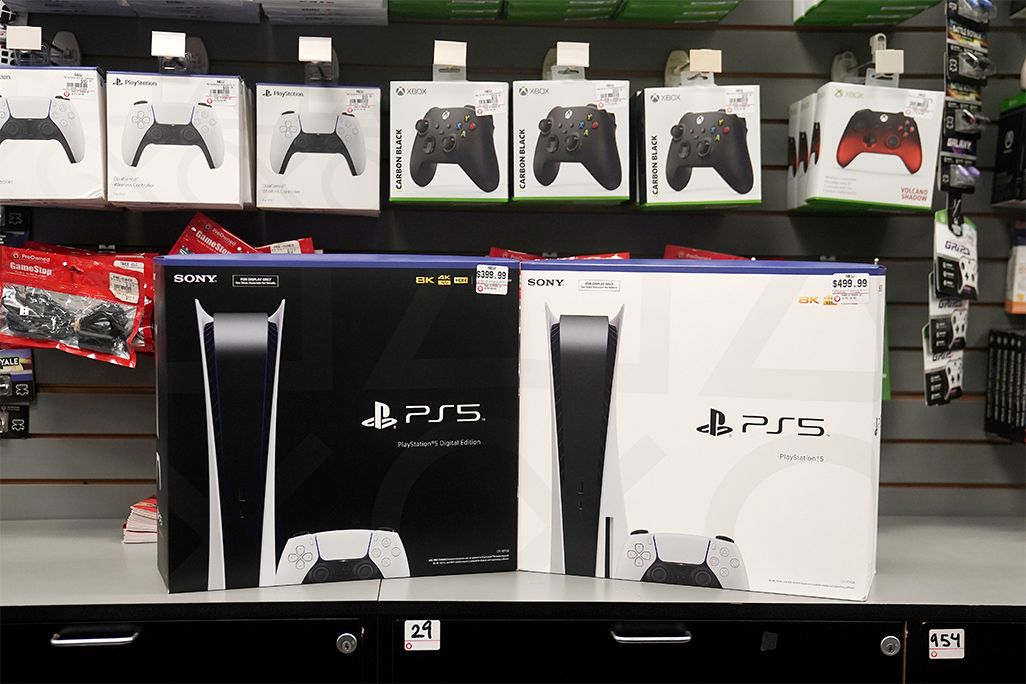

A UK tribunal rejected a £2 billion Sony UK class action over PlayStation Store pricing, finding the case did not prove competition-law infringement or unfair prices.
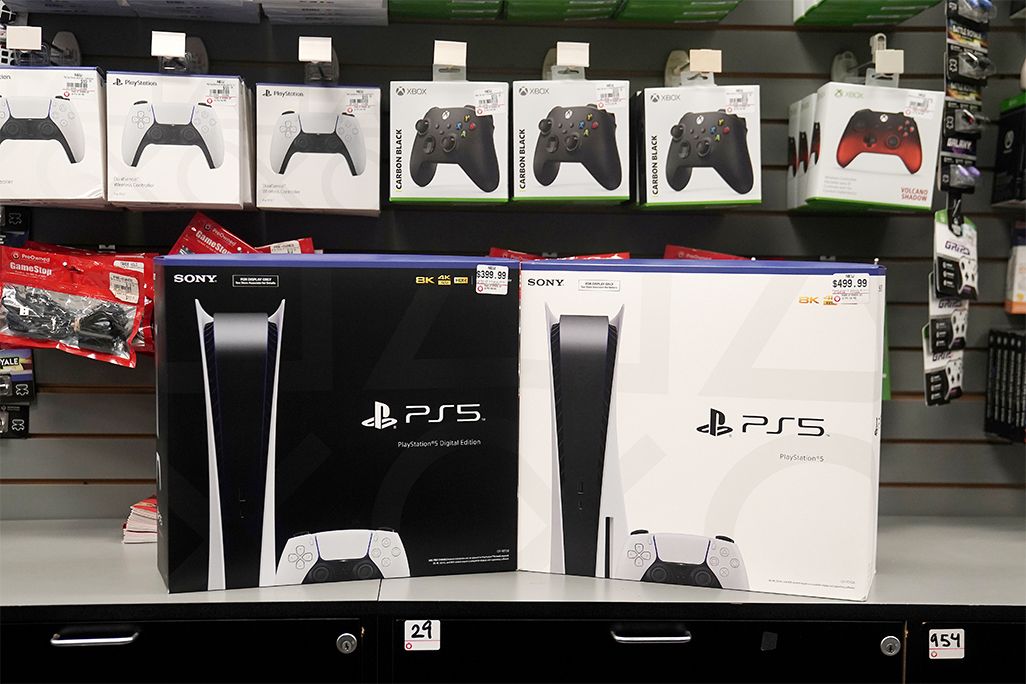
Image: cyprus-mail.com
UK tribunal rejects the £2 billion PlayStation Store pricing case
Sony has defeated a major UK collective action over PlayStation Store pricing, with London’s Competition Appeal Tribunal dismissing the claim in its entirety on November 17, according to Reuters, The Game Business, GamesIndustry.biz, Eurogamer, and Rock Paper Shotgun. The case alleged that Sony’s control of digital game and add-on sales on PlayStation consoles allowed it to charge “excessive and unfair” prices through the PlayStation Store and its standard 30 percent commission.
The immediate consequence is straightforward for UK players who were covered by the claim: there is no payout from this case. GamesIndustry.biz reported that the lawsuit covered 12.2 million users and said they could have been in line for about £162 each if the claim succeeded, with a total value around £2 billion, or $2.6 billion. The claim was brought by consumer campaigner Alex Neill and covered people who purchased PlayStation digital content between August 2016 and February 2026, according to The Game Business.
The tension is larger than a single lost lawsuit. The Sony UK class action aimed at the economic structure behind console digital stores: closed hardware, a single built-in digital storefront, and platform fees that developers and publishers generally factor into their commercial plans. The tribunal did not say digital buyers never face lock-in pressures. It said this case failed to prove that Sony infringed UK competition law.
What the lawsuit alleged about the PS Store 30 percent cut
The claim’s central argument was that once a player bought a PlayStation console, Sony controlled the digital aftermarket for that user. Digital games and add-ons for PlayStation hardware are bought through the PlayStation Store, and the claim argued that Sony’s terms and 30 percent commission on purchases were passed on to consumers in the form of higher prices.
GamesIndustry.biz reported that the claim described digital users as an “entirely captive class” inside a closed ecosystem and alleged that digital game content would have been about 20 percent cheaper without Sony’s practices. Reuters, via KFGO, reported that lawyers for the claimant class told the tribunal in March that Sony could set retail prices for digital content “without facing any retail competition,” allowing it to obtain monopoly profits from digital distribution.
Sony’s answer, as reported by Reuters, was that it had invested “years and billions” in an integrated gaming platform and that rivals such as Nintendo and Microsoft’s Xbox use similar models. Sony also argued that third-party stores on PlayStation would be able to “free-ride” on its platform investments, and that the lawsuit ignored the company’s costs and brand value. The Game Business reported that Sony’s position included the argument that console makers sell hardware cheaply and make money back on software sales, a point the tribunal considered when assessing whether margins were excessive.
Why the tribunal did not accept the closed-ecosystem argument
The tribunal’s key move was to define the competitive battleground more broadly than the claimants wanted. Rather than treating digital PlayStation sales as the whole market, the tribunal ruled that Sony competes in a wider “systems market” that includes Xbox, Nintendo, and PC, according to The Game Business, Eurogamer, and Rock Paper Shotgun.
That market definition mattered because the claim depended on showing that PlayStation owners were trapped after buying the console. Eurogamer reported that the judgment described the claim’s market definitions as “unsafe” and said consumers “would be likely to make informed choices when purchasing consoles” and games. The same report quoted the judgment as saying potential PlayStation console buyers had access to enough information and an incentive to consider it, especially high-value users who spend significant amounts in the digital gaming aftermarket.
GamesIndustry.biz reported that the tribunal called the trapped-consumer argument “not credible,” saying it was based largely on theoretical assumptions that did not hold up in the real world. The judgment also cited “strong evidence of a willingness of consumers to switch consoles following an increase in games prices,” including Sony research that forecast commercial harm if PlayStation game prices became uncompetitive with Xbox.
From a strategy perspective, that is the decisive part of the ruling. The claim focused on the locked gate after a player enters the PlayStation ecosystem. The tribunal focused on the decision before entry: which platform a buyer chooses, how much they expect to spend, and whether rival systems discipline pricing.
Physical games became a crucial defense, even as their future narrows
The tribunal also found that PlayStation Store buyers had alternatives in physical copies, according to GamesIndustry.biz, Eurogamer, The Game Business, and Engadget. That point helped Sony because it gave the tribunal another route to reject the idea that digital PlayStation users had no meaningful substitute.
There is an awkward timing issue here. GamesIndustry.biz, Eurogamer, and Engadget each noted that Sony has recently announced plans to discontinue physical discs for new PlayStation games launching on PlayStation consoles from January 2028. The tribunal’s ruling still treated physical games as a current competitive alternative, and Eurogamer reported that the coming change did not appear to affect the decision.
That leaves digital buyers in a practical gray zone. For now, the judgment says the availability of physical copies helped defeat the monopoly theory. If physical releases become less available from 2028, future claims may try to argue from a different factual record. This ruling does not answer how UK competition law would assess PlayStation pricing in a market where physical software no longer plays the same role.
The case also did not decide the ownership question around digital purchases. Eurogamer noted that digital ownership issues have been central to campaigns opposing the move away from physical media, but this proceeding focused on competition law, commissions, and pricing rather than whether consumers own digital games in the same way they own discs.
No legal duty to open PlayStation to rival stores
The tribunal rejected another major remedy implied by the claim: forcing Sony to allow third-party digital storefronts on PlayStation. The Game Business reported that the court said requiring Sony to support rival stores would be expensive, complex, and could affect security. GamesIndustry.biz added that the tribunal found PlayStation had not been created as an open platform, and making it capable of supporting third-party stores would require significant cost and effort, likely reducing security and performance.
That finding separates this ruling from the cleaner version of the consumer complaint: if one store has all digital PlayStation sales, let other stores compete. The tribunal accepted that opening the platform would have costs and risks, and The Game Business reported that it found no legal duty under competition law for Sony to do so.
The pricing evidence also fell short. The tribunal found that Neill’s side had not proven Sony’s profit margins were excessive, according to Rock Paper Shotgun and The Game Business. It also found no evidence that rival digital storefronts on PlayStation would have reduced prices. GamesIndustry.biz reported that the claim’s assertion that competitive prices would be 20 percent lower than actual retail prices “was not made out.”
For players frustrated by the PS Store 30 percent cut, this is the cold part of the ruling. A high commission and a closed storefront were not enough by themselves. The claim had to connect Sony’s structure to unlawful conduct and demonstrably unfair consumer pricing. The tribunal found that connection unproven.
How this compares with Apple, Valve, and other storefront fights
The ruling does not end legal pressure on digital storefronts, but it gives Sony a major win in one of the most visible challenges to console platform economics. GamesIndustry.biz reported that the same UK tribunal previously found against Apple in 2025 in a similar case involving the App Store and its 30 percent commission, concluding that Apple had abused its dominant position. Apple is seeking to appeal that decision, according to Reuters via KFGO.
The contrast is important. The Sony result shows that courts and tribunals can treat superficially similar 30 percent commission cases differently depending on market definition, platform design, available alternatives, and evidence on prices. Rock Paper Shotgun noted the similarity to claims against Valve over Steam, while also pointing out a key difference: PC has rival storefronts such as Epic Games Store and GOG, even if the strength of that competition is debated.
The Game Business reported that PlayStation still faces similar class actions in Australia, the Netherlands, and Portugal at an earlier stage. This UK decision may influence expectations around those cases, but it does not automatically decide them. Different jurisdictions, different pleadings, and different evidence can produce different outcomes. The lesson for future claimants is narrower and sharper: it will not be enough to point at a 30 percent commission and a closed store. They will need stronger proof on market power, consumer harm, margins, and realistic counterfactual pricing.
What digital PlayStation buyers can take from the ruling
For current UK PlayStation users, the practical position is unchanged. The PlayStation lawsuit dismissed by the tribunal will not force Sony to add competing stores to PS5, PS4, or PS3 storefront access, and it will not produce compensation from this case. There is also no ruling requiring Sony to reduce PlayStation Store prices or alter the PS Store 30 percent cut.
Digital buyers should read the judgment’s logic as a reminder that the console choice is part of the price decision. The tribunal accepted that buyers can consider total ecosystem costs when choosing between PlayStation, Xbox, Nintendo, and PC. For high-spending players, that includes expected digital purchases, add-ons, subscriptions where relevant, and whether physical copies remain available for the games they want.
In the near term, physical editions still matter as a price comparison point where they exist. In the longer term, the reported January 2028 shift away from new physical PlayStation discs could make that comparison less useful. The ruling does not guarantee that digital prices will stay the same, rise, or fall. It says this specific Sony digital games lawsuit did not prove that Sony’s model unlawfully inflated them.
Sony’s legal win is therefore a strong defense of the current PlayStation Store model, but not a final settlement of the broader digital games economy debate. Buyers still face the same strategic choice they had before the ruling: treat the console as the entry fee, and treat the storefront rules as part of the real long-term cost.