
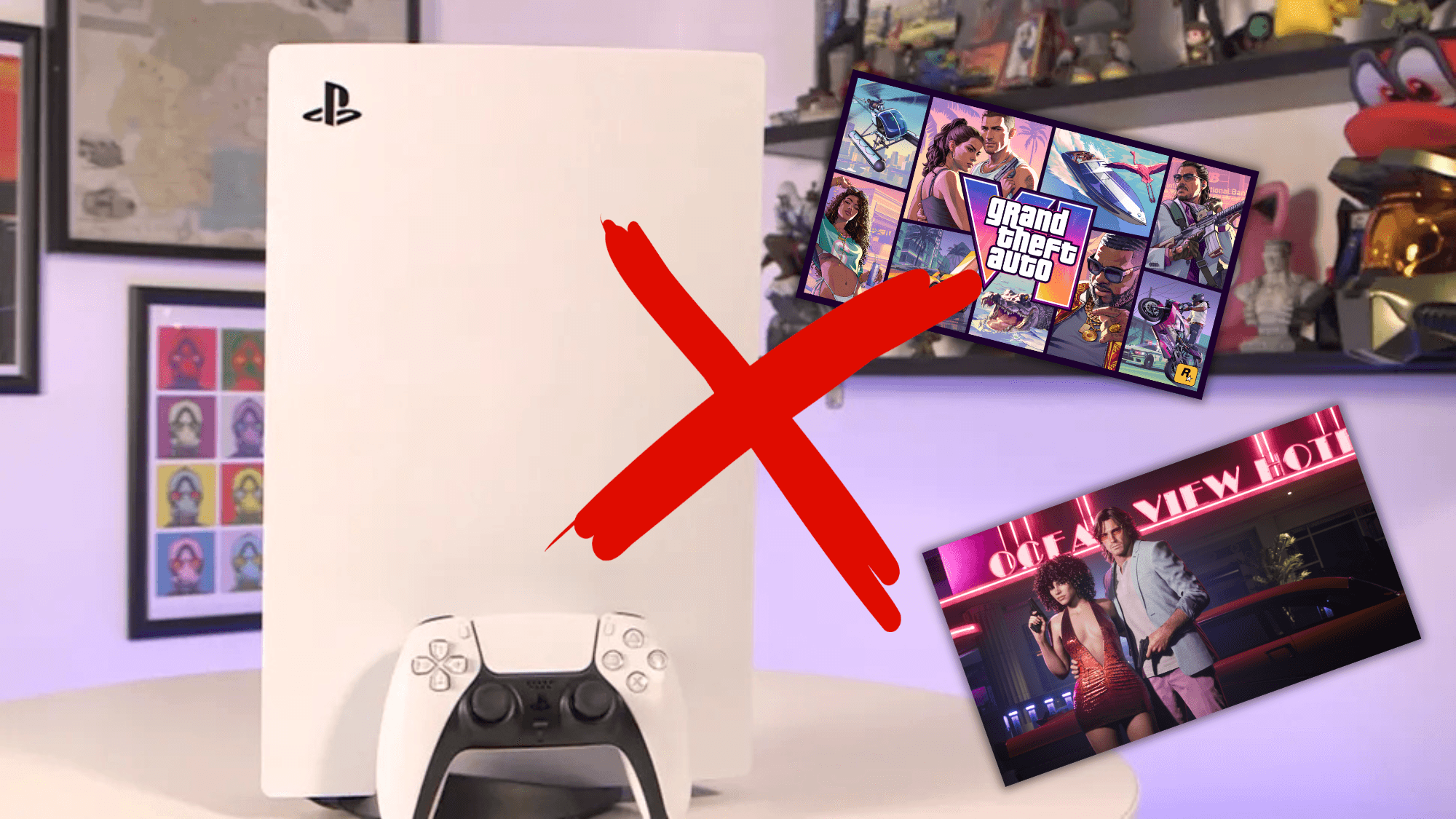

Sony has acknowledged the PlayStation disc backlash, but CFO Lin Tao says the company will keep moving toward a digital future. Here is what players can and cannot infer about PS5 physical discs, disc drives, and near-term buying decisions.
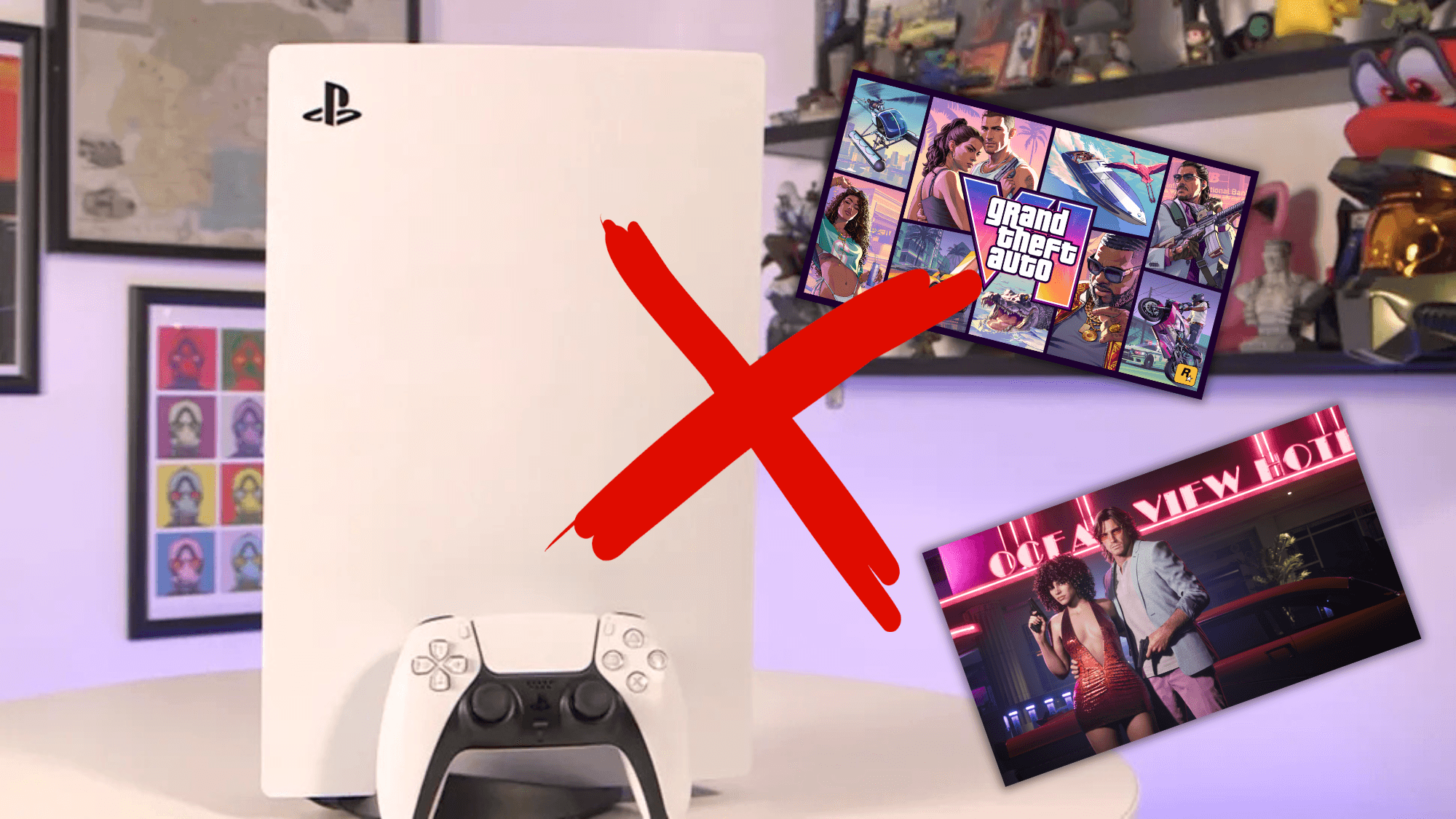
Image: techradar.com
Sony’s answer is acknowledgment without a reversal
Sony’s first substantive response to the PlayStation disc backlash is now on the record, and the company is not signaling a retreat. During a Q&A following Sony’s Q1 2026 earnings announcement, CFO Lin Tao said Sony had considered the move for some time and would “cautiously move this forward,” according to Video Games Chronicle, GamesIndustry.biz, Console Creatures, Metro, and other outlets that covered the investor session.
The concrete policy at issue is Sony’s plan to stop manufacturing game discs for new PlayStation console releases from January 2028. VGC reports that Tao said Sony announced the decision “one and a half years ahead” and framed the timing around a broader shift toward digital content. GamesIndustry.biz similarly quotes Tao saying the biggest reason was that “digitalisation of contents overall has been progressing.”
That phrasing matters because it separates the confirmed decision from the larger fears around it. What Sony has publicly addressed, as reported by these outlets, is manufacturing of new PlayStation game discs from January 2028 onward. The provided reporting does not show Sony announcing that existing PS5 disc drives will stop working, that already released PS5 physical discs will be invalidated, or that retailers must immediately stop selling existing stock. It also does not give a detailed hardware roadmap for future PlayStation consoles.
Tao did acknowledge the emotional charge behind Sony physical games. VGC and GamesIndustry.biz both quote her saying Sony has received “various opinions,” that people have “strong views,” and that games are tied to “fond memories” for many players. But the company’s stated next step is not to preserve discs. It is to figure out how to engage players inside a future digital ecosystem.
The financial backdrop explains why Sony is willing to absorb anger
The investor-call context is important because Sony’s disc policy was discussed alongside a business that is already financially weighted toward digital spending. GamesIndustry.biz reports that Sony’s Games & Network Services segment posted ¥937.1 billion in sales income for the three months ended June 30, 2026, up 0.6% year-on-year, while operating income rose 37% to ¥202 billion.
Within that segment, GamesIndustry.biz reports total software sales of ¥526.6 billion. Digital software and add-on content accounted for ¥485.2 billion, while physical software generated ¥20.5 billion. Those categories are not a clean digital full-game versus physical full-game comparison because add-on content is included in the digital figure, but they still show the commercial center of gravity Sony is describing to investors.
Sony also reported, via GamesIndustry.biz, that network services increased 21% year-on-year to ¥172.6 billion, while monthly active users reached 125 million in June, a record high for that month. At the same time, hardware sales fell 10.4% year-on-year to ¥222 billion, and PS5 unit sales declined from 2.5 million to 1.6 million units.
From a platform-strategy perspective, this is the map Sony appears to be playing from: hardware growth is softer, network revenue is rising, and software spending is already concentrated in digital channels and add-ons. That does not answer player concerns about ownership, resale, lending, preservation, or price competition. It does explain why Sony can face loud backlash and still tell investors that the plan remains intact.
A disc-drive panic is not supported by the current record
The most immediate player question is whether buying a PS5 with a disc drive is now urgent. Based on the provided sources, the answer needs precision. Sony’s announced cutoff concerns manufacturing game discs for new PlayStation console releases beginning in January 2028. None of the supplied reports cites Sony saying current PS5 disc drives will be disabled, that existing discs will stop installing, or that disc-based PS5 games released before the cutoff will lose compatibility.
That distinction is easy to lose in the heat of the PlayStation disc backlash. A manufacturing cutoff for new releases affects future availability and retail competition. It is not the same as a technical shutdown of hardware already in homes. Players with libraries of PS5 physical discs have no sourced reason here to conclude that those discs become unusable in January 2028.
There is still a rational reason physical-first buyers may value a disc-capable PS5 now. eXputer notes that the PS5 Slim made the drive modular, while the PS5 Pro launched without a built-in disc drive. Those are hardware-design signals, not a guarantee of what Sony will offer next. The sources do not include a Sony promise that disc drives will remain widely available, bundled, or supported in future hardware revisions.
So the near-term buying logic is less about panic and more about optionality. If a player owns PS5 physical discs, buys used games, borrows games, collects boxed releases, or wants access to pre-2028 physical releases, a disc-capable setup remains the safer current purchase. If a player already buys entirely through PlayStation Store and does not care about boxed games, Sony’s comments do not create a new requirement to change course.
Sony is also downplaying discs as a competitive advantage
One of the sharper comments from Tao came through Operation Sports, which reported that Sony does not view discs as a meaningful differentiator between PlayStation and PC. Tao said Sony sees PlayStation’s strengths in “curated content,” a stable game environment, and affordability compared with high-end gaming PCs, according to that report.
That is a platform-holder answer. It treats the disc as a distribution method, not as a pillar of the console value proposition. For physical-media supporters, the counterargument is obvious: discs create a second market, allow resale and lending, support collecting, and give retailers a role in pricing. Exputer frames the concern in those terms, arguing that removing physical games leaves players with fewer alternatives to the platform store.
The tension is that both sides can be describing real parts of the market. Sony can point to rising digital revenue and convenience. Players can point to practical consumer protections that discs still provide. Business Insider reported that some responses to Sony’s announcement argued physical media keeps prices competitive, while others said they had already been buying digital games for years.
Sony’s answer also suggests the company is not primarily worried that upset collectors will migrate en masse to PC because PC gaming has largely normalized digital storefronts. Operation Sports reports Tao saying Sony does not believe “the disc itself is a strong factor for differentiation.” That does not mean no customers will leave. It means Sony is telling investors it does not see the disc as the thing that defines PlayStation’s competitive moat.
The backlash is organized, visible, and still hard to convert into leverage
The reaction has been unusually sustained for a platform-policy change. Business Insider reported on July 6 that Sony’s X post announcing the disc decision had reached 145 million views and 90,000 replies as of that Monday morning, with many top responses negative. The same report said the PlayStation X account, which typically posted at least once per day, had not posted since the July 1 announcement at that time, and that the post had been repeatedly tagged with community notes by X users.
Petition numbers in the supplied reporting show how quickly the campaign evolved. Metro previously covered a petition reaching 100,000 signatures. eXputer cited Tom’s Hardware reporting that a petition was approaching 200,000 signatures at that time. Console Creatures later reported that the “Don’t Kill the Disc” Change.org petition had gathered more than 352,000 signatures. Those figures are not conflicting so much as snapshots from different moments in a moving campaign.
Console Creatures also reports that Does It Play and other creators were organizing a “PlayStation Blackout” protest from August 23 to August 30, citing Kotaku, asking participants not to log in, play, or purchase on PlayStation consoles during that period. Vice likewise referenced a worldwide boycott effort for those dates and reported that Sony did not believe the negative feedback had affected sales so far.
Creators and developers have also added cultural weight to the dispute. VGC reports that Sandfall Interactive CFO Guillaume Broche said he found Sony’s decision “super sad” because he likes video game stores and because people on the team collect PS5 discs. Business Insider reported that Hideo Kojima said he was saddened by the end of PlayStation discs and warned that digital-only distribution could risk people losing access to purchased content one day.
The hard part for players is converting visibility into a policy reversal. Sony has now acknowledged the emotion, acknowledged the criticism, and repeated the direction of travel. Unless backlash affects revenue, hardware demand, publisher plans, retailer relationships, or regulatory attention in ways Sony cannot ignore, the company has little stated incentive in these sources to change course.
Digital ownership concerns are bigger than nostalgia
Sony’s public framing leans on broad digital adoption, but the player response is not only sentimental. Business Insider connected the backlash to Sony’s recent notice that users would lose access to more than 500 StudioCanal video titles they had purchased because of licensing agreements. That example concerns video content, not PlayStation game discs, but it has become part of the argument because it reminds customers that digital access can depend on contracts outside their control.
This is where “ownership” becomes the strategic fault line. A disc does not solve every preservation problem. Modern games can require patches, online services, accounts, or server access. But a physical copy can still provide resale value, gifting, lending, collecting, retail price competition, and some insulation from storefront changes. Those are consumer behaviors that disappear or shrink when the platform store becomes the only channel for new releases.
Sony’s CFO did not provide detailed answers, at least in the quoted reporting, about refund policies, long-term library guarantees, delisting protections, family sharing, offline access, regional pricing, or how the company would handle preservation when new discs stop. Tao’s answer was broader: Sony wants to consider community emotions and explore how to engage gamers in a digital ecosystem.
That is the unresolved part of Sony’s digital future. The company is giving players a date for the end of new disc manufacturing, but not yet a full replacement value proposition for people who see discs as practical consumer infrastructure.
Near-term PS5 advice: buy for your library, not the discourse
For anyone deciding on a PS5 purchase before 2028, the cleanest guidance is to start with your existing habits. If you own PS5 physical discs, regularly buy used games, depend on retail discounts, collect boxed releases, or share games within a household, a PlayStation disc drive still protects options that Sony’s future policy narrows. The current reporting does not say a disc-capable PS5 becomes obsolete in 2028.
If you are already all-digital, Sony’s comments mostly confirm the direction you are already living in. The risk is not day-one convenience. It is long-term dependence on PlayStation Store pricing, account access, licensing terms, and Sony’s future digital policies. Players comfortable with that tradeoff will see less immediate impact from the cutoff.
There is no sourced basis in the supplied reporting to tell readers to rush-buy hardware because drives are about to vanish from shelves. There is also no sourced basis to assume future PlayStation hardware will preserve the same disc-drive choices Sony offers today. That uncertainty is exactly why physical-focused buyers should treat the disc drive as an option worth securing if it fits their library, rather than as a symbolic vote.
The practical calendar is also clear. Games released before January 2028 may still be among the last wave of major PlayStation disc releases, with VGC noting that God of War Laufey is set for February 16, 2027 and may be one of the last major PlayStation games released on disc. After the cutoff, the relevant questions become which publishers still get physical editions out before the deadline, how retailers handle remaining stock, and whether Sony announces any additional consumer guarantees for digital purchases.
Sony has heard the PlayStation disc backlash. Its answer so far is sympathy without concession. For players, the smart move is to separate the confirmed policy from worst-case assumptions, then buy the PS5 hardware that matches the way they actually build and protect their game libraries.