
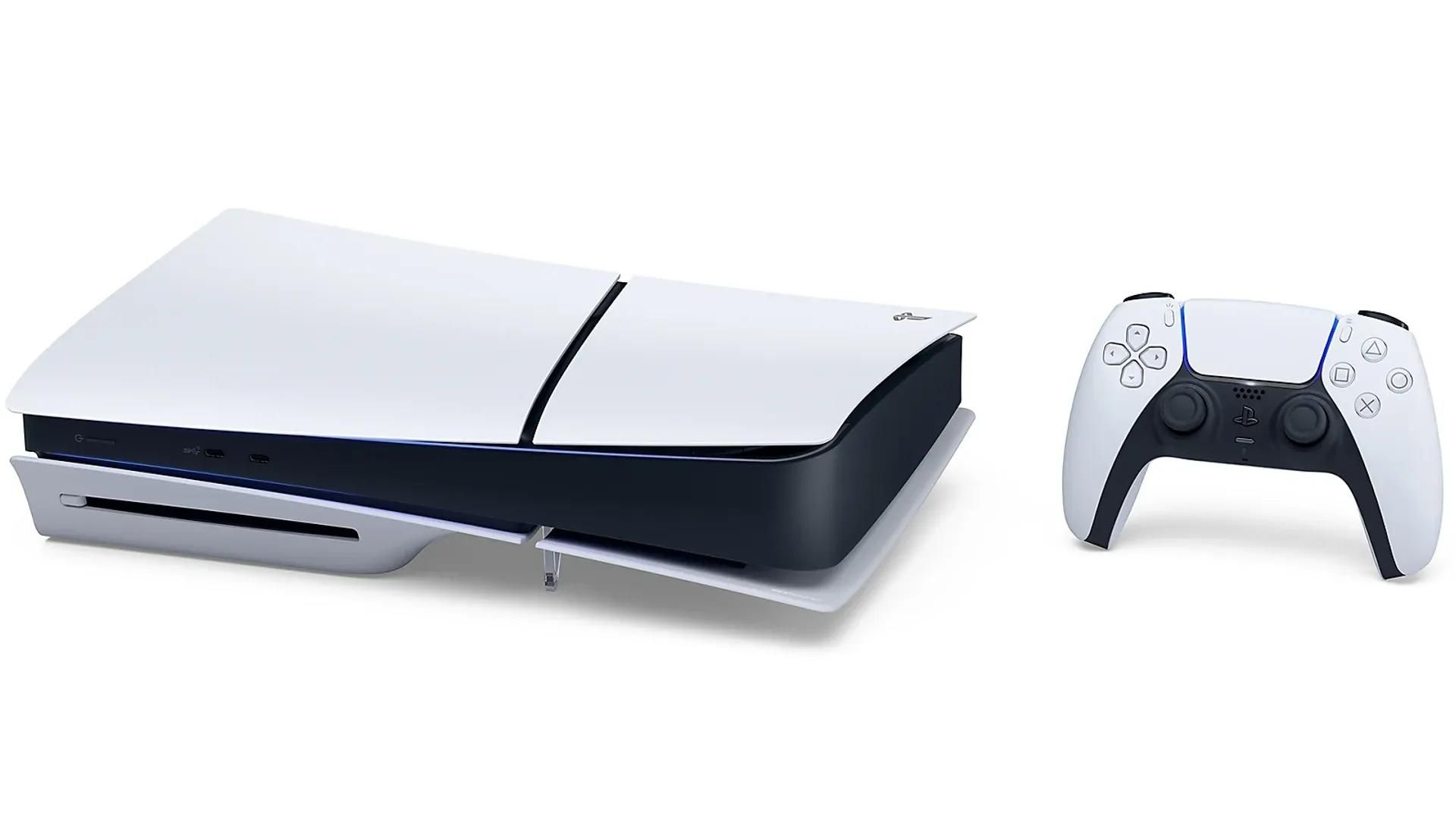

Sony CEO Hiroki Totoki says the PlayStation 6 launch date still has not been fixed. Here is what is confirmed, what is speculation, and how to think about a PS5 or PS5 Pro purchase in 2026.
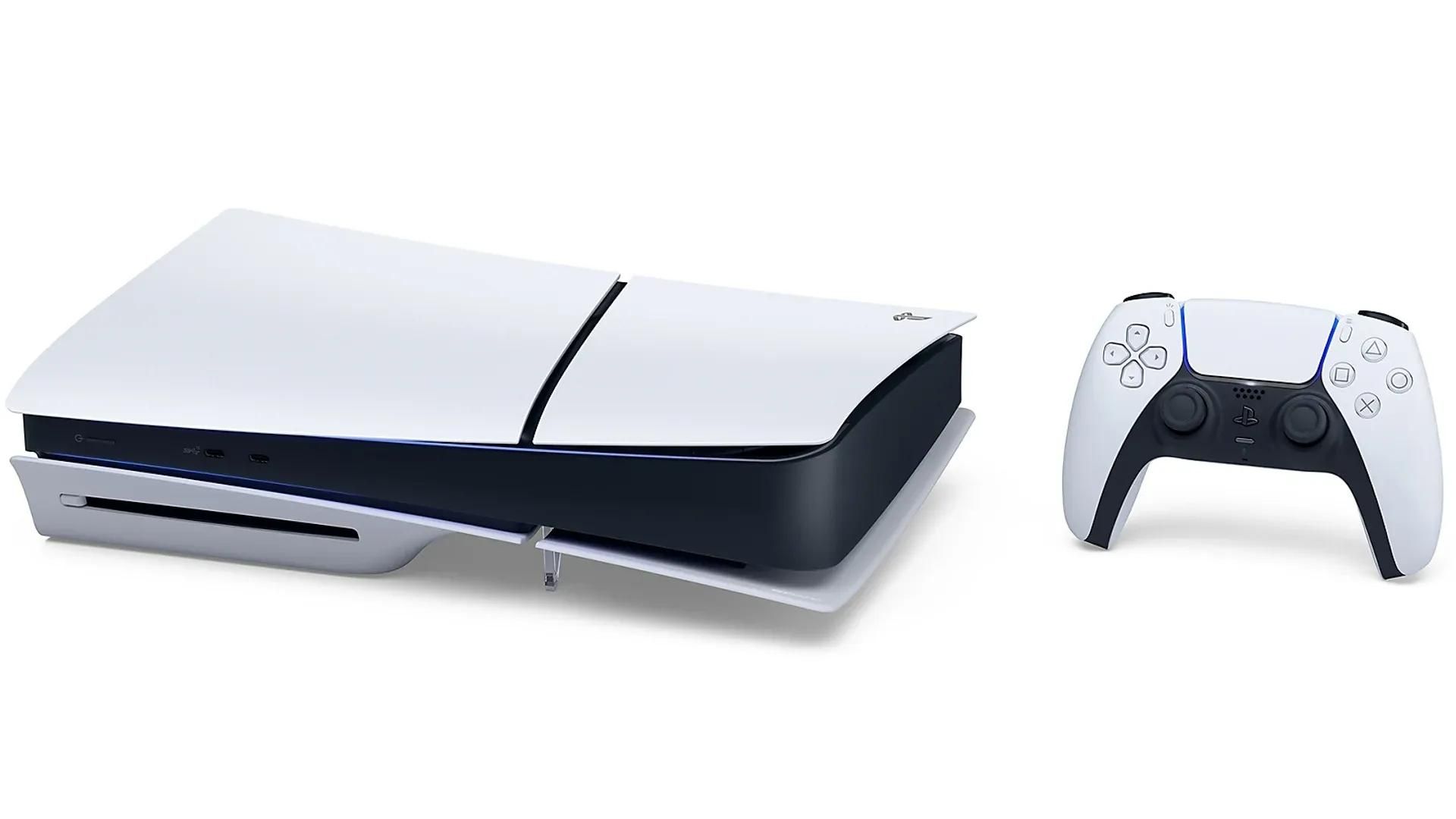
Image: games.gg
Sony’s clearest PS6 signal is still a non-answer
Sony still has not fixed a PlayStation 6 release date, according to comments attributed to Sony CEO Hiroki Totoki in a new Wall Street Journal interview and reported by Video Games Chronicle, Push Square, and Digital Trends. That is the strongest concrete development in the current PS6 cycle because it cuts against a familiar assumption: if the PS5 launched in 2020, then a late 2027 successor should be close enough for Sony to know the window by now.
VGC reports that the Wall Street Journal article says Totoki confirmed the company still has not fixed a date for the PS6 launch. Push Square similarly reports, citing the WSJ, that the PS6 release date has yet to be set in stone. Digital Trends frames the same update as a sign that 2027 expectations are becoming less certain, especially as component costs and AI-driven memory demand complicate hardware planning.
The important distinction is that Sony has not announced a PlayStation 6 product reveal, price, launch lineup, design, or final technical specification. iTechGuides, citing Sony’s Game & Network Services Q&A and May 2026 earnings Q&A, states that Sony has confirmed investment in “the next generation of the platform and related content,” but has not publicly confirmed “PlayStation 6” as the official product name. In ordinary player language, PS6 is the expected shorthand. In Sony’s public record, the next console remains largely undefined.
That ambiguity matters for 2026 buyers because the market is in an awkward middle turn. The PS5 generation is nearly six years old, as Push Square notes, but Sony is not behaving like a company with a public next-generation countdown underway. If the Sony PS6 launch is not yet pinned internally, players deciding between a base PS5, PS5 Slim, or PS5 Pro are not choosing against a dated replacement. They are weighing today’s library and hardware against an unannounced platform whose timing, price, and model strategy are still open.
What Hiroki Totoki actually said, and what he did not say
The current story is narrower than many PS6 headlines make it sound. VGC reports that Totoki’s latest WSJ interview mainly discussed Sony’s broader business shift away from traditional electronics and toward entertainment, including movies, music, and video games. The PS6 portion is brief, but direct: the article says Totoki stated that Sony has not fixed a launch date for PS6.
That lines up with Totoki’s earlier official comment from May, also reported by VGC. In that May discussion, via Sony’s translator, Totoki said: “We have not yet decided on at what timing we will launch the new console, or at what prices.” He added that Sony wanted to “observe and follow the situation,” and specifically said memory prices were expected to remain very high in fiscal year 2027 because of continued supply shortages. Under that assumption, he said, Sony needed to think carefully about what to do.
Those comments confirm two things and leave nearly everything else unresolved. Sony is planning a new console in some form, because Totoki discussed “the new console” and Sony’s own materials refer to next-generation platform investment. Sony has not publicly committed to timing or price. The company has also not said whether the next machine arrives in 2027, 2028, or later.
The comments do not confirm a delay. They also do not confirm that PS6 was ever locked for 2027. A company can keep a date private while saying it has not decided publicly, but the phrasing reported from both May and the WSJ update is stronger than ordinary secrecy. It says timing and pricing remain part of an active business calculation.
That is the key read on Hiroki Totoki PS6 coverage: the CEO is not teasing a launch window. He is describing a console decision still subject to supply, cost, and business-model pressure. For players, that makes the PlayStation 6 timing less like a normal calendar prediction and more like a strategy problem Sony is still trying to solve.
The timing problem is bigger than the old seven-year console cycle
The simple console-cycle argument points to 2027. Push Square notes that console generations have traditionally lasted around six or seven years before a successor arrives, which is why late 2027 became a broadly accepted expectation among industry watchers. VGC also reports that a number of analysts expected PS6 to arrive in 2027 before rethinking those predictions because of component shortages.
Sony’s constraint is not only whether it can design new hardware. The question is whether it can build enough units at a price that makes sense. Totoki’s May comments singled out memory pricing and supply, and Digital Trends connects the uncertainty to AI demand driving shortages of key components and pushing up memory costs across the gaming and entertainment industry. Push Square also points to inflated component prices linked to generative AI as a possible reason Sony could hold back if consoles cannot be built at a reasonable cost.
That is where the strategy gets uncomfortable. Launching too early with expensive memory and constrained supply could produce a console that is costly to manufacture, difficult to stock, or priced beyond the audience Sony wants to reach at launch. Waiting risks giving the PS5 generation a longer tail than some players expect, but it also gives Sony more time to let component markets settle, refine its hardware plan, and protect the installed base that still buys games, subscriptions, accessories, and upgrades.
Sony is also a different business than it was in prior generations. VGC says Totoki’s WSJ interview discusses Sony’s shift from famous electronics products like televisions, the Walkman, and Discman toward entertainment. Digital Trends argues that movies, music, and games now make up the vast majority of Sony’s revenue, making the next PlayStation important without being the only engine moving the company. Push Square echoes that point, saying Sony’s broader IP and entertainment focus may reduce pressure to push out a PS6 simply because the old cycle suggests it is time.
That does not make hardware secondary for PlayStation players. It does suggest Sony has more ways to extract value from PlayStation IP and services while it waits. In strategy terms, Sony may prefer a slightly later, healthier console launch over a forced seven-year handoff that arrives into a hostile component market.
Leaks still point at 2027, but Sony’s public record does not
There is a large gap between the official PS6 record and the rumor ecosystem around it. Tech Insider states that, as of August 2026, Sony has not shown the PlayStation 6, named it, or confirmed a release date. The same article summarizes leak claims from NeoGAF leaker KeplerL2 and Moore’s Law Is Dead that point toward a Holiday 2027 or late-2027-to-early-2028 launch, with alleged manufacturing timing around Q2 2027. It also describes rumored AMD-related hardware codenames including “Orion” for a main console APU and “Canis” for a handheld.
Those figures are not confirmed facts. Tech Insider itself warns that every Orion, Canis, and KeplerL2 figure remains an unverified leak rather than a Sony-confirmed specification. BrandClickX makes a similar separation, saying Sony has not announced the PS6 and that leakers point to 2027 while Sony’s official comments and Mark Cerny’s language leave room for later timing.
The confirmed technical thread is Project Amethyst. iTechGuides says Sony Interactive Entertainment and AMD are collaborating under that name, with PS5 and PS5 Pro lead architect Mark Cerny and AMD executive Jack Huynh describing work on machine-learning technology for graphics and gameplay. Tech Insider also describes Project Amethyst as a confirmed co-engineering partnership that can inform a future PlayStation silicon strategy.
But Project Amethyst is not a PS6 spec sheet. iTechGuides stresses that Sony and AMD have not published a final processor design, architecture, compute-unit count, memory configuration, process node, or teraflop target. BrandClickX adds that Cerny described some new technologies as existing in simulation and spoke about bringing them to a future console in “a few years’ time,” while also using “multi-year” language in a separate Tom’s Guide context.
The cleanest read is this: 2027 remains a possible rumor window, but it is not the confirmed PS6 release date. Sony’s public stance is that launch timing and price are undecided. Until Sony changes that position, any precise PS6 release date claim belongs in the expectation or leak category, not the news category.
Price may be the hidden boss fight
The PS6 price question is tied directly to the timing question. Totoki said in May, according to VGC, that Sony had not decided either launch timing or price for the new console. He specifically connected that caution to high memory prices expected in fiscal year 2027. If a console’s bill of materials is moving against the platform holder, the release calendar cannot be treated as separate from the price tag.
VGC notes that analysts have been speculating about PS6 pricing and says some are suggesting $1,000 could be the bare minimum, citing debate around future console costs and the PS5 Pro’s high-end positioning. Push Square also references analyst concern that a $1,000 PS6 would not sell as much, while describing component inflation as a possible reason Sony might wait for conditions to improve. These are analyst expectations, not Sony pricing plans.
That distinction is essential. Sony has not announced a PS6 price. It has not confirmed launch models, a disc-drive strategy, storage tiers, or a handheld companion. It has not said whether a higher price would be offset by different business models, bundles, subscription strategy, financing, modular accessories, or a longer cross-generation period. Totoki has only said the company is watching the situation and must think carefully.
For players, though, the risk profile is visible. A next-generation PlayStation arriving into a memory shortage could be expensive. A later Sony PS6 launch could give Sony a chance to avoid the ugliest pricing scenario, but it could also stretch the PS5 and PS5 Pro years longer than some enthusiasts expected.
This is where the PS5 Pro becomes a useful signal without becoming proof. Its existence shows Sony is willing to sell a premium PlayStation option inside the current generation. It does not prove PS6 will be $1,000, and it does not prove Sony will delay. It does show Sony has a way to serve performance-focused players while the next full platform remains unannounced.
Should you buy a PS5 or PS5 Pro in 2026, or wait for PS6?
If you do not own a PS5 in 2026 and want to play the current PlayStation library, the confirmed information does not support waiting for a dated PS6 launch. Sony has not announced the PlayStation 6 release date, has not confirmed the PS6 name publicly as a product, and has not announced price, specs, or launch games. A buyer who waits is waiting on an open-ended platform plan, not a scheduled replacement.
The practical case for buying a PS5 in 2026 is strongest if your priority is access rather than peak performance. VGC’s retail modules in the provided source text list current PS5 hardware and accessories, including PlayStation 5 Digital Edition Slim and PlayStation 5 Pro entries, showing that Sony’s present hardware ecosystem remains the active retail proposition. The sources do not provide a full deal comparison or performance test, so the safe buying advice is simple: choose the standard PS5 family if you want the established library now and do not need the most expensive current PlayStation model.
The PS5 Pro decision is more specific. If you already own a PS5, the Pro is a luxury upgrade whose value depends on your display, sensitivity to image quality, and appetite for better performance in supported games. The PS6 uncertainty cuts both ways. A later PS6 would make a Pro purchase feel safer because its useful lifespan could be longer. A surprise 2027 launch would make it feel like a shorter bridge. Since Sony has not fixed the PS6 launch date publicly, the Pro should be bought for current-generation benefits, not as a bet on when PS6 arrives.
If you are a patient player with a working PS5, waiting is rational. You already have access to the current ecosystem, and the next 12 to 24 months should clarify whether Sony is moving toward 2027, 2028, or beyond. If you are still on PS4 or outside the PlayStation ecosystem, the absence of a confirmed PS6 release date makes an indefinite holdout harder to justify unless you are comfortable skipping current releases and paying unknown launch pricing later.
The strategic answer is to avoid treating the PS6 as a normal upcoming product. It is a next-generation plan with confirmed investment, confirmed uncertainty, and a rumor cloud around it. Buy PS5 hardware in 2026 if it solves a current problem. Wait only if your current setup is good enough and you would rather preserve budget for a console Sony has not yet dated.
The next real checkpoint is Sony, not the rumor cycle
The PS6 story will not become firm because another leak repeats a 2027 window. It becomes firm when Sony changes the public record: a product name, a reveal event, launch timing, price, model strategy, technical outline, or clear software roadmap. Until then, the most reliable PS6 release date update remains Totoki’s repeated position that timing and price have not been decided.
That does not make the rumors worthless. They can help map plausible technical directions and manufacturing expectations, especially when they overlap with confirmed Sony and AMD work like Project Amethyst. But they cannot answer the buying question alone. A rumored Holiday 2027 console and a Sony CEO saying timing is undecided create tension, and the responsible answer is to preserve that tension rather than flatten it into a fake certainty.
For now, the strongest confirmed version of the story is cautious and business-driven. Sony is investing in the next generation of PlayStation. Sony and AMD are working on machine-learning graphics technology relevant to future hardware. Analysts and leakers continue to argue over 2027, 2028, or later. Totoki says the date and price are still not fixed, with component and memory pressure central to the calculation.
That leaves players with a less exciting but more useful conclusion: the PS5 generation is still the platform Sony is selling, supporting, and extending in 2026. The PlayStation 6 timing may define the next console war, but it has not yet become a purchase deadline.