
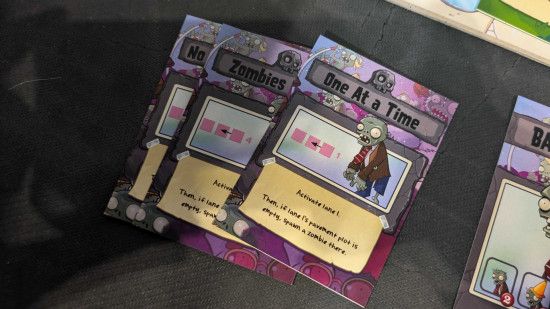

Mantic Games is taking Plants vs Zombies to tabletop with a 1-4 player cooperative board game on Kickstarter, built around cards, scenarios, unlocks, and lane defense.
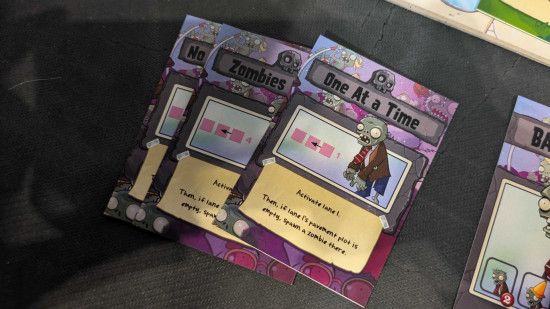
Image: wargamer.com
Plants vs Zombies is heading to Kickstarter with a co-op tabletop pitch
Plants vs Zombies: The Board Game is scheduled to launch on Kickstarter on October 14, according to IGN and Pocket Gamer, giving PopCap’s lane-defense series a tabletop campaign rather than a straight retail announcement. ICv2 previously reported that Mantic Games had announced the project for an October 2026 Kickstarter window, while the newer reports narrow that timing to a specific date.
The immediate tension is familiar for crowdfunded board games: the core concept is clear, but the commercial details are still incomplete. The sources confirm Mantic Games as the tabletop developer and describe a cooperative Plants vs Zombies board game for one to four players, but they do not yet provide pledge prices, delivery estimates, final component lists, retail plans, or whether any content will be Kickstarter-exclusive.
Pocket Gamer reports that players who follow the Plants vs Zombies Kickstarter ahead of launch can receive a free set of zombie-coloured chaos dice with their pledge. IGN adds that Mantic is preparing a Deluxe Edition with pre-assembled miniatures of fan-favorite Plants and Zombies, plus a Night Edition standalone expansion with additional Plants, Zombies, and other content. Those details point to a campaign built around multiple product tiers, although the actual pledge structure remains unannounced in the provided material.
For readers searching for the Plants vs Zombies board game because they want a family-weight adaptation, the confirmed design direction is encouraging. This is not being presented as a competitive skirmish game where one player controls the zombies against everyone else. Mantic describes it, via IGN, as a fast-paced co-op tabletop game that aims to capture the comedy and chaos of the video game series. That choice changes the whole strategic profile: the table is solving a shared pressure puzzle, not negotiating a head-to-head duel.
The adaptation is built around lanes, cards, and a shared fail state
The strongest confirmed design detail is that Plants vs Zombies: The Board Game keeps the central defensive problem intact. ICv2 says players will use weaponized plants to hold off a barrage of zombies. IGN reports that players work together through increasingly challenging levels, each with unique setups, objectives, and zombie hordes to defeat. Pocket Gamer similarly describes a board, miniatures for garden defenders and incoming undead, and cards used to activate plants or summon zombies.
That is the right foundation for a PvZ tabletop game because the original format already behaves like a board game in digital form. Plants occupy spaces, zombies advance along predictable routes, and each lane becomes a small economy puzzle. The reported tabletop rules appear to lean into that structure rather than fight it.
IGN says Plant cards include examples such as Peashooters firing and Cherry Bombs exploding. Tool cards include a shovel that can reorganize garden defenses and a lawnmower that can clear a lane of zombies. Zombie cards move zombies closer to the home while showing players the paths they will follow, giving the group information for planning.
The most interesting confirmed rule, from IGN’s report, is that players have to play all Zombie cards simultaneously. That should matter strategically because it limits perfect sequencing. In many cooperative games, the strongest table behavior is to solve the turn in order, optimize every action, and reduce uncertainty until one player can effectively direct the group. Simultaneous zombie activation, if implemented cleanly, could preserve the panic of Plants vs Zombies without relying on hidden complexity.
The fail state is also direct. IGN reports that players lose if any zombie reaches the house. That gives families an immediately readable objective and gives strategy players a clean pressure point: every choice can be measured against board position, lane risk, and how many tools remain to repair a bad defense.
Scenario play and unlocks could give the campaign its strategic arc
Pocket Gamer reports that the game appears to be built around scenario play, with different instructions for board setup and different restrictions or circumstances depending on the level. IGN also describes increasingly challenging levels with unique setups and objectives. Taken together, those reports suggest a campaign-style structure, although the sources do not confirm the exact number of scenarios, whether progress is permanent, or how much legacy-style alteration is involved.
The unlock system is another confirmed pillar, but its scope is still partly undefined. Pocket Gamer says there appears to be a meta-progression angle in which players unlock new cards for use in play. IGN reports that new Plants, Zombies, and challenges will unlock along the way, with each level introducing a fresh horde.
From a strategy perspective, this is where the board game can separate itself from a novelty license. Plants vs Zombies works because the player’s available options widen as the enemy roster becomes more specialized. A tabletop version needs that same ladder: early levels should teach lane defense, later levels should force uncomfortable card timing, and unlocks should change table habits rather than merely add stronger effects.
That remains expectation, not a confirmed assessment of the final design. None of the provided sources includes a full rulebook, a hands-on review, or a final component breakdown. Still, the announced structure has the ingredients of a good family strategy curve. Scenario restrictions can keep experienced players from solving the same opening every time. Unlocks can give younger players a sense of discovery. New zombie types can create fresh tactical problems without requiring a heavy rules overhead from the start.
The risk is balance. Cooperative card-driven games live or die on how often the table faces meaningful bad choices. If the zombie deck is too predictable, veteran players will script the defense. If it spikes too hard, families may feel punished by randomness. The simultaneous Zombie card rule is promising because it can create chaos, but it will need strong scenario tuning to feel fair.
Mantic’s history makes the license choice less surprising
Mantic Games is not new to adapting recognizable properties for tabletop. IGN notes that the company has previously worked on licensed tabletop projects tied to Worms, Halo, Hellboy, The Walking Dead, and Invincible. OnTableTop also frames Plants vs Zombies: The Board Game as a collaboration between Mantic Games and PopCap.
That history matters because Plants vs Zombies has a specific tone to protect. The appeal is partly tactical readability and partly slapstick escalation: a clean lawn, strange plants, escalating zombie variants, and a disaster that somehow stays bright and approachable. A miniatures-heavy adaptation could easily drift into hobby spectacle and lose the fast, family-facing feel. Conversely, a light card game could miss the board-state tension that makes PvZ recognizable.
The confirmed product split hints at Mantic trying to serve both audiences. The base pitch is a 1-4 player cooperative game, which fits households and mixed-experience groups. The Deluxe Edition, according to IGN, includes pre-assembled miniatures of fan-favorite Plants and Zombies, which speaks to players who want table presence without assembly friction. The Night Edition standalone expansion suggests a broader product line from the beginning, though the sources do not provide its price, compatibility details beyond being standalone, or whether it will be available outside Kickstarter.
There is a business reason for that structure. Kickstarter tabletop campaigns often benefit from a clear entry product, a premium version for fans, and at least one expansion that shows long-term support. The announced Plants vs Zombies Kickstarter appears to follow that familiar shape, but buyers should wait for the campaign page before assuming value. Component quality, box size, stretch goals, shipping, taxes, and delivery timing will decide whether the final offer is a casual family purchase or a premium hobby commitment.
The family appeal depends on cooperation, clarity, and session pressure
The reported one-to-four-player cooperative format is the most family-friendly design choice Mantic could have made with this license. IGN says the game supports 1-4 players, and ICv2 also reports one to four players. Pocket Gamer notes that making it cooperative lets the adaptation accommodate more players than a direct 1v1 conversion would.
For families, cooperation lowers the social cost of failure. If a zombie reaches the house, the table loses together. That matters in a game tied to a franchise many players first encountered on phones or tablets, where the action was approachable but the tactical decisions could still be sharp. A shared defense also gives adults and children a natural way to talk through choices: which lane is most dangerous, whether to save a Cherry Bomb, when to use the shovel, and whether a lawnmower should be treated as insurance or an emergency reset.
For strategy fans, the interesting question is whether the system rewards planning without turning into quarterbacking, the common co-op problem where one experienced player makes decisions for everyone. The simultaneous Zombie card play described by IGN could help because it compresses reaction time and produces board states that are harder to pre-solve. Scenario objectives and unlocks could also keep the decision space moving.
The board game’s tower defense DNA is a good fit for tabletop because the geography does a lot of teaching. Players can see the danger advance. They can understand that some lanes are collapsing while others are stable. They can weigh short-term survival against long-term setup. That visual clarity is useful for younger players, but it also gives experienced players the satisfaction of building a defense that survives pressure through positioning, timing, and resource discipline.
What is confirmed before the Plants vs Zombies Kickstarter opens
Ahead of the October 14 launch, the confirmed picture is focused but incomplete. Plants vs Zombies: The Board Game is a Mantic Games adaptation of PopCap’s series, coming to Kickstarter as a cooperative tabletop game for one to four players. It uses a board, miniatures, and cards. Players deploy Plants and Tools, resolve Zombie cards that advance the horde, and lose if zombies reach the house. The game is structured around levels or scenarios with unique setups, objectives, and escalating challenges. Unlockable Plants, Zombies, cards, and challenges are part of the reported progression.
Also confirmed through the current reporting: Pocket Gamer says following the Kickstarter before launch can earn backers free zombie-coloured chaos dice with a pledge. IGN reports a Deluxe Edition with pre-assembled miniatures and a Night Edition standalone expansion. Mantic’s prior licensed tabletop work includes Worms, Halo, Hellboy, The Walking Dead, and Invincible, according to IGN.
The unannounced list is just as important for anyone considering a pledge. None of the provided sources confirms pricing, campaign length, shipping regions, delivery date, retail release plans, age rating, final player time, rulebook availability, solo-mode differences, or whether Deluxe and Night Edition content will be sold later. There is also no review basis yet, so any judgment about balance, replayability, component quality, or family accessibility has to remain provisional.
The practical advice is simple: if the free dice matter to you, follow the Plants vs Zombies Kickstarter before October 14 as Pocket Gamer reports. If you are deciding whether this PvZ tabletop game belongs on your shelf, wait for the campaign page to show the rulebook or gameplay video, full pledge tiers, shipping costs, and how much content sits in the base box. The design pitch has strong lane-defense logic behind it, but the value question starts when Mantic reveals the actual campaign.