
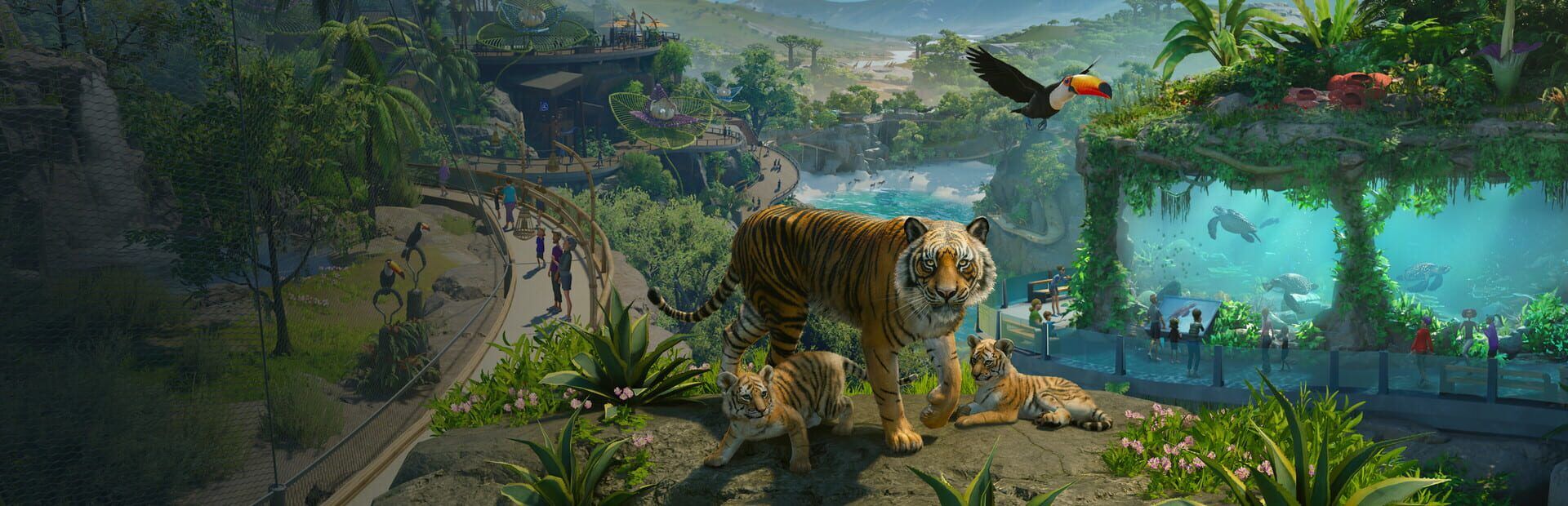

Frontier’s Planet Zoo 2 evolves the beloved zoo builder with deeper conservation systems, smarter management, and long‑requested aquariums and aviaries across PC, PS5, and Xbox Series X|S.
Planet Zoo 2 is not throwing out Frontier’s meticulous zoo‑building formula so much as stretching it across a wider, more ambitious canvas. With aquariums, aviaries, wildlife reserves, and a beefed‑up conservation layer, this sequel aims to turn your zoo from a closed ecosystem into a living cog in a larger global effort to protect endangered species.
Set for release on October 13, 2026, on PC, PlayStation 5, and Xbox Series X|S, Planet Zoo 2 looks like the natural evolution of one of the most detailed management sims around. The original built a passionate fanbase on PC; the sequel is now arriving as a fully cross‑platform experience out of the gate.
A Deeper Conservation Core
The first Planet Zoo treated conservation as an important but mostly numerical system, expressed through education ratings, conservation credits, and breeding programs. In Planet Zoo 2, conservation moves from the spreadsheet into the heart of every design decision you make.
Frontier is tying animal welfare, guest satisfaction, reputation, and income far more tightly to how authentically you recreate natural habitats. Matching biomes, climate, foliage, shelter, and social structures is no longer just a way to make animals happy. It now becomes the backbone of long‑term success. Because welfare issues are more visibly expressed through animal behavior, failing to respect an animal’s natural needs should be easier to spot but harder to ignore.
The big philosophical shift is that your zoo is no longer the end of the line. One of Planet Zoo 2’s headline ideas is the expansion of wildlife reserves that sit beyond your park. Instead of just trading or releasing animals in abstract menus, you will be sending them into named reserves, each with its own conditions and needs. The better your conservation record and breeding programs, the more impact you have on these reserves, and in turn on your zoo’s prestige.
Aquariums: A New Dimension To Habitat Design
Fully aquatic species were one of the most requested additions to the original game. Planet Zoo 2 finally makes them a pillar of the experience. Freshwater and saltwater exhibits mean aquariums are not side attractions but full habitats that tap into the same simulation depth as land enclosures.
Designing an aquarium goes beyond glass tunnels and pretty rock work. Players will need to juggle water quality, salinity, temperature, and compatible species mixes, all while accommodating guest flows and viewing angles. Schools of fish, larger predators, and more delicate species introduce new welfare considerations, from enrichment and hiding spots to filtration capacity and tank layout.
Crucially, aquariums are folded back into the conservation loop. Rare aquatic species can become centerpieces of breeding and release programs tied to specific reserves, so getting a tank just right is more than a sightseeing upgrade. It becomes part of your zoo’s wider environmental footprint.
Aviaries And True Flying Species
Flying animals have been another long‑standing community request that the original Planet Zoo never fully realized. Planet Zoo 2 is tackling this with large‑scale aviaries and walk‑through enclosures that showcase birds like the confirmed Toco Toucan.
These habitats demand a different design mindset. Height, vertical foliage, and perching opportunities all shape behavior, while guest paths can weave through or around aviaries to create more intimate encounters. Because flying species have distinct social and environmental needs, building a generic bird cage will not cut it. Just as with terrestrial animals, you will need to consider flock composition, territory, and enrichment objects that encourage natural flying and feeding behaviors.
Frontier is positioning aviaries as more than decorative domes. They plug directly into the conservation systems, with education content focused on deforestation, migration, and fragile ecosystems. That should make these exhibits powerful anchors for raising guest awareness and increasing your conservation reputation.
Smarter Animals, More Readable Welfare
A core criticism of the original Planet Zoo was how often players found themselves buried in menus to diagnose issues. Planet Zoo 2 is trying to shift that attention back into the exhibits themselves by overhauling animal behavior.
Animals now react more visibly to stress, boredom, overcrowding, and poor habitat design. Instead of checking a row of warning icons, you are encouraged to watch how a chimpanzee group interacts, or how a tiger patrols its territory, to detect problems. Frontier is promising more realistic animations, richer social interactions, and clearer body language so the simulation feels less like a set of hidden equations and more like observable animal life.
The payoff is twofold. First, it deepens the fantasy of running a real zoo where careful observation matters. Second, it helps bridge the gap for console players who may be new to Frontier’s brand of complex management, by making feedback more visual and intuitive.
Evolving Management And Staff Systems
Underneath the more expressive animals is a management layer that is getting broader and more interconnected. Staff training and specialization are playing a bigger role, and their effectiveness ties directly into both day‑to‑day operations and your conservation success.
Keepers, vets, educators, and mechanics still anchor the staffing model, but their training plans matter more. Highly trained staff not only improve welfare and habitat maintenance, they also boost education efforts and the success rate of breeding programs. Mishandling staffing or cutting corners on wages and workload will have ripple effects, from slower responses to welfare issues to reduced guest satisfaction.
Financial and guest management remains familiar, but its pressure points are shifting. Donations, ticket sales, and sponsorships are influenced more strongly by how well your zoo embodies its conservation message. Stunning but unethical exhibits will not carry a park in the long term. This nudges players toward thoughtful layouts that balance spectacle with responsibility.
Cohabitation And Complex Habitats
Cohabitation was one of the more interesting systems in Planet Zoo, allowing compatible species to share a space. Planet Zoo 2 is expanding that idea into a more central pillar of habitat design.
Mixed exhibits can now serve as showcases for entire ecosystems, not just a way to squeeze more animals into one enclosure. Carefully pairing species that naturally share environments, whether on land, in the sky, or in integrated exhibits that combine shallow water and land areas, can yield higher welfare scores and stronger education impact.
Managing these complex habitats is more challenging. Guests expect to see rich, believable environments, staff must navigate more intricate maintenance paths, and every new species adds another layer of needs to satisfy. When it works, the payoff is a zoo that feels alive and interconnected rather than a series of isolated pens.
Platforms, Performance, And Accessibility
Frontier is launching Planet Zoo 2 simultaneously on PC, PlayStation 5, and Xbox Series X|S, which has major implications for how it is built. The original’s PC‑only focus let it push heavy simulation, but it also meant late arrivals for players on other platforms.
This time, interface and control schemes are being designed with both mouse‑and‑keyboard and controllers in mind from the start. That should help streamline some of the clunkier UI elements that grew over the life of Planet Zoo, especially as DLC piled on more animals and systems.
From a technical standpoint, current‑gen consoles provide enough horsepower to support Frontier’s signature crowd simulations and detailed habitats, but they also enforce some discipline on performance optimization. If Frontier delivers, console players will be getting the full experience without the stripped‑down mechanics that sometimes plague management sims outside of PC.
How It Builds On Frontier’s Original Formula
Planet Zoo 2 looks less like a reinvention and more like a widening of scope. The core remains the same: build beautiful, functional zoos, keep your animals healthy, and keep guests happy. The sequel’s big swing is treating conservation as the glue that binds every system together.
Aquariums and aviaries expand the canvas of what a zoo can be, while wildlife reserves and a deeper conservation economy connect your park to a broader world. Smarter animal behavior and more transparent welfare signals make the simulation easier to read, even as it grows more intricate. And expanded staff and financial systems make management decisions feel weightier and less detached from the animals under your care.
If Frontier can balance accessibility with the complexity fans expect, Planet Zoo 2 could be the definitive modern zoo sim, not only for what you build inside your park, but for how that park echoes beyond its walls.