
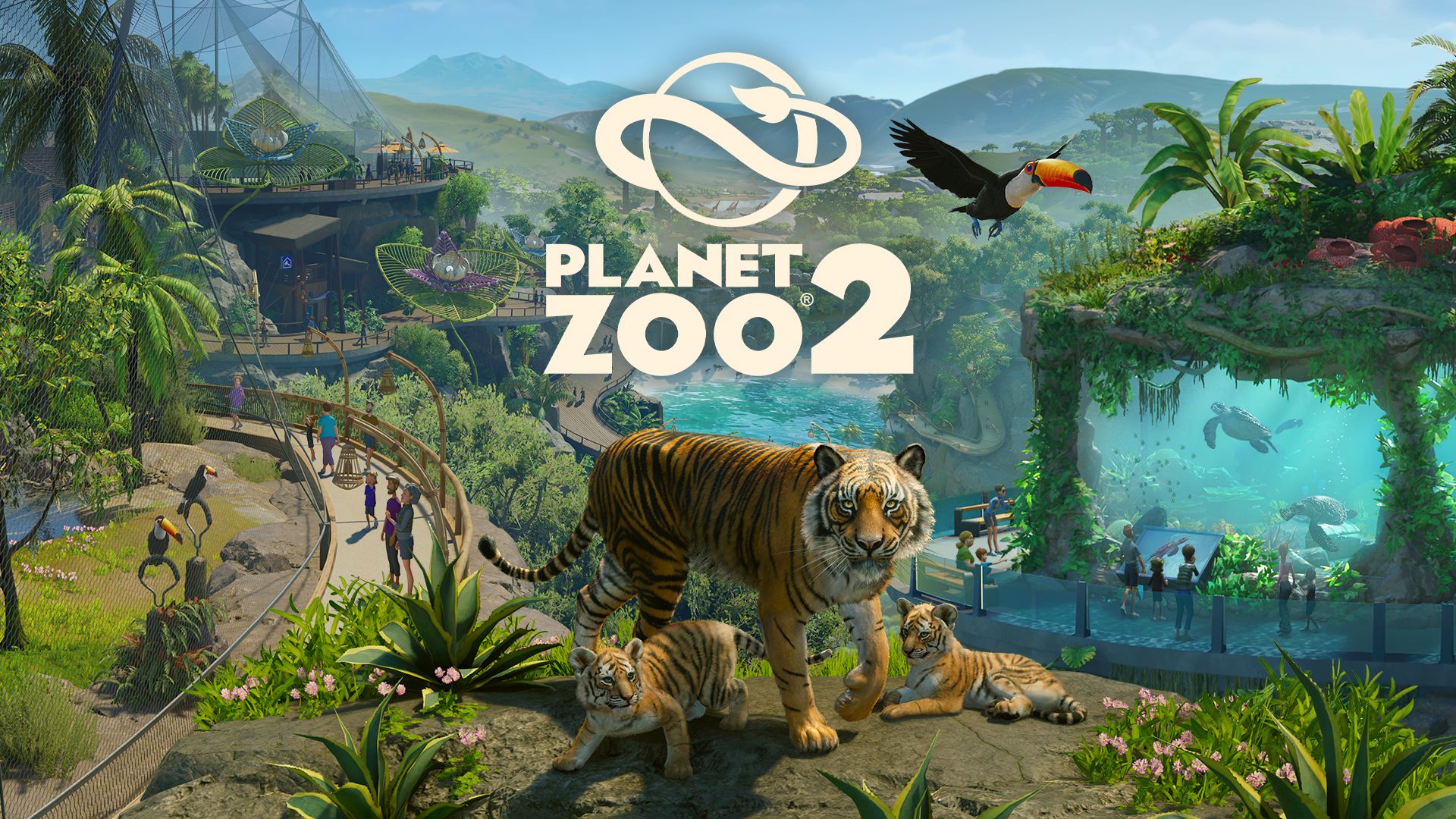

Frontier's latest Planet Zoo 2 feature focus puts aviaries, bird behavior, and mixed-species cohabitation at the center of the sequel's management pitch ahead of its October 13, 2026 launch.
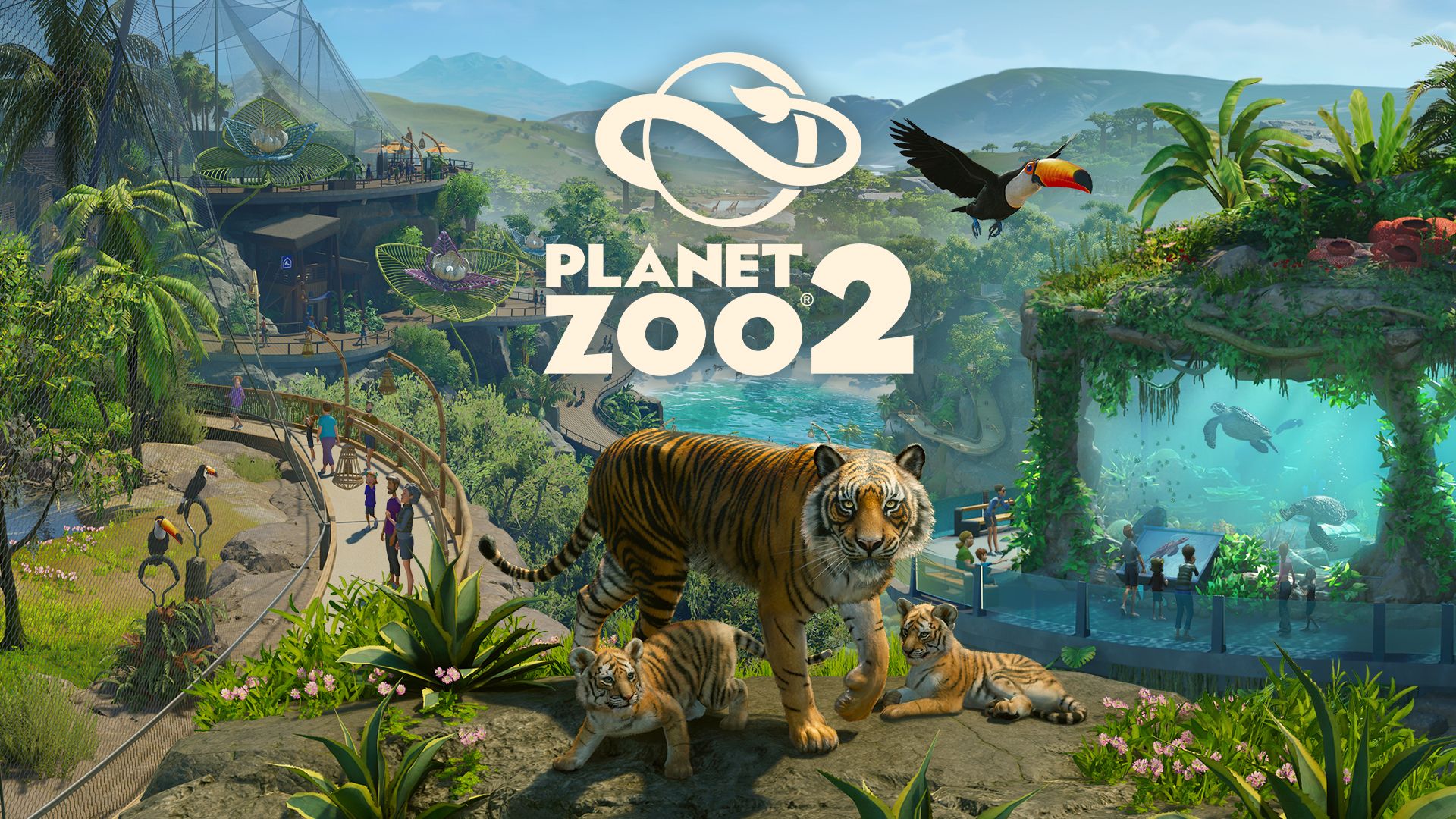
Image: news.xbox.com
Aviaries move from wish-list feature to planning problem
Frontier Developments has put aviaries at the center of a new Planet Zoo 2 feature focus, and the immediate hook is clear: birds are not being treated as a decorative animal category. According to IGN’s listing for the official Frequent Flyers trailer, the showcase gives a deep dive into aviaries, flying birds, nesting, and cohabitation with other animals. Invision Community, reporting on the same Frontier showcase, describes aviaries as a new purpose-built habitat type for bird species, with construction tools built around large covered spaces and walk-through guest routes.
That changes the strategic question for returning Planet Zoo players. The sequel is still being presented around familiar pressures, including habitat design, food, water, environmental conditions, staff, guest satisfaction, and hygiene, as DLCompare and GamingBolt both noted in coverage of earlier gameplay. The new Planet Zoo 2 aviary systems add another layer to that loop: vertical space, roofed habitats, bird-specific enrichment, and species compatibility now sit alongside the usual land-animal calculations.
The tension is that Frontier is selling creative freedom while also showing a more demanding management grid. A beautiful aviary that guests can walk through is only useful if it also handles surfaces, enrichment areas, roofing, shy animal space, compatible species, and crowd flow. For a strategy player, that is the real feature focus. Planet Zoo 2 birds are being positioned as a pressure test for the whole sequel, not a side attraction tucked into the roster.
The new building flow is about speed, but the decisions are still layered
Invision Community’s report gives the clearest description of how aviary construction works in the feature focus. Players can place scenery, foliage, enrichment items, and decorations inside expansive bird habitats, then use support poles to automatically generate habitat covers with a single click. GamingBolt adds that players will be managing surfaces, enrichment areas, and roofing to better simulate the birds’ natural environments.
That combination matters because it suggests Frontier is trying to reduce friction without removing the planning challenge. Auto-generating covers sounds like a quality-of-life answer to a predictable builder problem: large enclosed structures can become fiddly fast, especially when players want them to look natural rather than boxed-in. If the support-pole system works cleanly, aviary building could become less about wrestling with roofs and more about deciding where guests, animals, staff, foliage, and enrichment should sit inside the same volume.
The practical effect on Planet Zoo 2 gameplay is likely to be strongest in layout design. A traditional enclosure can often be read from the perimeter. A walk-through aviary introduces movement through the habitat itself, which means guest access becomes part of the animal space rather than a border around it. Invision reports that guests can enter suitable enclosures, while GamingBolt notes that friendlier species can access viewing pathways to draw crowds. That creates a design tradeoff: visibility and guest appeal rise when visitors are closer to animals, but shy species need dedicated space to thrive.
Frontier has not, in the provided material, detailed the full rule set behind stress, pathing, staff access, escape prevention, guest caps, or performance costs inside these spaces. Those are the unanswered systems questions. Still, the feature focus points toward a sequel that wants habitat construction to be faster at the structural level while more complex at the ecological level.
Bird behavior gives the roster a management identity
The Frequent Flyers trailer spotlighted several birds, with IGN naming the secretary bird, long-eared owl, and great hornbill among the featured species. Invision Community adds a few behavior details from the showcase: the secretary bird is described as a ground-walking hunter with a wingspan of more than six feet, while the long-eared owl is shown with courtship rituals and nesting behavior.
Those details are small individually, but they signal how Frontier is pitching Planet Zoo 2 birds as animals with different management identities. The secretary bird is especially useful as a design example because it complicates the simple idea that aviaries are only about flight. If a bird spends much of its life on the ground, then terrain, open floor space, sightlines, and ground-level enrichment matter as much as overhead cover. The long-eared owl points in a different direction, emphasizing behavioral presentation through nesting and courtship animations.
The strategic read is that aviaries may ask players to stop thinking of bird habitats as one template. A large covered habitat is the shell. Inside it, players still need to account for whether a species wants open ground, perches, nesting privacy, foliage density, guest proximity, or shared space with animals below. GamingBolt’s report reinforces that by mentioning shy species needing their own space and friendlier species being better suited to visitor-facing pathways.
For returning players, this is the sequel’s strongest argument so far: the new roster is being tied to new spatial rules. A bird list alone would be a content expansion. Bird behavior plus aviary construction plus guest access creates a new planning grammar, assuming the final game makes those needs legible and meaningful rather than cosmetic.
Cohabitation is the feature with the biggest economy implications
Planet Zoo 2 cohabitation is the piece that could reshape park planning most aggressively. IGN says the trailer covers bird behavior including cohabitation with other animals, and Invision Community reports that the feature focus shows a great hornbill sharing a habitat with a Malayan tapir. GamingBolt frames the broader rule as birds needing to get along with peers in the air and potentially having synergies with creatures on the ground.
Confirmed detail stops there. The sources do not provide compatibility tables, welfare percentages, guest appeal values, or penalties for poor pairings. But even at the concept level, mixed-species habitats change the management math. If compatible animals can share larger spaces, as Invision reports, players may be able to build exhibits that are more space-efficient and visually varied than a one-species-per-enclosure layout.
That has obvious upside for zoo flow. A mixed habitat can concentrate guest interest, reduce repeated enclosure infrastructure, and create a more natural-looking route through a park. It also raises the failure cost of poor planning. One habitat can now contain multiple welfare profiles, multiple enrichment sets, different privacy needs, and different movement patterns. A design that is perfect for an outgoing bird near a guest pathway may be wrong for a shy species using the same aviary volume.
From a strategy standpoint, cohabitation is where Planet Zoo 2’s systems could either sing or get noisy. If compatibility is transparent, it gives players a satisfying optimization layer: pair species, conserve space, build richer exhibits, and tune guest movement. If the information is buried or the animals behave too similarly, it risks becoming another checklist. The feature focus confirms the direction, but Frontier still needs to show how readable the system is during normal play.
Aviaries fit into a broader sequel pitch: more ecosystems, more responsibility
The aviary showcase is part of a larger rollout that has repeatedly framed Planet Zoo 2 around expanded habitat categories. IGN’s trailer page says players will manage flying birds, fully aquatic species, and new Wildlife Reserves. GamingBolt’s July coverage similarly described a gameplay trailer focused on aquarium and aviary building, animal needs, food and water, periodic enclosure cleaning, visitors, staff, and Wildlife Reserves. DLCompare’s report on the earlier gameplay trailer said land habitats remain the foundation while aquariums, aviaries, and reserves broaden the management experience.
That context is important because it keeps the Planet Zoo 2 feature focus from reading like an isolated bird update. Frontier’s sequel pitch appears to be ecosystem breadth. Land habitats remain, aquariums add water-quality and tank-servicing pressures according to DLCompare’s coverage, aviaries add flight and covered-space planning, and Wildlife Reserves extend the conservation theme beyond the zoo. GamingBolt’s August report also says players eventually send animals to wildlife reserves, while IGN describes taking conservation efforts beyond the zoo.
For a returning player, the question is whether these systems interlock or simply run in parallel. Aviaries and cohabitation are promising because they naturally connect to old pressures: guest routing, animal welfare, enclosure aesthetics, staff workload, and space economy. Wildlife Reserves and aquariums may do the same, but the aviary feature focus is the cleanest example so far of a new system that could alter everyday park design.
There is also a business-side reason to watch this closely. Planet Zoo 2 is launching on PC, Xbox Series X/S, and PlayStation 5, according to IGN and GamingBolt. A system like aviary construction has to serve mouse-and-keyboard builders and controller players at the same time. The one-click cover generation reported by Invision may be part of that answer. It makes a complex structure type easier to deploy without removing the creative layer around foliage, scenery, enrichment, and animal placement.
Release timing is clear, but key buyer details remain open
The official YouTube listing for Planet Zoo 2’s Frequent Flyers video says the game is coming October 13 and links to pre-orders, while IGN and GamingBolt both list the release date as October 13, 2026 for PC, Xbox Series X/S, and PS5. That gives players a firm launch window for deciding whether the aviary systems are enough to jump in at release.
What is not answered in the provided material is just as useful for buyers to note. The sources do not include a price, PC system requirements, console performance targets, edition breakdowns, or upgrade details for owners of the original Planet Zoo. They also do not confirm the full bird roster, the complete list of cohabitation-compatible animals, or how many aviary species will be available at launch.
Based on the sourced footage descriptions, players most interested in creative building have the clearest reason to watch Planet Zoo 2 now. Aviaries add a new habitat form, support-pole cover generation, walk-through exhibit potential, and another layer of scenery-led design. Management-first players should keep an eye on the next deep dives. The decisive questions are numerical and behavioral: how cohabitation affects welfare, whether shy and friendly species require meaningfully different layouts, how guest access is balanced, and how staff handle larger mixed habitats.
The strongest confirmed takeaway is that Planet Zoo 2 birds are being used to demonstrate the sequel’s broader philosophy. Frontier is expanding the types of ecosystems players can build, then asking them to manage the compromises those ecosystems create. If the final systems are readable, aviaries could become one of the sequel’s defining planning tools. If they are mostly visual, they will still be a major builder addition, but the long-term strategy meta will depend on how much pressure those birds actually put on the park.