
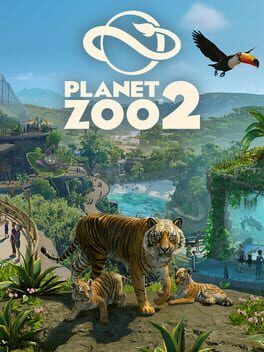
Frontier’s new Planet Zoo 2 trailer details aquarium building, water-system management, aquatic species care, and Wildlife Reserve links ahead of launch.
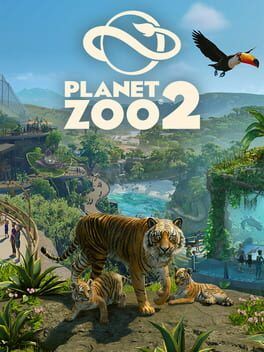
Image: IGDB
Store links: Planet Zoo 2 on Steam
Frontier puts aquariums at the center of Planet Zoo 2’s next management layer
Frontier Developments has released the second Planet Zoo 2 Feature Focus video, titled Awesome Aquatics, and the concrete takeaway is bigger than a new animal category. According to GamingBolt, IGN, Invision Community, and AltChar’s reports on the trailer, the sequel’s aquarium systems let players build underwater habitats, install technical equipment, manage species-specific water requirements, and connect aquatic animals to broader conservation play through Wildlife Reserves.
That creates the immediate tension for returning zoo managers. Frontier is presenting aquarium construction as familiar enough for Planet Zoo players to understand quickly, with GamingBolt reporting that the trailer’s narrator compares it to building terrestrial habitats. At the same time, the confirmed systems add new failure points that land habitats do not have in the same form: filtration, salination, water type, access hatches, feeders, and compatibility between marine, freshwater, and brackish species.
For a management game, that distinction matters because aquariums are not being framed as decorative tanks placed beside the main sim. The Planet Zoo 2 aquarium feature appears to be a full habitat class with its own logistics, animal welfare checks, guest-facing design hooks, and staff workflow problems. The result is a sequel pitch that broadens Planet Zoo 2 beyond traditional habitat management without discarding the land-based foundations Frontier has already shown.
Aquarium building borrows the habitat language, then changes the constraints
The most player-friendly detail in the Planet Zoo 2 trailer is the construction baseline. GamingBolt says aquarium building is described as similar to making terrestrial habitats, while Invision Community reports that players can create custom aquatic layouts, underwater viewing areas, filtration systems, specialist feeding equipment, and exhibits ranging from small educational displays to major zoo centerpieces.
The familiar build flow should reduce friction for players who already understand Planet Zoo’s habitat logic: choose a space, shape the environment, secure it for animals, make it readable for guests, and give staff a way to maintain it. The new pressure comes from what aquariums require after the glass goes up. GamingBolt reports that maintenance workers need practical access through hatches, and that feeders must be placed based on the species being kept. AltChar adds that staff get a dedicated aquarium gate so keepers and vets can reach animals and feeders without disrupting the visitor display.
From a strategy perspective, that turns aquarium design into a routing and service problem as much as an aesthetic one. A glass tunnel may be a spectacular guest draw, and AltChar identifies glass tunnels as one of the headline additions, but a tunnel-heavy build still needs staff access, feeder placement, and maintenance logic to keep the exhibit functioning. Planet Zoo 2’s aquatic layer is therefore asking builders to think in two overlapping grids: the guest fantasy of seeing animals swim overhead, and the operational spine that keeps water, food, and care moving behind the scenes.
Water chemistry makes species choice a real management decision
The clearest mechanical split in the Awesome Aquatics showcase is water type. GamingBolt reports that Planet Zoo 2 players must account for marine, freshwater, and brackish species, with marine and freshwater animals unable to live in the same pool. The same report says separate filtration and salination systems are needed so different species can survive. Invision Community also says Frontier has confirmed saltwater and freshwater requirements for aquatic species.
That confirmed distinction is where the Planet Zoo 2 aquatic animals roster becomes a planning puzzle rather than a simple checklist. GamingBolt names blacktip reef shark, red lionfish, and African tiger fish among the species shown. Invision Community points to the Hawksbill Turtle, Ocean Sunfish, and Brown Trout. IGN’s trailer listing specifically mentions the Blacktip reef shark and Red lionfish, while AltChar describes a broader mix of sharks, rays, turtles, and fish across marine, freshwater, and brackish habitats.
The sources do not provide a full compatibility chart, price list, space requirement table, or welfare spreadsheet, so any exact optimal build order would be speculation. What is confirmed is enough to infer the strategic direction: players will need to decide whether to specialize tanks around a water category, separate exhibit wings by filtration needs, or spend build space and staff attention on multiple aquatic ecosystems. In the original Planet Zoo rhythm, habitat planning often revolved around terrain, enrichment, barriers, traversable area, and social grouping. Planet Zoo 2’s aquarium systems add water infrastructure as a hard constraint, which could make mixed-species ambition more expensive in attention and layout complexity.
Creature care now has a stronger technical maintenance spine
Frontier’s aquatic focus also changes how creature care reads moment to moment. According to IGN, the Awesome Aquatics trailer gives players a rundown on creating intricate aquariums, serving aquatic creatures such as the Blacktip reef shark and Red lionfish, managing their needs, and maintaining a safe environment. GamingBolt reports that animal happiness and safety sit alongside maintenance demands such as access hatches and feeders. The July 9 GamingBolt report on an earlier gameplay trailer also said players must ensure food and water, handle unique animal needs, and periodically clean enclosures to keep them hygienic throughout the year.
Taken together, those confirmed details suggest Frontier is reinforcing a loop where care is visible in both animal welfare and infrastructure upkeep. The aquarium layer does not appear to let players solve welfare solely by decorating a beautiful tank. It asks for service routes, equipment, proper water conditions, feeding, hygiene, and species separation. That is a meaningful expansion because aquatic habitats are naturally less forgiving in theme and presentation. A failed land enclosure can read as poor terrain or unhappy animals. A failed aquarium, based on the systems described, can stem from the wrong water category, insufficient maintenance access, incompatible species, overcrowding, or inadequate filtration.
There is still a large unanswered design question: how punishing Frontier intends these systems to be. The sources confirm separate water needs and equipment, but they do not say whether filtration failures cascade quickly, how readable water-quality problems are in the interface, or how much staff automation can absorb once a zoo scales up. For players who enjoy optimizing keeper routes and infrastructure, that uncertainty is exciting. For builders who mainly want elaborate underwater scenery, it is the part to watch in future deep dives or pre-launch footage.
Scenery, blueprints, and the Frontier Workshop could keep the feature approachable
Frontier is not presenting aquariums only as a hardcore systems layer. Invision Community reports that Planet Zoo 2 includes dedicated aquatic scenery pieces that can be placed individually or used as complete designs through the Frontier Workshop. GamingBolt says players will have access to blueprints for quickly placing new aquatic habitats, and the trailer shows decoration options such as foliage, stone arches, and the ability to change the water’s tint. AltChar similarly notes that Frontier Workshop blueprints can help players skip some construction legwork.
That combination is important for audience breadth. Planet Zoo has long attracted two overlapping player types: the manager who wants clean throughput, welfare efficiency, and sustainable staff coverage, and the builder who treats the zoo as a creative canvas. The aquarium feature appears designed to serve both. Blueprints and Workshop designs can lower the barrier for players who do not want to hand-place every underwater element, while manual scenery placement and water tinting give detailed builders more visual control.
The strategic tradeoff is that convenience can conceal complexity. A prebuilt aquarium might solve the shape of an exhibit but still require correct species selection, compatible water type, filtration, salination, feeders, and staff access. If Frontier balances this well, blueprints become templates rather than autopilot. Players get fast starts without losing the management identity that makes Planet Zoo 2 a zoo sim instead of a static display builder.
Wildlife Reserves link aquariums to conservation play rather than isolated exhibits
One of the more interesting confirmed uses for aquatic animals sits outside the zoo proper. GamingBolt reports that the same aquarium capabilities are available in Wildlife Reserves, where players can send aquatic creatures to support conservation efforts. The trailer example cited by GamingBolt uses African tiger fish in a pond that also serves as a water supply for zebras. AltChar reports a related detail: if a freshwater aquarium becomes overcrowded, players can release surplus fish into Wildlife Reserve lakes to help build diverse ecosystems.
That is the clearest sign that Frontier wants aquatic management to connect with Planet Zoo 2’s wider structure. The July 9 GamingBolt article said an earlier gameplay trailer showed aquariums, aviaries, and Wildlife Reserves, while DLCompare described that first gameplay showcase as moving through land habitats, the new Aquarium, Aviary, and Wildlife Reserves to demonstrate how the systems connect. The Awesome Aquatics episode gives that connection a practical example through freshwater fish, reserve lakes, and shared ecosystems.
The confirmed mechanics stop short of revealing the full economy around reserves. We do not yet know how releasing animals affects progression, finances, breeding strategy, conservation scoring, or long-term population control. Still, the management implication is strong: aquariums may become part of a larger flow where overcrowding, species surplus, and ecosystem building feed into reserve decisions. If that loop is robust, aquatic animals could shift player planning from exhibit-by-exhibit optimization toward portfolio management across zoo and reserve spaces.
Release timing, platforms, and what to watch before launch
Planet Zoo 2 is scheduled to launch on October 13, 2026. GamingBolt lists PC, PS5, and Xbox Series X/S, while IGN specifies PlayStation 5, Xbox Series X|S, and PC via Steam, Epic Games Store, and Xbox on PC. Frontier Developments is the developer cited across the reports.
The next Feature Focus episode will move from water to the air. GamingBolt reports that the Awesome Aquatics trailer confirms a future video focused on aerial creatures and their habitats, and AltChar also says the next Feature Focus will cover birds. That matters because Planet Zoo 2’s sequel case is increasingly built around habitat categories that stretch the original formula: land habitats remain the base, aquariums add water systems, aviaries add vertical and aerial considerations, and Wildlife Reserves broaden the conservation layer.
For practical players, the current advice is to watch for interface clarity and late-game scaling details before deciding how ambitious to be at launch. The sources confirm rich aquarium tools, specific aquatic animals, water-type separation, staff access, feeders, blueprints, scenery, Wildlife Reserve links, and the October release date. They do not confirm PC requirements, console performance targets, pricing, edition structure, upgrade paths, or the exact depth of aquarium failure states. The Planet Zoo 2 trailer makes the aquatic focus look like a meaningful expansion, but the final test will be whether Frontier can keep filtration, salination, compatibility, and staff maintenance legible when a zoo contains land habitats, aquariums, aviaries, guests, staff, and reserves all competing for the player’s attention.