
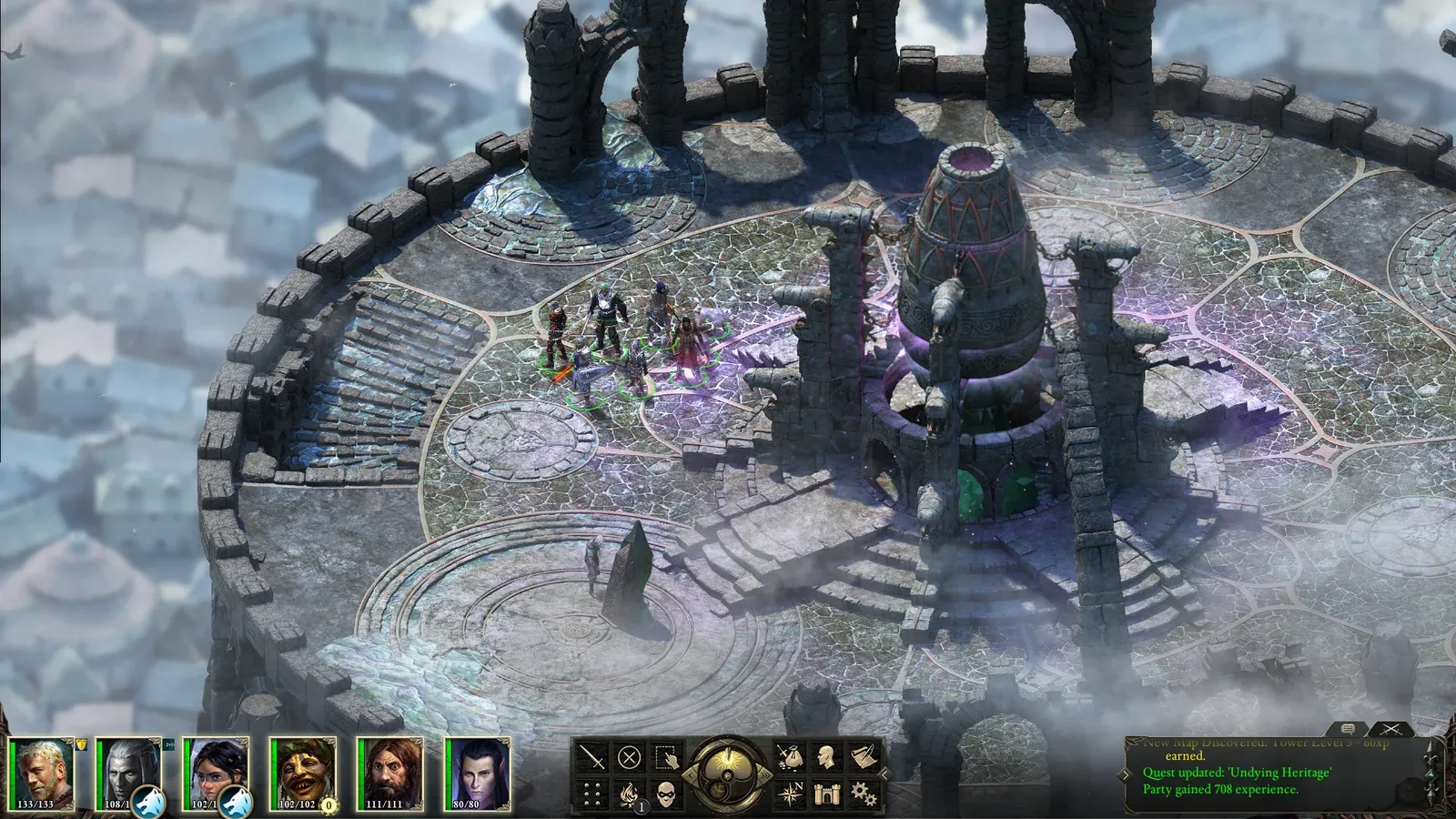

Obsidian has added full PC controller support to Pillars of Eternity and Pillars of Eternity II: Deadfire, changing how both CRPGs play on Steam Deck, Big Picture, and the couch.
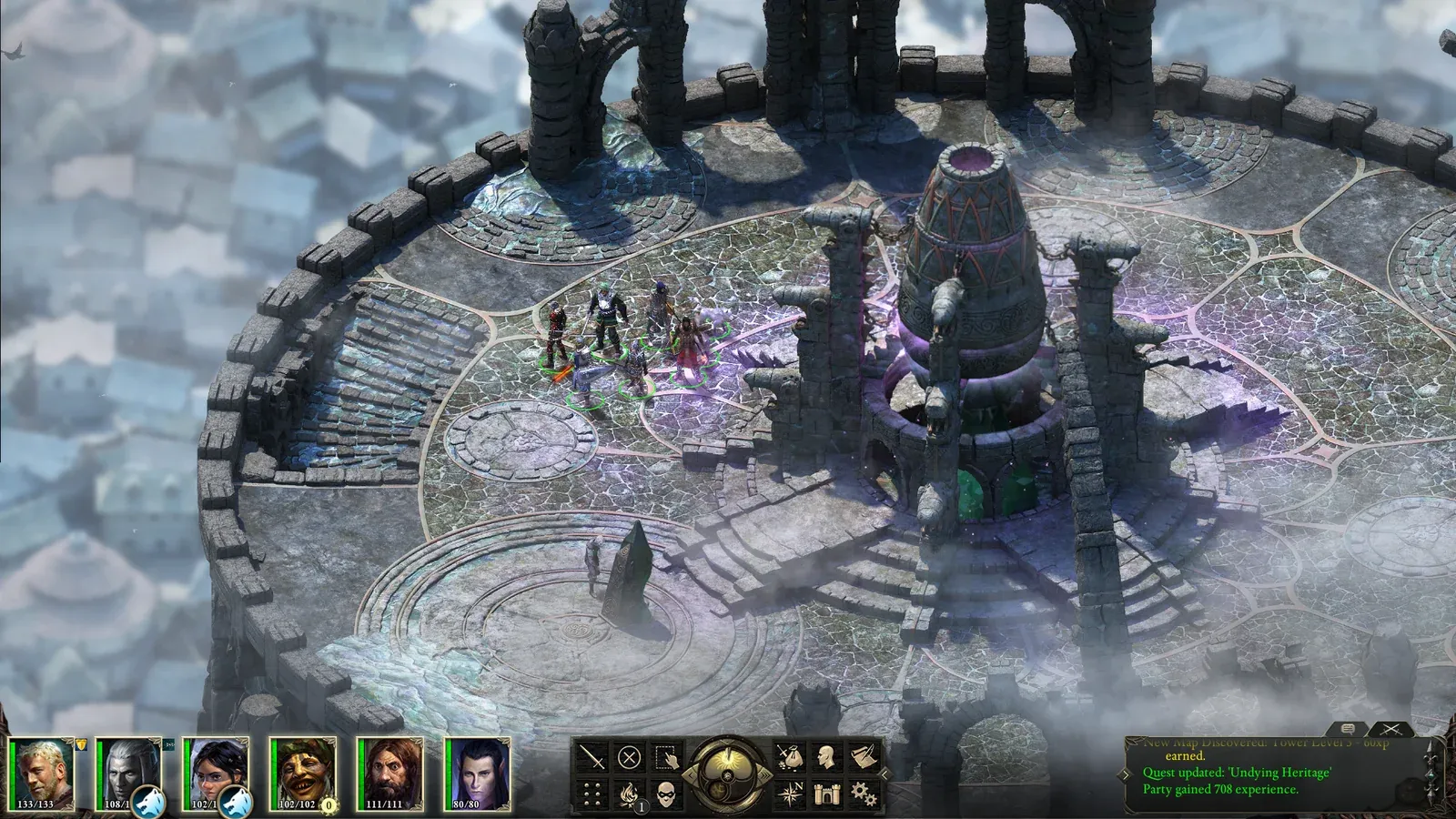
Image: techtroduce.com
Full controller support leaves testing and changes the PC proposition
Obsidian says PC controller support is officially live for both Pillars of Eternity and Pillars of Eternity II: Deadfire, turning two mouse-first party RPGs into games the studio now says can be played from character creation to the final credits with a controller. The update is live on Xbox on PC, Steam, and GOG, according to Obsidian’s announcement, with Pillars of Eternity also receiving the update on the Epic Games Store.
That is the concrete shift. The tension is that Pillars was built around dense party management, combat pausing, nested inventory screens, conversation trees, crafting, enchanting, and, in the first game, the Stronghold. A controller patch for a classic-style CRPG is never a small input toggle. It has to translate the whole grammar of a keyboard-and-mouse interface into radial menus, prompts, focus behavior, and reliable navigation across systems that were originally comfortable with a cursor.
Obsidian’s patch notes frame this as a complete PC update rather than a limited combat option. Pillars of Eternity Patch 3.10.0 adds controller support across character creation, exploration, Real-Time with Pause combat, Turn-Based Mode, conversations, inventory, crafting and enchanting, the Stronghold, and the world map. The studio says radial menus provide quick access to abilities, spells, and party commands, while the interface shows button prompts throughout. Players can also swap between controller and mouse-and-keyboard at any time, with the UI following the active input.
GamingOnLinux reported on November 18 that the full release follows a brief beta testing period. Rock Paper Shotgun previously covered the public test version, noting that Obsidian had opened the feature for testing and warned players to expect bugs. The live announcement keeps that caveat in softer form: Obsidian says controller support is a significant addition and that more issues may surface after beta.
Returning players are getting a different kind of re-run
For returning Watchers, the most important part of the Pillars of Eternity controller support update is not that movement shifts to an analog stick. It is that the whole progression loop is now supposed to be navigable without returning to a desk. Obsidian specifically names character creation, party commands, conversations, inventory, crafting, enchanting, and Stronghold management for the first game. Those are the places where a replay usually slows down: rebuilding a Chanter phrase plan, checking a cipher’s focus economy, comparing enchantment costs, or rearranging the party before a difficult encounter.
The addition of radial menus matters because both Pillars games ask players to manage a party rather than a single action hero. In Real-Time with Pause, a controller interface has to make pausing, selecting party members, issuing abilities, and reading encounter state feel dependable. In Turn-Based Mode, the problem changes: the player has more breathing room, but menus must keep spell lists, item actions, and party positioning legible over many repeated turns. Obsidian says both combat modes are covered.
This changes the shape of a replay. A build-heavy run, such as a cipher watching focus generation, a wizard rotating per-encounter and per-rest resources, or a barbarian relying on triggered effects, still depends on reading tooltips and understanding timing. The controller update does not simplify those rules in the material provided. Instead, it gives players a new physical way into the same rule set. For a long RPG where a completionist route can involve dozens of hours of quest clean-up, faction choice, companion management, and combat encounters, that difference is practical.
There are still known rough edges. Obsidian’s Pillars of Eternity notes list an issue where reordering party portraits or formation can cause controller navigation to behave unexpectedly. That is exactly the kind of friction returning players should watch for, because party order and formation are not cosmetic in these games. If you routinely adjust frontliners, backline casters, and engagement positioning between fights, save often and expect the controller layer to receive further attention.
Deadfire gets controller support and a turn-based rules pass
Pillars of Eternity II: Deadfire controller support arrives alongside a more systemic change: Obsidian says Deadfire’s Turn-Based Mode has been reworked using lessons from bringing Turn-Based Mode to the original Pillars of Eternity. The studio’s live post says characters now act based on speed, combat hits harder, and quick actions such as swapping weapons or drinking a potion count as free actions. Obsidian also says players can switch between Turn-Based Mode and Real-Time with Pause during a playthrough whenever they are out of combat.
That last point is easy to underestimate for Deadfire. The sequel already had a broader strategic layer than the first game, with sailing, island exploration, and ship encounters folded into party adventuring. During the public test, Obsidian said Deadfire’s controller support covered the entire game “all the way out to naval combat,” and Rock Paper Shotgun reported that the support builds on the controller scheme from the console editions. The live announcement confirms controller support for the adventure as a couch-play proposition, while the test material gives useful context for how extensive that coverage was intended to be.
The turn-based rework also changes how returning players should think about old habits. If initiative now follows character speed, then speed-related choices carry clearer turn-order consequences than they did under the previous implementation. If combat hits harder, defensive planning and consumable timing become less optional, especially in encounters where Deadfire already pressures the backline or punishes loose positioning. If weapon swaps and potion use are free actions, the controller interface has to make those small tactical pivots easy to reach, because they are now part of the intended action economy.
RPG Site reported the updates as live on November 17 and highlighted Deadfire’s turn-based overhaul alongside the controller release. For players who bounced off Deadfire’s original turn-based implementation, this patch is the stronger reason to reinstall. For players who preferred Real-Time with Pause, the ability to change modes outside combat gives room to experiment without restarting a long campaign.
Steam Deck and couch play get official support instead of workarounds
Obsidian explicitly names Steam Deck and Steam Big Picture mode in the Pillars of Eternity Patch 3.10.0 notes, including support for the on-screen keyboard when naming characters and writing notes. The studio also lists Xbox and PlayStation controllers. GamingOnLinux reports that both games should now work better on devices such as Steam Deck and Steam Machine, and that the first Pillars of Eternity is now Verified on both.
That is a meaningful upgrade for handheld and living-room players because old CRPG control workarounds often break at the least convenient moments. A community controller layout can move a cursor and bind pause, but it does not automatically give every inventory tab, dialogue option, radial command, and text entry field a coherent flow. Official support means the interface can change prompts based on the active input and can account for Steam Deck’s on-screen keyboard rather than leaving players to fight the overlay.
During the public test, Obsidian also gave Steam Deck owners setup guidance for enabling an appropriate controller configuration, directing players through Steam’s controller icon, layout templates, and gamepad layouts. The live notes now present Steam Deck support as part of the release, but that earlier advice remains a useful troubleshooting clue if a player launches after the update and does not see expected inputs. Start by checking the active controller layout before assuming the patch failed.
Couch play is the other clear use case. Both games are long, text-heavy RPGs, but they are also slow-burn games built around pausing, reading, and making deliberate choices. Moving them to a TV is less about turning them into action games and more about allowing long quest sessions, inventory clean-up, and late-night exploration without being locked to a monitor. The update gives that style of play official footing on PC.
Storefront availability has one important Epic Games Store boundary
Obsidian’s rollout language is specific. Controller support is live for both Pillars of Eternity and Pillars of Eternity II: Deadfire on Xbox on PC, Steam, and GOG. The same announcement says players will also see this update for Pillars of Eternity on the Epic Games Store. It does not state in the provided text that Deadfire received the update on Epic Games Store at the same time.
That distinction matters because players often own older RPGs across different storefronts after sales, giveaways, bundles, or subscription libraries. If you own both games on Steam or GOG, Obsidian’s announcement supports the expectation that both games have the controller update. If you own the first game on Epic, Obsidian says that version is included. If you specifically own Deadfire on Epic, the provided announcement leaves that status unconfirmed, so check the store client, patch notes, or Obsidian support before planning a controller-based replay there.
The Microsoft Store version of the first game also receives cloud save functionality, according to the Pillars of Eternity Patch 3.10.0 notes. That is a smaller line item than controller support, but it matters for PC handheld habits. Moving between a desktop, a Windows handheld, and a couch-connected PC is far less painful when save continuity is supported by the platform version you are using.
There is a minor patch-number wrinkle in the surrounding coverage. Obsidian’s live notes identify the first game’s release as Pillars of Eternity Patch 3.10.0 and Deadfire as Patch 5.1.0.0. The earlier public test post, as reproduced in source material, used a different-looking Pillars version label, and Rock Paper Shotgun referred to the test patch with that public-test numbering. For current players, Obsidian’s live announcement is the cleaner reference point.
A classic CRPG accessibility gain with real technical caveats
The broader accessibility value of CRPG controller support is that it lowers physical and setup barriers without removing the genre’s complexity. Some players cannot comfortably use a mouse and keyboard for long sessions. Others can use them, but prefer a controller because of seating, fatigue, handheld play, or shared-space gaming. For games as long as Pillars of Eternity and Deadfire, comfort affects whether a player finishes companion quests, experiments with builds, or returns for expansions and alternate faction routes.
Obsidian’s implementation targets the places that usually block controller play in a party RPG: text entry, ability access, party commands, inventory, crafting, maps, and modal combat systems. The update also supports switching between controller and mouse-and-keyboard on the fly, which is an important accessibility detail. A player can handle exploration and combat from a controller, then pick up a mouse for a particularly dense inventory comparison or journal pass if that is faster.
The caveat is that official support is not a guarantee that every edge case has been solved. Obsidian says there could be issues that were not found during beta and asks players to send feedback through its support site. The known Pillars issue with portrait or formation reordering is one example of how complicated controller focus can become in a game where party order, selected character, and formation all have mechanical meaning.
For the classic CRPG space, the update is still significant. These games were part of the modern revival of Infinity Engine-style RPG design, a tradition strongly associated with mouse-driven interfaces and dense PC screens. By adding official controller support years after release, Obsidian is acknowledging that the audience for deep party RPGs now includes Steam Deck owners, TV players, and accessibility-minded PC users who want the rules and writing of a traditional CRPG without a traditional desk setup.
Who should reinstall now and who should wait
If you already own the games on Steam, GOG, or Xbox on PC and want Pillars of Eternity PC update support for a controller, the sources describe this as the moment to try it. Obsidian presents the feature as live, not a paid add-on, and the patch notes do not mention a separate upgrade path or purchase. Steam Deck players have the clearest immediate benefit, especially if they had previously relied on community layouts or touchpad cursor control.
Deadfire players have an extra decision. The Deadfire controller support update arrives with a Turn-Based Mode rework that may change the feel of existing saves, particularly if your party was built around assumptions from the previous turn-based implementation. Because Obsidian says speed now controls turn order and combat hits harder, players returning to a mid-campaign save should review builds, consumables, and defensive tools before walking into a major fight.
Players who are sensitive to interface friction may want to wait for at least one follow-up pass, especially if they frequently reorder formations or party portraits. Obsidian’s own warning that more issues may surface after beta is worth taking seriously. This is a large retrofit across two complicated RPGs, not a narrow controller binding patch.
For everyone else, the update gives Pillars of Eternity and Deadfire a stronger second life on modern PC hardware. The best reason to return is not novelty. It is that the same dense quests, party builds, lore choices, and tactical encounters now have a more flexible way to be played, whether at a desk, on Steam Deck, or from the couch.