
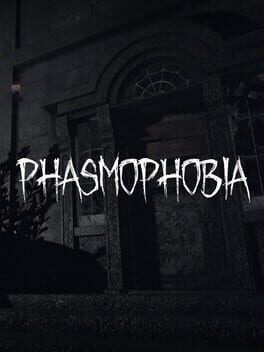
Phasmophobia by Alan Wake is a smart, spooky collaboration that nails the vibe of both games, but its limited-time, one-off nature raises bigger questions about how co-op horror uses fear of missing out to keep players engaged.
Phasmophobia’s next big scare is not a new map or ghost type, but a visiting horror icon. On May 12, 2026, Kinetic Games is launching “Phasmophobia by Alan Wake,” a limited-time crossover event made in direct partnership with Remedy Entertainment. The basic pitch is simple: The Dark Place from Alan Wake bleeds into Phasmophobia’s haunted houses, and players step into the mess.
The event is being billed as both a limited-time in-game event and a one-time crossover. Once it is gone, it is not expected to return in its current form. That expiration date is doing almost as much work as the trailer itself, and it says a lot about how co-op horror is learning to use scarcity as a design tool.
Why Alan Wake Fits Phasmophobia So Well
On paper, Phasmophobia and Alan Wake live in different corners of horror. Phasmophobia is grounded ghost hunting: a small team of players walks into realistic suburban homes, schools and prisons, armed with EMF readers, spirit boxes and flashlights. Alan Wake, by contrast, is a surreal story about a writer trapped in a supernatural nightmare, where reality bends under the pressure of fiction and darkness is a literal, hungry force.
What connects them is the relationship between light, fear and the unknown. Phasmophobia’s most iconic moments come from creeping down a dark hallway with a flashlight flickering while a ghost whispers your name through the spirit box. Alan Wake built its entire combat and mood around that same relationship to darkness, making players burn away the shadows with a beam of light before they can even fight back.
Dropping The Dark Place into Phasmophobia is more than a marketing gag. It takes a setting defined by shifting reality and brings it into a game where players are used to clear rules about ghost behavior and evidence. Both games love to destabilize your expectations: Alan Wake uses unreliable narration and metafiction, Phasmophobia uses randomized ghost types, unpredictable hunts and limited information. A crossover that suggests the rules of Phasmophobia’s world are being bent by The Dark Place feels like a natural extension of both.
Even the shared tone works. Neither series leans on constant jump scares alone. Phasmophobia’s tension comes from silence, waiting and scraps of audio. Alan Wake lingers on dread and atmosphere between its action bursts. For a co-op horror game that already treats flashlights, sanity and sound as core systems, importing Alan Wake’s visual language of encroaching shadow and harsh, defensive light is a smart fit.
What Players Actually Get From The Event
So far, official information is deliberately vague. The crossover is named, dated and framed, but Kinetic and Remedy are keeping specifics close for now. Even with the secrecy, we can infer a few likely forms this event will take, based on how Phasmophobia usually structures its updates and previous seasonal events.
At minimum, players should expect a themed in-game event layer on top of existing ghost hunts. Earlier Phasmophobia events have used temporary objectives, special cosmetic rewards and limited event currencies to push players across the map roster. An Alan Wake crossover offers fertile ground for similar hooks. Unique challenges that reference The Dark Place, multipliers for playing in low light, or optional objectives related to manuscript pages or specific voice lines would all feel on brand.
Visual and atmospheric changes are almost guaranteed. The marketing centers on The Dark Place enveloping Phasmophobia, which suggests altered lighting, skyboxes or environmental effects that distinguish the event window from standard play. Imagine seeing familiar farmhouses and suburban streets drowned in unnatural fog, with pockets of oily shadow that react to player flashlights in more dramatic ways than usual. Those kinds of shifts do not need to rewrite ghost AI to make the event feel special.
The partnership with Remedy also hints at crossover cosmetics, whether that is investigator outfits that evoke Alan’s battered writer’s jacket or flashlight skins reminiscent of Alan Wake’s gear. Phasmophobia has been slowly expanding its customization options, so tying event-exclusive cosmetics to challenges would fit neatly into existing systems.
What we are less likely to see is a permanent, fully fledged Alan Wake map or enemy type. The “one time event” language suggests that while the event will feel substantial during its run, the game will revert afterward, with only badges, trophies or cosmetics remaining as proof that you were there.
The Limited-Time Hook And The Fear Of Missing Out
The explicitly temporary nature of “Phasmophobia by Alan Wake” is doing design and marketing work at the same time. In a co-op horror space that increasingly competes for recurring attention rather than one-time purchases, events like this are scheduled jolts. By announcing a firm start date and signaling that the crossover is a one-off, Kinetic is creating a hard deadline that nudges lapsed players back into the game and keeps current players locked in.
This plays straight into fear of missing out, which has become a core engagement tool across live service titles. You do not just log in to see something cool. You log in because you might never see it again. For a game like Phasmophobia, which does not operate like a big-budget battle pass machine but still needs spike moments to energize its community, a limited crossover with a recognizable horror IP is a high-impact way to do that.
It also mirrors Alan Wake’s own themes. This is a story about a writer trapped in a nightmare defined by chapters, deadlines and scripts that might close forever. Turning the collaboration into a real-world, time-limited chapter is clever, almost too on the nose. The event becomes a meta gag where players feel a similar pressure to act before the curtain falls.
What This Says About Co-op Horror Engagement Strategy
Phasmophobia started as a breakout indie that did not obviously fit the usual live service mold. Over time, though, it has quietly adopted familiar rhythms: seasonal events, reworks, roadmaps and now a prestige crossover that runs for a limited window. This is increasingly the pattern for co-op horror games that need to maintain player interest between content drops.
Limited-time events give developers a safe, contained laboratory. They can experiment with wilder ideas, crossovers or modifiers without having to support them indefinitely. If a mechanic tied to The Dark Place proves too divisive or technically demanding, it can disappear when the event ends, instead of burdening the core game forever. For a small studio, that flexibility matters.
Crossover events also leverage audience overlap. Alan Wake brings narrative-driven horror fans who might not otherwise try a co-op ghost hunt. Phasmophobia offers Remedy a new touchpoint for its universe in the run-up to or aftermath of Alan Wake 2 content. The collaboration becomes a marketing bridge that benefits both sides, without requiring a permanent fusion of canons.
More broadly, co-op horror thrives on shared stories. A time-boxed event gives the community a common topic, a rush of clips and anecdotes that circulate on social media and streaming platforms. “Were you there for the Dark Place event?” becomes a future reference point the same way players talk about the first time they met a new ghost type.
Do Temporary Events Help Or Hurt Goodwill?
The answer depends on how they are handled. Limited-time content can build excitement, but it also carries an inherent risk of alienating players who cannot or do not want to schedule their gaming life around an event calendar.
From a goodwill perspective, the biggest danger is creating the sense that content is being made disposable by design. If the Phasmophobia by Alan Wake event meaningfully alters maps, lighting or core scares, some players will inevitably ask why that work cannot remain in some form after the event ends. If key cosmetics are truly never returning, it reinforces the idea that the best content is locked behind narrow windows of availability.
On the other hand, when events respect players’ time and offer permanent keepsakes, they can strengthen long-term loyalty. If Kinetic uses this event to add lasting quality-of-life improvements or leaves behind a small permanent trace, such as a variant map or ongoing cosmetic set, players will feel like the event mattered beyond its marketing moment.
Communication is also crucial. Framing the Alan Wake crossover honestly as a self-contained special chapter, explaining its duration clearly and giving players advance notice can mitigate frustration. Phasmophobia’s community is used to showing up for holiday hunts and limited challenges. As long as the event feels like a celebration rather than a pressure tactic, the goodwill hit is likely to be small.
In the best case, temporary events act as punctuation rather than erasure. They spike interest, give regulars something fresh to chew on and leave the core game stronger or at least no worse off when they exit. In the worst case, they teach players that missing a few weeks means missing the best parts of the game permanently.
A Smart Crossover With A Clock Ticking In The Background
“Phasmophobia by Alan Wake” looks like one of the more thematically coherent crossovers in recent horror memory. The shared obsession with light and darkness, unreliable reality and creeping dread makes it feel less like a brand collision and more like a short story that both series might have told on their own.
Yet that strength is inseparable from the way it is being packaged. The event’s limited-time, one-off nature is not just a scheduling note, it is a statement about how even smaller co-op horror titles now think in seasons, spikes and windows of opportunity.
If Kinetic Games gets the balance right, this will be remembered as a standout moment that briefly rewired how Phasmophobia feels without punishing those who discovered the game later. If not, it risks becoming a cautionary tale about how an excellent horror pairing used the fear of missing out a little too literally.