
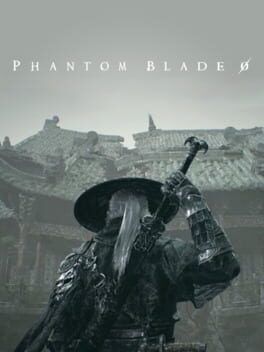
Ahead of its Game Awards release date reveal, we look at Phantom Blade Zero’s long road from indie mobile hit to PS5 console exclusive, dissect its latest high-speed wuxia combat footage, and examine what it must do to stand out in Sony’s crowded action RPG lineup.
Phantom Blade Zero is about to step onto one of the biggest stages in games. After two years of stylish trailers and trade-show demos, S-GAME’s dark wuxia action RPG will finally lock in a release date during The Game Awards on December 11. For Sony, it is positioned as the next prestige PS5 console exclusive in the character‑action space, following the likes of Stellar Blade and Rise of the Ronin.
With extended gameplay now out in the wild from S-Party, Gamescom and multiple hands-on sessions, we have a much clearer picture of what Phantom Blade Zero actually is. It looks fast and unforgiving, but also surprisingly approachable, and it sits somewhere between Sekiro’s steel‑sharp tension and Devil May Cry’s flowing spectacle.
This is a closer look at how the project got here, what the newest combat footage really shows, and what the game needs to do to become more than just “another Soulslike with cool swords” on PS5.
From mobile hit to PS5 console exclusive
Phantom Blade Zero did not appear out of nowhere. Before the reveal trailer exploded across the 2023 PlayStation Showcase, S-GAME had already spent years iterating on the concept through the Phantom Blade and Rainblood series on mobile and PC in China.
Those earlier entries leaned heavily on fast, combo‑driven action and pulpy martial arts storytelling, building a cult following but never truly breaking out in the West. Phantom Blade Zero is pitched as a semi‑reboot and a spiritual successor, translating that 2D and mobile design heritage into a bespoke, big‑budget 3D action RPG built around PS5 and PC.
S-GAME also positions the game as a cinematic wuxia experience rather than a pure Soulslike. The studio has repeatedly pushed back on the Souls comparisons, stressing that its priority is responsive martial‑arts choreography, clear animations and a shorter learning curve. That intent shows through in the recent demos where even basic guards and sidesteps are aggressively animated, blending motion‑captured swordplay with heavily authored transitions.
The setting also marks a shift from traditional fantasy. Phantom Blade Zero takes place in a grim, fictionalised Wulin that mixes Chinese martial traditions with steampunk‑adjacent machinery and occult horror. You play as Soul, an elite assassin working for The Order, framed and left for dead, then given 66 days to solve the conspiracy and hunt down the group’s patriarch’s killer.
What the latest gameplay footage actually shows
Multiple recent showings have finally gone beyond trailer cuts and into continuous play. Between the S-Party 2025 hour‑long demo, Gamescom footage and new “Year of the Snake” gameplay, several consistent threads have emerged.
High‑speed duels built on reads and reactions
The first thing that stands out is pacing. Phantom Blade Zero’s combat is fast. Not “Souls run speed” fast, but almost character‑action quick. Soul chains short sword strings, lunging thrusts and dodge‑cancels together in a way that looks closer to Ninja Gaiden 2 than Elden Ring.
Enemies do not appear to be disposable fodder though. Even regular bandits attack in coordinated patterns, often layering horizontal and vertical slices, projectiles and gap‑closing lunges. Watching extended footage, you can see how fights become short, intense bursts of pressure where surviving cleanly depends on recognising telegraphs and using the right defensive option, rather than just over‑levelling.
Parries are a major pillar. Well‑timed deflections spark off the blade and open enemies for counterattacks, similar in spirit to Sekiro’s posture system, but here it is integrated into a more traditional health and stamina loop instead of an explicit posture bar. The timing window looks generous enough that players used to action games should be able to grasp it without hitting a brick wall.
A layered attack system with Brutal and Killer moves
Hands‑on reports and developer commentary have described several move categories that define the flow of combat.
Standard attacks and combos are your bread and butter. These are mapped to light and heavy actions that can be chained into canned strings or redirected mid‑flow from certain animation states. Footwork is just as important as the sword, as Soul can perform quick sidesteps, lunging dashes and air‑juggles to stay on top of targets.
Brutal Moves are harder‑hitting attacks that appear as big, committed swings. When you block them, they drain a special Sha‑Chi resource rather than inflicting immediate health damage, which adds a second layer of risk. Turtling behind a guard is possible, but you are burning a finite meter when you do so.
Killer Moves are the real threat. These are heavily telegraphed, cinematic attacks that cannot be blocked or parried at all, forcing you to use movement, invincibility frames or specific counter tools. In footage, these often come with dramatic camera shifts, sparks and slow‑down, underscoring their importance as marquee moments in an encounter.
The result is a rhythm that alternates between aggressive pressure, cautious blocking and bursts of hard disengagement. It gives fights a cinematic ebb and flow without sacrificing mechanical clarity.
Stamina, resources and Hellwalker difficulty
Although S-GAME resists the Soulslike label, Phantom Blade Zero still uses a traditional stamina bar. Every swing, dodge and sprint ticks the meter down. Over‑spending leaves you exposed in a way that will be very familiar to FromSoftware fans.
The nuance lies in how stamina interacts with Sha‑Chi and higher difficulties. On default settings, you can afford a bit of sloppiness, blocking several Brutal Moves before your Sha‑Chi is exhausted, then quickly rolling away to recover. On Hellwalker, the game’s hardest mode that Gamescom attendees could try, Sha‑Chi drains far faster and stamina punishments are harsher. It creates a distinctive kind of difficulty where you are not just dealing with bigger health pools, but a much lower margin for defensive error.
Importantly, S-GAME has emphasised that Hellwalker exists to satisfy hardcore players without turning the entire experience into a wall. If the team pulls it off, Phantom Blade Zero could occupy an interesting space where the main path is intense but conquerable, while challenge seekers min‑max builds and execution on optional modes.
Weapons, builds and progression
Recent previews have shown the player cycling through a wide variety of gear. There are straight swords and greatswords, of course, but also dual blades, chain weapons and strange contraptions that fit the setting’s steampunk flavour. Some weapons come with unique techniques and stance‑like properties that alter your basic move set when equipped.
On the RPG side, S-GAME has hinted at a medium‑length adventure, sitting somewhere between a pure character action campaign and a 100‑hour open world. That means stats and builds matter, but the game will likely not drown players in loot. Instead of collecting hundreds of minor upgrades, the focus seems to be on a curated set of weapons, each with meaningful move differences and upgrade paths.
Skill trees and unlockable techniques round out the system, letting you reinforce a preferred style. Players who favour aggression can invest in parry follow‑ups and gap‑closers, while those who like methodical play can emphasise guard counters and stamina management.
World structure and exploration
Extended footage indicates a world layout that falls somewhere between “hub‑based” and “semi‑open.” Areas like Pang Town function as self‑contained regions with multiple routes, secrets off the beaten path and optional minibosses guarding loot.
Level design leans into verticality. Soul is seen mantle‑climbing, wall‑running in spots and using environment objects to gain positioning advantages. The camera remains tight on the character, which makes alleyway duels feel claustrophobic, but wider courtyards and bridges offer room for crowd encounters and set‑piece bosses.
Visually, Phantom Blade Zero is striking. The art direction mixes ruined temples, rain‑soaked villages and corrupted forests with rusted, almost biomechanical constructs. Swirling cloaks, fluttering paper talismans and thick volumetric fog sell the fantasy of a diseased Wulin world. On PS5, the game is targeting high frame rates with optional ray tracing, which is essential for something this reliant on timing.
How it fits into Sony’s current PS5 action RPG lineup
By the time Phantom Blade Zero releases, PS5 players will have already had a buffet of high‑end action RPGs. From third‑party standouts like Black Myth: Wukong to first‑party collaborations like Stellar Blade and Rise of the Ronin, Sony’s platform is arguably the most competitive arena for this type of game.
On paper, Phantom Blade Zero ticks a lot of the right boxes. It is visually distinctive, offers a hardcore‑leaning combat loop and leverages a lesser‑seen cultural backdrop. Being a console exclusive on PS5 also gives it a marketing push that multiplatform competitors will not automatically enjoy.
At the same time, the bar for quality is high. Recent footage has already impressed many spectators, but the challenge now is execution across 20 to 30 hours rather than in isolated demo slices.
What Phantom Blade Zero needs to do to truly stand out
The core ingredients are there, but if S-GAME wants Phantom Blade Zero to be more than a flashy curiosity, several elements will be crucial.
First, the combat system needs depth that lasts. The early hours look thrilling, but action RPG fans are quick to notice when encounter design falls back on repetition. The game will need a broad enemy roster and boss designs that make full use of Brutal and Killer moves, forcing players to adapt instead of relying on a single dodge rhythm.
Second, readability and responsiveness must be rock solid. At this speed, any inconsistency in animation cues, hitboxes or input buffering will be painfully obvious. The current demos appear smooth, but those are curated environments. The full campaign needs that same crispness across every biome and encounter.
Third, it has to deliver a compelling world and story. Wuxia storytelling can be operatic and strange in ways that Western audiences may not be used to, but that is an opportunity as much as a risk. If S-GAME leans into the 66‑day ticking‑clock premise and grounds Soul’s revenge arc in clear relationships and stakes, the narrative could give the stylised violence real weight.
Fourth, structure and pacing are critical. A semi‑open world with dense pockets of content can be a strength, but only if the game avoids padding. Focused, handcrafted side quests that explore corners of Wulin or delve into The Order’s secrets will play much better than endless checklists.
Finally, technical polish on PS5 is non‑negotiable. With so much competition, players will not tolerate choppy frame rates, camera glitches or inconsistent performance modes. Load times, DualSense integration and accessibility options will all quietly contribute to whether Phantom Blade Zero feels like a true PS5 showcase or a promising game held back by rough edges.
Looking ahead to The Game Awards and beyond
Announcing a release date on The Game Awards stage is as strong a signal as S-GAME and Sony can send about their confidence in Phantom Blade Zero. The game has already captured attention with gorgeous trailers and dazzling combat snippets. The next phase is about proving that the substance matches the style.
If the full campaign can sustain the mechanical depth we have seen in recent demos, and if the world of its cursed Wulin can hook players with mystery and momentum, Phantom Blade Zero has a real shot at being one of the defining PS5 action RPGs of its release year.
All eyes will be on that date reveal. What comes after will determine whether this once‑obscure mobile lineage can carve its name alongside the titans of Sony’s action catalog.