
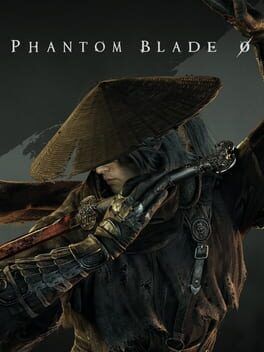

PlayStation's new Phantom Blade Zero bosses spotlight names Peng Meng, Hua, and other threats as the action RPG's fast sword combat fuels early Game of the Year talk, with key caveats around platforms, price, and expectations.
Image: IGDB
Store links: Phantom Blade Zero on Steam
PlayStation’s boss spotlight gives Phantom Blade Zero a sharper edge
The newest concrete hook for Phantom Blade Zero is not a vague promise of stylish swordplay. According to HappyGamer, PlayStation’s account highlighted four Phantom Blade Zero bosses on Saturday, November 7, naming The Hunt, Hunter Of The Order, Peng Meng, The Axemaster, Hua, Deadly Betrothed, and the Aberrant Three-faced Puppet.
That is a compact reveal, but it lands at the right moment for S-GAME’s action RPG. Phantom Blade Zero is already being discussed in action circles because of its speed, weapon flourish, and wuxia-inflected duels. The boss spotlight gives that conversation shape. Instead of talking only about how fast protagonist Soul moves, the new names point to the kinds of bodies, weapons, and narrative silhouettes that movement will be tested against.
HappyGamer reports that PlayStation framed the lineup with the phrase “Face brutal bosses in Phantom Blade Zero,” which is marketing language, not a combat breakdown. Even so, the wording matters because boss fights are where this style of action game either proves its rhythm or exposes its noise. A blade game can look spectacular in a trailer. It becomes convincing when the spectacle remains readable under pressure, when a named enemy forces the player to defend, adapt, and punish without turning the screen into choreography the player merely watches.
Peng Meng and Hua are separate names, not one combined boss
The most useful clarification for players searching “Peng Meng Hua Phantom Blade Zero” is that the available source material presents Peng Meng and Hua as separate bosses. HappyGamer says PlayStation listed “Peng Meng, The Axemaster” and “Hua, Deadly Betrothed” as two entries. Fextralife’s Phantom Blade Zero boss page also lists Peng Meng, the Axemaster and Hua, Deadly Betrothed separately under Weeping Creek Valley.
That distinction changes the read on the reveal. Peng Meng’s title is direct and weapon-forward. “The Axemaster” suggests a fight built around reach, weight, and commitment, the kind of enemy whose threat can be understood before a single animation is studied. Hua’s epithet, “Deadly Betrothed,” points in a different direction. It sounds more personal, theatrical, and story-coded, although the sources provided do not confirm Hua’s attack patterns, narrative role, or relationship to Soul.
The surrounding names widen the tone. The Hunt, Hunter Of The Order, implies an institutional enemy or enforcer, and Fextralife lists another boss called The Hunt, Sixfold Scythe later in Weeping Creek Valley. The Aberrant Three-faced Puppet signals the stranger side of Phantom Blade Zero’s world, with Fextralife also listing puppet-related bosses later in its page, including Dusk, the Puppeteer and Yuzan, No. 3 Musician Puppet. Those wiki listings are not the same as an official mechanics reveal, but they show how the current public boss information is already pushing two fantasies at once: martial duels against named fighters and grotesque set pieces with a darker, theatrical edge.
The action praise is about combat rhythm, not a verdict
The Game of the Year chatter around Phantom Blade Zero is real, but it should be read carefully. Push Square published an opinion feature comparing Onimusha: Way of the Sword and Phantom Blade Zero as potential personal Game of the Year contenders, with the writer saying the two are among the best action games they have played in years. That is an enthusiast judgment from one outlet writer, not an industry verdict, and it sits in an opinion frame.
What makes the discussion useful is the combat comparison underneath it. Push Square describes Onimusha as measured and comparatively slow, while calling Phantom Blade Zero lightning quick. The outlet argues that both games prioritize cinematic flair without sacrificing responsive controls, a key compliment for any action game trying to make every clash look composed without stealing agency from the player.
Push Square also flags the risk that comes with Phantom Blade Zero’s style. The outlet says Zero can look busy during frantic battles and can feel more unwieldy than Onimusha because a single input may lead Soul into multiple slashes depending on the equipped weapon. That criticism is important. The early action-game-of-the-year conversation is being driven by pace, variety, and presentation, but the same qualities can blur feedback if enemy design cannot keep up. Bosses like Peng Meng and Hua are where that tension becomes measurable, because a great boss fight has to survive repeated attempts, close reads, failed parries, and the player’s growing familiarity with its tells.
Bosses are carrying the showcase because they make style testable
Phantom Blade Zero gameplay has been selling a specific fantasy: high-speed martial action where the sword does not simply hit, it flows. PC Gamer’s review frames the game as a martial arts action epic and says its action stands out in the ways it sheds Souls and Sekiro formulas. That is a notable framing because it positions Phantom Blade Zero away from the familiar shorthand that has followed difficult melee action for the last decade.
The boss reveal fits that positioning. If Phantom Blade Zero wants to be read on its own terms, it needs enemies that reward its own grammar. A Soulslike boss can be judged by stamina pressure, dodge timing, and attack windows. A Sekiro-like duel is often discussed through posture, deflection, and escalation. Based on the source material, Phantom Blade Zero is being talked about through speed, cinematic readability, weapon variety, and wuxia identity. Bosses are the clearest way to show whether those ideas are coherent during play.
Peng Meng gives the showcase a blunt instrument to cut against Soul’s speed. Hua gives it a more dramatic human outline. The Aberrant Three-faced Puppet suggests a fight where spectacle and pattern recognition may collide. The Hunt’s “Order” title introduces factional pressure, even if the provided sources do not explain that faction. Together, they create momentum because they are legible archetypes. Players can imagine the rhythm of those fights before S-GAME or PlayStation explains every mechanic, which is exactly why boss names can do so much marketing work for an action RPG.
The confirmed release picture is centered on PC, with clear caveats
The practical details around the Phantom Blade Zero release are more specific than the boss mechanics. PC Gamer’s review lists Phantom Blade Zero with an October 28, 2026 release date, S-GAME as both developer and publisher, a $59.99 price in the US, no multiplayer, and a Steam link. HappyGamer similarly reports that Steam shows Phantom Blade Zero at $59.99, with Windows listed as the platform and Action and RPG tags on the store page.
PC Gamer’s “Need to Know” box says the game was reviewed on an Intel Core i5 12400F, Radeon RX 6800 XT, and 32GB of RAM. It also lists Steam Deck as unsupported. That does not automatically describe how the game performs on every PC, and it does not provide a full requirements table in the supplied source text. It does give buyers one useful caution: this is being presented as a premium PC action RPG, not a lightweight portable-friendly release.
There is a platform wrinkle in the way the sources line up. The boss spotlight was reportedly pushed by the PlayStation account, and Push Square’s game page context places Phantom Blade Zero in a PlayStation-focused conversation. At the same time, the concrete storefront details provided here are Steam and Windows details. The supplied material does not include a PlayStation store listing, console release date, performance modes, or pricing. Readers should treat the PC release information as confirmed by the cited listings and reviews, while any console-specific buying guidance remains unanswered in the provided sources.
The Metacritic number and guide pages show traction, but not the full player picture
HappyGamer reports that Steam shows an 88 Metacritic score on PC. If accurate to the Steam listing at the time of that report, that is a strong critical signal for a $59.99 action RPG. It also helps explain why the boss spotlight is arriving into a receptive conversation rather than trying to generate one from scratch.
Still, a Metacritic score is a critical aggregate, not a final community consensus. HappyGamer notes that players looking for wider audience response should watch Steam user review counts and ratings. That is sensible advice for a game whose appeal depends heavily on feel. Fast sword combat can be thrilling for one player and visually overloaded for another, especially when the animation language leans into long flourish strings.
The guide ecosystem is also starting to form around Phantom Blade Zero bosses. Game8 has pages indexed for Phantom Blade Zero, including pages titled “How to Beat Peng Meng” and “How to Beat Meng Hua,” although the supplied source text from those pages does not provide boss strategies. Fextralife’s boss page is more informative in the provided material, listing multiple bosses across areas such as the Prologue, Weeping Creek Valley, Crimson Forest, and Village of Lu. Those listings suggest that the four names highlighted by PlayStation are only an early slice of the boss roster, not the full shape of the game.
How to read the action game of the year momentum
The strongest case for Phantom Blade Zero as an action standout is not that people are calling it a contender. It is that the praise and criticism are clustering around the right questions. Push Square’s opinion piece admires the responsiveness and visual flair while openly worrying that Phantom Blade Zero can become too busy. PC Gamer’s review praises the game for stepping away from dominant Souls and Sekiro templates. HappyGamer’s boss report shows PlayStation leaning into named encounters as the selling point.
Those threads form a coherent story. Phantom Blade Zero is building momentum because its sword combat appears to have a clear identity, because its bosses have memorable labels, and because critics are already placing it in conversation with the year’s strongest action games. None of that should be treated as a verdict on awards, longevity, or every platform version.
For prospective players, the cleanest guidance is to separate the confirmed facts from the excitement. Confirmed in the supplied material: S-GAME developed and published Phantom Blade Zero, PC Gamer and HappyGamer list the release date as October 28, 2026, the US Steam price is reported at $59.99, PC is the clear storefront focus in the provided sources, and Steam Deck is listed by PC Gamer as unsupported. Confirmed boss names include Peng Meng, The Axemaster and Hua, Deadly Betrothed, presented as separate fights. The open questions are just as important: how those bosses actually play, how the flash holds up across the full campaign, what the console specifics are, and whether the wider player base embraces the same combat rhythm that has critics and action fans paying attention.