
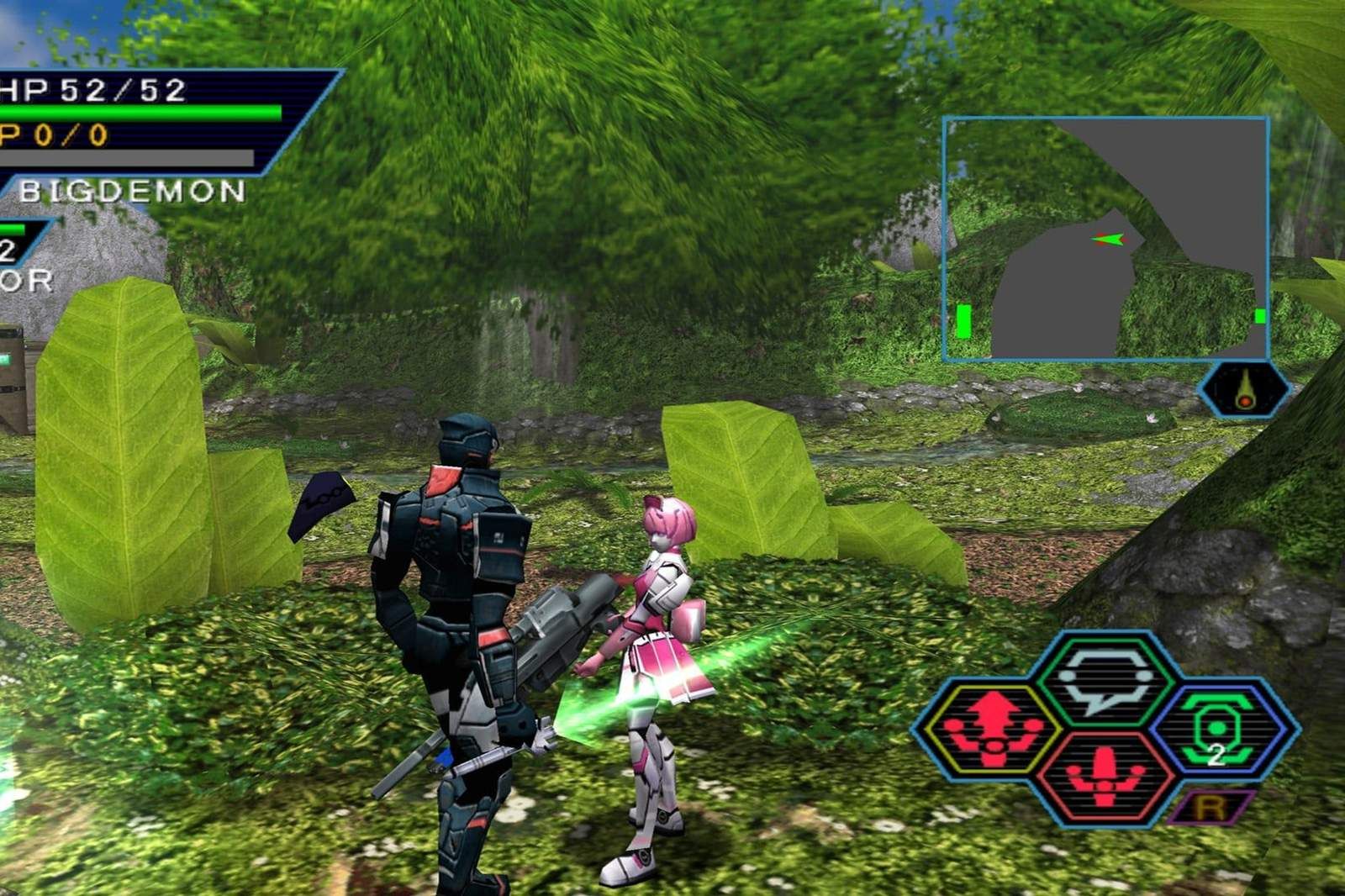

PSO Reborn puts Sega’s classic online RPG into desktop and mobile browsers, but the fan project arrives with technical caveats, community skepticism, and preservation questions.
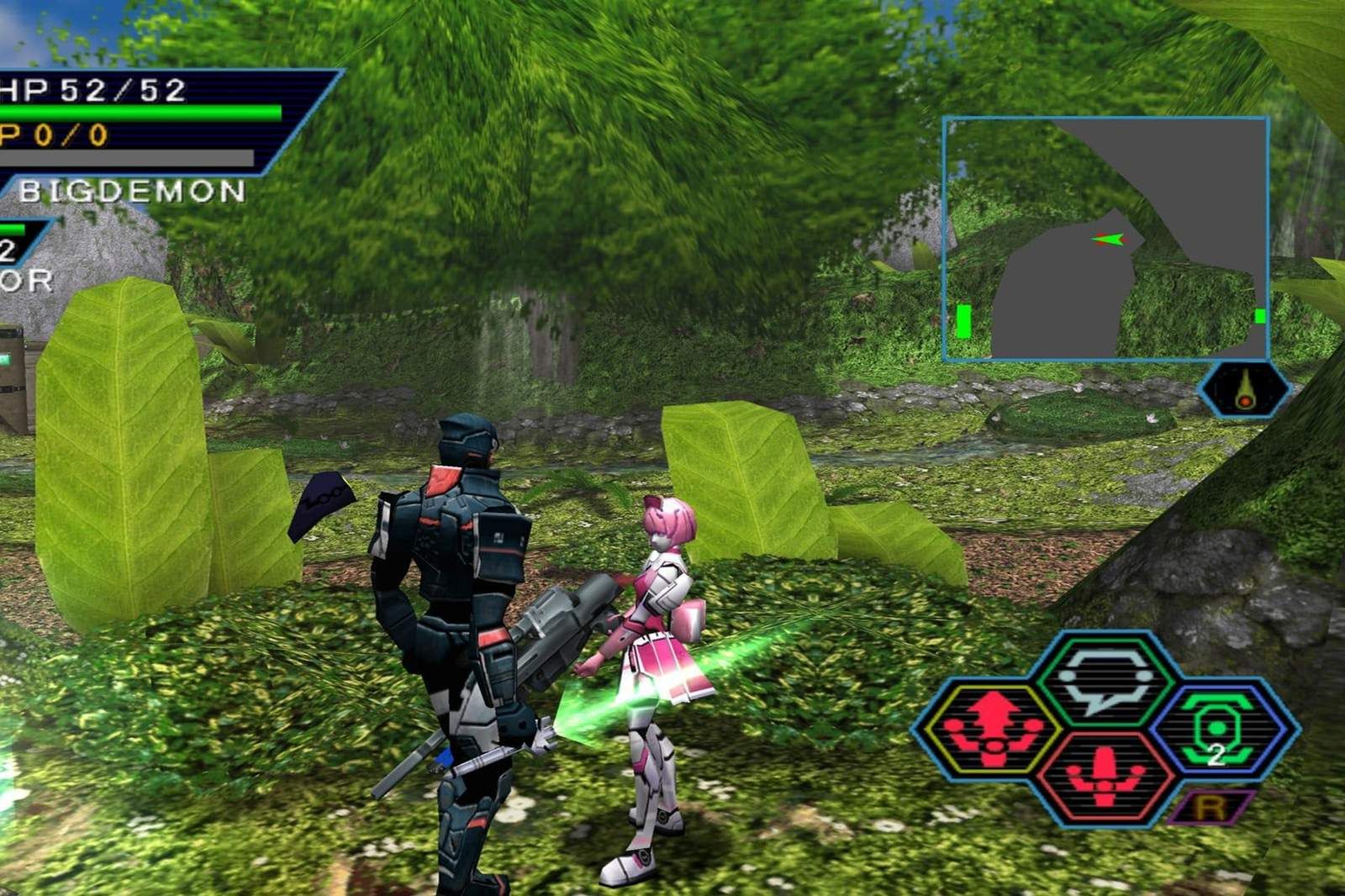
Image: readdork.com
Ragol now loads from a link, and that is the whole tension
Sega’s original Phantasy Star Online is now playable through a standard web browser via PSO Reborn, an unofficial fan project that multiple outlets reported went live as a no-download way to access the classic online RPG on desktop and mobile. Video Games Chronicle says players can open the PSO Reborn link and boot the game within minutes, with support for mobile touch controls, controllers, and keyboard and mouse.
That ease of access is the headline. It is also the complication. Phantasy Star Online was built around hardware, network assumptions, and community rituals that belong to another era. PSO Reborn tries to flatten that old friction into a browser tab, which makes it immediately useful for curious players, returning Hunters, and preservation-minded fans. At the same time, the project is fan-made, unofficial, and already drawing public criticism over bugs and development practices.
The result is a strange but important moment for a 26-year-old MMO lineage. If you have ever wanted to play Phantasy Star Online online without configuring a legacy client, hunting down private server instructions, or committing to a modern launcher, PSO Reborn appears to lower the barrier dramatically. If you want a stable, sanctioned, fully documented release from Sega, none of the available reporting indicates that this is that.
How PSO Reborn brings Phantasy Star Online to a web browser
The core pitch of PSO Reborn is simple: open the site, load the client, and play Phantasy Star Online in a web browser. VGC describes it as a fan project that works on both PC and mobile web browsers. FRVR similarly reports that the browser client requires no downloads and supports desktop and mobile play.
FRVR goes further on the scope, saying PSO Reborn allows players to experience Phantasy Star Online Episode I and II. That matters because Episode I and II is the version many players associate with the expanded early-console PSO experience, rather than a small proof-of-concept arena or menu demo. Power Up Gaming describes the current version as recreating the core gameplay loop of the original 2000 title, with persistent save data and a targeted 60 frames per second.
The browser framing changes the practical shape of the RPG. A traditional PSO session asks you to pick a character, prepare equipment, take on missions, clear compact zones, return with loot, and gradually sharpen a build through stats, gear, and class identity. Moving that loop into a browser means the commitment can be closer to trying a web app than installing an MMO. For a game whose appeal often comes from repeated dungeon runs and incremental character growth, that lower entry cost could be meaningful.
There are still boundaries in the reporting. None of the provided sources describe PSO Reborn as an official Sega release. None provide a formal statement from Sega, Sonic Team, or the PSO Reborn developer laying out long-term support plans, monetization policy, data handling, or preservation goals. What is confirmed is access: PSO Reborn is publicly presented as playable through a browser, on desktop and mobile, with modern input options.
Controls, saves, multiplayer, and mobile use
For players deciding whether to try PSO Reborn, the most useful reported details are practical ones. VGC says the browser version accepts touchscreen controls on mobile, controller input, and the traditional keyboard and mouse setup. That broad input support is important for Phantasy Star Online because combat depends on rhythm, positioning, and quick access to attacks or techniques. A poor control layer can make even a faithful RPG feel wrong.
FRVR reports that PSO Reborn can be played in single-player or multiplayer. According to FRVR, the single-player version appears to save to the browser cache, while players can create an account for the online version. That distinction is worth treating carefully. Browser cache storage can be convenient, but it is usually less reassuring than a clearly described account-based save system. The sources do not provide a formal explanation of backup options, migration between devices, or what happens if a player clears browser data.
Mobile support is one of the more notable claims. FRVR praises PSO Reborn’s dynamic aspect ratio, reporting that the client adapts to the browser window by moving and shrinking the UI for different screens. Power Up Gaming’s Andi Nuruljihad says they tried the fan project on a phone for around an hour and a half and found the interface worked surprisingly well in a vertical aspect ratio. That is a useful early hands-on datapoint, especially because PSO’s original interface was never designed around modern phone screens.
Performance is less settled. Power Up Gaming reports that the project targets 60 frames per second, and says other players in-game mentioned minor stuttering in some versions of iOS and Safari. That is not a lab-tested performance profile, and it should not be read as a guarantee across devices. It does suggest that browser choice and platform may matter, especially on mobile. If you are planning to take a rare drop hunt seriously, treat PSO Reborn as something to test with a low-stakes character before relying on it for long sessions.
The old structure is the preservation hook
The preservation value of PSO Reborn comes from the kind of game Phantasy Star Online is. Power Up Gaming notes that the original launched on Sega Dreamcast and helped pioneer online console gaming through dial-up internet before console multiplayer became common. FRVR says Sonic Team’s Phantasy Star Online still has fans playing today, supported by custom servers for original console versions and fan-built launchers for modern PCs and Android.
That history affects how PSO Reborn should be understood. Phantasy Star Online is not preserved only by keeping a title screen bootable. Its identity sits in the loop of class choice, weapon drops, MAG development, area runs, lobbies, and small-party multiplayer. If a browser version can make those systems approachable without requiring a dedicated install, it gives players a faster route into the texture of the old game: brief expeditions, familiar enemy patterns, measured stat growth, and the pleasure of returning to Pioneer 2 with something better than you had before.
It also places PSO Reborn in contrast with the official present of the series. VGC points out that Phantasy Star Online 2: New Genesis has been available for years as a free-to-play title on console and PC, while PSO Reborn promises an emulated version of the older experience. That comparison is important for RPG players. New Genesis is the active official route for the franchise today, but it is not the same structure, pace, or historical artifact as early PSO.
FRVR argues that the original remains satisfying because of its bite-sized dungeons and simple combat rhythm, and also notes that fans have kept supporting ways to play it. Those are subjective assessments from that outlet, but they line up with the preservation issue: the game’s value is tied to a particular progression cadence that later online RPGs often replaced with broader live-service layers. A browser client can make that cadence easier to revisit, provided the implementation holds together.
Bugs, AI concerns, and the risk of an unofficial build
The public response has not been uniformly celebratory. VGC reports that several ResetEra users pointed out issues with PSO Reborn. One user, Maligna, said they ran into a bug in the control customization menu and could no longer assign attacks, adding that they did not see an option to reset controls to default. For a PSO player, that is not a small annoyance. Attack assignment sits close to the center of the combat system, especially once a character begins juggling normal attacks, heavy attacks, techniques, and items.
Community skepticism also extends to how the project is being made. VGC quotes ResetEra user Rupika saying they had followed the project on the PSO subreddit but were passing because, in their view, the author was using AI to help code it and had associations with crypto and other questionable things. VGC also cites a Reddit comment from brunocar calling the project “vibe coded.” Aroged reports similar criticism, including concerns about AI-assisted development and control configuration failures.
Those are community claims and reactions, not audited findings. The available source material does not include a technical postmortem, a code review, or a direct interview in which the developer explains the toolchain. VGC says Reddit user TheCruzKing, who appears to be the project’s author, responded to criticism with, “It won’t be for everyone.” That answer acknowledges a divided audience, but it does not settle questions about stability, maintainability, transparency, or long-term stewardship.
For players, the cautious approach is straightforward. Treat PSO Reborn as an early fan build unless the project itself documents otherwise. Test controls before committing to a character. Be careful about assuming browser-stored saves are permanent. Do not expect modern MMO onboarding, because Power Up Gaming specifically says the recreation lacks the hand-holding and quality-of-life features common in current multiplayer titles. If you are new to the franchise, that old-school opacity may be part of the charm, but it can also make the first hour confusing.
The legal and platform gap Sega has left open
PSO Reborn also raises the familiar preservation question around unofficial access. Power Up Gaming characterizes projects like PSO Reborn as existing in a precarious gray area because, according to that outlet, the project relies on copyrighted assets and game code originally created by Sega. Power Up Gaming adds that publishers generally have the legal right to shut down unauthorized fan projects, while also noting Sega’s history of being comparatively fan-friendly in some community contexts, including the hiring of fan developers connected to Sonic Mania.
That should not be taken as a promise of safety. The provided sources do not include any Sega comment on PSO Reborn, any licensing arrangement, or any indication that the company has approved the project. The absence of an official statement leaves players and preservation advocates in a familiar position: the easiest way to access an important older online game may be the least secure from a rights and continuity standpoint.
FRVR argues that it would be welcome for Sega to officially support Phantasy Star Online on modern hardware, and notes that the game has not seen an official release since the original Xbox version in mid-2003. That platform gap is central to the story. Sega has an active official online Phantasy Star product in New Genesis, but the classic version’s availability has been driven heavily by fans, private servers, custom launchers, and now a browser client.
For MMO preservation, that is both inspiring and uncomfortable. Fan communities often move faster than rights holders, especially when the game in question requires servers, account systems, and ongoing compatibility work. But the more complete and convenient an unofficial project becomes, the more visible its legal and technical dependencies become. PSO Reborn’s browser accessibility makes classic PSO easier to share, yet the same visibility may increase scrutiny.
Who should try PSO Reborn now, and who should wait
If your goal is to see classic Phantasy Star Online running quickly in a browser, PSO Reborn appears to be the most immediate route described in the current reporting. The sources agree on the central access point: it runs in a web browser, supports desktop and mobile, and offers multiple input methods. For returning players, that makes it a low-friction way to revisit the older structure without treating setup as its own side quest.
If your goal is a stable long-term home for character progression, the picture is less clear. FRVR says single-player appears to save to browser cache and online play uses account creation, while Power Up Gaming mentions persistent save data. The sources do not explain account security, export options, server durability, moderation, or whether saves can survive future changes to the project. In an RPG built around long-term loot and character investment, those unanswered questions matter.
New players should also calibrate expectations. Power Up Gaming’s hands-on account says the project is faithful aside from modern resolutions and aspect ratios, and warns that it lacks modern multiplayer conveniences. That means PSO Reborn may feel refreshingly direct if you enjoy learning systems through play, but it may feel abrupt if you expect contemporary quest tracking, onboarding, or live-service smoothing.
The best use of PSO Reborn right now is exploratory: make a character, test your preferred controls, check how your browser and device handle performance, and decide whether the old progression rhythm clicks. The preservation story is already notable because a landmark console online RPG can now be reached through a Phantasy Star Online web browser client. Whether PSO Reborn becomes a durable way to play Phantasy Star Online online depends on the questions the current reports leave open: technical stability, community trust, data persistence, and Sega’s tolerance for an unofficial revival.