
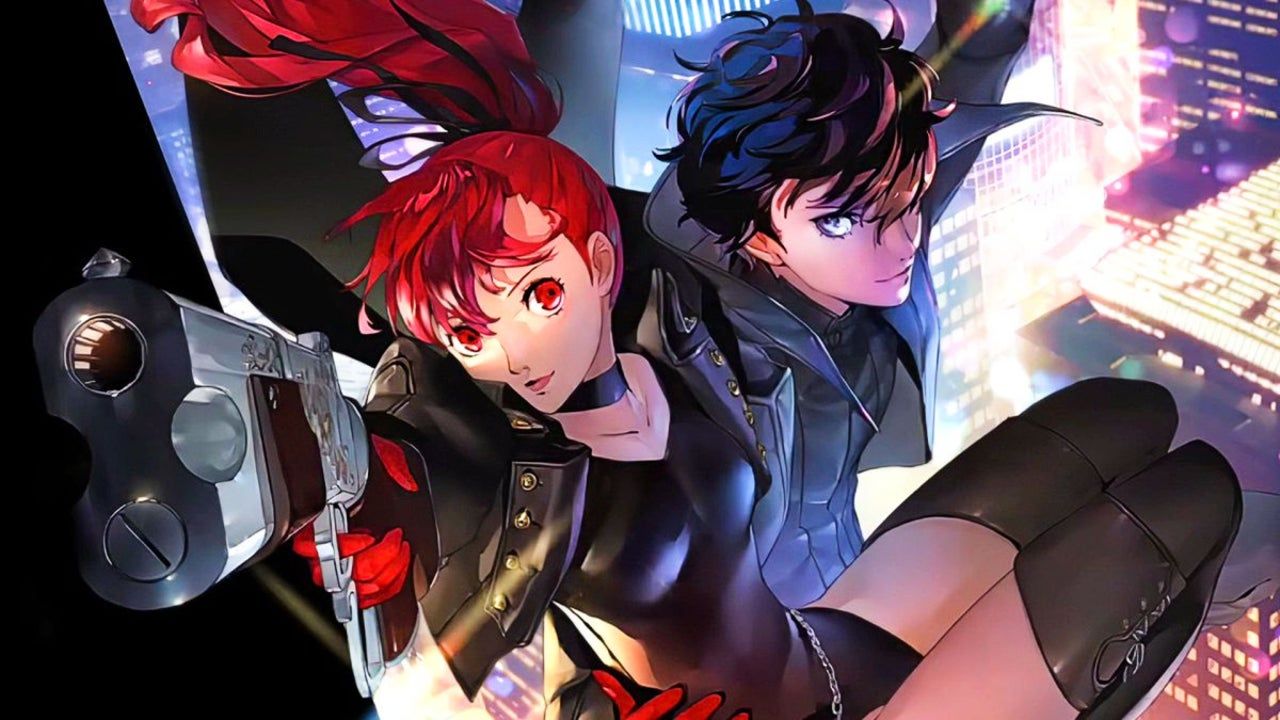

A reported live-action Persona Netflix series has a showrunner and production companies attached, but Netflix, Sega, and Atlus have not confirmed the project yet.
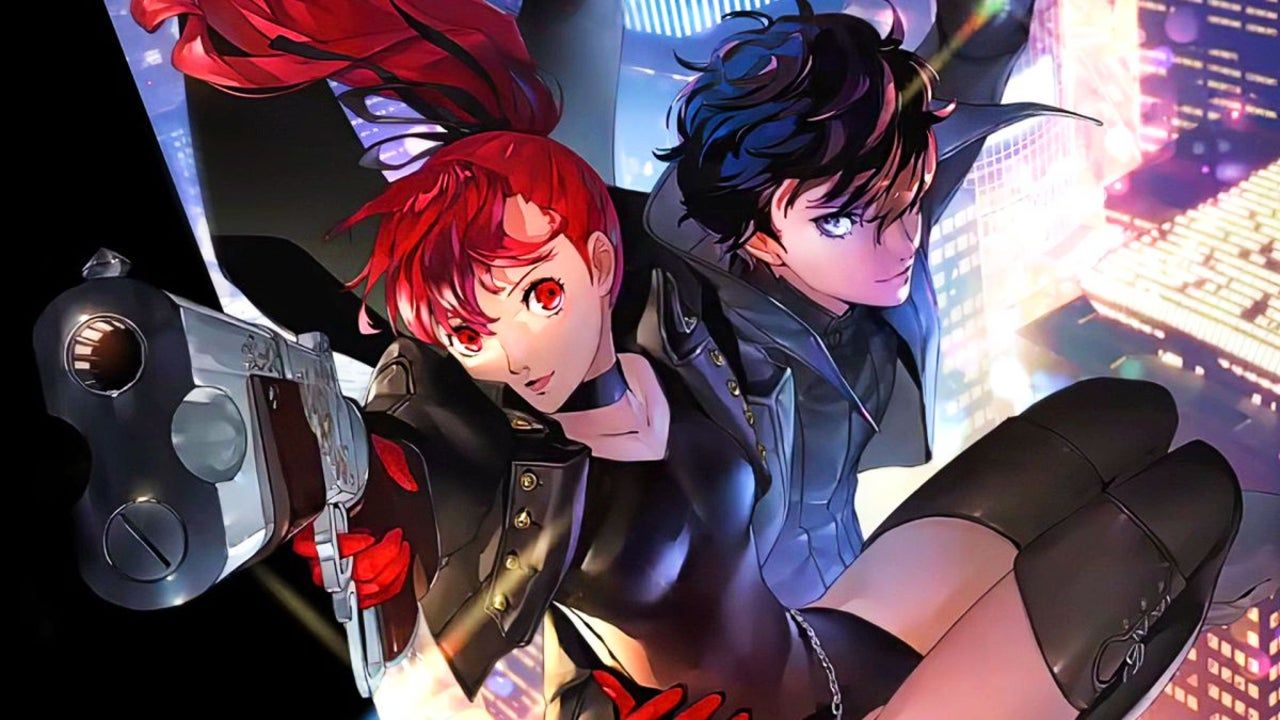
Image: en.softonic.com
A Persona Netflix series is reportedly in development, but it is still unannounced
The strongest concrete development around a possible Persona Netflix series is that Variety, as cited by Polygon and Softonic, reported Netflix is developing a live-action TV adaptation of Atlus and Sega’s Persona RPG franchise. The reported package includes Christopher Monfette as writer, executive producer, and showrunner, with Story Kitchen and 21 Laps Entertainment involved in production.
That is a meaningful report, but it is not the same thing as a formal series order, trailer, cast reveal, or platform announcement from the companies that control Persona. Softonic noted that Netflix, Atlus, and Sega had not confirmed the project at the time of the report. Polygon also framed the adaptation as something that “doesn’t sound like a done deal,” which is the key caution for fans watching this story spread across social feeds.
For Persona players, that distinction matters because this is exactly the kind of early entertainment-industry report that can change shape before it reaches viewers. A writer-showrunner attachment and production-company involvement can indicate serious development, but development is a wide lane. Scripts can be commissioned, revised, paused, reworked around a different game, or quietly dropped before a streamer makes anything public. Until Netflix or Sega confirms the Atlus Netflix adaptation, the safest read is that a live-action Persona streaming TV series is reportedly being worked on, not that a release window or creative direction exists.
The reported creative lineup has game-adaptation experience around it
The reported production structure is the part of the Persona anime report ecosystem that feels most substantial, even though the series itself remains unconfirmed. According to Polygon’s write-up of Variety’s report, Story Kitchen is developing the project alongside 21 Laps. Story Kitchen is tied to Sega through the Sonic the Hedgehog film franchise, while 21 Laps is the production company founded by Shawn Levy, whose credits cited by Polygon include Deadpool & Wolverine, Free Guy, and Stranger Things.
Softonic added that Sega producer Toru Nakahara is reportedly involved. That detail, if the report holds, would place the adaptation within Sega’s broader game-to-screen machinery rather than leaving Persona as a loose license handed to an outside studio. Still, “reportedly involved” is doing important work here. Sega has not used its own channels, according to the provided sources, to announce the project or define Nakahara’s role.
Monfette’s reported attachment also gives the story a clearer shape than a vague rights rumor. Polygon and Softonic both identify Christopher Monfette as the writer, executive producer, and showrunner attached to the adaptation. Polygon lists his previous credits as Star Trek: Picard, Syfy’s 12 Monkeys, Fox’s 9-1-1, and Marvel Television’s upcoming VisionQuest for Disney Plus. Those credits point toward a writer with experience across serialized genre television and network procedural drama, which is relevant for Persona because the games run on long arcs, repeated daily rhythms, ensemble conflict, and supernatural escalation.
The missing details are bigger than the announced details
The Persona streaming TV series report does not answer the questions fans will ask first. There is no official word on which Persona game would be adapted, whether the story would use an existing cast, whether it would be set in Japan, whether it would follow a new group of students, or whether the series would draw mainly from Persona 3, Persona 4, Persona 5, or the newly announced Persona 6.
Softonic explicitly reported that there were no official details on story, setting, cast, or the specific Persona game being adapted. It also noted that there had been no public comments from Monfette, Levy, or Persona’s original creators at the time of Variety’s report. That silence leaves the biggest creative fork unresolved: Persona can be adapted as a faithful version of one game’s calendar, mystery, and party progression, or it can be treated as a franchise framework built around students, Personas, social pressure, and a supernatural otherworld.
From an RPG systems perspective, that is not a cosmetic choice. Persona’s identity is built from structure. The party dungeon-crawls at night or after school, then spends limited calendar time deepening bonds, studying, working jobs, navigating romance, or making choices that shape progression. Strip that loop away and the series risks becoming a stylish occult school drama with familiar names. Keep too much of it and a live-action show has to solve pacing problems that games handle through player agency. The report gives no indication which route Netflix, Story Kitchen, or 21 Laps would take.
Persona has already lived outside games, so the live-action question is different
Persona is often discussed now as one of Atlus’ flagship RPG series, but its screen-adaptation history complicates any simple “first adaptation” framing. IGN describes Persona as a Shin Megami Tensei spin-off that has grown into one of modern RPG’s biggest names, with major sequels, remakes, anime adaptations, and stage plays. That context matters because a reported Netflix live-action project would not be Persona’s first step beyond consoles and PC.
The more specific shift would be live action for a global streaming audience. Persona began in 1996 with Persona on the original PlayStation, according to Polygon, and has since produced four mainline sequels plus many spinoffs and rereleases. IGN counts 21 Persona games when expanded versions, remakes, and spinoffs are included, excluding direct ports and remasters from its count. That gives any adaptation a deep library but also a crowded continuity map.
For newcomers, IGN’s guidance is useful: later Persona entries are largely disconnected stories with new casts, so players can start with Persona 3 Reload or Persona 5 Royal without needing to play the earlier games first. A live-action show could use the same anthology-friendly advantage. If the producers want the cleanest entry point, Persona’s structure allows a self-contained cast rather than a strict chronological adaptation. If they choose an existing title, however, they inherit the expectations attached to that game’s characters, romances, villains, music, UI language, and ending routes.
Netflix’s game-adaptation record cuts both ways
The reported Persona Netflix series also lands in the middle of Netflix’s continuing push into game adaptations. Polygon points to Netflix’s animated successes and releases, including Arcane from Riot Games’ League of Legends, along with animated series based on Castlevania, Cyberpunk 2077, Devil May Cry, and Tomb Raider. That is the side of the ledger Persona fans will likely point to when imagining a stylized adaptation that keeps the franchise’s color, music, and combat energy intact.
Polygon also notes that Netflix has had less success with live-action video game adaptations, citing the canceled Resident Evil series and the still-in-development BioShock movie. Softonic similarly observed that fan reaction already seemed split and that Netflix’s animated game adaptations have a stronger track record than its live-action ones. That does not predict failure for Persona, but it does explain the skepticism around the format.
Persona’s demands are unusual for live action. A show has to sell ordinary student life and surreal battle-space logic in the same episode. It has to make Personas legible as character expression rather than disposable visual effects. It also has to represent social bonds without flattening them into a checklist, because Social Links and Confidants work in the games through gradual investment and the feeling of choosing how to spend limited time. Those are adaptation problems the report does not yet answer, and they are central to whether this becomes a recognizable Persona story rather than a brand exercise.
The report arrives during a busy stretch for Atlus and Sega
The timing helps explain why a Sega game adaptation report around Persona would draw attention even before confirmation. Polygon reported that Persona 6 was announced in early June and does not have a release date. Softonic also referenced Persona 6 as announced and noted that Persona’s 30th anniversary livestream was set for September 20, 2026 in Japan. Atlus is also preparing Persona 4: Revival, a remaster of 2008’s Persona 4, which Polygon says is scheduled to launch on February 18, 2027 for PlayStation 5, Windows PC, and Xbox Series X.
That creates a clear business backdrop. Persona is entering an anniversary window with a new mainline game announced and a major remaster dated. A streaming adaptation, if it becomes official, would fit Sega’s broader incentive to keep the series visible outside its core RPG audience. Story Kitchen’s reported involvement also tracks with Sega’s existing comfort around screen adaptations through Sonic, though the tone, audience, and structure of Persona are very different from that film franchise.
For fans trying to decide how closely to follow this, the practical answer is patience. There is nothing to stream, no release timing, no cast, no trailer, no confirmed episode count, and no announced connection to any specific Persona game. The confirmed things you can plan around are on the game side: Persona 4: Revival has a stated February 18, 2027 launch date on PS5, Windows PC, and Xbox Series X according to Polygon, while Persona 6 has been announced without a release date. The reported series should sit in the “watch for official confirmation” column until Netflix, Sega, or Atlus moves it there themselves.