

Atlus producer Kazuhisa Wada says Persona 6 is in production and the studio is working on ways to avoid another decade-long gap before the next mainline Persona game.
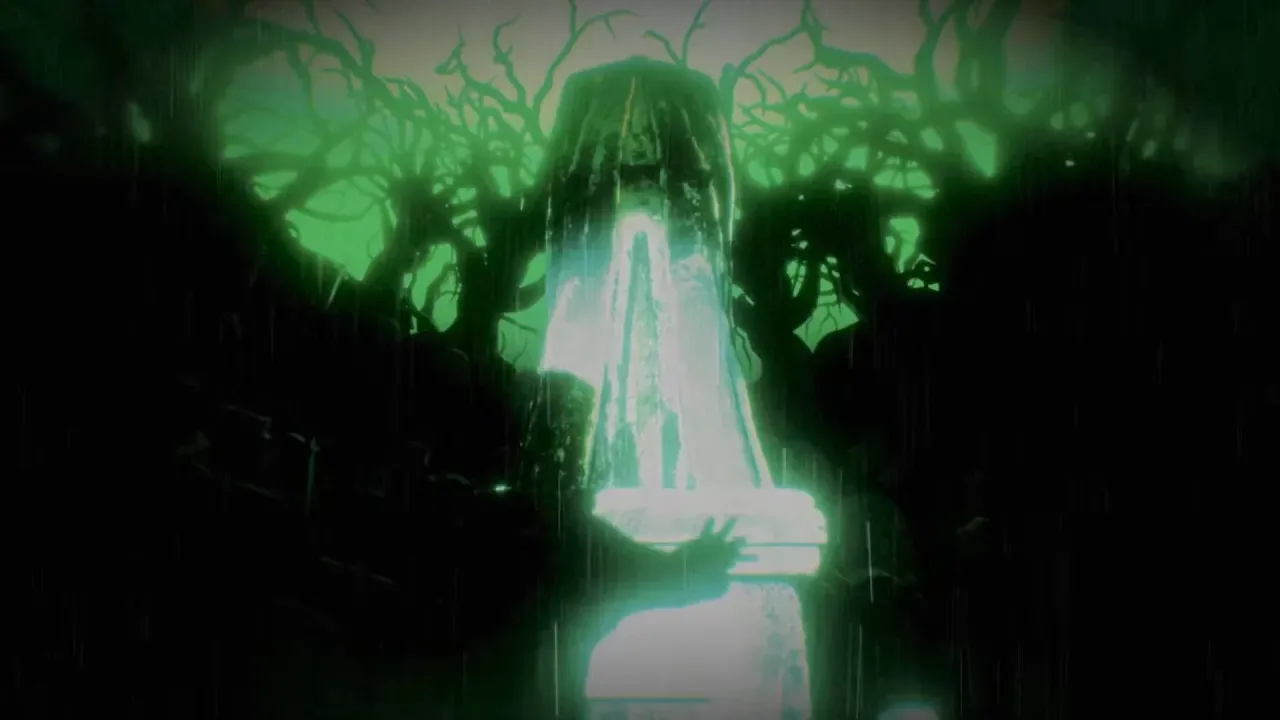
Image: rpgfan.com
Atlus is already planning beyond Persona 6, but not announcing Persona 7
Atlus has not dated Persona 6, yet Persona Studio general producer Kazuhisa Wada is already addressing the problem hanging over the series’ future: fans have waited roughly a decade for each of the last two mainline jumps, and Atlus does not want that pattern to repeat after the new Persona game.
In a Sega Sammy interview published through its SegaSammyMania series, Wada said Persona 6 is the project currently in production and described it as a place where the team wants to show the results of the challenges it has taken on so far. He also made the forward-looking point that has drawn the most attention across Nintendo Everything, Push Square, Nintendo Life, Console Creatures, Noisy Pixel, and Polygon: Persona 6 is not being treated as the end point for the brand.
Wada’s clearest statement is that Atlus is “working on various things” so players do not have to wait as long for the next installment as they have in the past. That does not amount to a Persona 7 announcement, a release window, a platform list, or a production schedule. It is, however, a confirmed development-strategy comment from the producer responsible for the series’ long-term direction, and that is more concrete than the usual rumor cycle around Persona 6.
The confirmed message is about production cadence, not a release date
The important distinction is that Wada is talking about how Atlus wants Persona development to function after Persona 6, not when Persona 6 will launch. Persona 5 originally released in Japan on September 15, 2016, as Nintendo Life notes, and Push Square points out that by the time Persona 6 arrives, the wait from Persona 5 will have reached at least ten years. Nintendo Everything adds that the previous mainline gap, from Persona 4 to Persona 5, was also close to a decade.
That history explains why a comment about future cadence lands so strongly. Persona has remained visible through spin-offs, remasters, remakes, anime, and related projects, but the core social-sim dungeon-crawling RPG line has moved slowly. Push Square specifically cites Persona 5 Strikers and Persona 5 Tactica as examples of Persona 5-era follow-ups that kept that cast and setting active while the next numbered entry remained absent.
Wada’s remarks should be read as an acknowledgement of that production reality. He said Atlus wants Persona to keep growing for “5, 10 years, and beyond,” while continuing to value what makes the series distinct and adapting to changing times and player needs. That is a brand statement, but it also frames shorter gaps as a sustainability goal. The confirmed news is not “Persona 7 is coming soon.” The confirmed news is that Atlus is actively considering how to prevent the next mainline wait from becoming another generational pause.
Atlus appears focused on process, knowledge, and internal coordination
The most useful details come from how Wada discusses development efficiency. Noisy Pixel’s report on the Sega Sammy interview says Atlus is working to strengthen collaboration between internal development departments and introduce management and information-sharing tools intended to streamline production. The same report says the studio is trying to establish shared development values so staff can collaborate more effectively, take initiative, adapt to change, and challenge established approaches.
For a series like Persona, that matters because its difficulty is systemic. A mainline Persona game is not only a combat RPG. It has a calendar structure, social links or equivalent relationship systems, school-life pacing, dungeon progression, party growth, Persona fusion, music, UI identity, and a long narrative arc that has to make daily choices feel meaningful across dozens of hours. If a studio relies too heavily on undocumented experience held by a small number of veterans, every sequel becomes a rediscovery process.
Noisy Pixel also reports that Wada discussed preserving and sharing development knowledge across generations of staff, including documenting informal know-how so it can be accessed more broadly within the organization. For players, that is the most credible version of “shorter waits.” It does not require assuming that Atlus will cut corners or shrink the scope of future games. It suggests the studio wants fewer bottlenecks in decision-making, less reinvention between projects, and a clearer internal memory for what makes Persona work.
Persona 6 expectations should stay ambitious, but grounded
Wada’s Persona 6 comments are deliberately limited. According to the Sega Sammy interview translations circulated by Nintendo Life and Push Square, he said there is still little he can share, but Atlus wants to prove the results of its accumulated challenges through the game itself. Push Square quotes him describing Persona 6 as “even better than before,” with the team feeling a “real sense of accomplishment” as work continues.
That language supports confidence that Persona 6 is a major internal milestone for Atlus Persona development, but it does not confirm mechanics, party structure, romance systems, dungeon format, social-link changes, or combat revisions. It also does not confirm a release year. Some outlets have attached expectations to 2027 because of broader scheduling context and the announced Persona 4 Revival window, while Polygon notes that Sega has confirmed Persona 6 physical editions for PlayStation 5 and Nintendo Switch 2. Those are separate pieces of context, not a dated launch plan.
The healthier way to read Wada’s comments is that Persona 6 carries two burdens. It has to satisfy players who have lived with Persona 5 for a decade, and it has to become a foundation from which Atlus can move faster later. From a systems perspective, that second burden is crucial. If Persona 6 introduces workflows, tools, shared design standards, or reusable production knowledge that can carry into the next project, then the path to Persona 7 could be shorter without making Persona 6 feel smaller.
What is actually known about Persona 6 right now
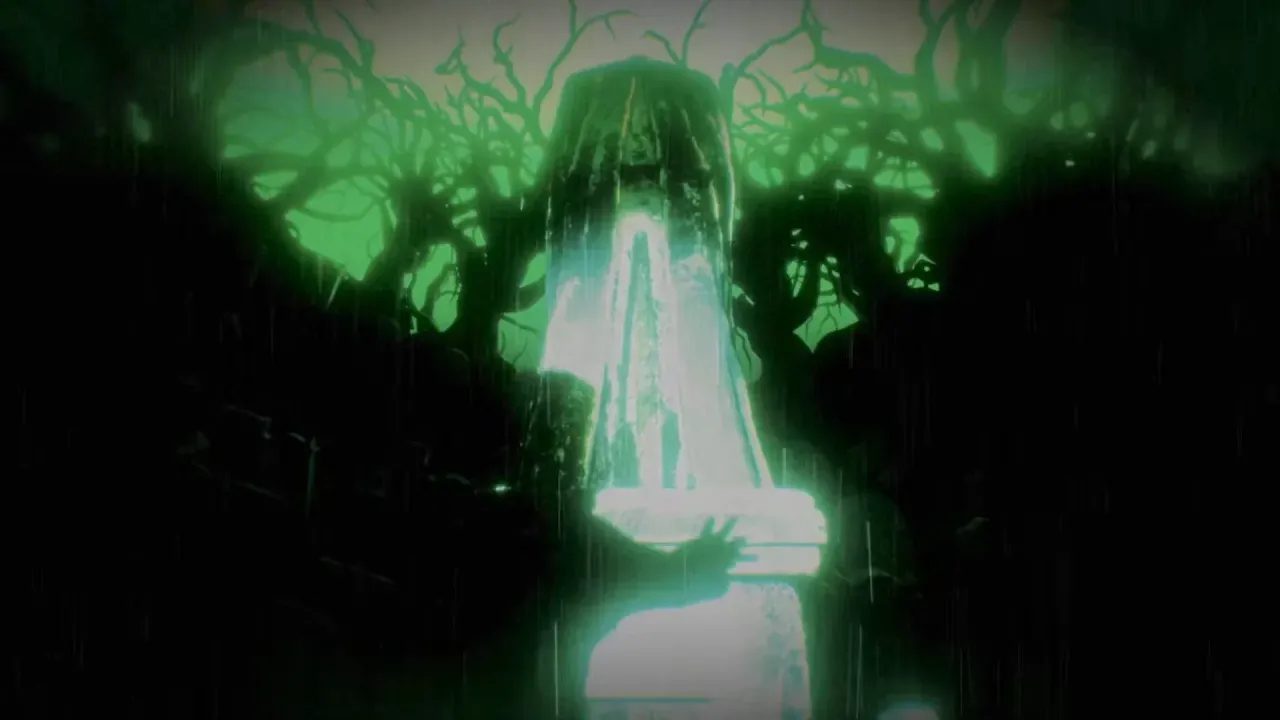
The public Persona 6 picture remains sparse. Polygon reports that Atlus revealed Persona 6 during a July Xbox showcase with a short teaser that emphasized mood over hard information, including a green-hued graveyard image that some viewers have read as a possible signal of a darker tone. That tone read is interpretation, not confirmation of story direction.
Polygon also reports that Sega has confirmed physical editions for PlayStation 5 and Nintendo Switch 2. Nintendo Life and Push Square are tracking Persona 6 through their Switch 2 and PS5 game pages respectively, but the supplied source material does not provide a full official platform matrix, pricing, editions, performance targets, or upgrade paths. There is no confirmed release date in the provided sources.
Rumors remain separate from the reported facts. Nintendo Life notes that an imminent reveal has been rumored because of a backend update on the official website, while Push Square references rumors tying more Persona 6 details to The Game Awards. Polygon mentions an unverified leak that appeared to show a Persona 1 remake. None of those items should be treated as announced Atlus plans. Wada’s interview is the firm anchor here: Persona 6 is in production, Atlus is thinking beyond it, and the company wants to reduce the wait for what follows.
How RPG players should read Atlus’ shorter-wait goal
For Persona players deciding how closely to follow the news cycle, the practical advice is simple: separate the development philosophy from launch expectations. Wada’s comments make it reasonable to believe Atlus recognizes the fatigue caused by decade-scale mainline gaps. They do not make it reasonable to assume Persona 6 is imminent, that Persona 7 is in full production, or that the next reveal will answer every major question.
The best sign for long-term fans is that Atlus is talking about continuity at the production level. Persona’s appeal depends on accumulation: the way a semester’s worth of small choices becomes character growth, the way battle builds and fusion routes reward planning, the way side stories make a city feel lived in. Those strengths are difficult to preserve if every mainline sequel has to rebuild its creative process from scratch.
If Atlus can shorten future gaps by improving internal knowledge-sharing and coordination, that would fit the series better than simply chasing volume. Persona does not benefit from feeling rushed. It benefits from a development structure that can support dense social systems, confident art direction, and long-form character writing without disappearing for another decade. For now, that is the confirmed shape of the news: Persona 6 remains undated, Persona 7 has not been formally announced, and Atlus is publicly saying it wants the road after Persona 6 to be less punishing for players waiting on the next mainline JRPG.