
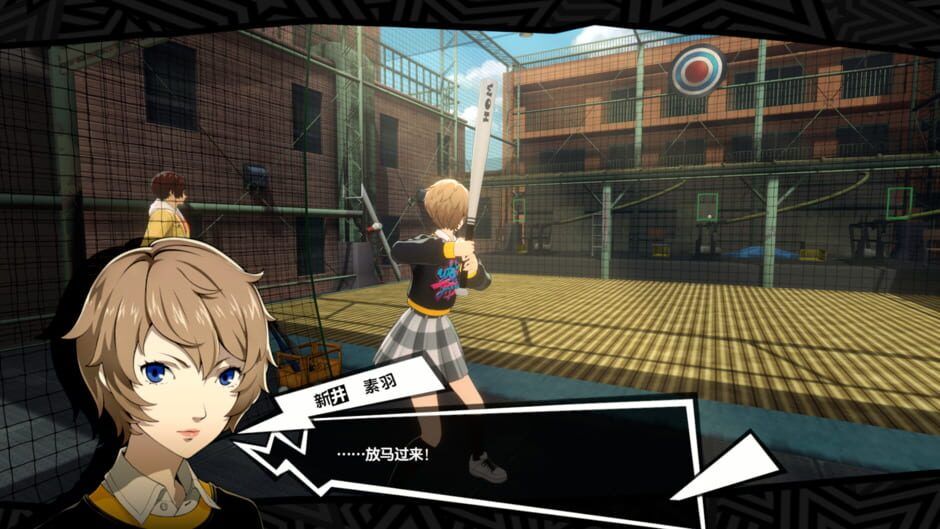

Goro Akechi headlines Persona 5: The Phantom X Version 3.6, but the real story is how new events, crossover content, and boss fights are trying to turn this mobile spin off into something that lasts beyond core Persona faithful.
Persona 5: The Phantom X has spent its first year trying to prove it can be more than a licensing play with Joker’s face on the icon. Version 3.6 is the sharpest shot yet at long term relevance, and Atlus knows exactly which name to lead with: Goro Akechi.
Goro Akechi Is The Headline, But Not The Whole Story
Version 3.6 drops Goro Akechi, codename Crow, into the roster as a new 5 star Phantom Thief. In mechanical terms he arrives as an Almighty attribute Sweeper, built to flex between support and burst damage. In monetization terms, he is a textbook banner anchor: front and center in the Most Wanted Phantom Idol Contract, paired with his exclusive 5 star weapon, the Silent Pistol, in the Arms Deals lineup.
For lapsed Persona 5 Royal players peeking over the fence, Akechi is exactly the kind of hook that cuts through the noise of another gacha launch. He is a character with years of fandom baggage, a built in arc that fans want to see reinterpreted, and a clear reason for long timers to log in just to take a few pulls. Version 3.6 leans into that appeal, but it does not stop there.
Crossroads of Fate: Why This Event Matters For Retention
Running through April 30, the Persona 5 Royal Special Event Crossroads of Fate: Laboratory Arc Part 2 is the backbone that keeps Version 3.6 from feeling like a one character patch. It continues the crossover arc rather than treating Akechi as a one off cameo. Players dive into a new Palace, push through a run of fresh combat encounters and boss battles, and earn a range of currencies and upgrade items along the way.
Structurally, this event does two important things for retention. First, it gives the patch a clear limited window. The April 30 cutoff is a classic mobile tactic, but it works here because the content is bespoke rather than recycled. Second, it builds a rhythm of daily and milestone rewards, with items like Gold Tickets, Platinum Milicoins, Unusual Rebel Coins, Meta Jewels, Loaded Dice, and 8 Sided Dice nudging players to keep coming back instead of grabbing Akechi and dipping.
The new Palace design is also key. Palace content in The Phantom X is slower to build than simple challenge stages, but it is closer to what Persona fans expect from a spin off carrying the mainline aesthetics. Boss battles that anchor the latter half of the Laboratory Arc Part 2 give the event a sense of stakes while doubling as soft difficulty checks that push players toward engaging with builds, synergies, and gear.
Synergies, Comebacks, And Why They Matter
Outside the marketing bullet points, Version 3.6 layers in smaller but meaningful systems tweaks and character beats. Manaka Nagao’s Synergy update quietly expands team building options by giving an existing character more ways to slot into party compositions. Instead of relying only on raw character power, the game nudges players to experiment with squad combinations, which is crucial when you are trying to keep people engaged between big-name drops.
The Frostgale Kotone (Mont) comeback is another important piece. Rotating older heroes back into the spotlight through comeback banners is standard gacha design, but tying that to a moment when the game expects a spike in traffic from Akechi’s arrival gives returning players more than one reason to stay. If you skipped earlier banners or fell off after launch, Version 3.6 becomes both a nostalgia hit and a second chance to fill roster gaps while the servers feel busy again.
These systems work together with the main event to create layers of engagement. New character, new Palace, returning favorites, and incremental power growth through tickets and coins all stack into a patch that tries to feel like a mini season rather than a single character update.
Crossover Content As A Long Game Strategy
Persona 5: The Phantom X has always traded heavily on its proximity to Persona 5. That is unavoidable when your cast, art direction, and UI are so closely aligned with the original game. Version 3.6 uses that connection more deliberately. Instead of simple cameos, Crossroads of Fate frames Royal era characters like Akechi as part of an ongoing arc. Narrative continuity is a retention tool here, not just fan service.
Crossover events have a few key benefits in this context. They lower the onboarding friction for curious Persona fans, because you recognize faces and themes immediately. They also let the developers justify special boss fights and bespoke encounter mechanics that might not fit the base Phantom X story yet. When those bosses sit at the end of a limited time Palace, you get a natural loop where players chase story chapters, gear, and mastery of new fights all at once.
Most importantly, this kind of event design sets expectations. If Royal content is going to arrive in arcs with new areas and bosses, not just characters slotted into the generic grind, players have a reason to check back for future collaborations even if they are not deeply attached to the Phantom X original cast.
Are These Boss Fights Enough To Keep People Playing?
The Laboratory Arc Part 2 encounters are tuned to be more than stat checks. They emphasize team composition and the value of characters like Akechi who can flex between supporting the squad and locking down enemies with Almighty damage. This creates a gentle funnel where story fans are gradually introduced to the deeper combat systems that power the late game.
For a mobile RPG trying to live in the Persona space, that matters. Persona’s identity is tied to turn based combat that feels expressive, not just efficient. If every big event pushes players to think about weaknesses, buffs, and synergies while dangling premium characters as solutions, you have a loop that supports both spending and long term play. Version 3.6 does not reinvent that wheel, but it does show a clearer commitment to making marquee events feel closer to mainline dungeon runs instead of thinly themed time trials.
Is The Phantom X Finally Building Real Momentum?
The bigger question is whether Version 3.6 marks a turning point for Persona 5: The Phantom X or just another spike in a familiar gacha rollercoaster. On one hand, leading with a heavy hitter like Goro Akechi, attaching him to a substantial Royal themed event, and slotting in supporting changes like synergies and comebacks is exactly what you would do if you were planning for growth beyond the core Persona diehards.
On the other hand, the game still has to shake the perception that it primarily exists for character banners. The Version 3.6 structure is encouraging because it binds monetization tightly to play. You want Akechi because he is strong, but the content that shows off that strength is more than a series of stat walls. You want the rewards because they enrich your account, but earning them asks you to participate in a coherent arc that pulls Persona lore and Phantom X identity into the same space.
If the developers can make this cadence the norm, Phantom X has a decent shot at mattering in the broader mobile RPG landscape. Not just as the game where Joker’s friends occasionally show up, but as a live service that respects why people love Persona in the first place and applies that to a patch cycle. Version 3.6 is not a full reinvention, yet it is the clearest signal so far that the team is thinking about momentum, not just the next banner.
For now, Persona fans get a strong reason to check in, and existing players get the closest thing Phantom X has had to a proper seasonal update. Whether that is enough to keep people around will depend on what follows Akechi’s spotlight, but Version 3.6 at least shows the game is learning how to put its best face forward.